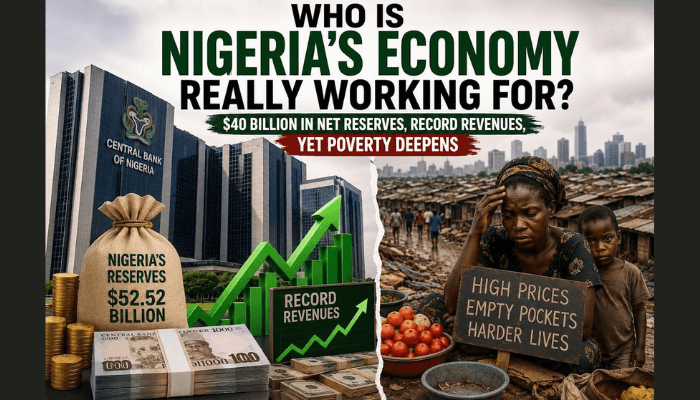
Nigeria is beginning to win the battle over macroeconomic stability but losing the argument at the household level. GDP is growing and government revenues are rising, yet millions still struggle with basic necessities. As 2027 approaches, the test is whether stability is translating into higher purchasing power, better jobs and visible services.
Figures offer hope. Real GDP expanded by 4.43 percent year-on-year in the second quarter of 2026, up from 3.89 percent in the first quarter and the strongest second-quarter performance recently. But growth remains below the administration’s 7 percent ambition. A larger economy does not automatically mean prosperity.
“The debate should shift from what governments receive to what they deliver. Every state should publish a quarterly revenue-to-results scorecard showing Federation Account receipts, internally generated revenue, major expenditure and measurable outcomes.”
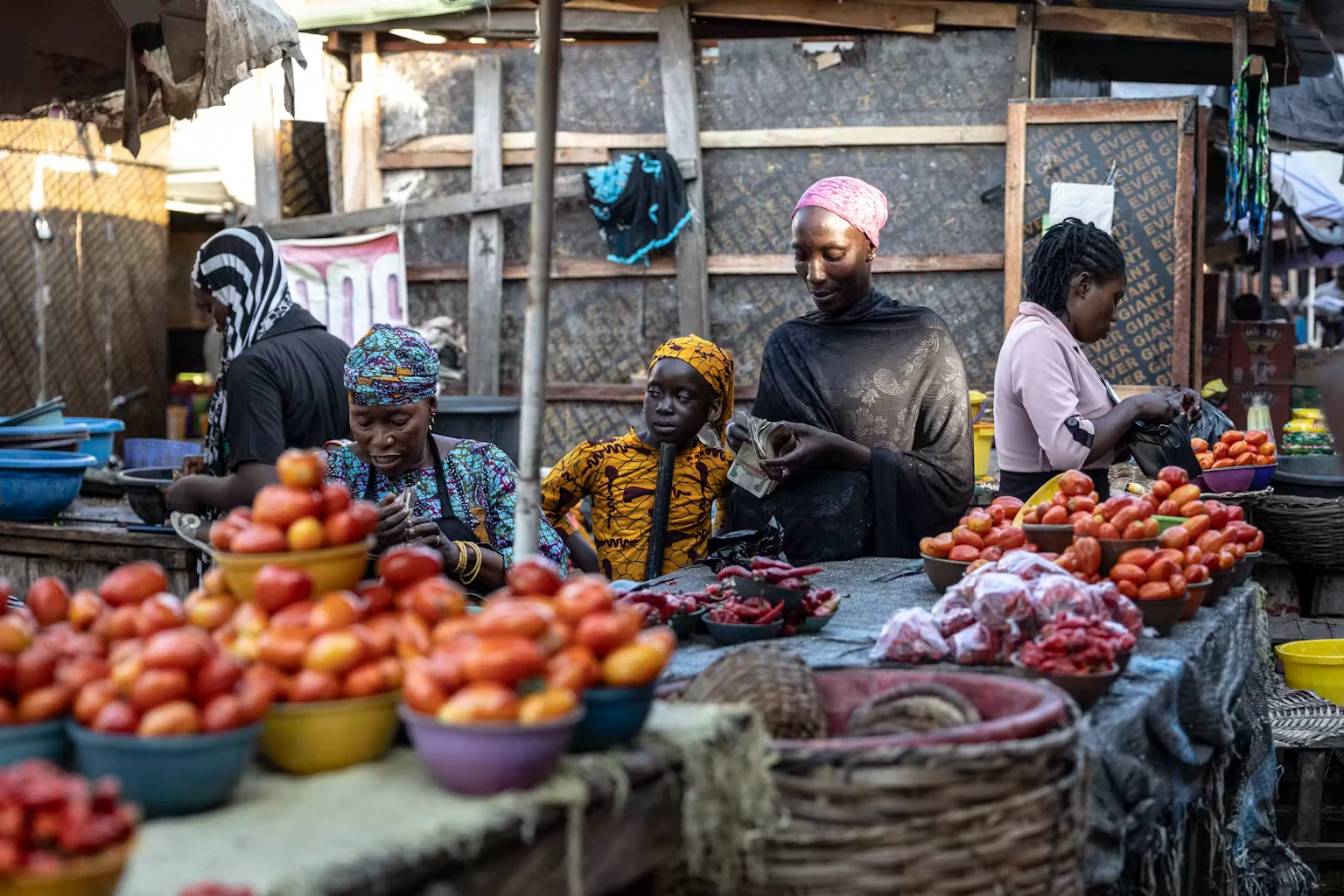
The gap is most visible in the cost of living. Headline inflation fell to 15.43 percent in July, but lower inflation does not mean lower prices; it means prices are rising more slowly. Households do not recover lost purchasing power simply because inflation moderates. The test is whether incomes are rising faster than necessities.