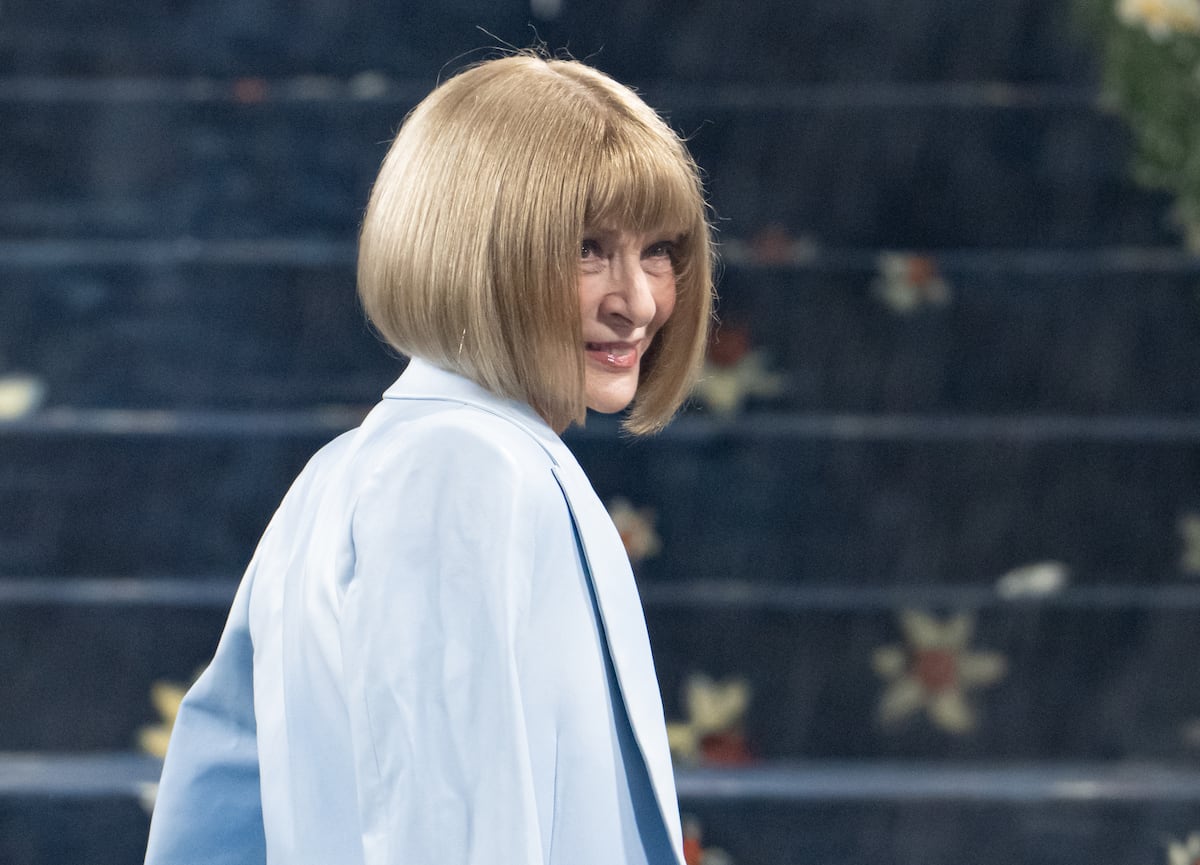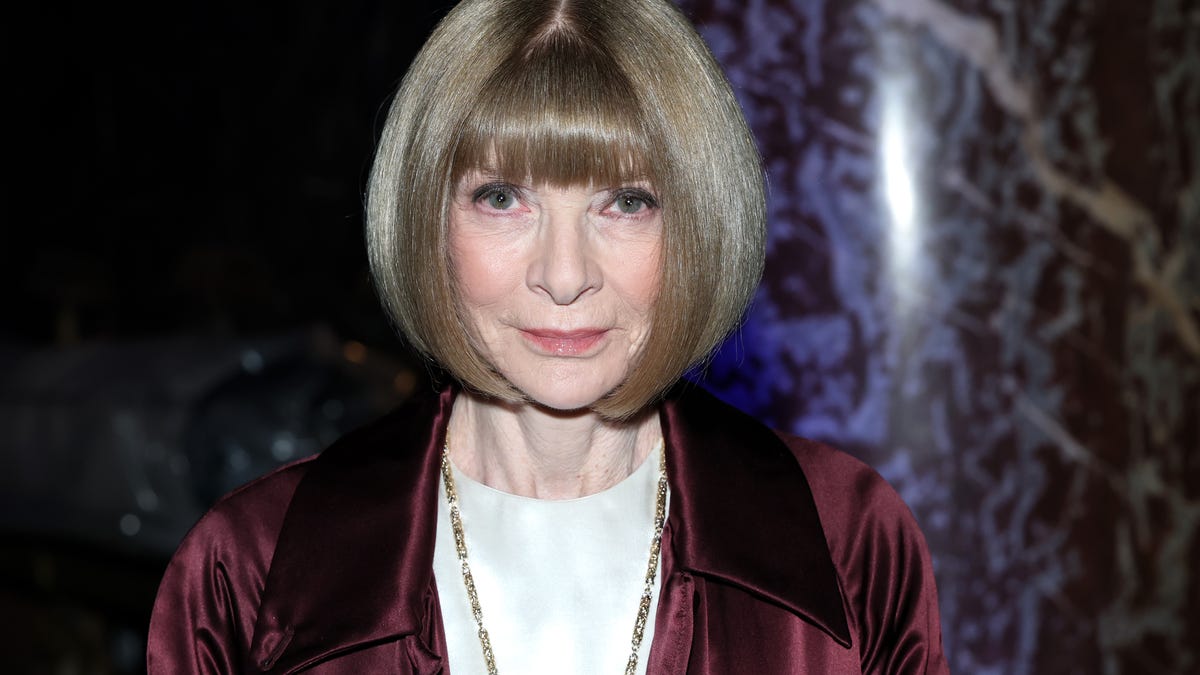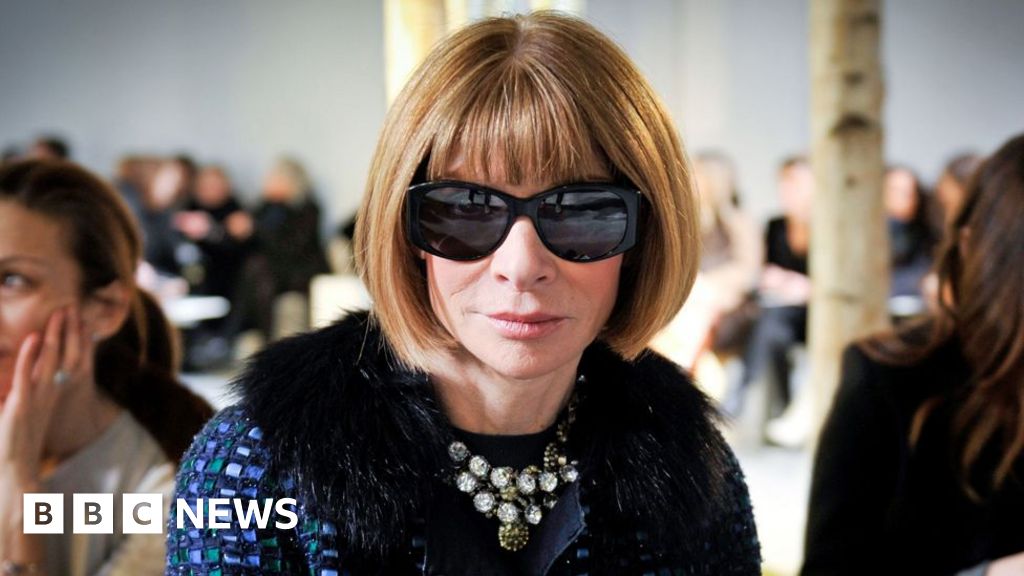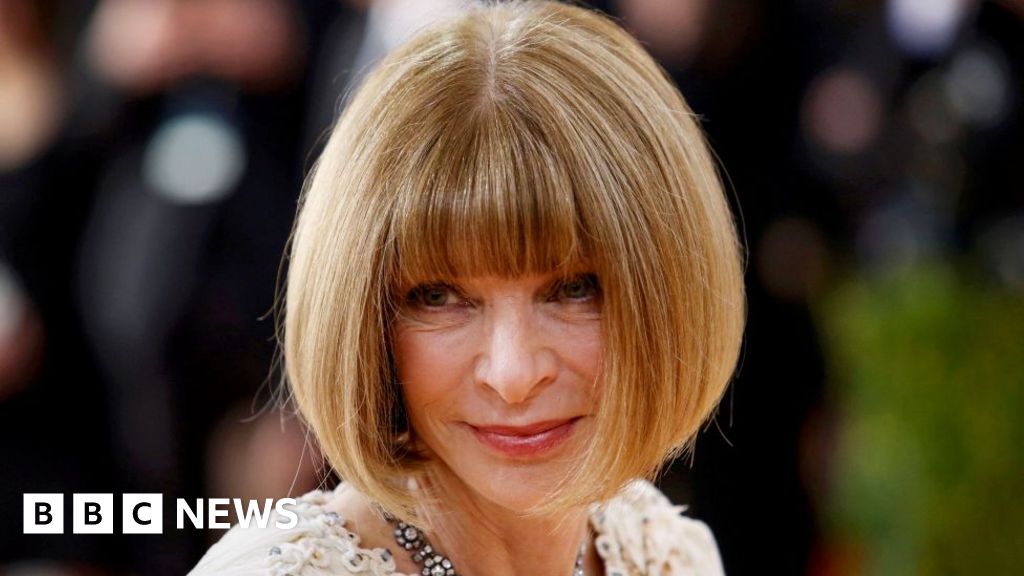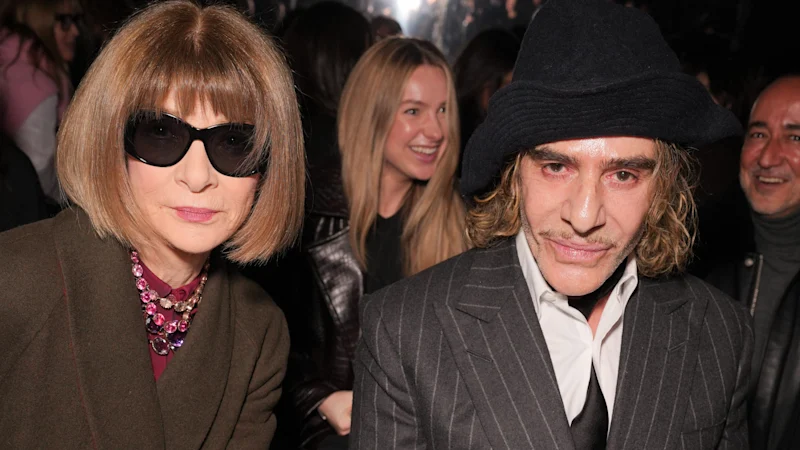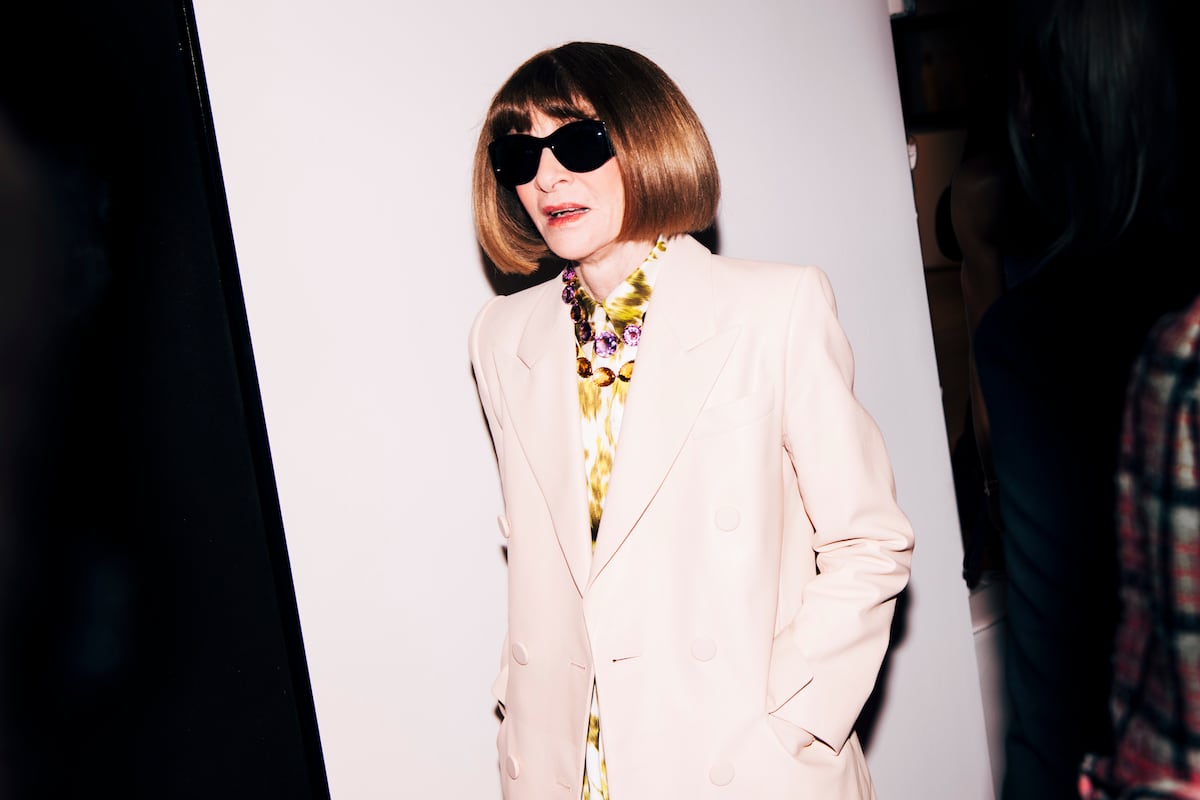
Despite popular discourse that “nobody reads fashion magazines any more”, Anna Wintour is an editor that everyone has heard of. To her acolytes, she’s not simply an editor, but a pop cultural icon; a woman who has spawned documentaries – The September Issue (2009), The First Monday in May (2016) – as well as bestselling novel The Devil Wears Prada, Lauren Weisberger’s account of being Wintour’s assistant that in 2006 was made into a hit film.
Its long-awaited sequel, released in April, placed her front and centre of the news cycle, cementing her reputation as an editor who didn’t merely curate stories, but was one. In May, this reached its apotheosis when she became the cover star of her own magazine, photographed alongside Meryl Streep, who plays her fictional alter ego in the film.
Wintour was installed as American Vogue’s editor-in-chief in 1988, and while she stepped down from that role in 2025, the move did nothing to diminish her power. She remains Vogue’s global editorial director, as well as global chief content officer of parent company Conde Nast. In the capricious world of fashion, her survival skills are as legendary as they are singular.
Shorts
Yet, for the first time in her career, Wintour has found herself at the white hot centre of a controversy that insiders are whispering she might not survive.