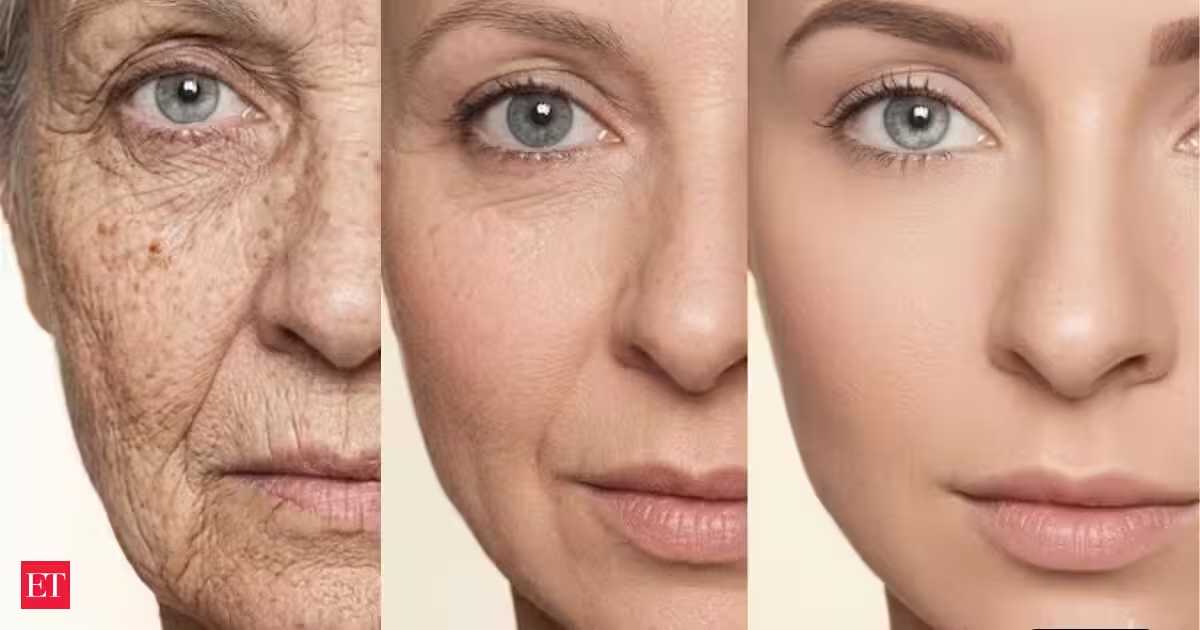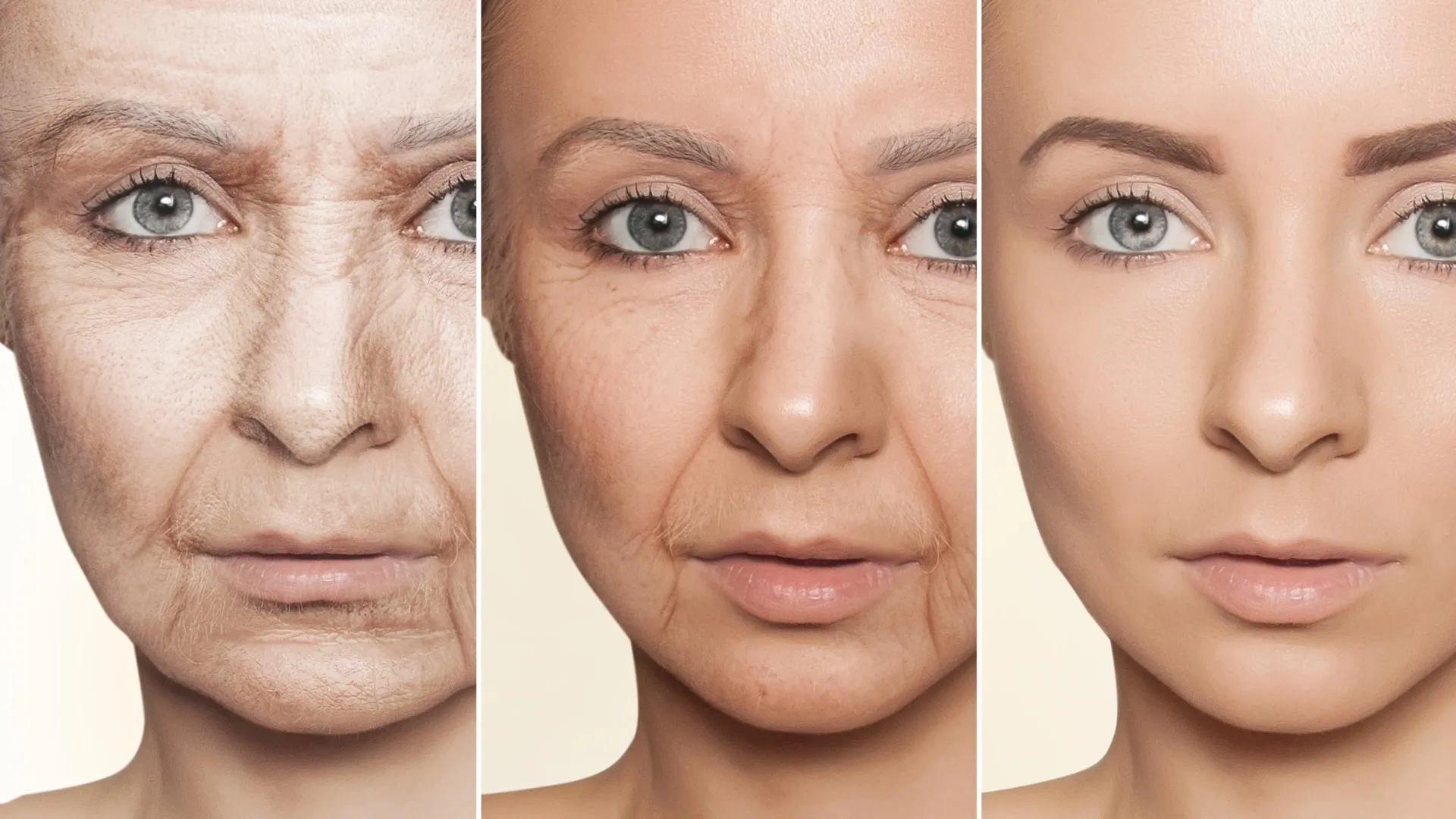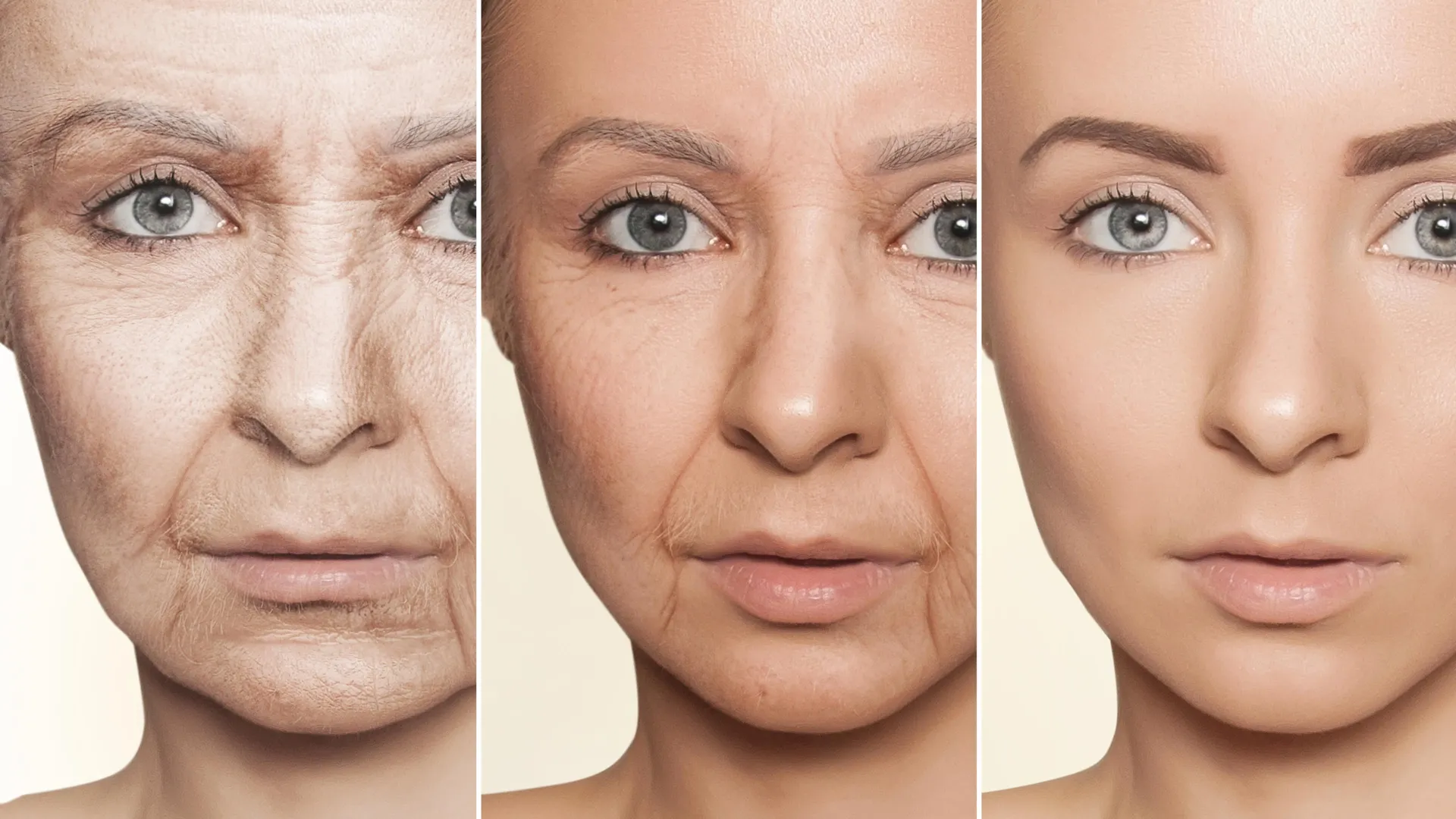
Aging often makes itself visible in familiar ways, from gray hair and wrinkles to lapses in memory. That has fueled a longstanding scientific question: Could some of those changes eventually be slowed, prevented, or even reversed?
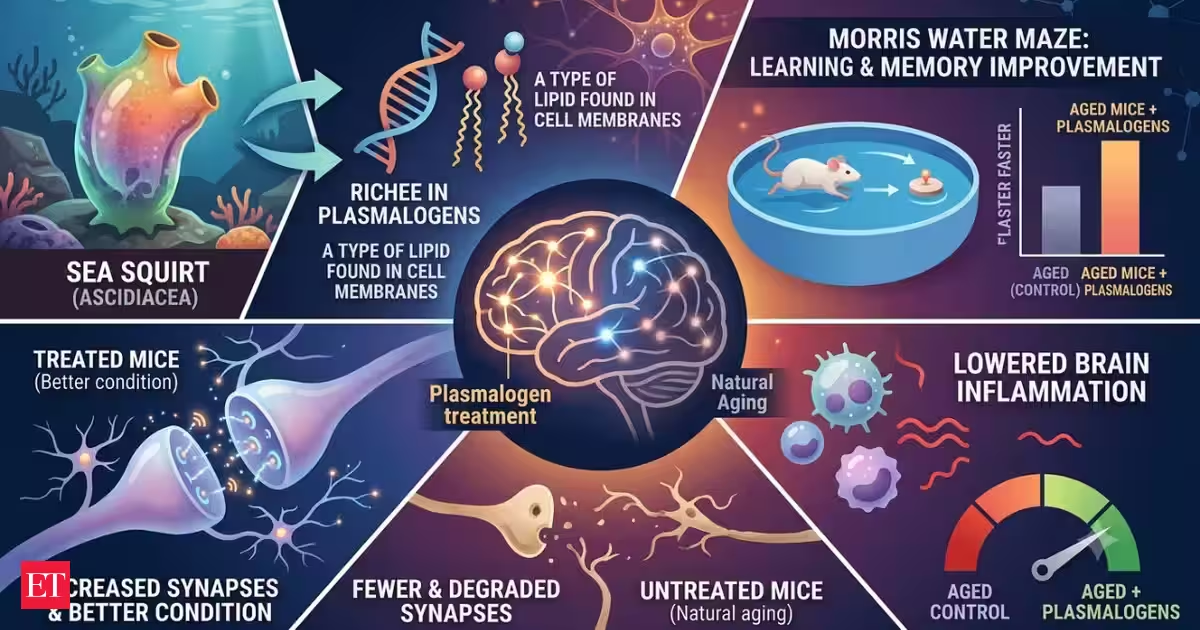
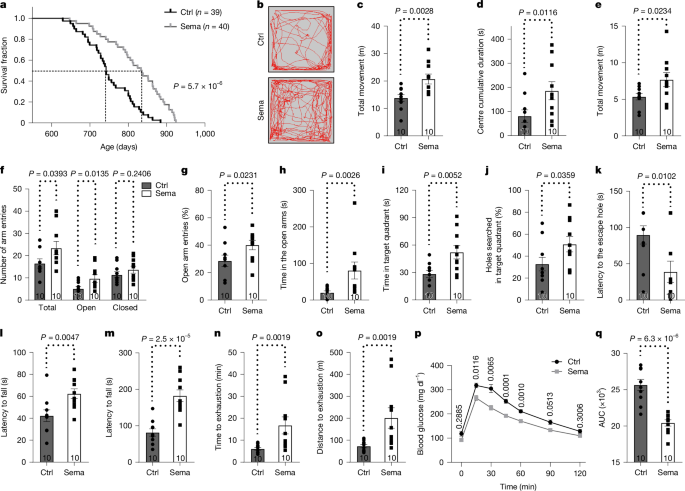
Research involving a group of scientists from Xi'an Jiaotong-Liverpool University, Stanford University, Shanghai Jiao Tong University, and the University of Chinese Academy of Sciences points to an intriguing possibility. In experiments with aged mice, researchers found that dietary supplements containing compounds associated with Ascidiacea, commonly known as sea squirts, reversed several signs linked to aging.
An Unusual Source of Anti-Aging Compounds
Sea squirts are marine animals that are eaten in parts of Asia, including Korea (where it is known as meongge, or 멍게) and Japan (hoya, or ホヤ). They can be eaten raw and contain high levels of compounds called plasmalogens.
Plasmalogens are a type of lipid, or fat molecule, that forms an important part of cell membranes. They occur naturally throughout the human body and are especially abundant in the brain, heart, and immune cells. Their levels tend to decline as people grow older.