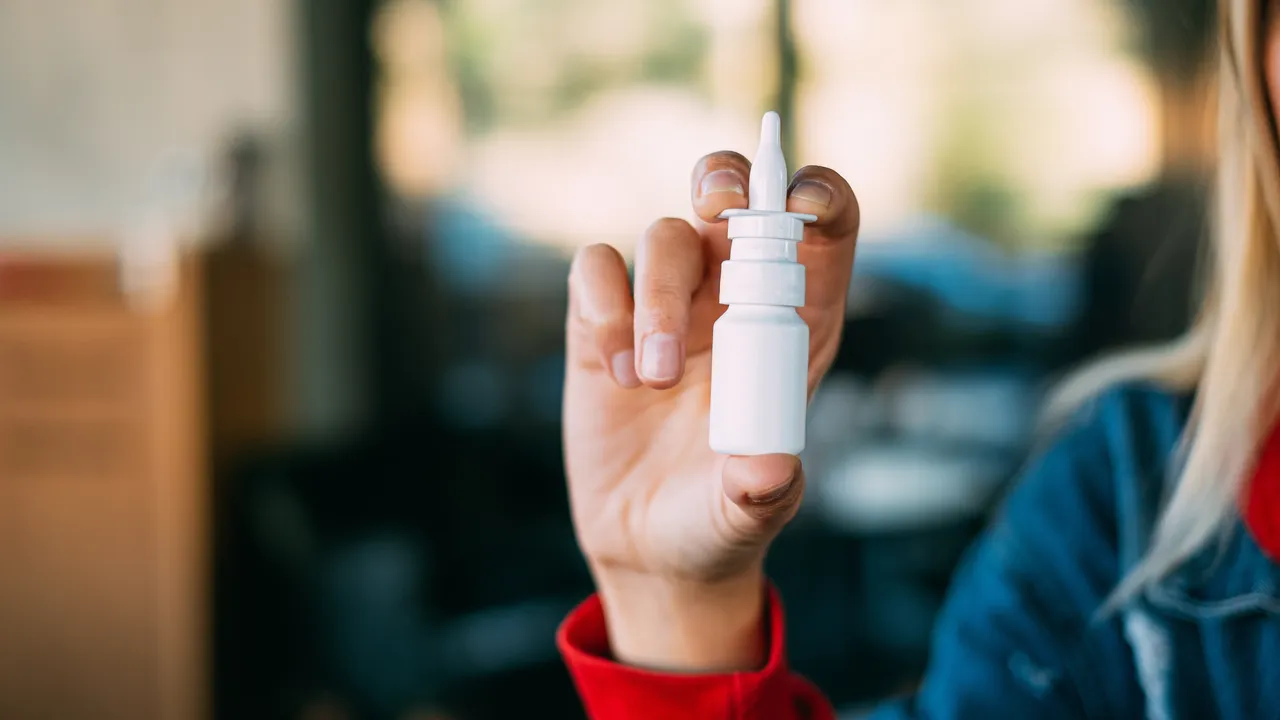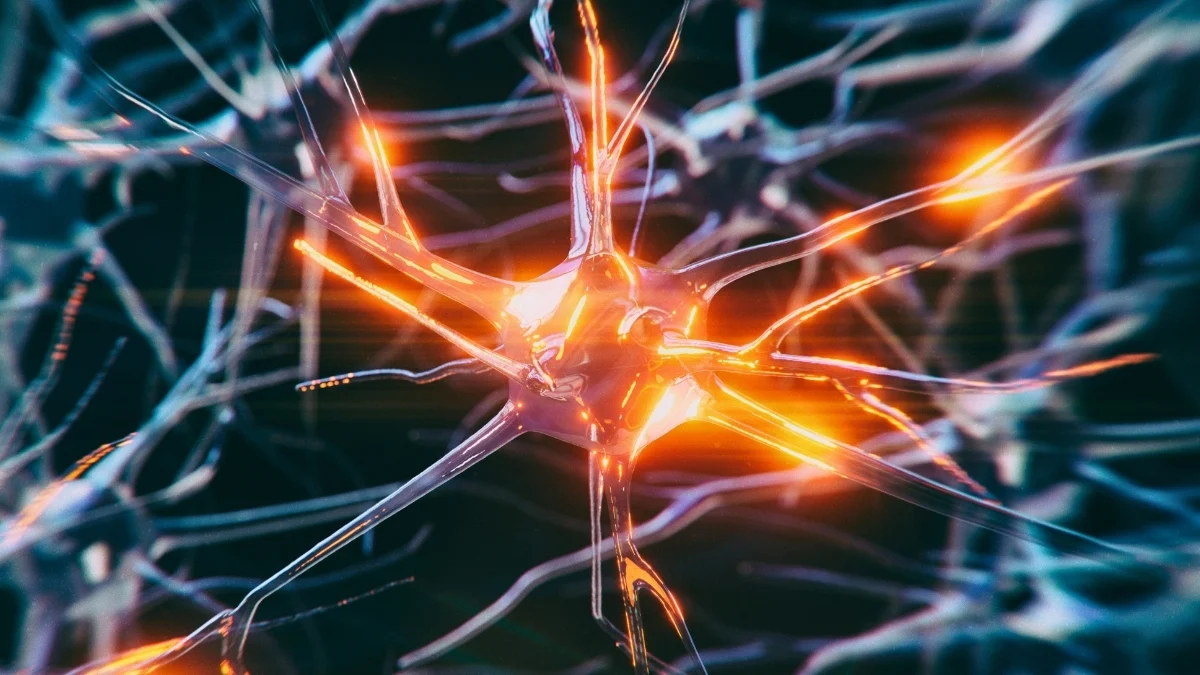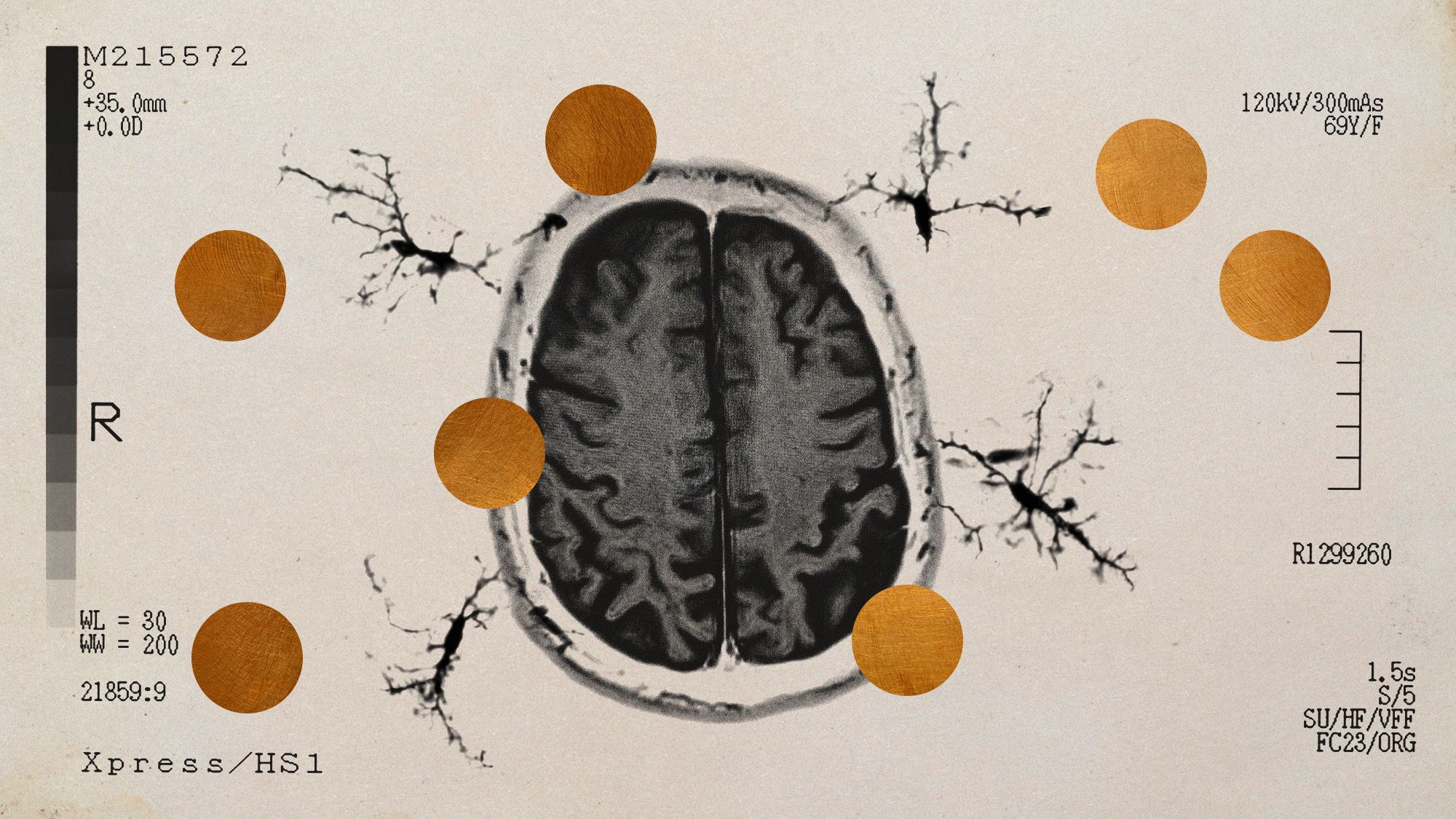
A new study from Texas A&M University is giving fresh hope to researchers searching for ways to slow, or even reverse, brain aging. Scientists say an experimental nasal spray helped restore memory, reduce inflammation, and improve brain function after only two doses.The findings are drawing attention because the treatment targets one of the biggest drivers of cognitive decline: chronic inflammation inside the brain. Researchers believe the approach could eventually open the door to future therapies for dementia, Alzheimer’s disease, and age-related memory loss.The study was published in the Journal of Extracellular Vesicles and focused on how aging brains might regain lost function through a noninvasive treatment delivered directly through the nose.For years, scientists have connected aging with a gradual decline in memory, focus, and cognitive function. One major reason is something researchers call “neuroinflammaging,” a long-term inflammatory process that slowly damages brain cells over time.Now, researchers at Texas A&M University believe they may have discovered a way to interrupt that process, as per a report by ScienceDaily.How Does The Nasal Spray Work?The experimental therapy uses tiny biological particles called extracellular vesicles, also known as EVs. These microscopic structures naturally move genetic material between cells inside the body.For the study, scientists filled the EVs with microRNAs, molecules that help regulate critical brain functions.“MicroRNAs act like master regulators,” senior research scientist Dr. Madhu Leelavathi Narayana explained. “They help modulate and regulate many gene and signaling pathways in the brain.”Instead of using surgery or injections, researchers delivered the treatment through a nasal spray. According to the team, this method allows the therapy to bypass the brain’s protective barrier and move directly into brain tissue, as per a report by ScienceDaily.“The mode of delivery is one of the most exciting aspects of our approach,” Dr. Maheedhar Kodali said. “Intranasal delivery allows us to reach, and treat, the brain directly without invasive procedures.”Once inside the brain, the treatment focused on immune systems linked to chronic inflammation, including the NLRP3 inflammasome and cGAS-STING signaling pathways.Why Is Brain Inflammation So Important?Scientists say chronic inflammation is one of the biggest contributors to cognitive decline and neurodegenerative diseases.In aging brains, inflammation can damage mitochondria — the tiny structures inside cells that produce energy. When mitochondria stop functioning properly, brain cells lose efficiency and become more vulnerable to memory problems and decline.Researchers found that the nasal spray appeared to restore mitochondrial activity and reduce oxidative stress.“We are giving neurons their spark back by reducing oxidative stress and reactivating the brain's mitochondria,” Narayana said.The improvements were not only visible at the cellular level. Behavioral testing showed treated models performed significantly better in memory and recognition tasks compared to untreated controls, as per a report by ScienceDaily.“We are seeing the brain's own repair systems switch on, healing inflammation and restoring itself,” Dr. Ashok Shetty said.Researchers also noted that the benefits appeared quickly and lasted for months after only two doses.Could This Change Dementia Treatment?The Texas A&M team believes the findings could eventually help shape future treatments for dementia, Alzheimer’s disease, and other age-related neurological conditions.“As we develop and scale this therapy, a simple, two-dose nasal spray could one day replace invasive, risky procedures or maybe even months of medication,” Shetty said.The study arrives as dementia rates continue rising worldwide. Researchers noted that annual dementia cases in the United States are expected to nearly double by 2060.“The trend signals a pressing need for policies and innovative interventions that can minimize both the risk and severity of neurodegenerative disorders like dementia,” Shetty said.Scientists also found that treatment responses were similar across both sexes, something researchers described as uncommon in many biomedical studies.“It’s universal,” Shetty said. “Treatment outcomes were consistent and similar across both sexes.”The research, supported by the National Institute on Aging, is still in its early stages, and additional studies will be needed before human testing can begin. Still, the findings offer a powerful possibility that brain aging may not always be permanent.“Our approach redefines what it means to grow old,” Shetty said. “We're aiming for successful brain aging: keeping people engaged, alert and connected. Not just living longer, but living smarter and healthier.”FAQsWhat does the nasal spray target?It targets chronic brain inflammation linked to aging and memory decline.How was the treatment delivered?Researchers used an intranasal spray to send the therapy directly into the brain.
Scientists say this simple thing may reverse brain aging and restore memory in weeks
Scientists have developed an experimental nasal spray that shows promise in reversing brain aging. This treatment targets chronic inflammation, a key factor in cognitive decline. Early studies indicate it can restore memory and improve brain function after just two doses. Researchers believe this could lead to new therapies for dementia and Alzheimer's disease, offering hope for healthier aging.
712 words~3 min read