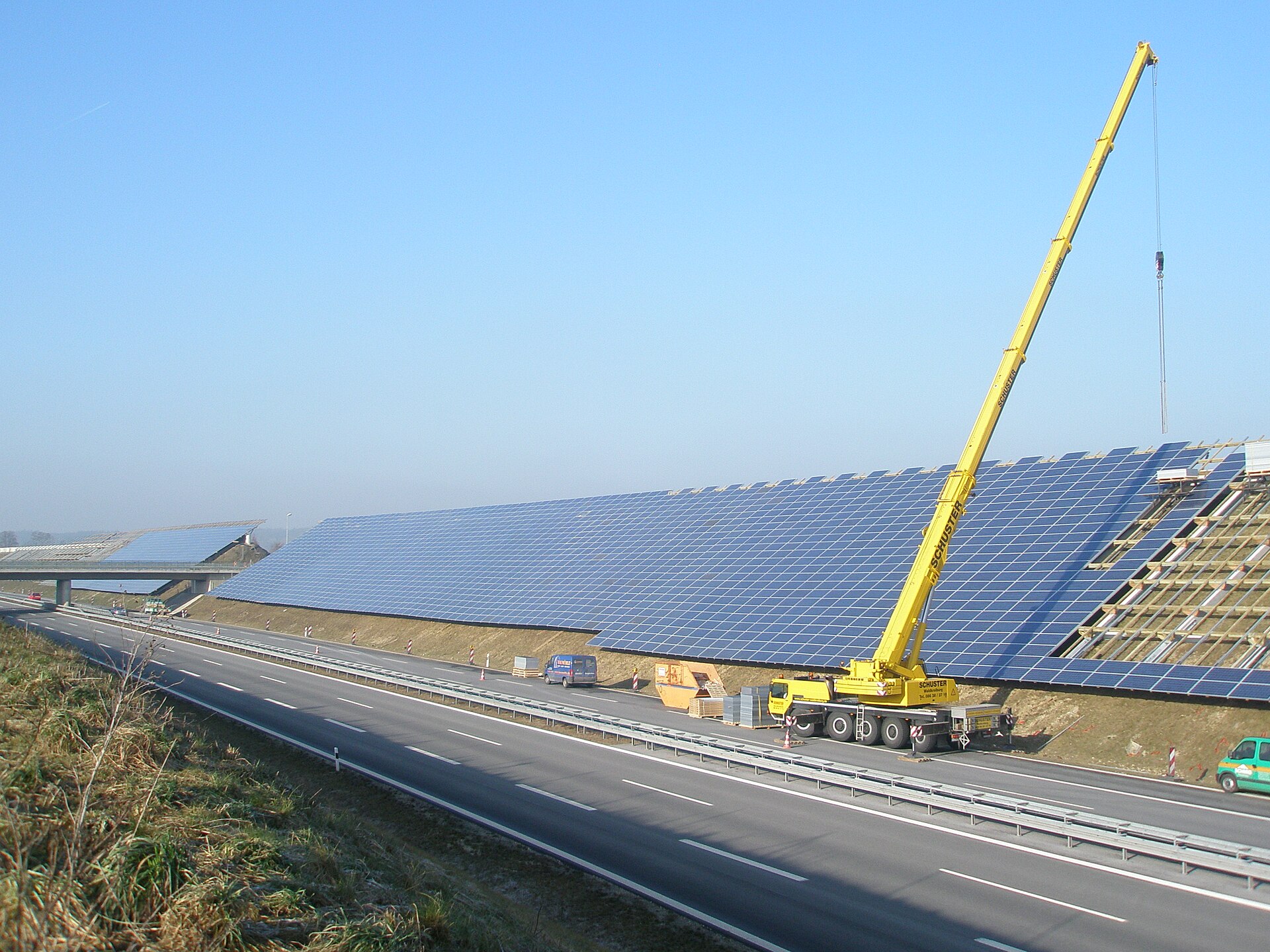
Circular economy models encourage the extension of the lifecycle of both wind turbines and solar PV modules and the IEC is planning the appropriate standards.
Clusters of wind turbines and roofs covered with solar photovoltaic (PV) panels have become as familiar to most of us as electricity lines and poles. And it almost goes without saying how essential these installations are: solar and wind energy are fundamental in helping countries around the world achieve net zero emission targets.
But there is an environmental paradox which sits at the heart of our requirement for these renewables: when the equipment used to generate the energy reaches the end of its life, it becomes electronic waste (e-waste), unless it can be reused in other forms or for another purpose or its materials recycled. According to most experts working in the field, wind turbines have a lifespan of between 20 and 30 years. That means that there is a generation of wind turbines – a massive number of which were installed in the early 2000s – about to reach the end of its life. As IEC wind energy expert Alistair Mackinnon puts it in a previous e-tech interview, “Wind has become a mature and multi-billion industry, which is having to meet new challenges. One of them is the lifecycle of wind turbines.”