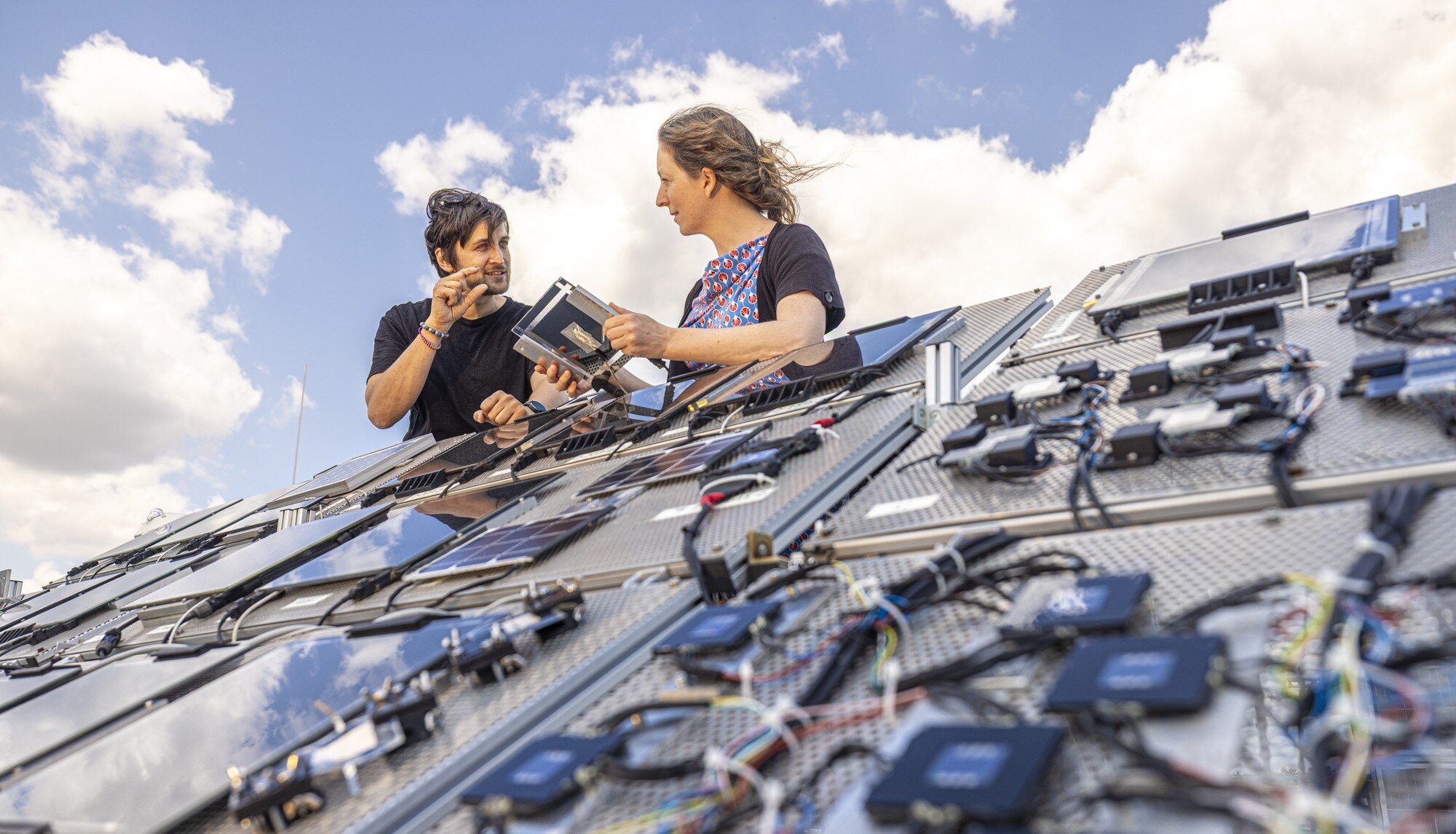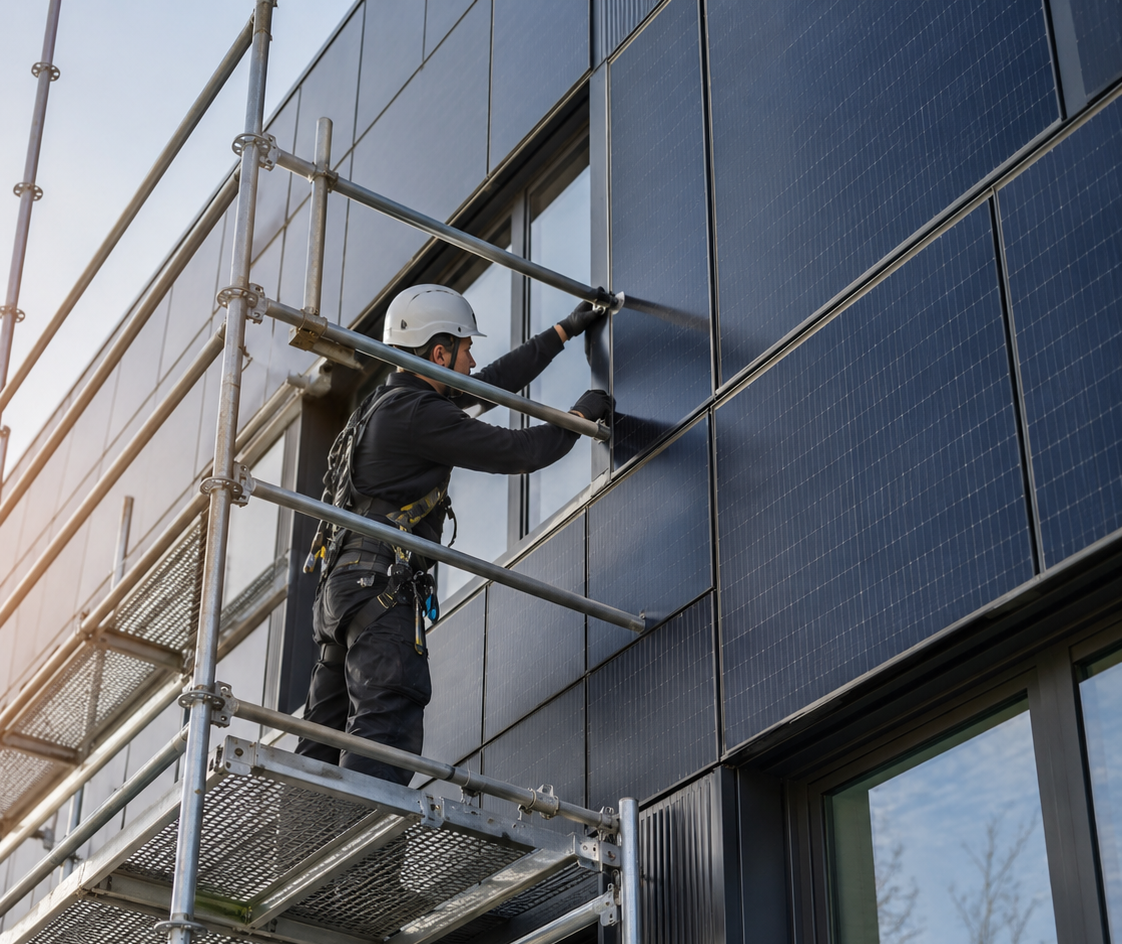
Across Europe, the first and second generations of building-integrated photovoltaic (BIPV) systems are now reaching ages where maintenance, refurbishment and component replacement are becoming unavoidable operational questions. At the same time, European policy discussions around circularity and resource efficiency are spotlighting long-term system serviceability. Within several ongoing European research projects, including SPHINX and EVERPV, investigations are underway to better understand the technical, economic and regulatory barriers that currently limit repair and recycling pathways for building-integrated photovoltaics.
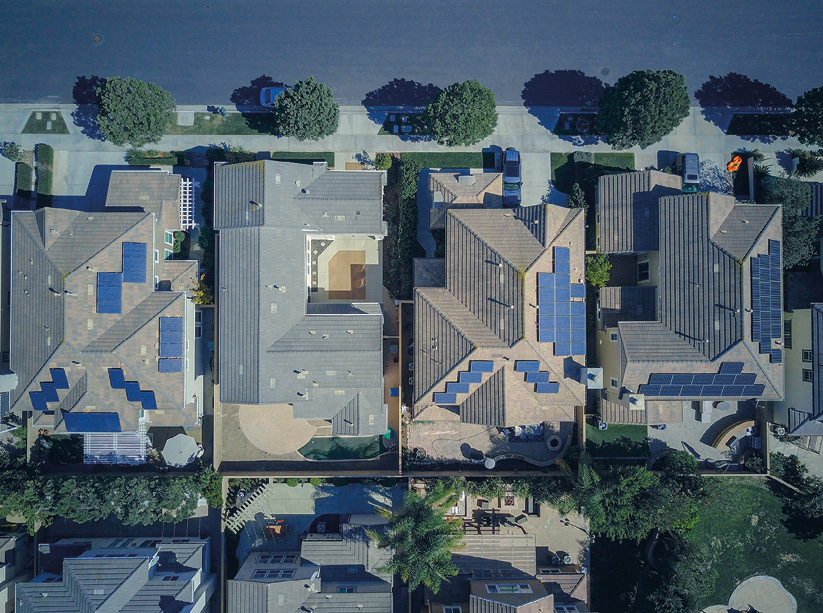
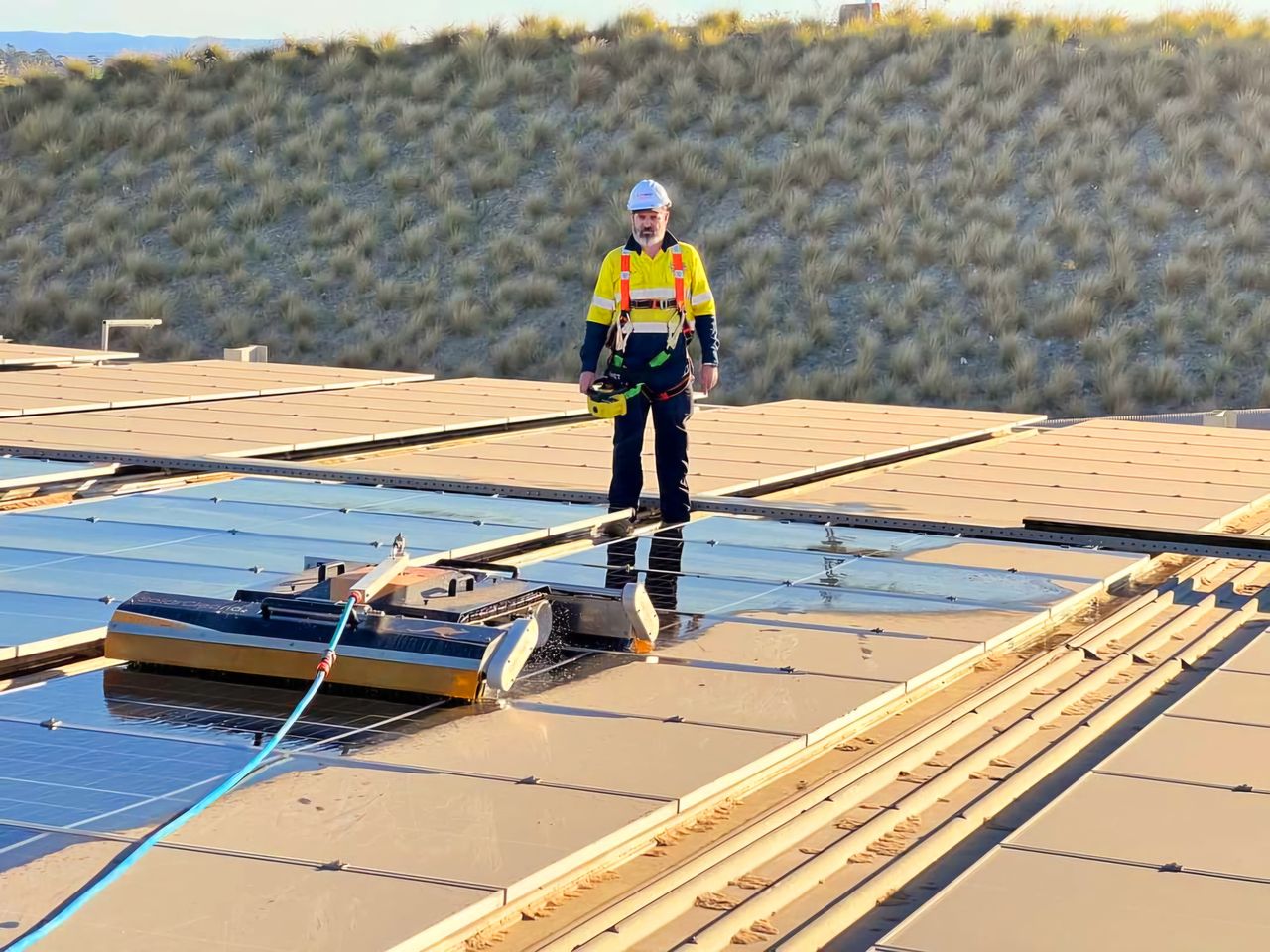
In Europe, BIPV using building-integrated PV products such as tiles, shingles, and ventilated facades has been a small but steadily growing segment of the PV market since the early 2000’s. Even if the basic category of products has not fundamentally widened over the past 20 years there have been considerable improvements in technical features and performance, ease of integration and market uptake. First-generation systems with roof mounted BIPV products are approaching the end of their theoretical design life of 20 or 30 years, and larger volumes will enter phases that require curative maintenance in the coming years. Whilst maintenance requirements are more likely to originate from components other than the module or laminate itself, such as cables, junction boxes, and watertightness, the combination of form-factor constraints and specialised support and integration structures means that repair is a distinct challenge.