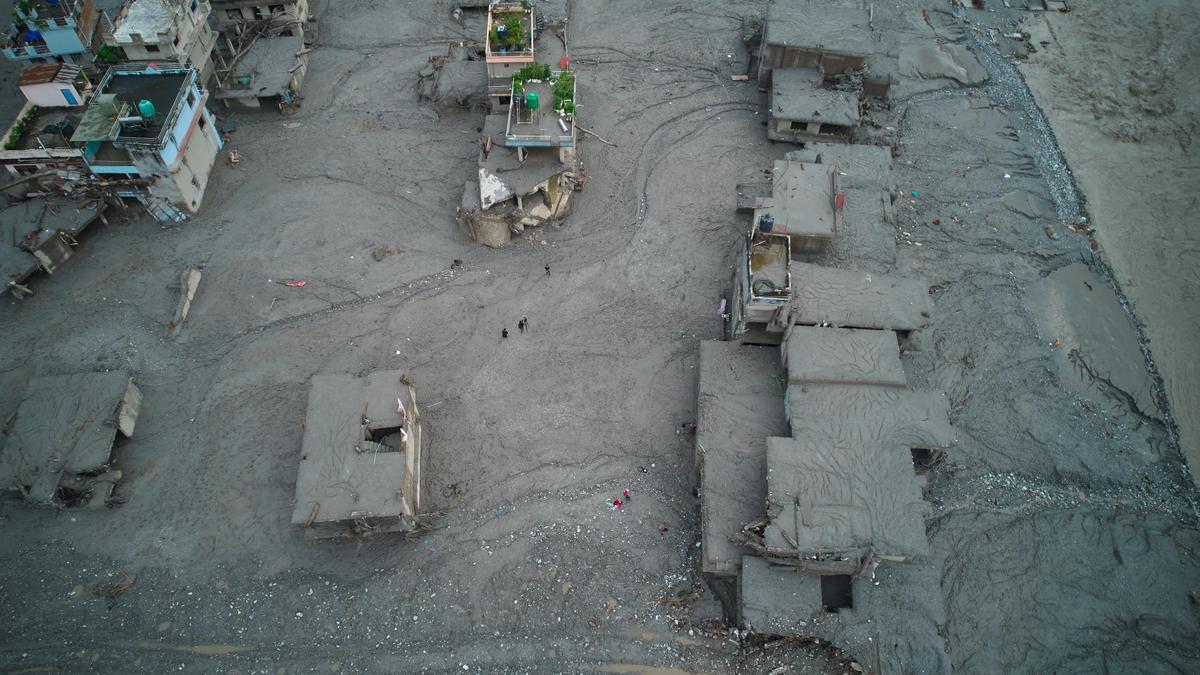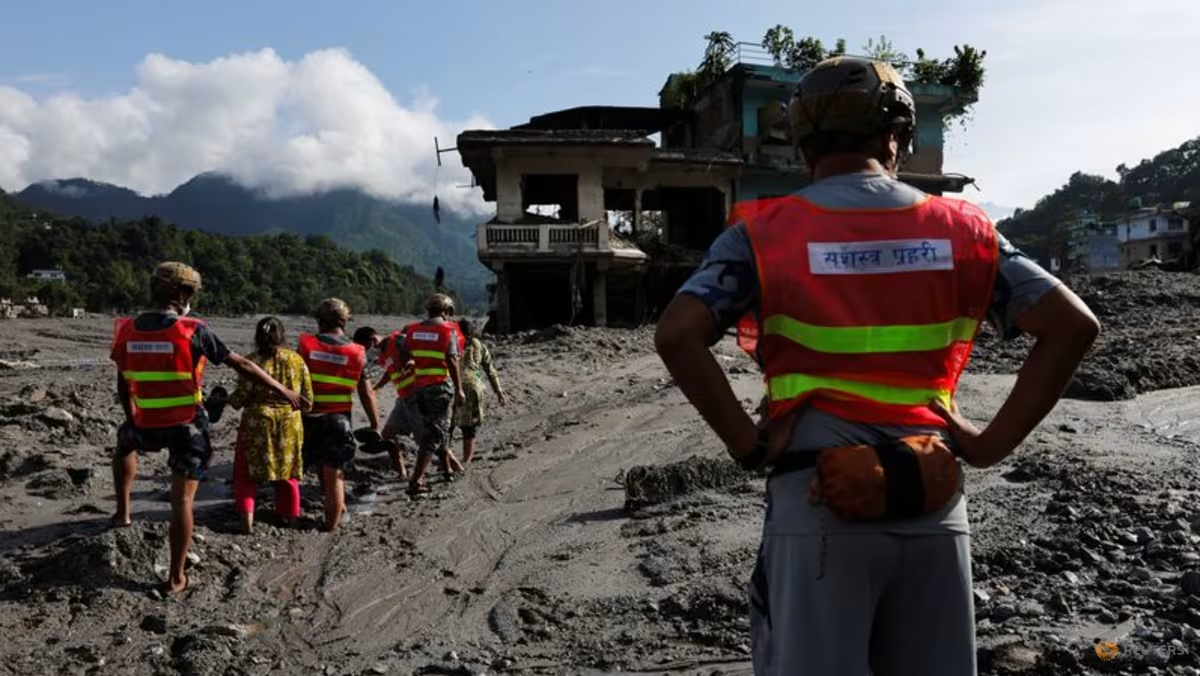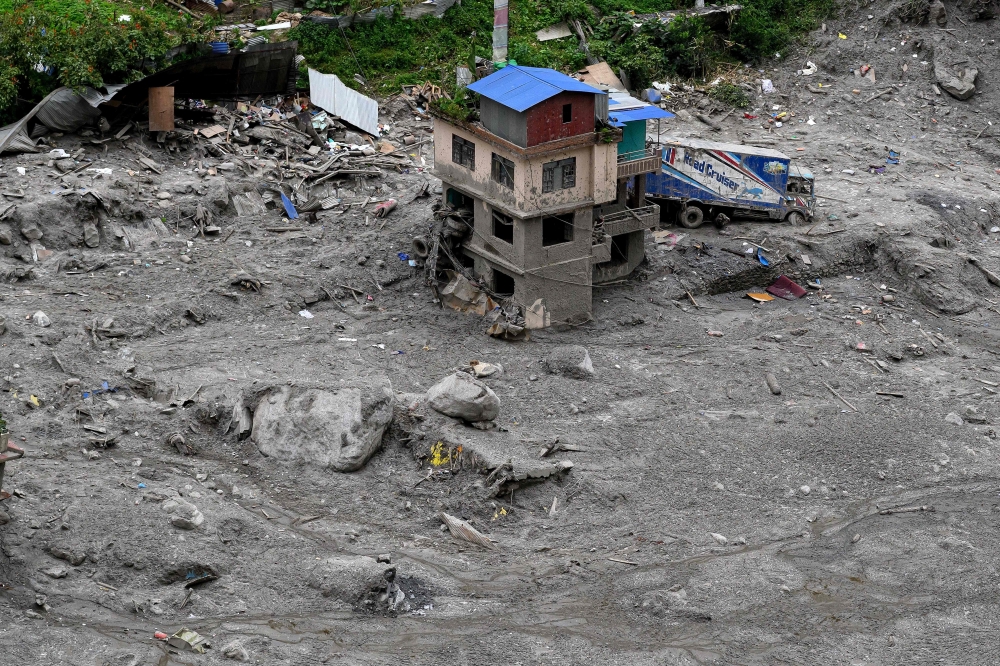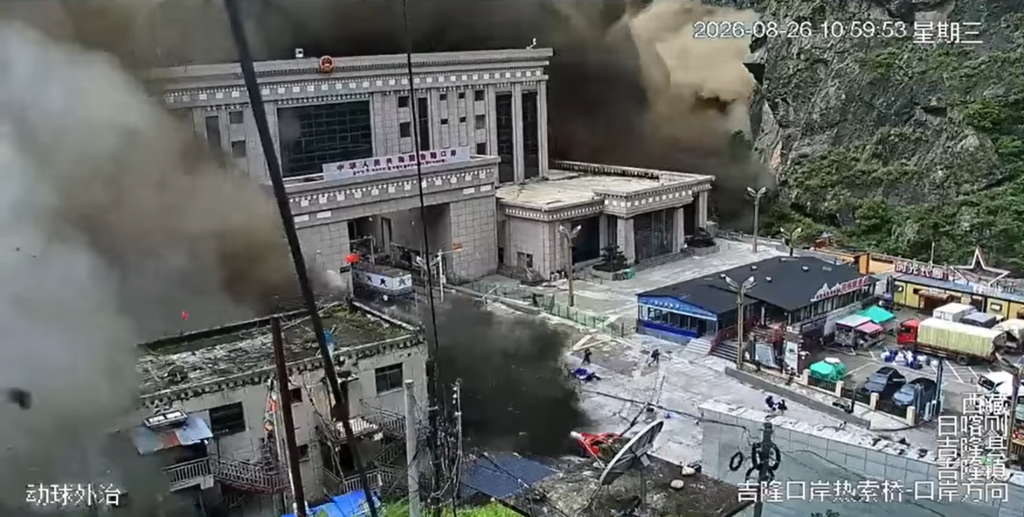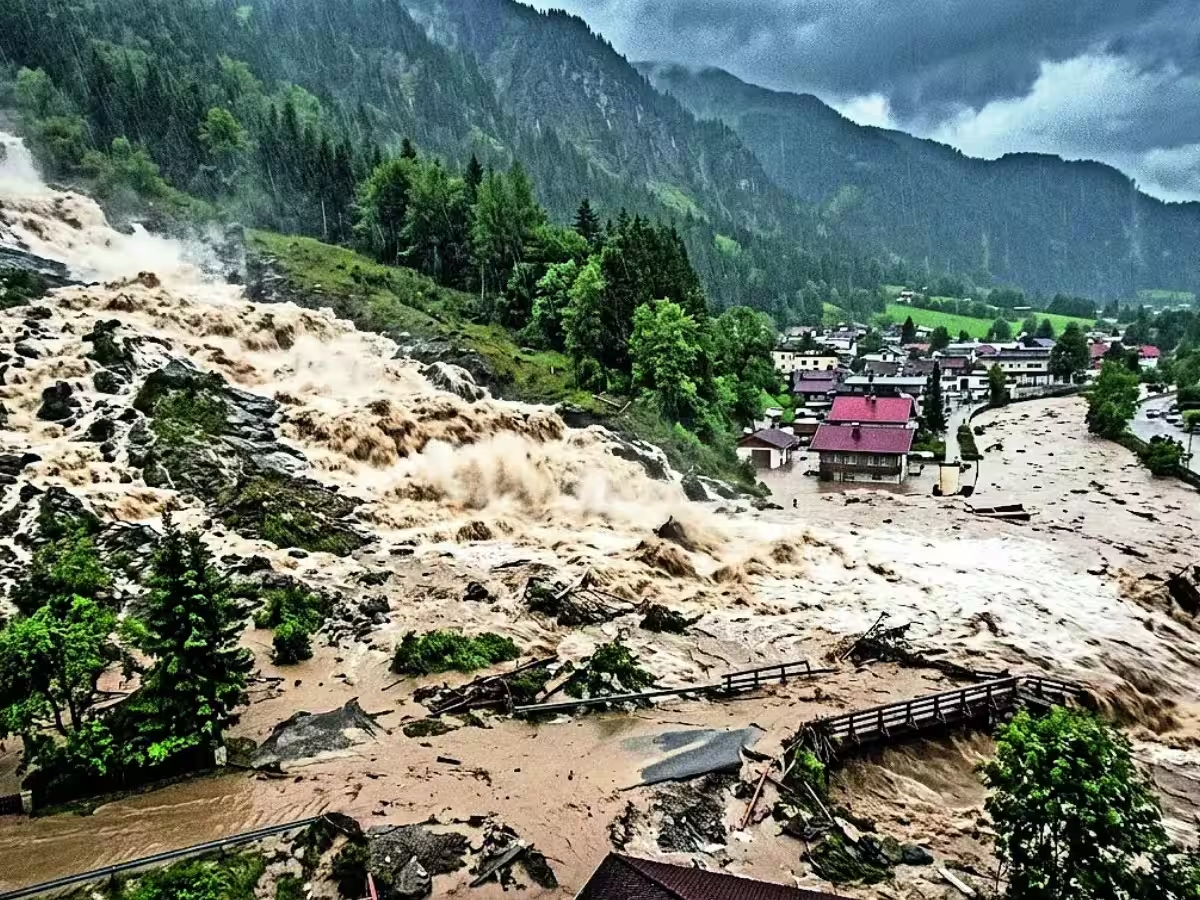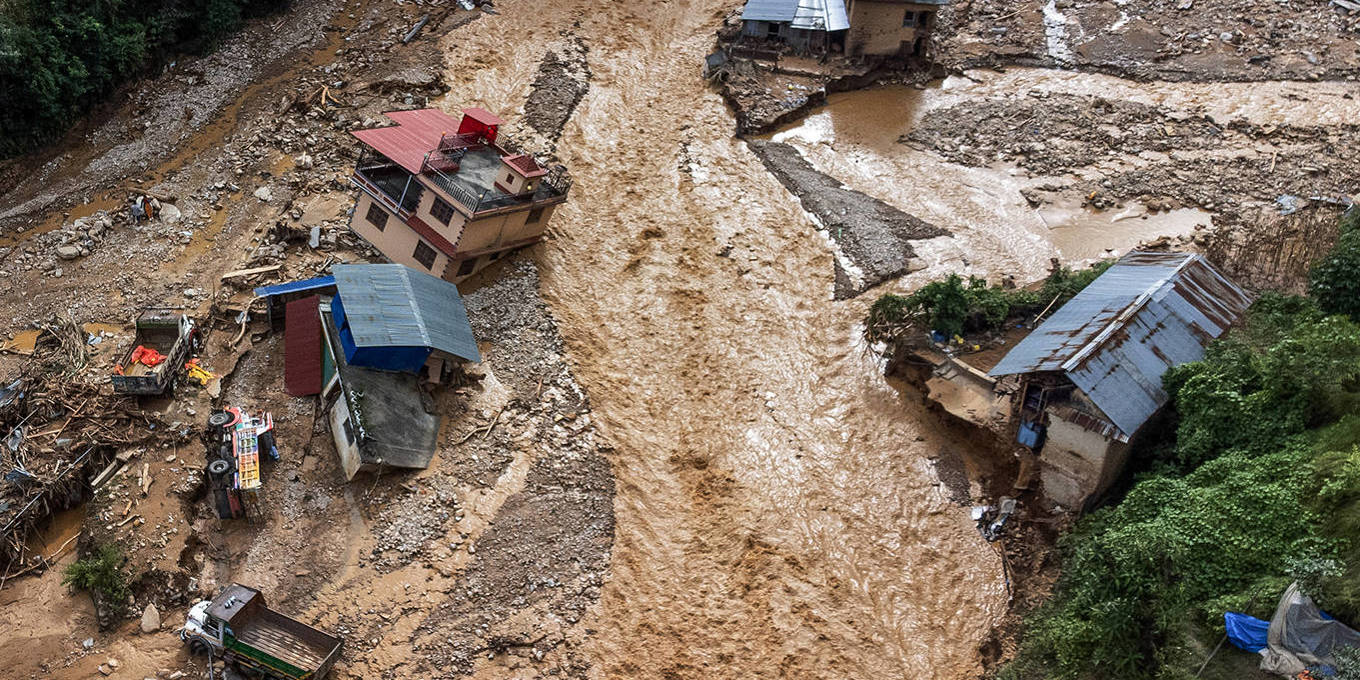
The dangerous flooding in Nepal and Tibet has demonstrated, once again, the need for prearranged disaster-risk financing to prepare for the economic chain reactions triggered by natural disasters. Asia’s policymakers must act now to help cash-strapped Nepal and strengthen other countries’ resilience before the next crisis hits.
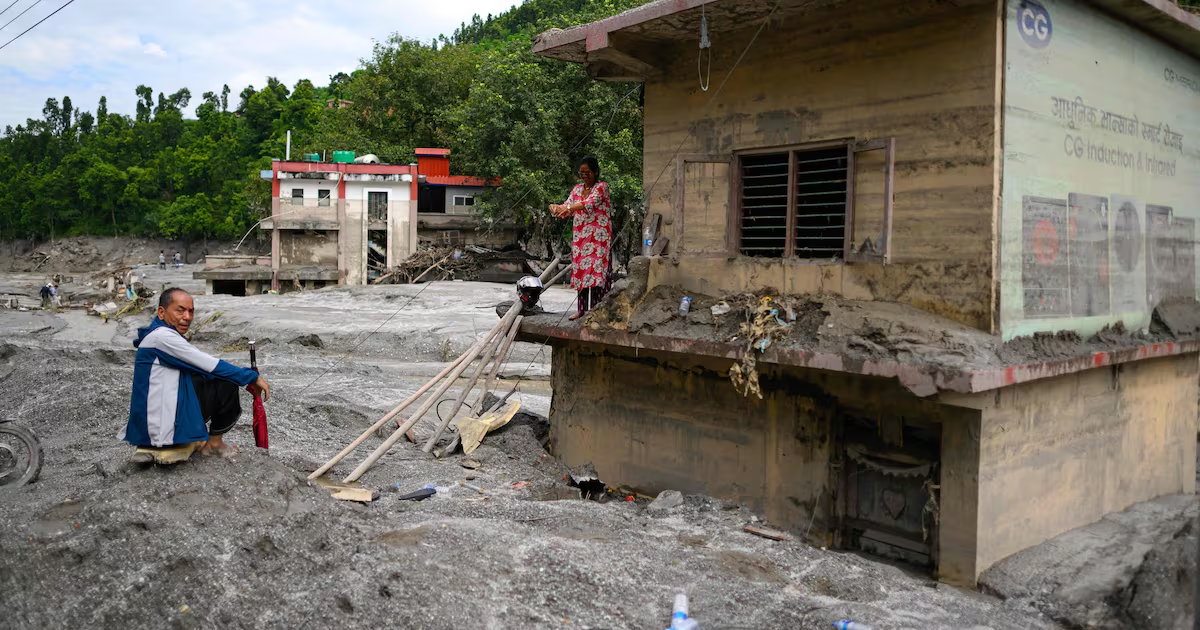
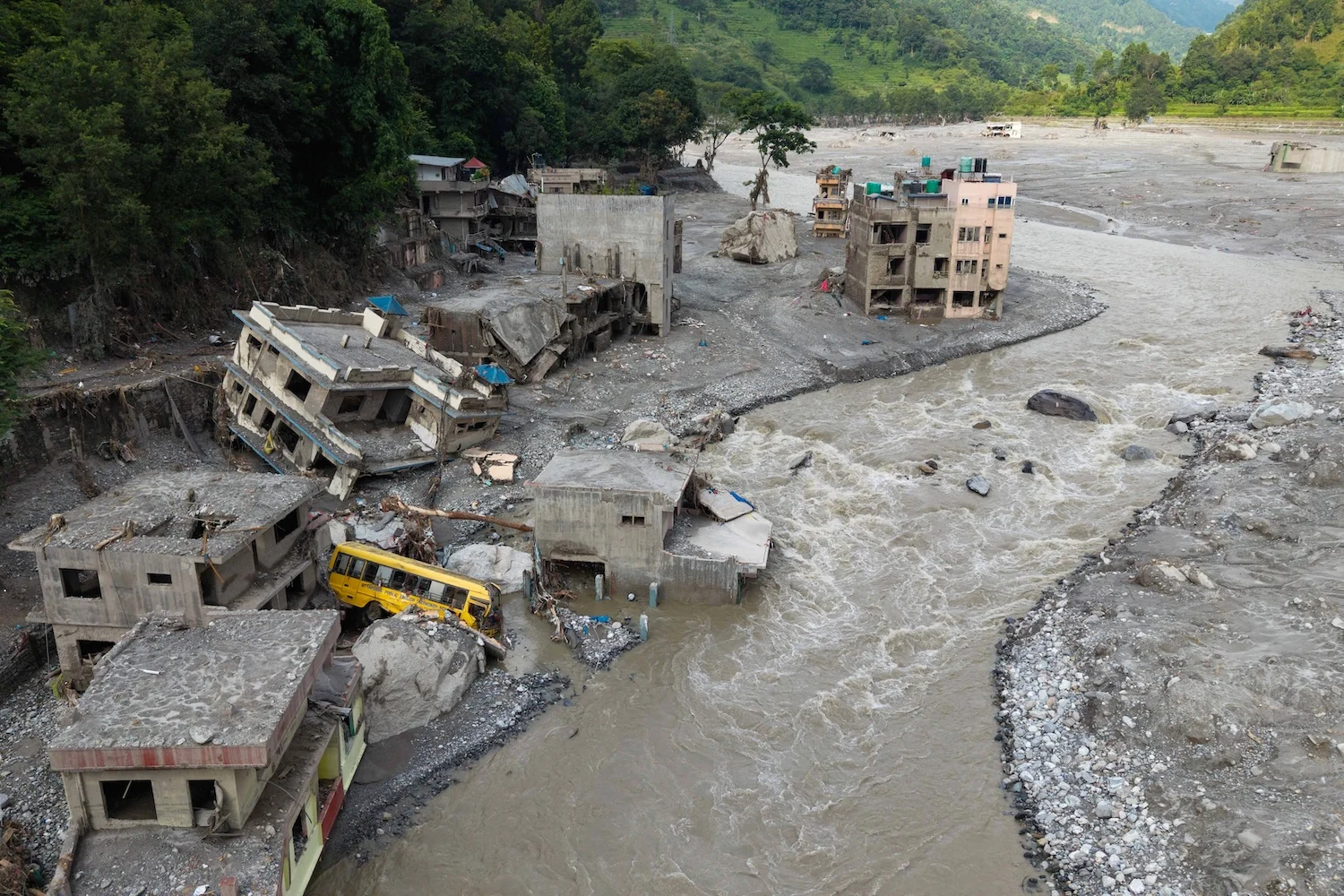
SINGAPORE—The catastrophic flooding in Nepal has demonstrated, once again, the devastating human and economic toll of climate change. The immediate priority must be to save lives and support affected communities. But the devastation also highlights how physical hazards can quickly morph into macroeconomic shocks.
These events have different causes, and no single disaster should be casually attributed to El Niño or climate change. Nonetheless, the World Meteorological Organization expects a strong El Niño to intensify from August through October, increasing the likelihood of above-normal temperatures in much of the world and major shifts in rainfall. In Southeast Asia, El Niño often brings drier conditions and raises the risk of drought, wildfires, and haze, although its effects vary across countries and seasons.
For policymakers, the imperative is to prepare for the economic chain reactions triggered by extreme weather events. Droughts, floods, and heat waves damage crops and infrastructure. In countries with inadequate food stocks, weak logistics, and concentrated import sources, lower production can lead to shortages, higher prices, and declining household purchasing power. Governments face pressure to subsidize prices or facilitate emergency imports, while central banks confront the difficult combination of supply-driven inflation and weaker demand.