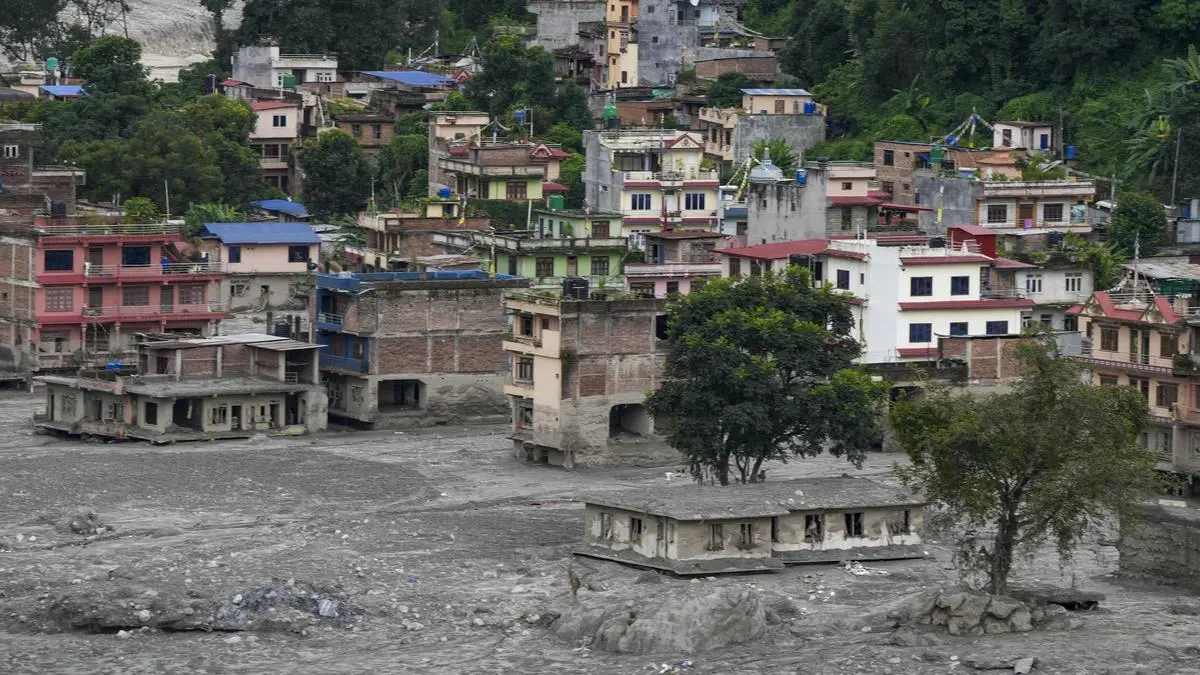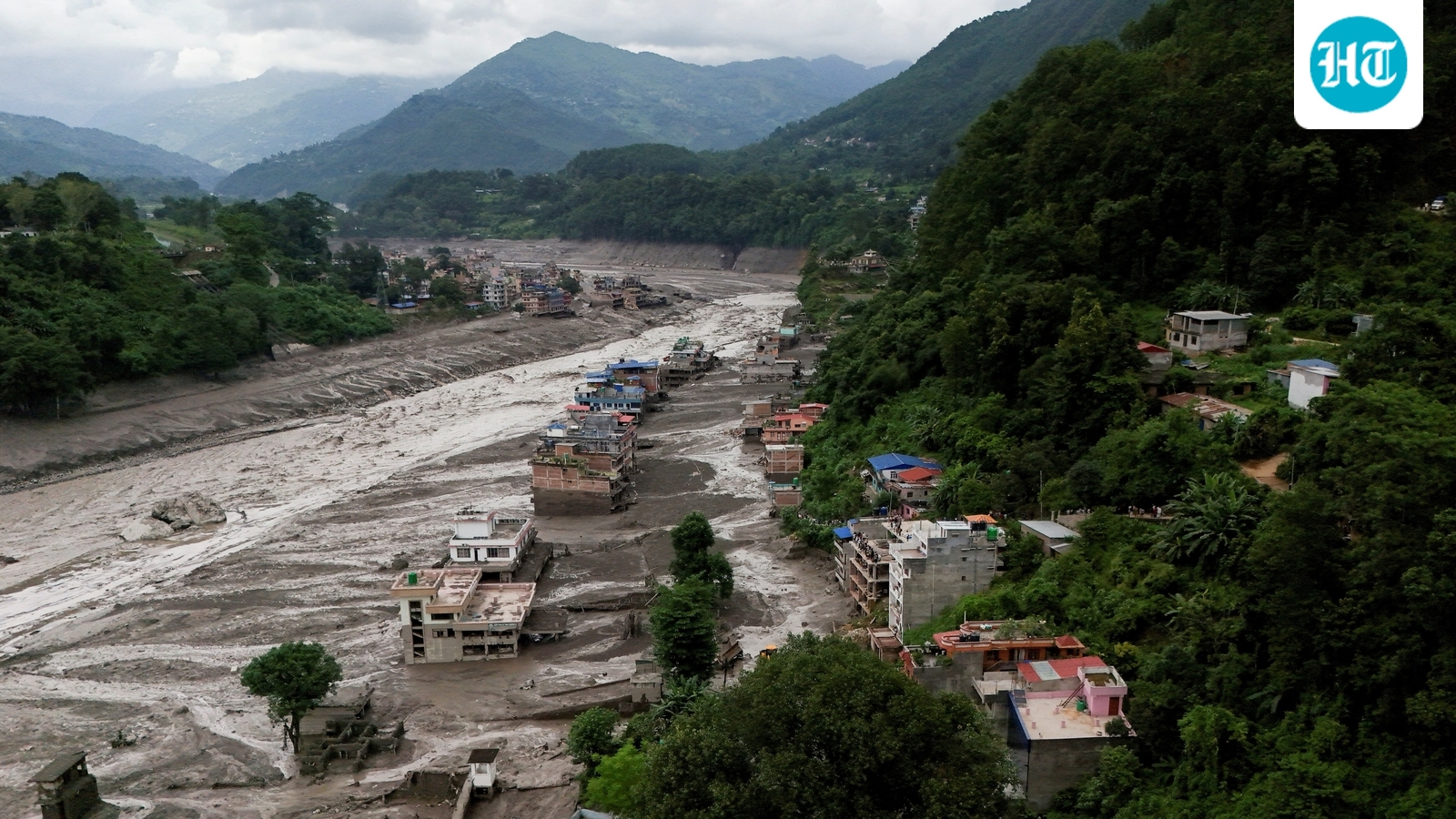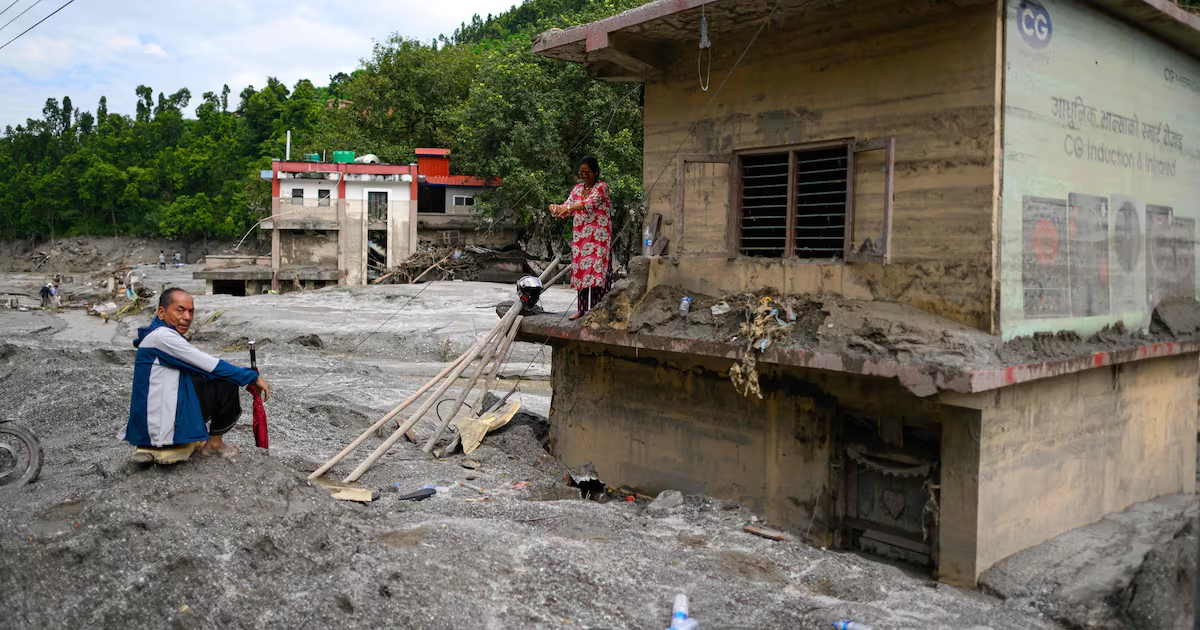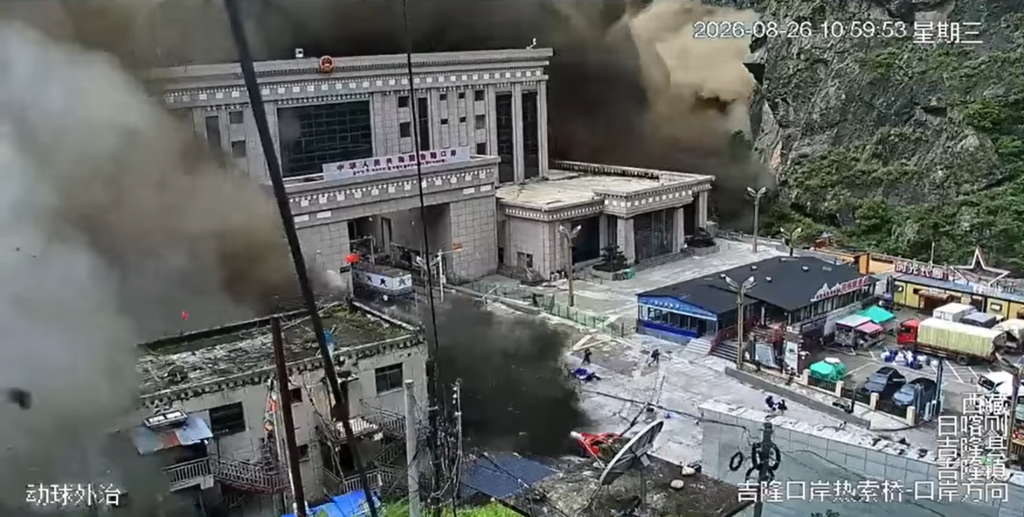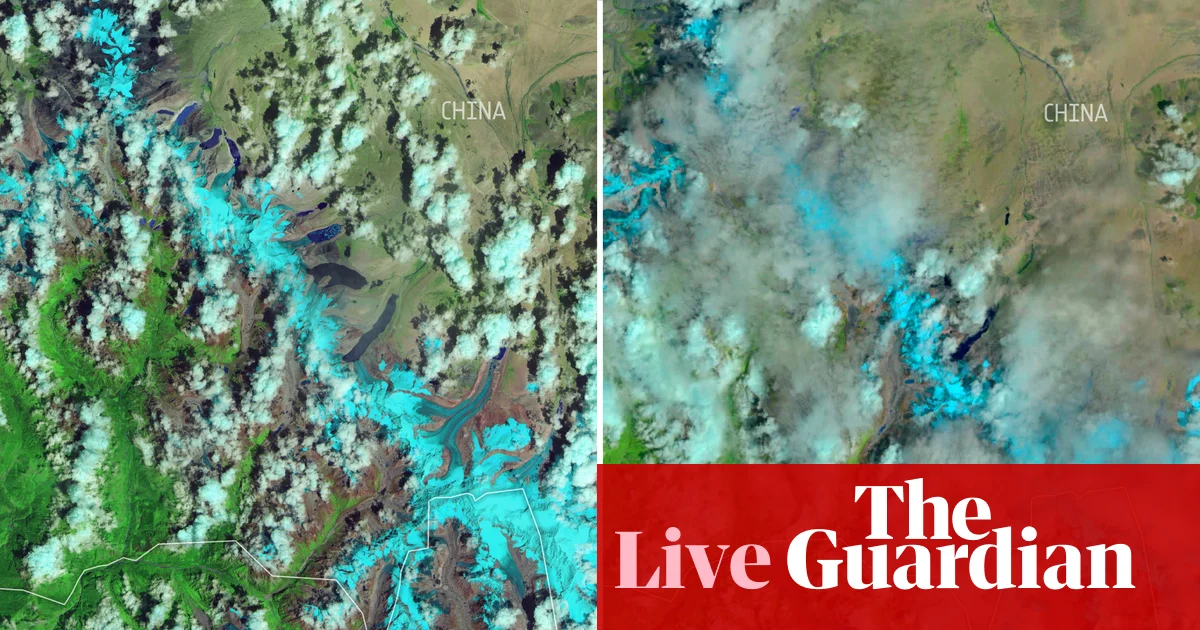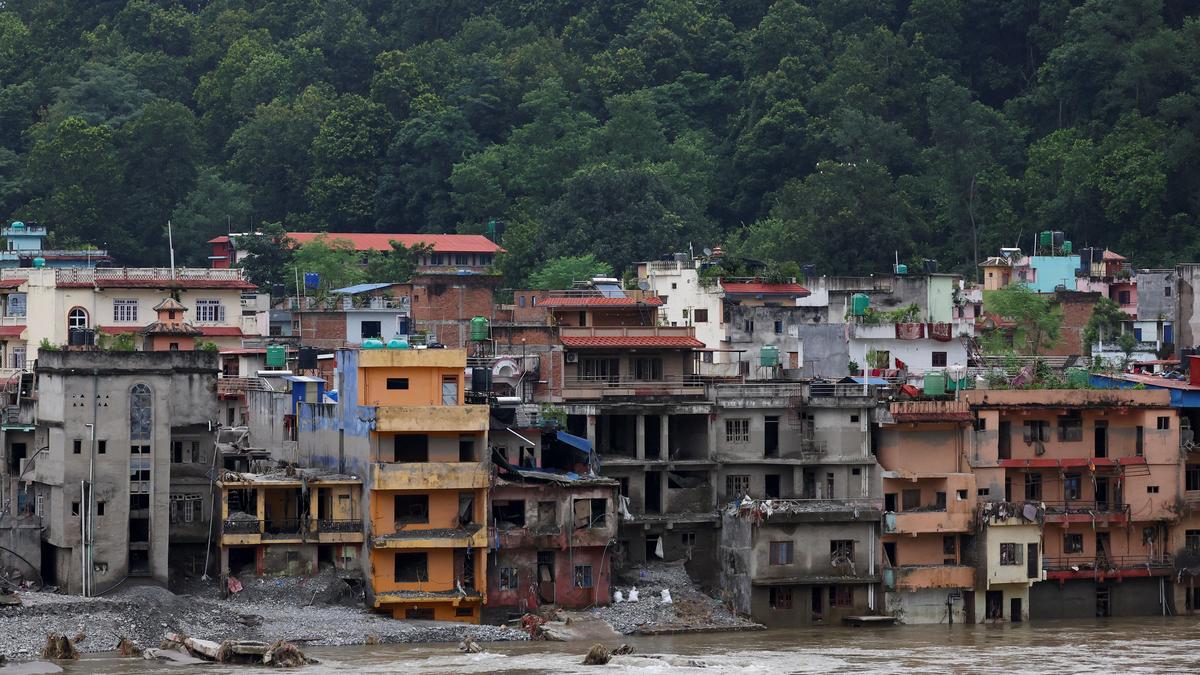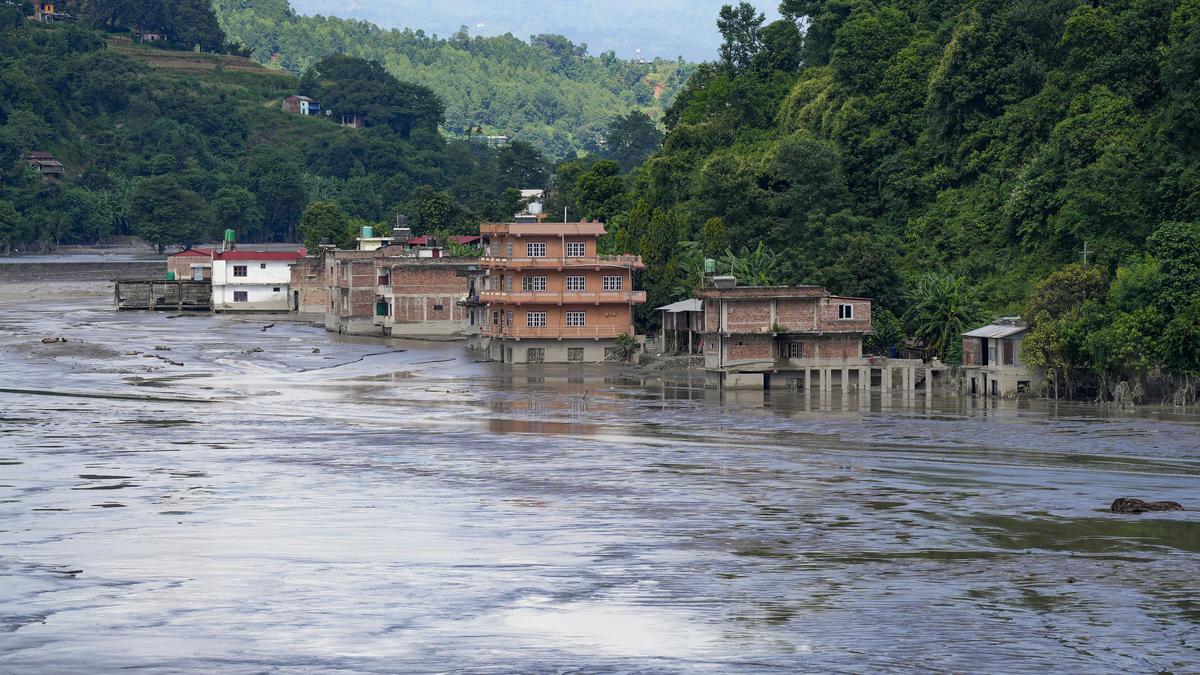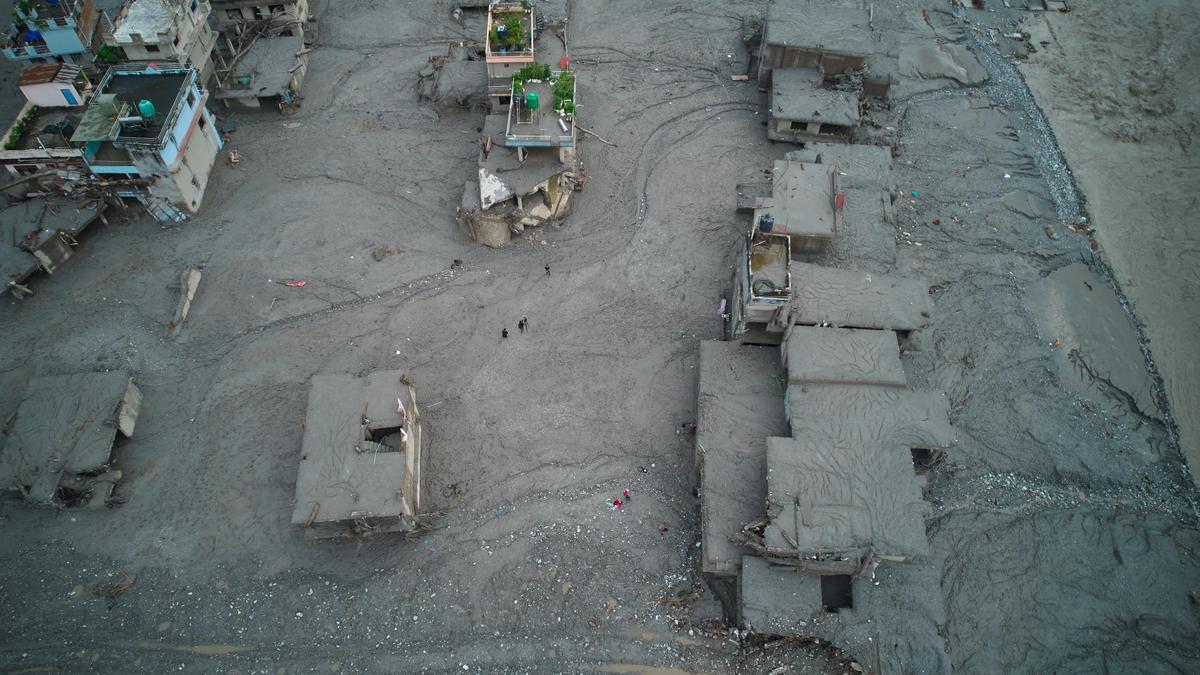
A regional data-sharing mechanism is urgently needed to manage the escalating risks of glacial outbursts in the Himalayas, says Safi Ahsan Rizvi, an expert risk analyst, former adviser to the National Disaster Management Authority (NDMA), and a retired Indian Police Service (IPS) officer with extensive experience in disaster management and risk reduction. He argues that governments must treat such cooperation as a shared public good rather than a diplomatic favour.In an interview, Mr Rizvi said a rock-ice avalanche clearly triggered the recent devastating floods in Nepal, though the sheer volume of water involved remains a subject of scientific investigation. He warned that climate change is accelerating glacial melt, expanding high-risk glacial lakes and increasing the frequency of extreme weather events across the Himalayas. Stressing the need for stronger early-warning systems and regional cooperation, he called for real-time information-sharing between neighbouring countries to improve preparedness and reduce disaster risks.Edited excerpts:
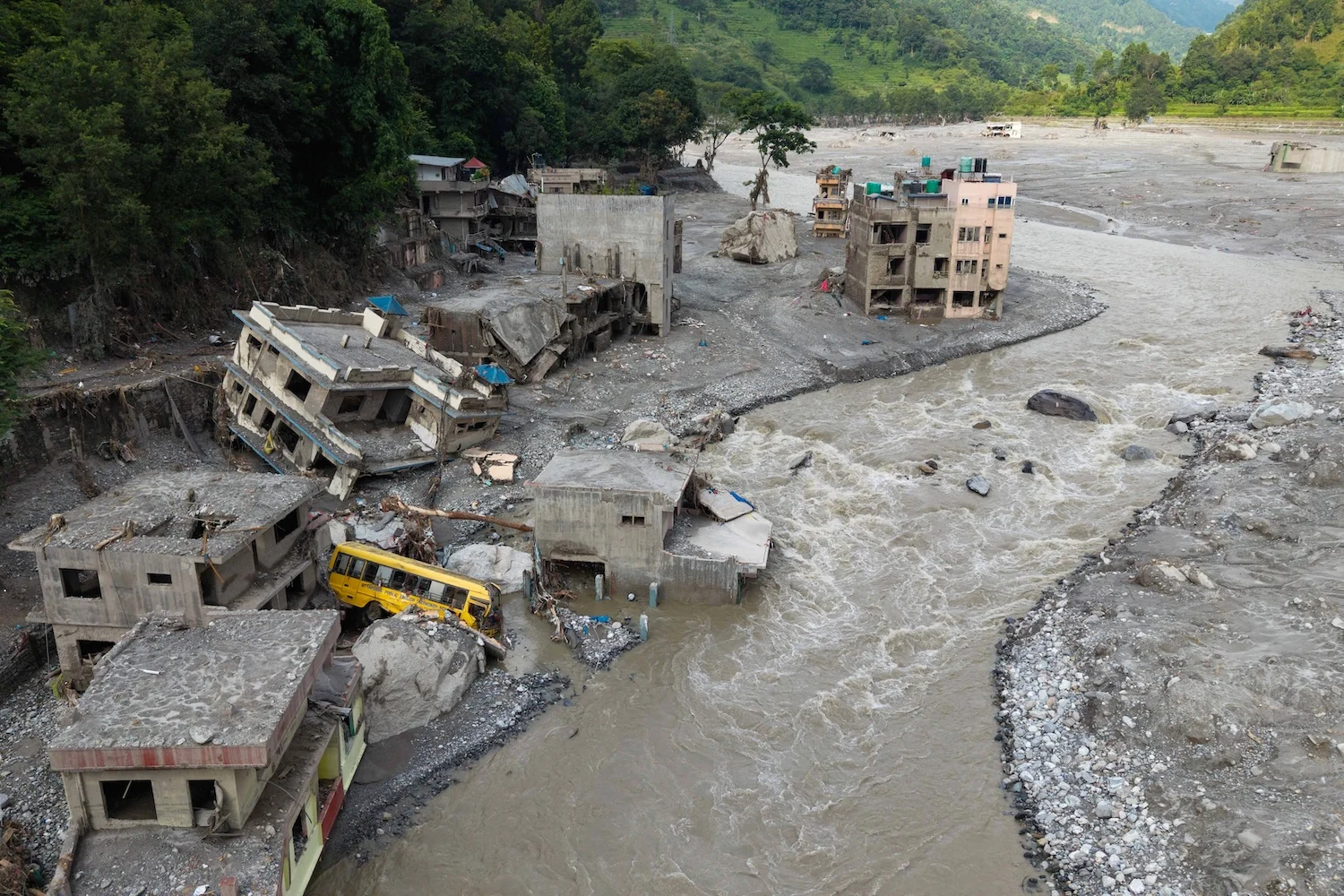
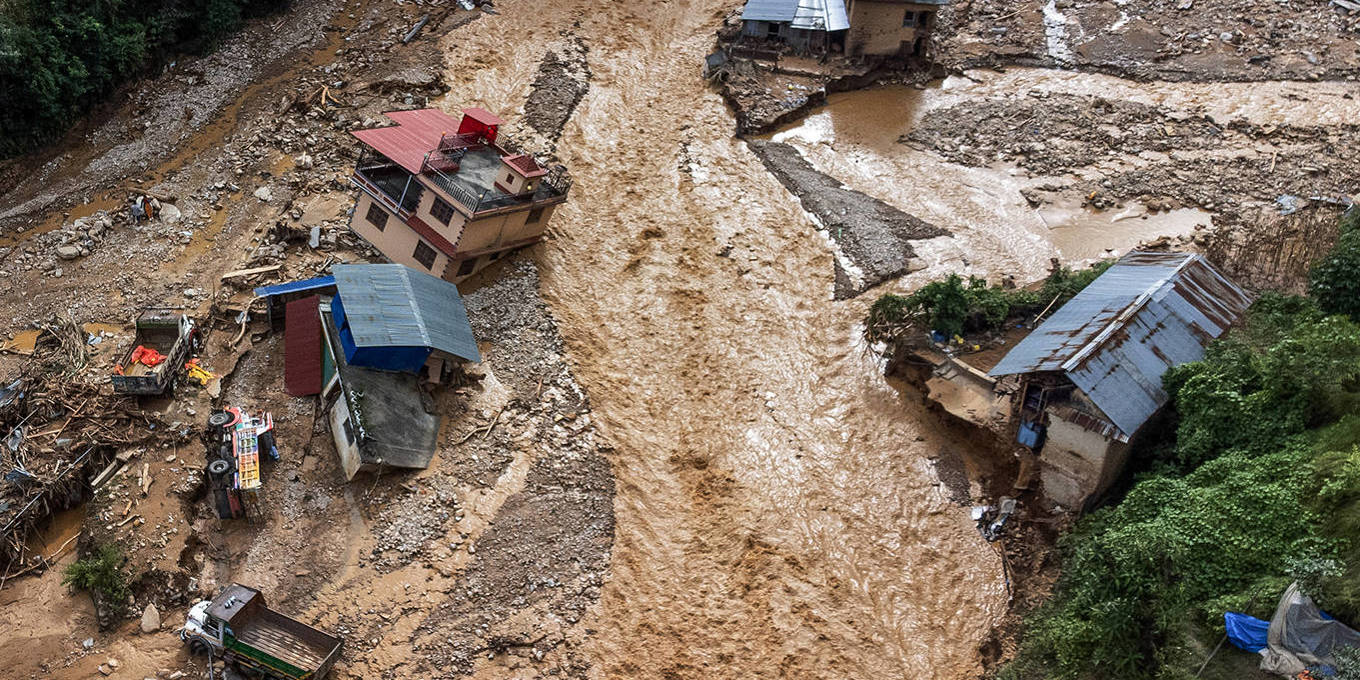
What exactly happened in Nepal, and why did it become so destructive downstream?
Based on assessments by scientists across the world, this was clearly a rock-ice avalanche. A rock face failed and collapsed, bringing glacier ice down with it. What remains uncertain is the precise trigger. We do not yet know whether glacier retreat and melting destabilised the slope or whether the geological failure happened first and then affected the glacier.