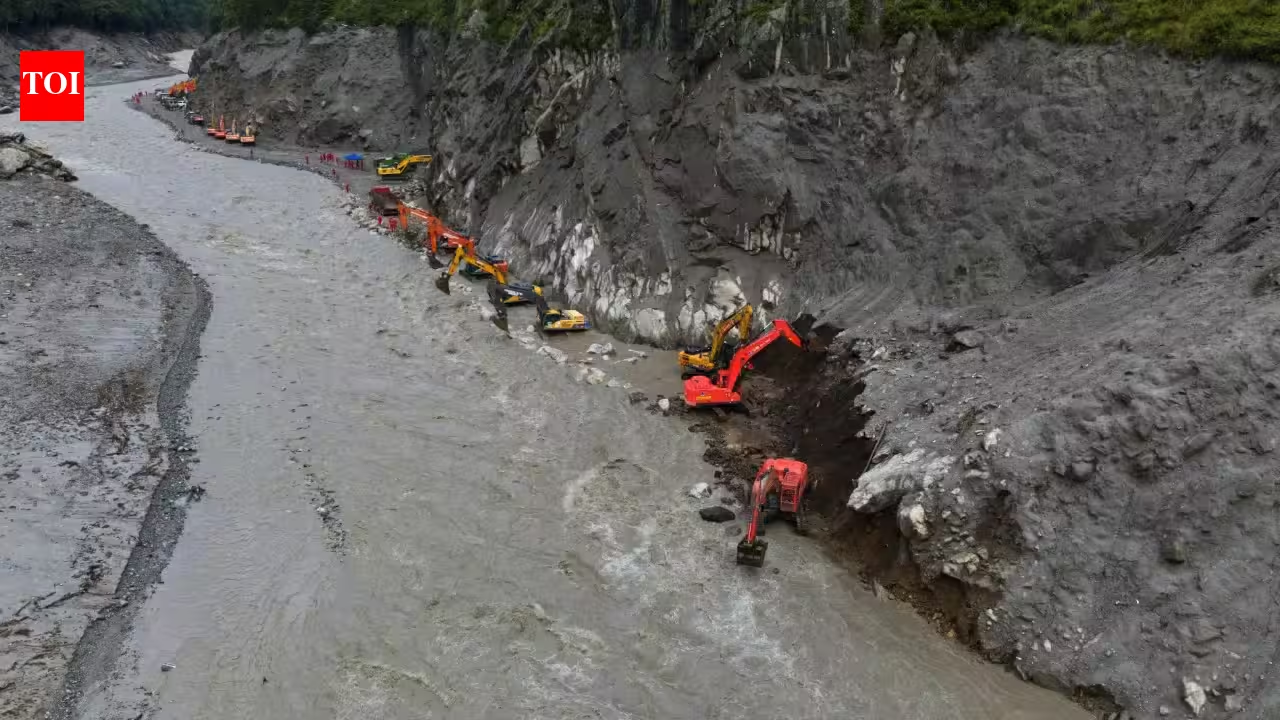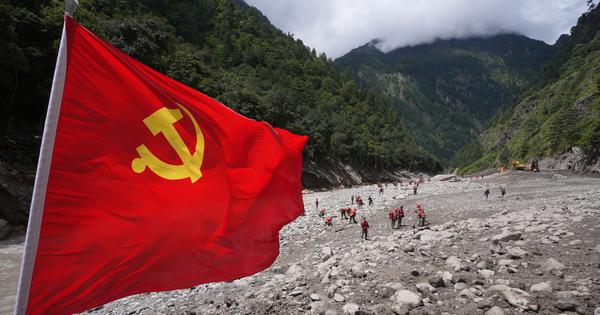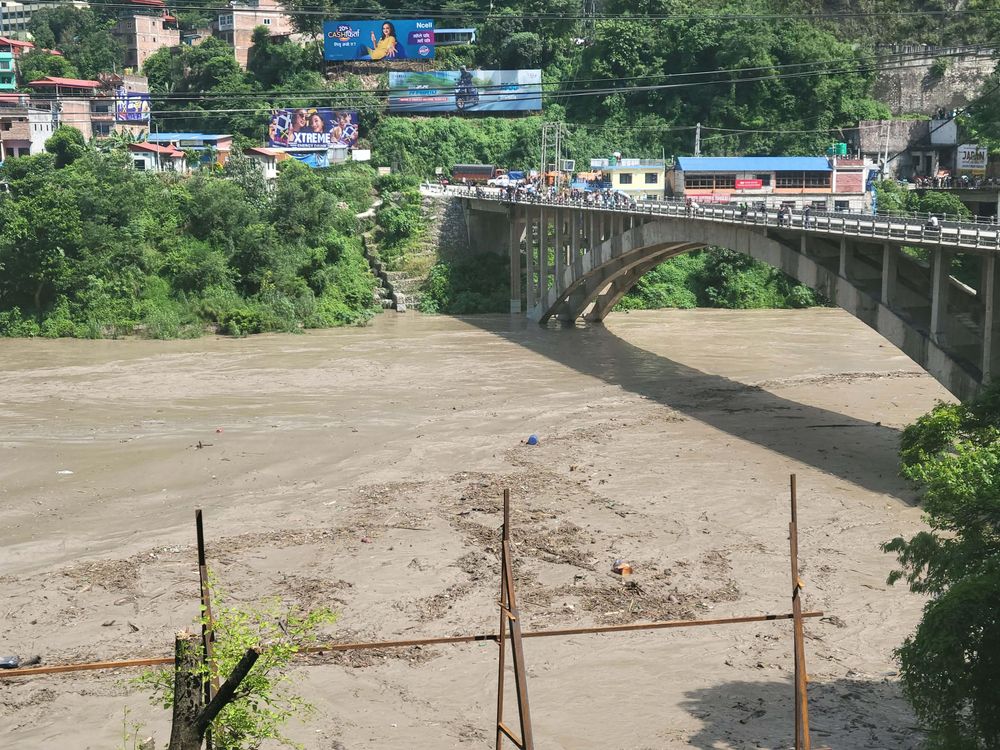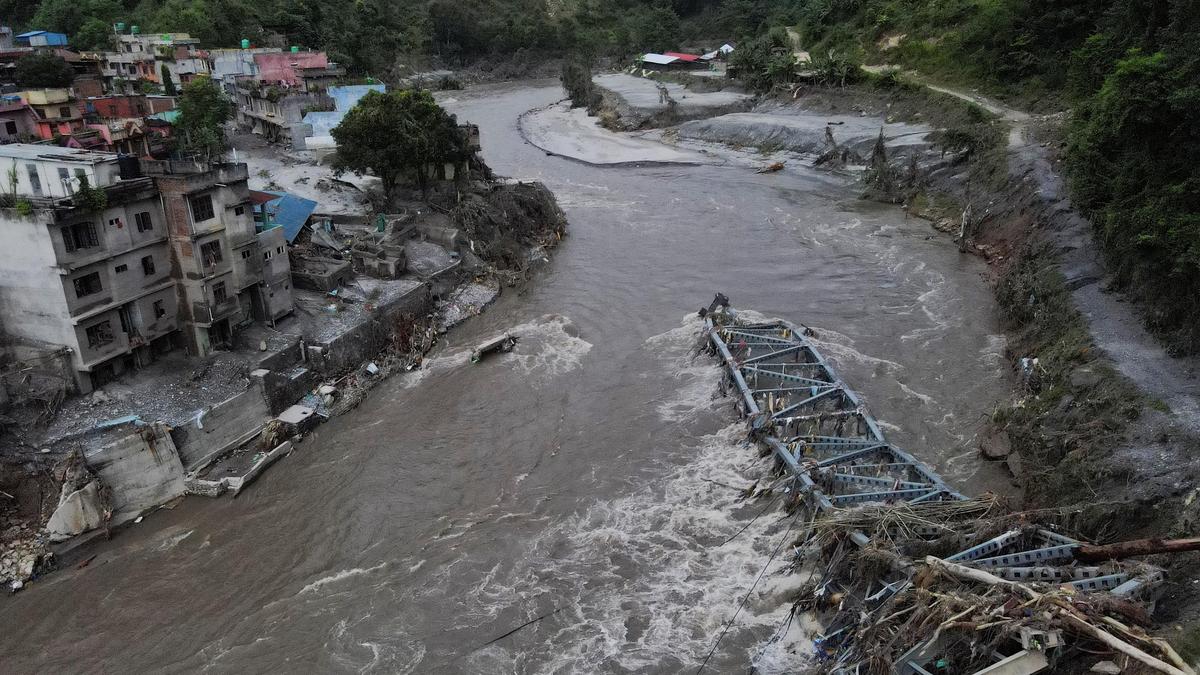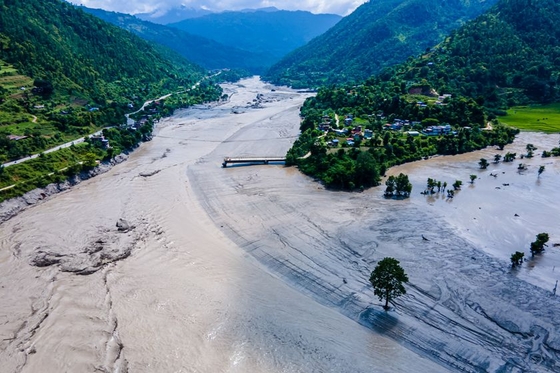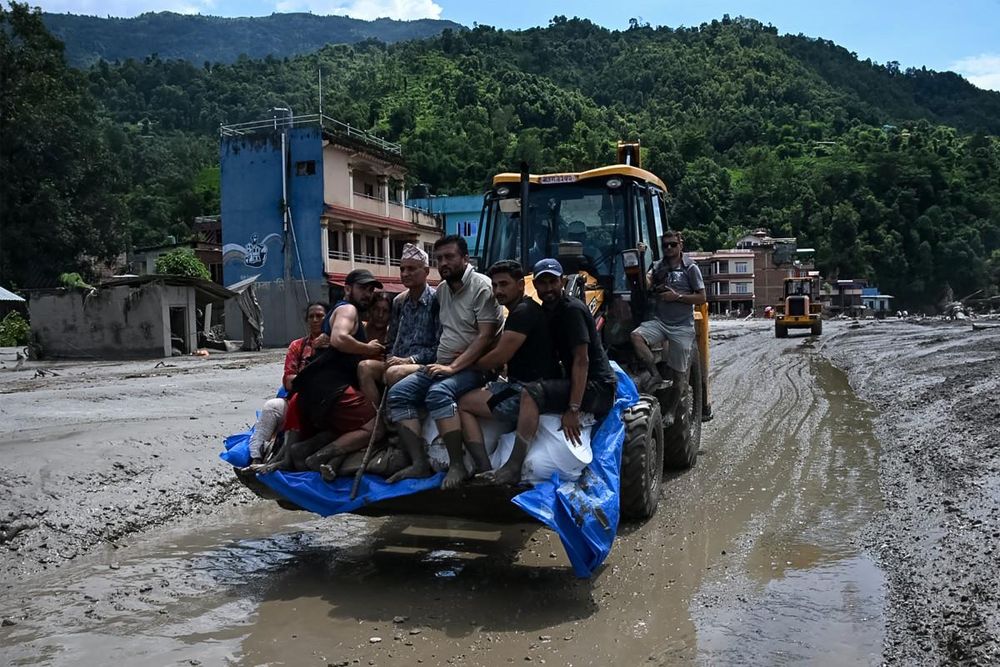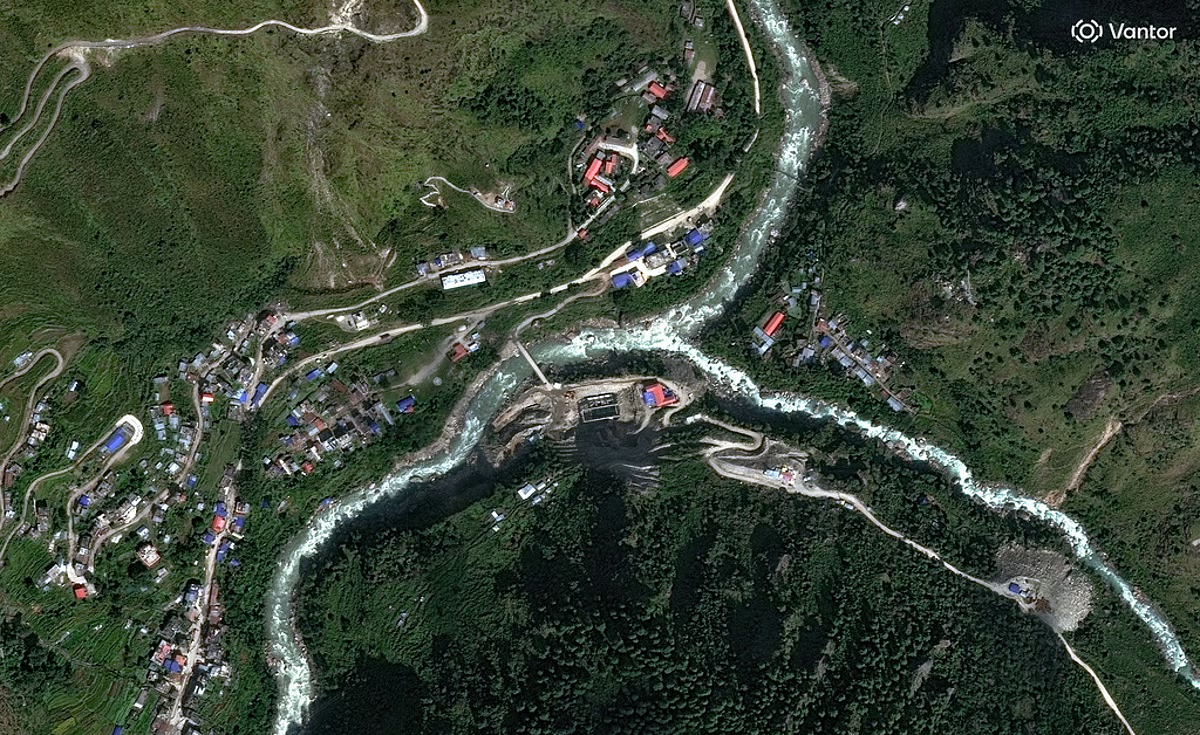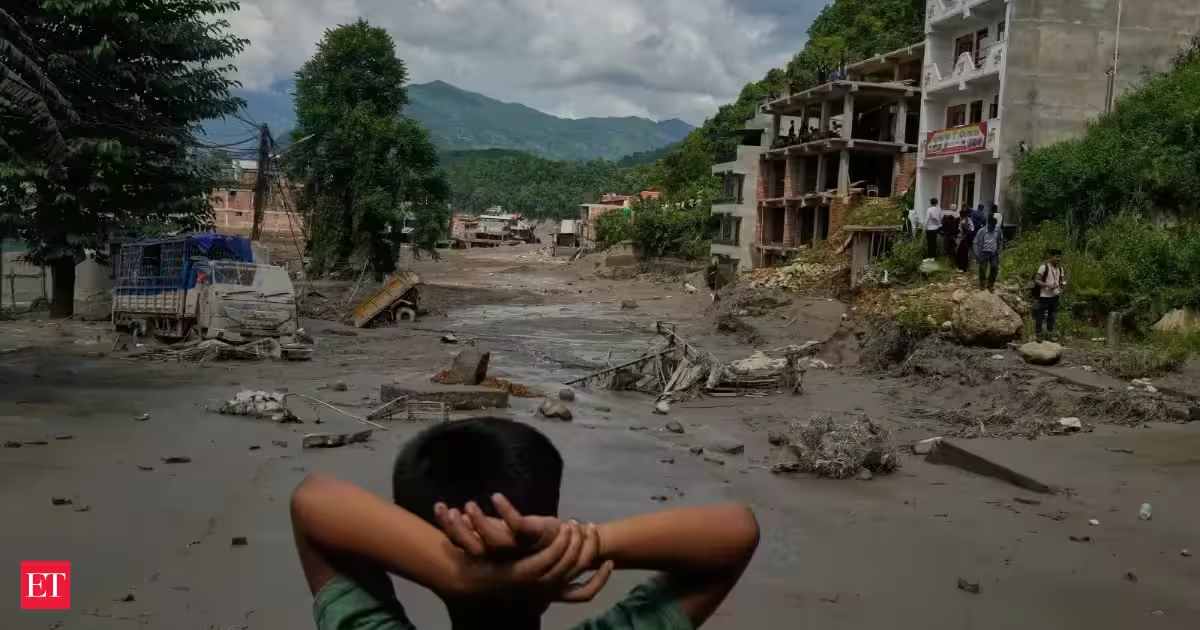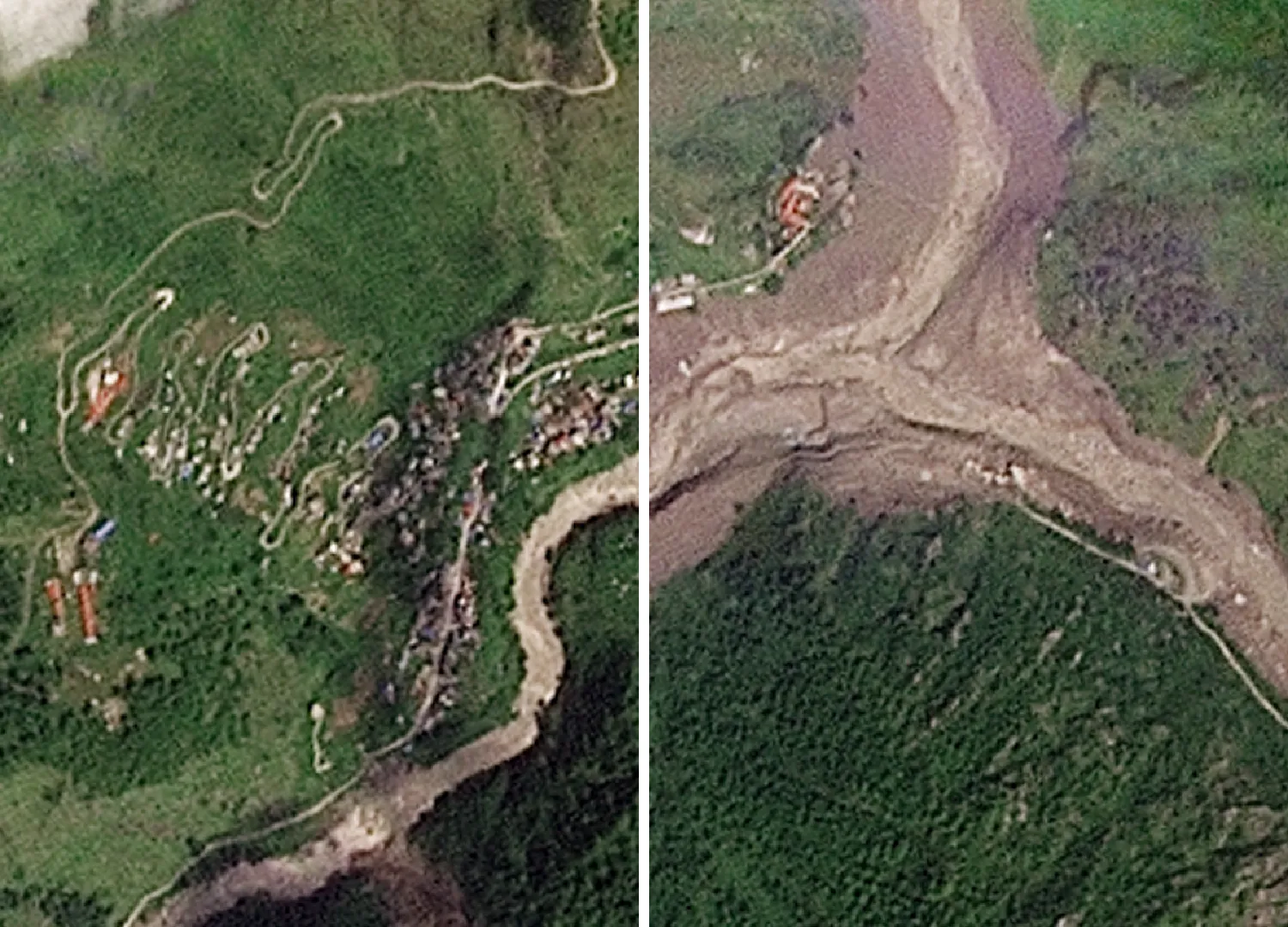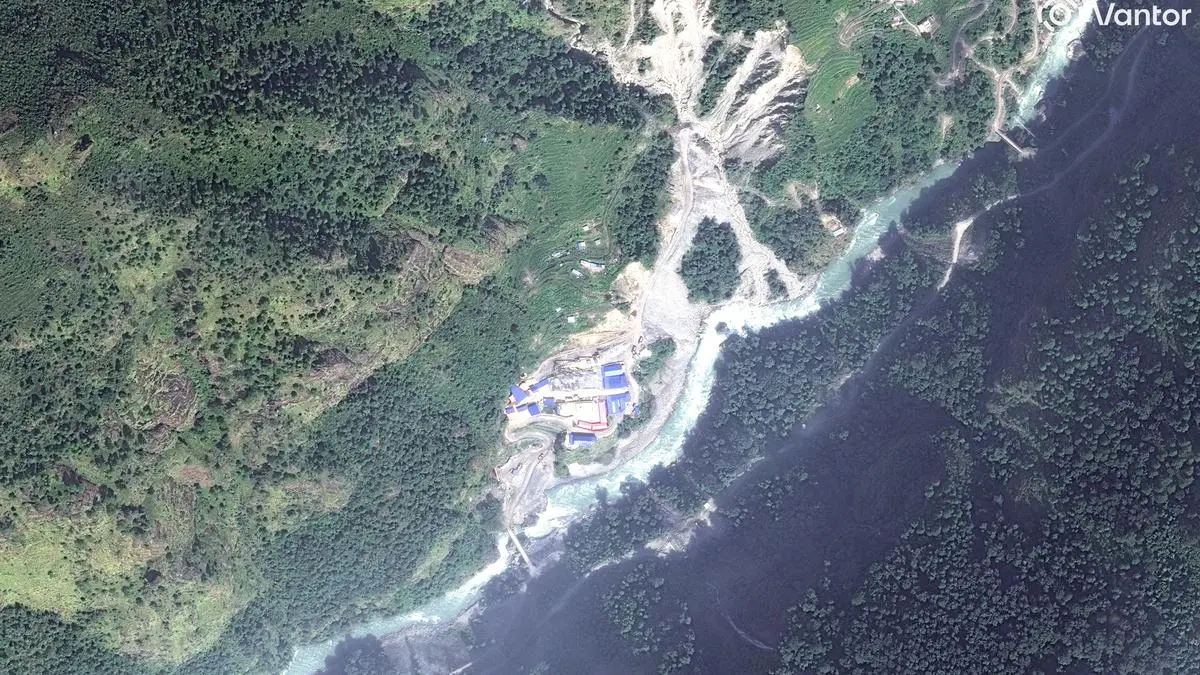
When part of a glacier collapsed above the Lhende Khola on August 26, the debris flow it triggered was initially mistaken by the U.S. Geological Survey’s automated network for a magnitude-4.4 earthquake. By August 30, the combined toll in Nepal and China’s Tibet had reached around 750 dead, with more than 3,000 missing, including nearly 900 hydropower workers feared trapped.
Nepal’s finance minister estimates rebuilding will cost $4-5 billion, nearly a tenth of the Nepali economy. The collapse occurred on the Nepali side, on Langtang Lirung, which lies wholly within Nepal, but the debris fell into the Lhende Khola-Donglin Tsangpo river system, which crosses the Nepal-China border. The flood surged through Nepal’s Rasuwa and Nuwakot districts, while rising downstream levels prompted precautionary evacuations in parts of India. The hazards crossed borders. The mechanisms for responding to them have remained largely national.
South Asia’s problem is not a shortage of frameworks to deal with natural disasters. After the 2004 Indian Ocean tsunami, SAARC’s 2005 Dhaka Declaration called for a permanent regional mechanism for disaster preparedness, relief and rehabilitation. A 2006 Comprehensive Framework promised shared early-warning and cross-border data exchange. A Rapid Response mechanism agreed after Pakistan’s 2010 floods entered into force only in 2016, and many provisions have struggled to acquire operational continuity. SAARC’s non-functioning has further hindered a regional response; the grouping has not held a summit since 2014. India, Bangladesh and BIMSTEC have developed bilateral and subregional mechanisms because SAARC has been non-functional for a decade. But even these working instruments remain disconnected.