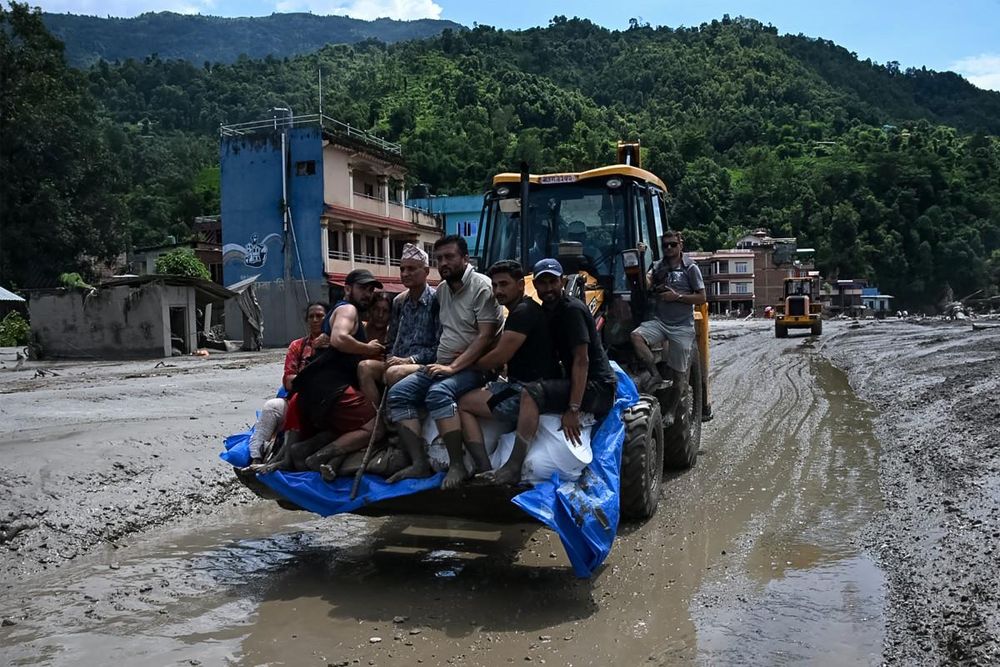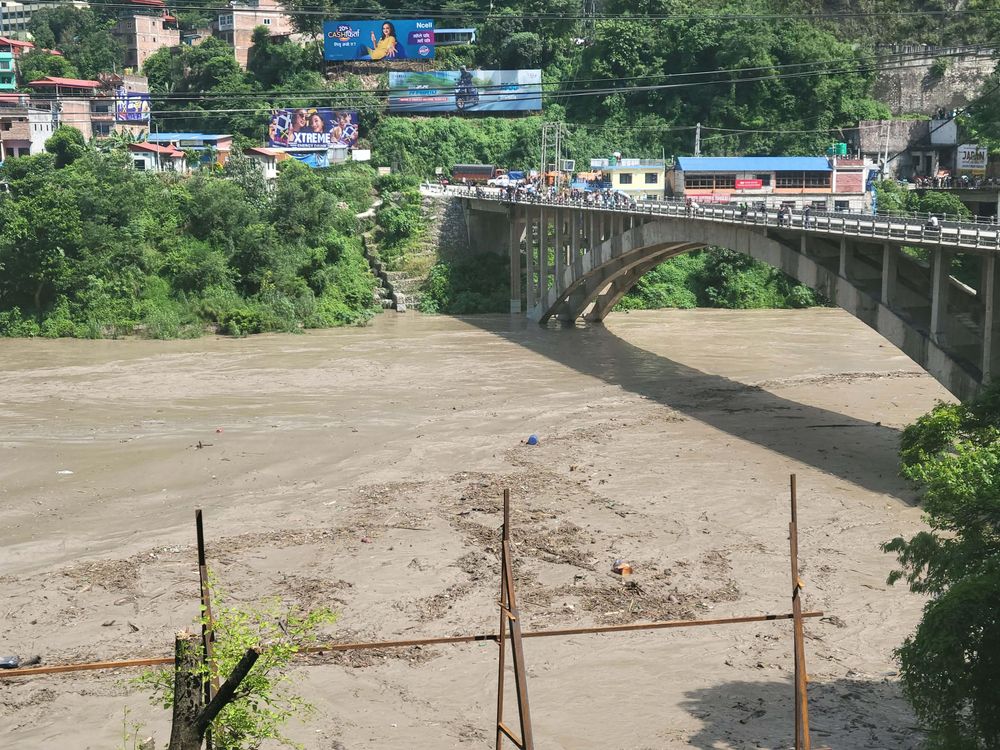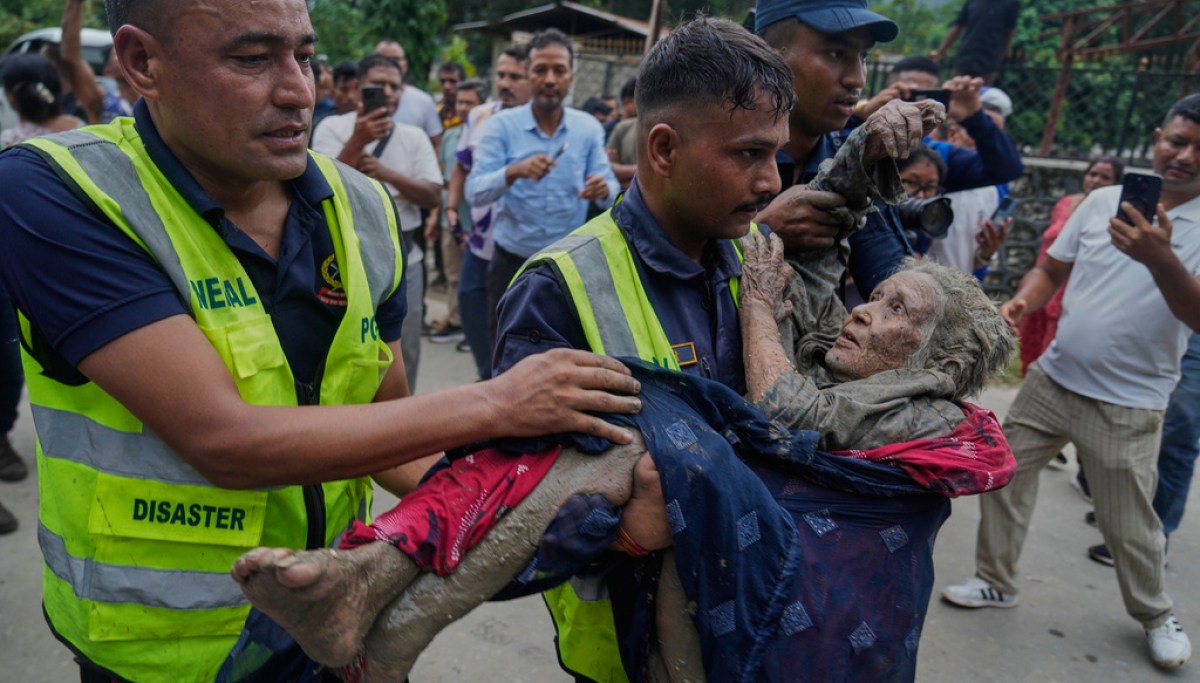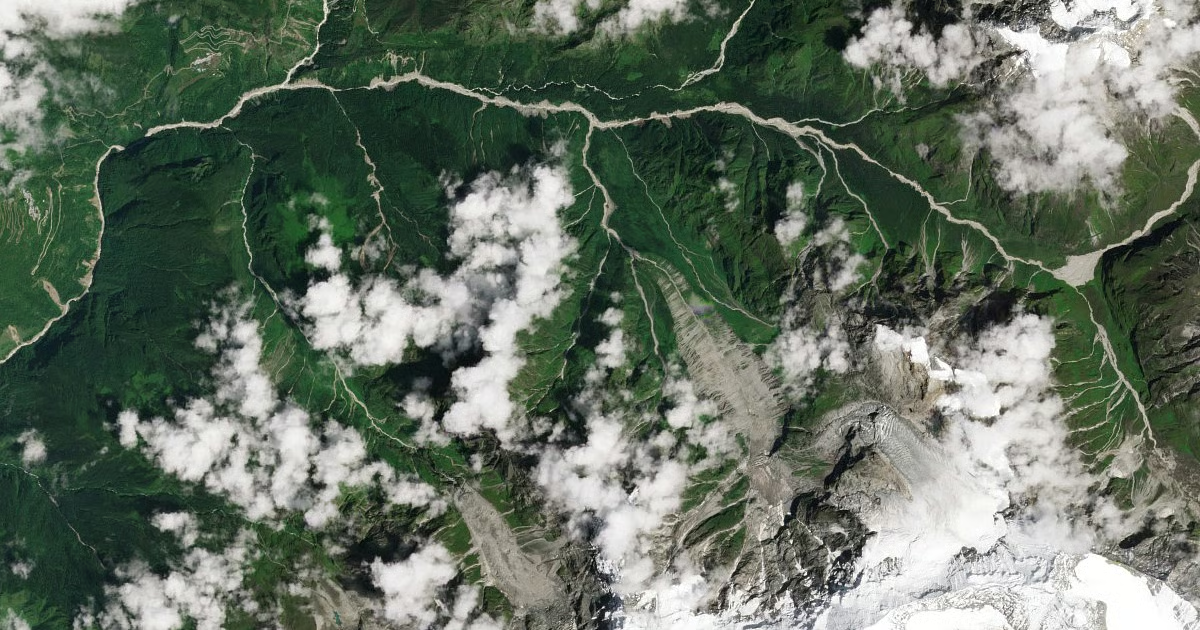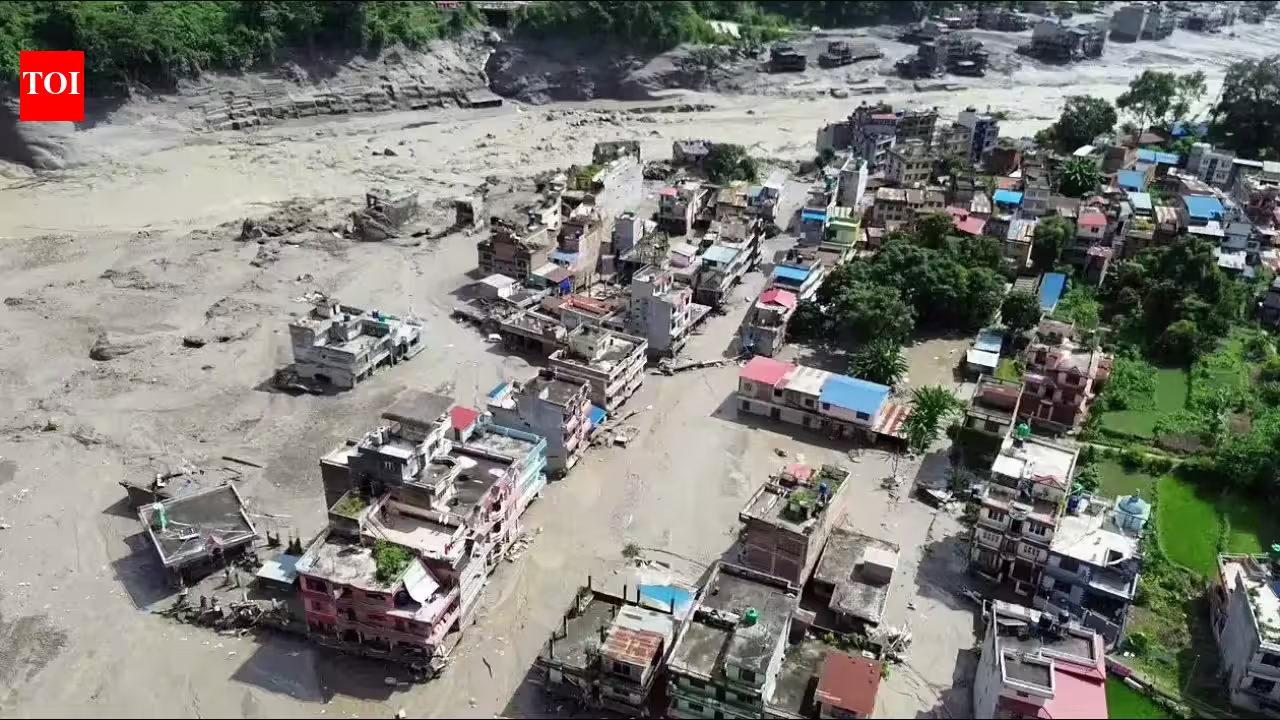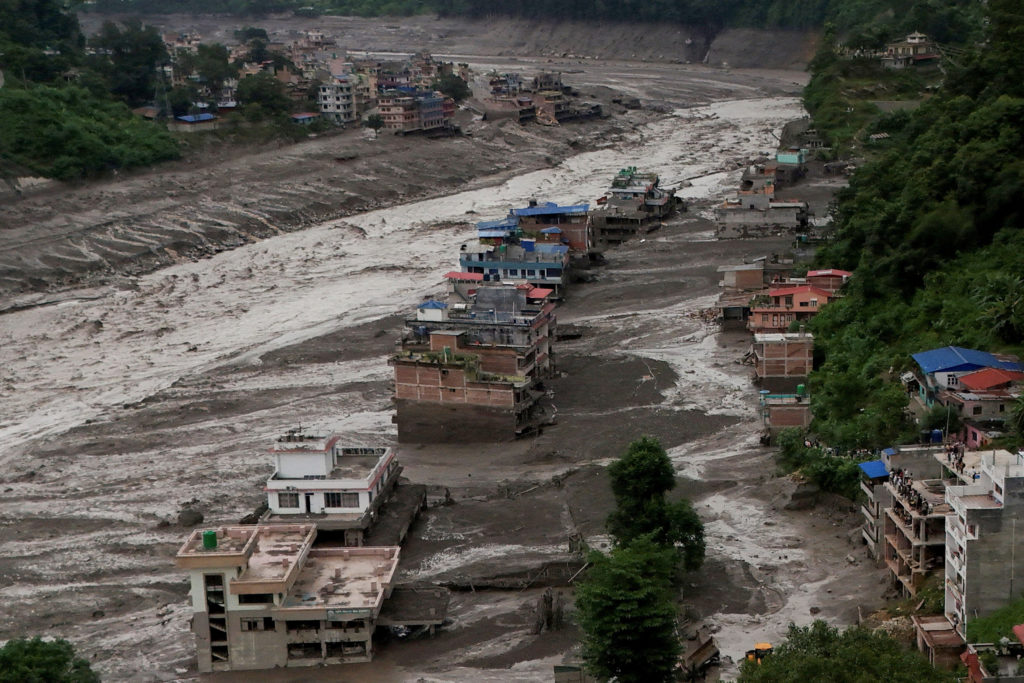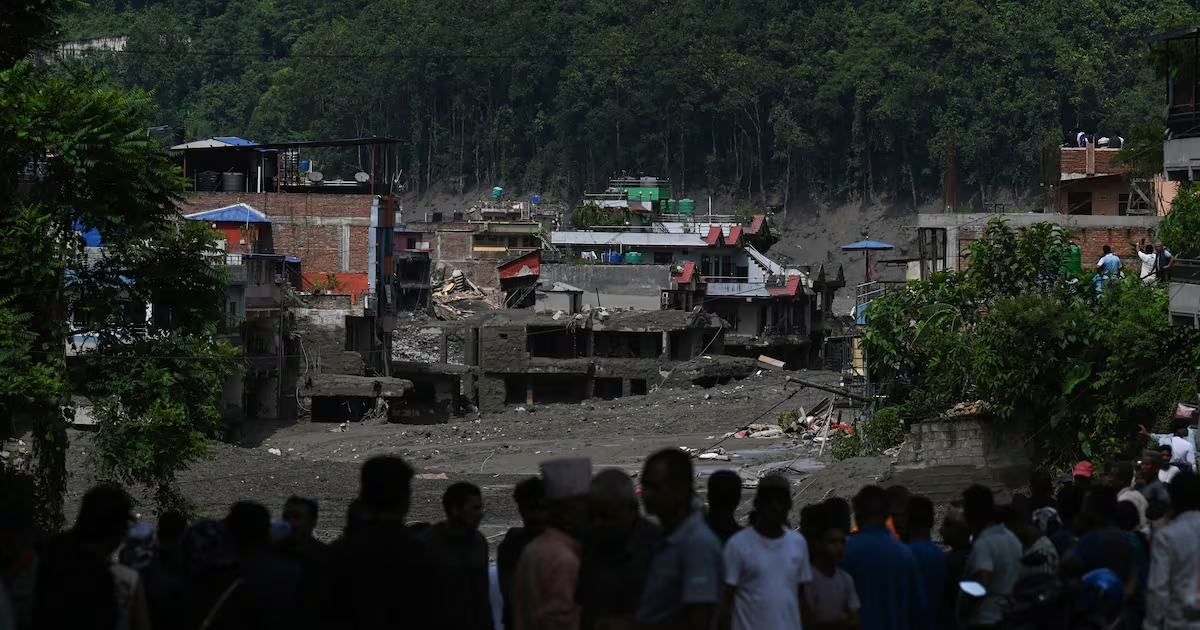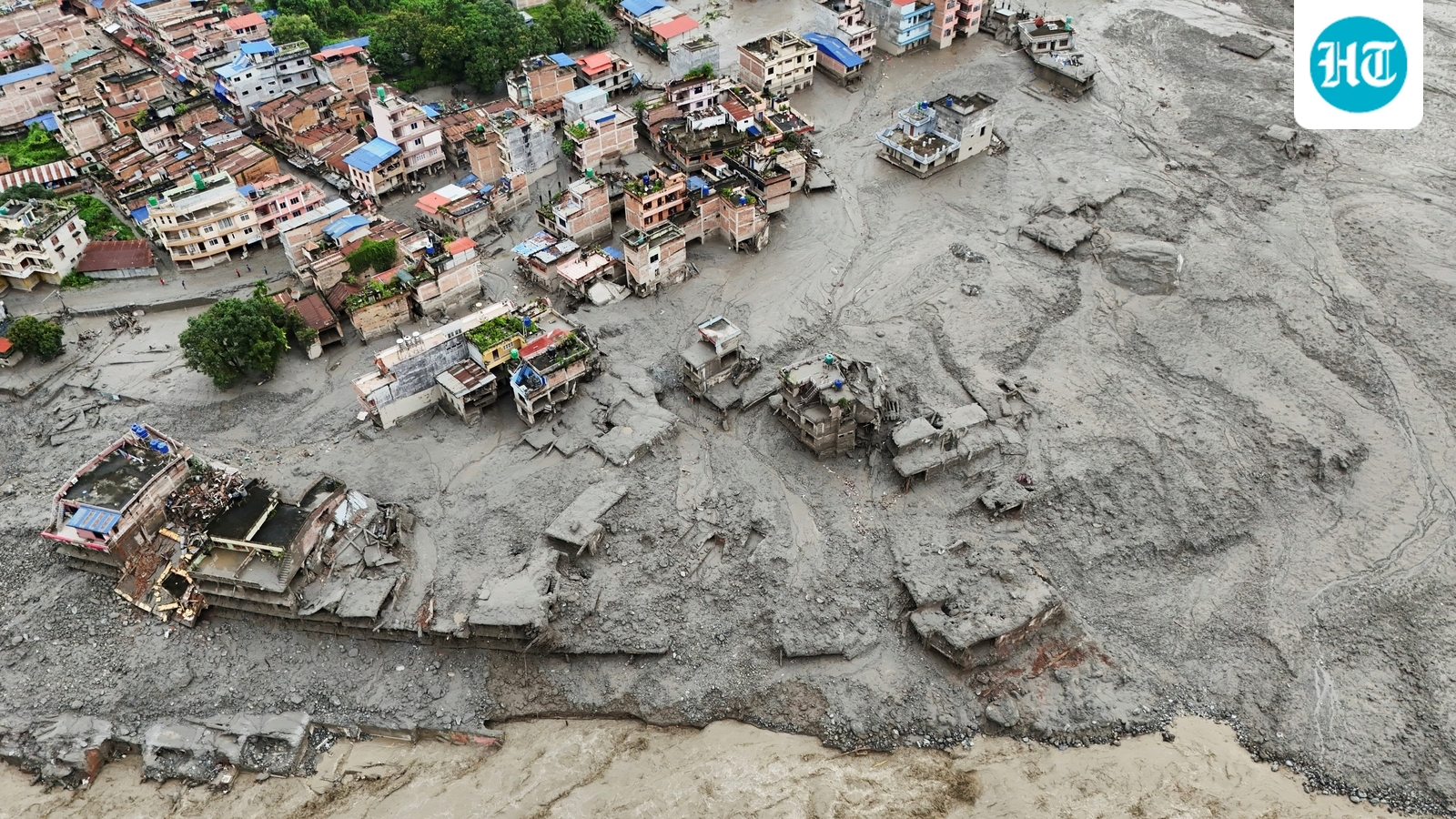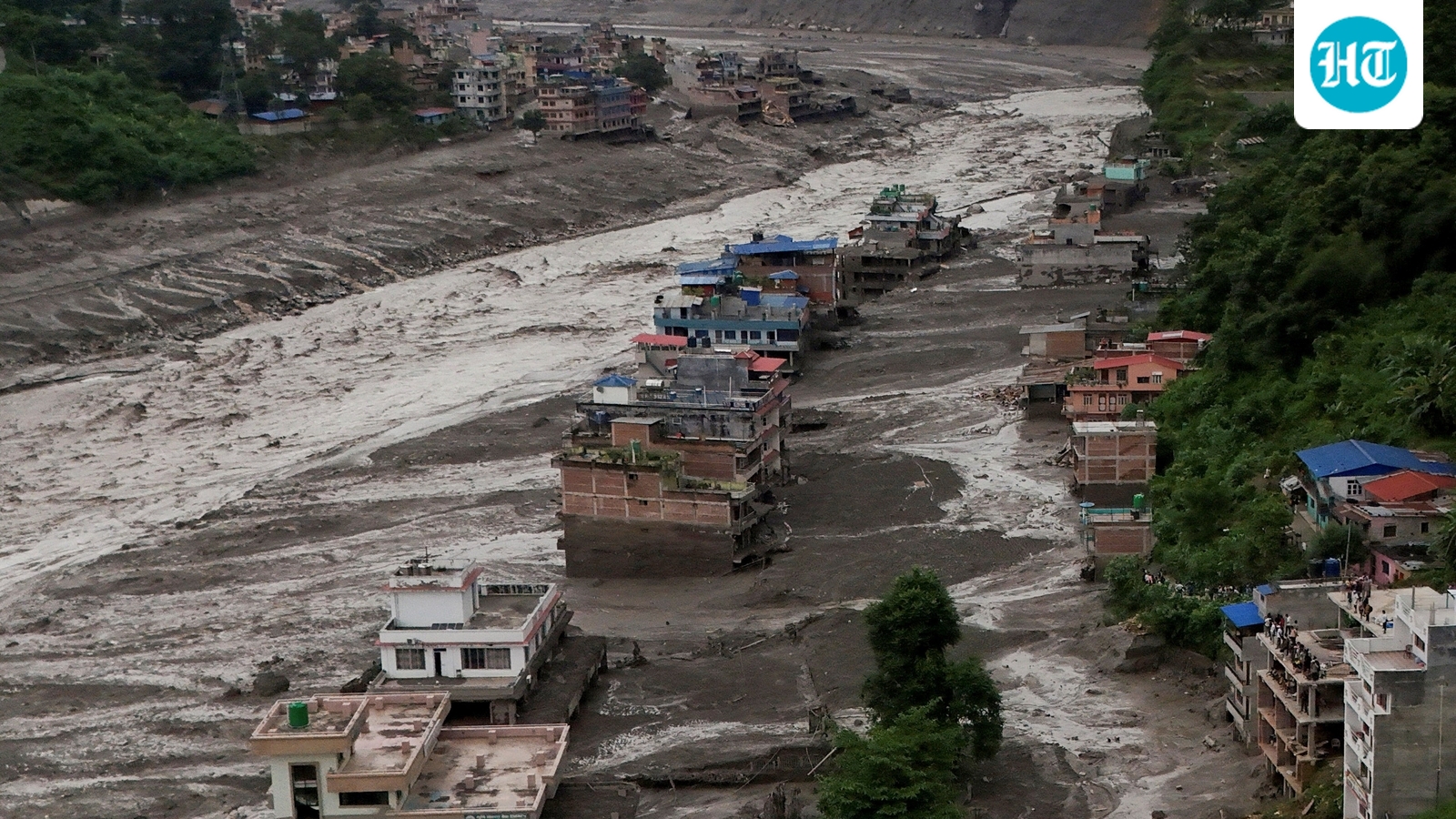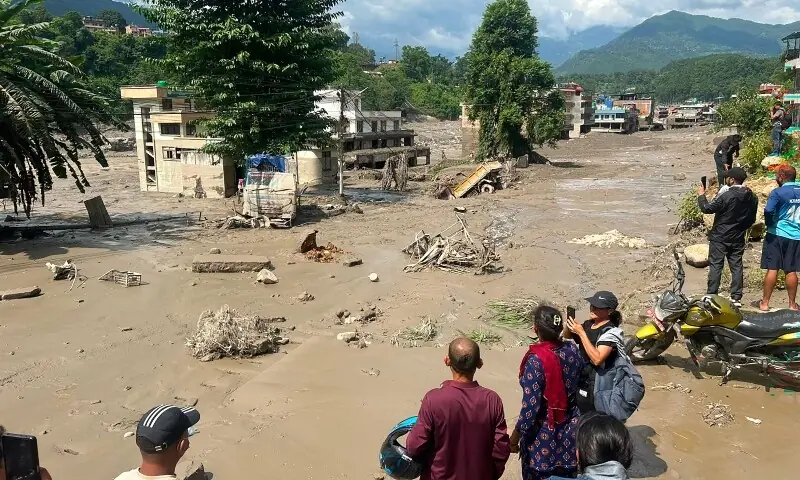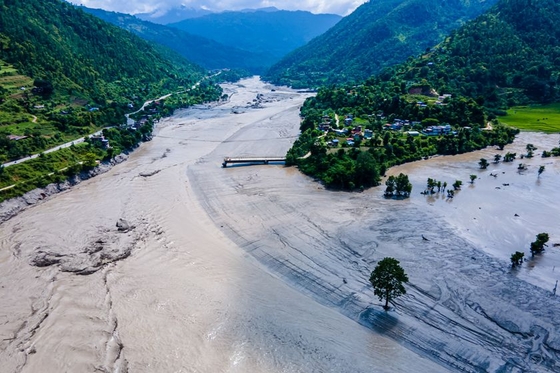
1. [para. 1][para. 2][para. 3] A massive ice-rock avalanche tore through the Nepal-China border region on Aug. 26, causing severe damage and casualties. Nepal reported 177 dead and 826 missing in Rasuwa district, with nearly 600 of the missing foreign nationals; China confirmed at least three dead on its side and said nearly 100 Chinese citizens in affected Nepal areas were out of contact. Early suspicion of heavy rainfall, glacial-lake outburst or earthquake has given way to scientific agreement that a major ice-rock avalanche was the primary trigger.2. [para. 5][para. 6][para. 7][para. 8] Preliminary satellite analysis shows a 600-meter-wide block of ice broke from about 5,200 meters elevation, about 64 km north of Kathmandu, fell almost 4,000 meters and transformed into a high-speed ice-water-debris flow that hit the Bhote Koshi River. Seismometers recorded the main downward movement at around 8:40 a.m. followed by a flood signal. Although Nepal’s foreign minister initially said an earthquake had triggered the avalanche, and a magnitude 4.4 quake was first cited, the USGS later corrected this: it was not a tectonic earthquake but an ice avalanche followed by debris flow, registered as a magnitude 5.2 landslide event about 55 km northwest of Kodari.3. [para. 10][para. 11][para. 12] Satellite imagery showed sediment-covered slopes and the Bhote Koshi overflowing. ICIMOD found large volumes of ice and rock clogged the Lhende Khola tributary, helping cause flash floods and mudslides. Flood data showed the basin rising rapidly from about 9 a.m.; the Trishuli River rose at least 9 meters within 30 minutes. Nepal flood chief Binod Parajuli said Chinese satellite images showed a channel blocked about 20 km upstream from Miteri Bridge, and the temporary barrier later gave way; Chengdu University of Technology’s Fan Xuanmei said seismic readings did not clearly show such a blockage-breach sequence.4. [para. 13] Chinese experts emphasized the speed: the ice avalanche entrained glacial moraine, evolved into a high-speed debris flow, struck facilities at Gyirong port, and continued into Nepal. Guo Zhaocheng estimated flow speed at about 50 meters per second, affecting more than 20 kilometers and leaving little evacuation time; he compared the structure to the 2021 Chamoli disaster.5. [para. 15][para. 16][para. 17][para. 18] A glacial-lake outburst flood was initially suspected, partly because a similar outburst at Sale township on July 8, 2025 had left 11 Chinese and 6 Nepali nationals missing. But researchers now say the Aug. 26 event was driven mainly by river water displaced by falling ice and rock, not by sudden release of stored lake water. Secondary flood risk remains: China’s Ministry of Water Resources warned that a new barrier lake near the Cuojian River and Purepuqiang Zangbo River held about 2 million cubic meters and was overflowing, with another 3 million expected. A snow avalanche was also initially suspected by China’s Ministry of Natural Resources and The New York Times; Labi village residents heard rumbling, were spared, and were evacuated to Sale township.6. [para. 20][para. 21][para. 22] The broader backdrop is a warming climate. Greenpeace researcher Li Zhao said climate change is accelerating glacier retreat, expanding glacial lakes, and degrading permafrost, weakening mountain slopes and raising underlying risks of ice avalanches, debris flows and infrastructure subsidence. Li noted disasters may not increase every year, but the potential human toll is rising as tourism and development place more roads, bridges, hydropower projects and settlements in hazardous terrain. Ongoing investigations remain preliminary pending more field data.AI generated, for reference only
In Depth: Deadly Nepal-China Border Disaster Traced to Massive Ice Collapse
Preliminary scientific analysis points to a massive high-altitude ice collapse, not an earthquake, as the trigger for deadly floods and debris flows that swept across the Himalayan border region
569 words~3 min read