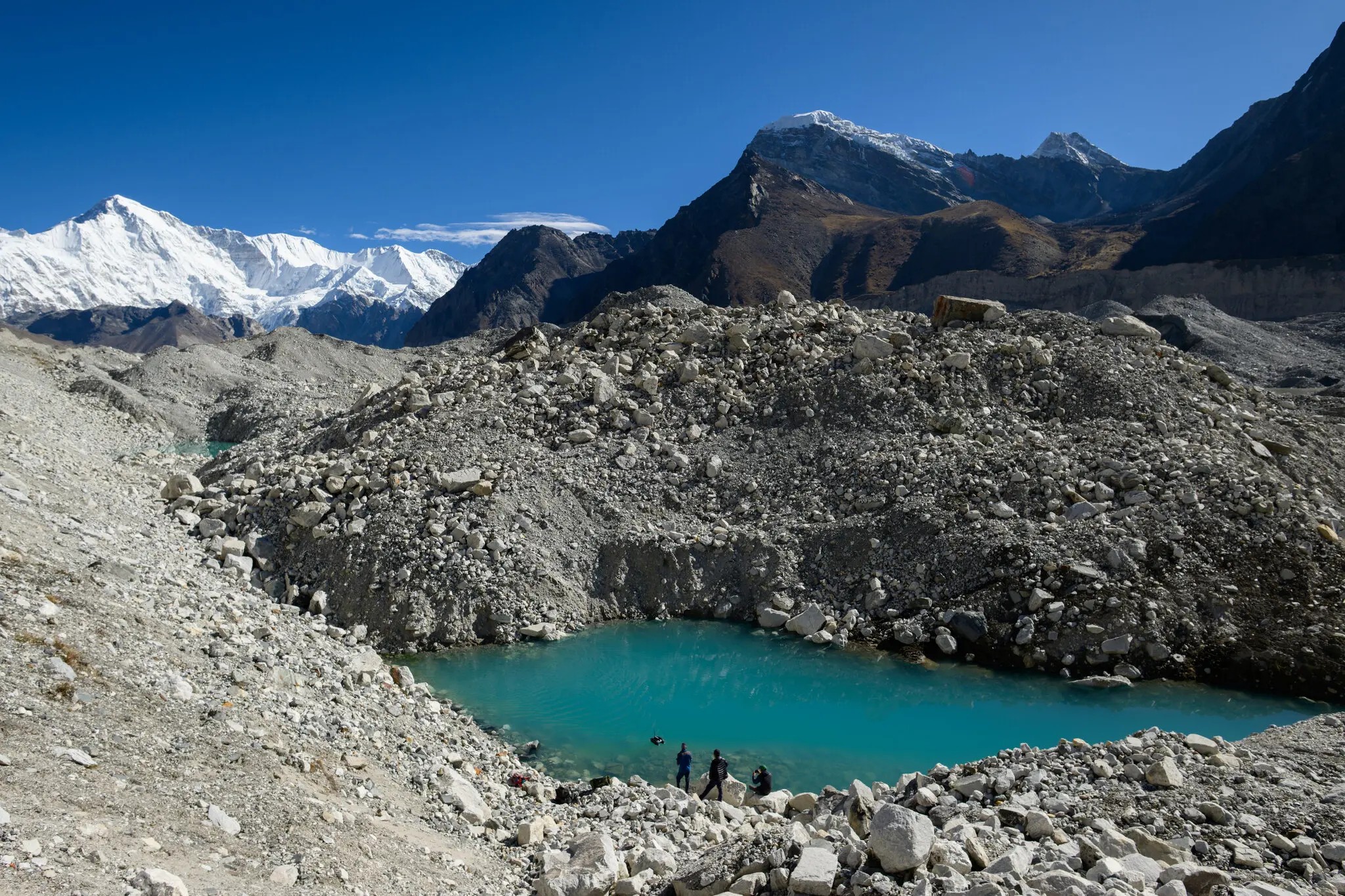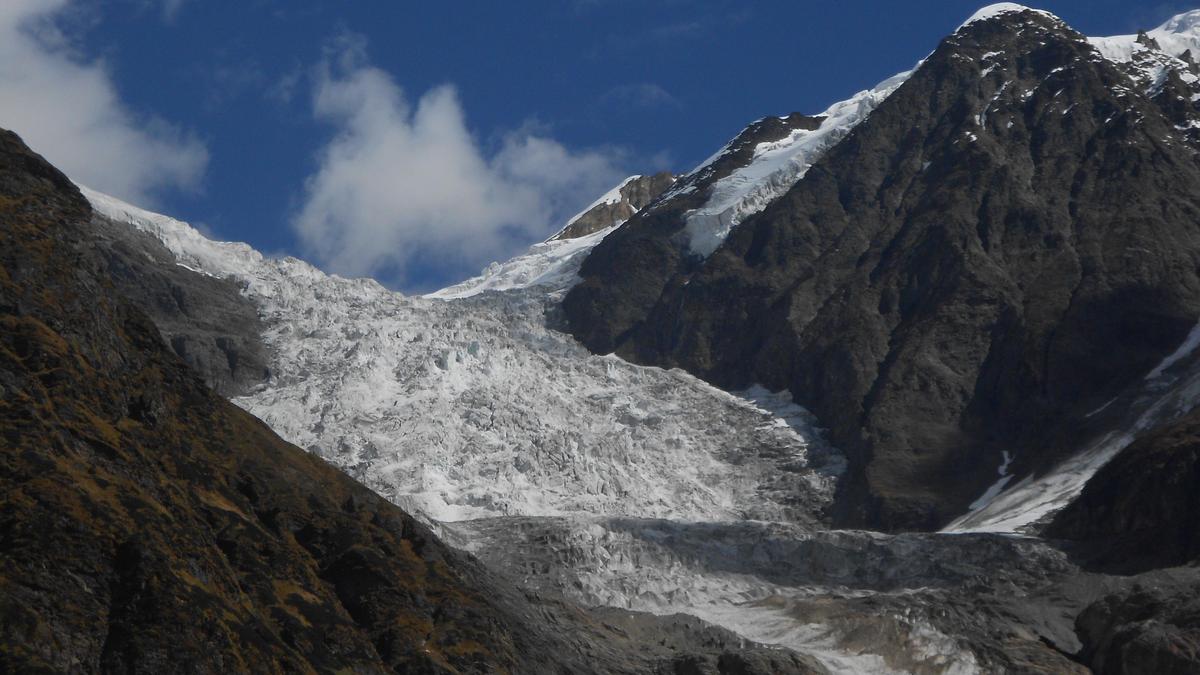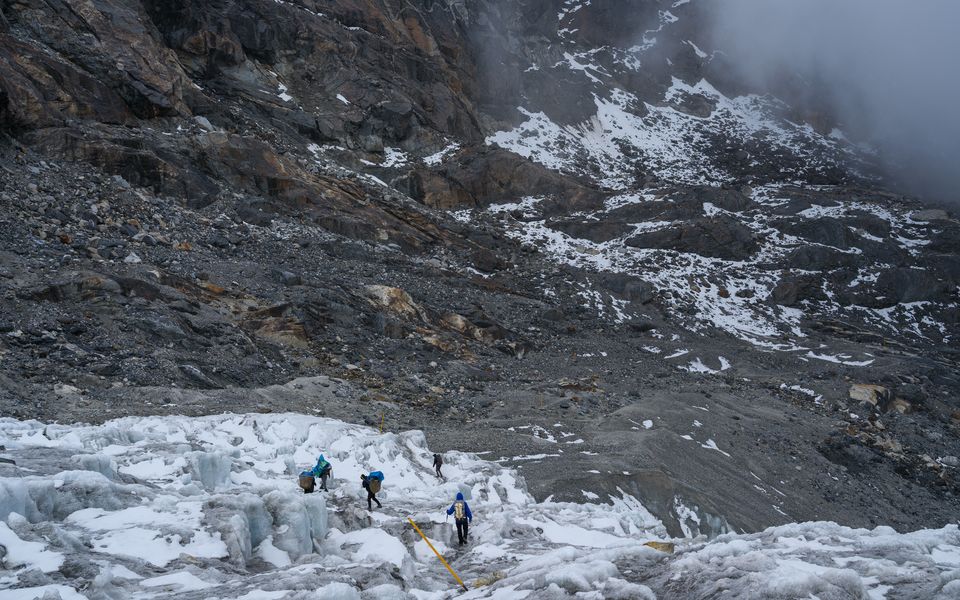
Himalayan glaciers, once blazingly white, are increasingly coated in pollution from car exhaust, coal plants and factories. As that black cover settles on glacier surfaces, it’s causing them to absorb more heat from the sun and melt faster, scientists warn.
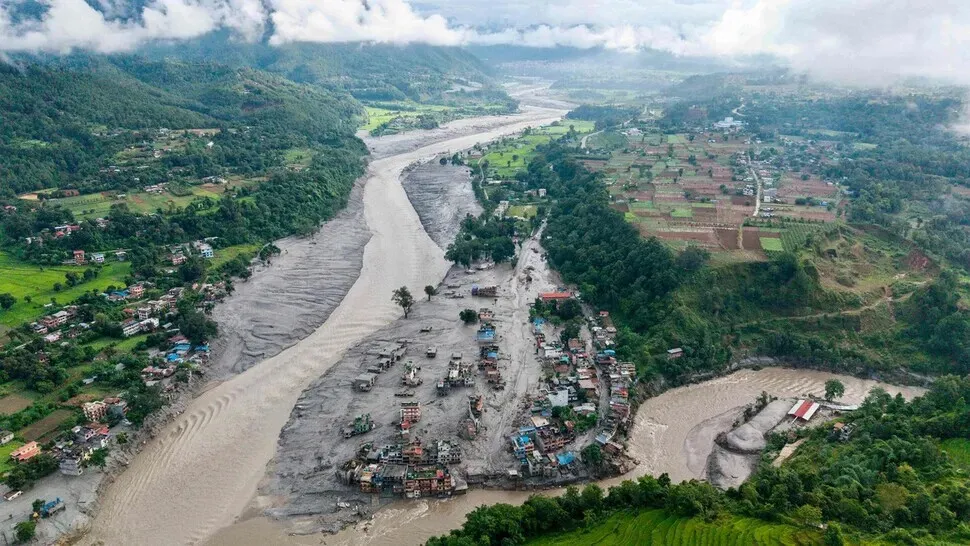
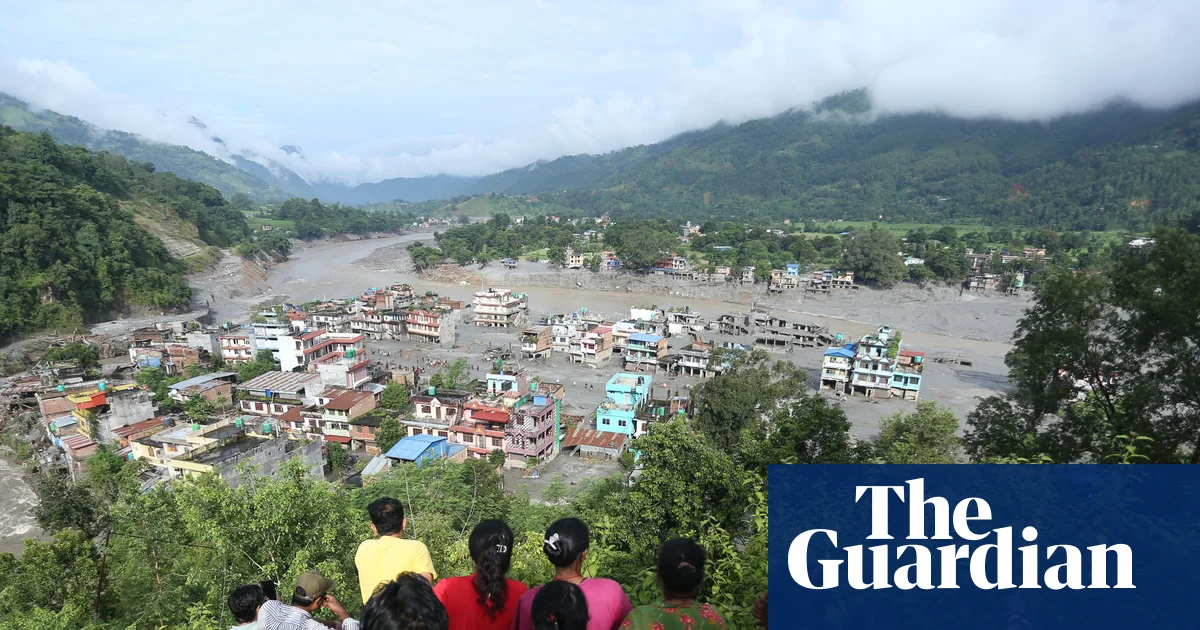
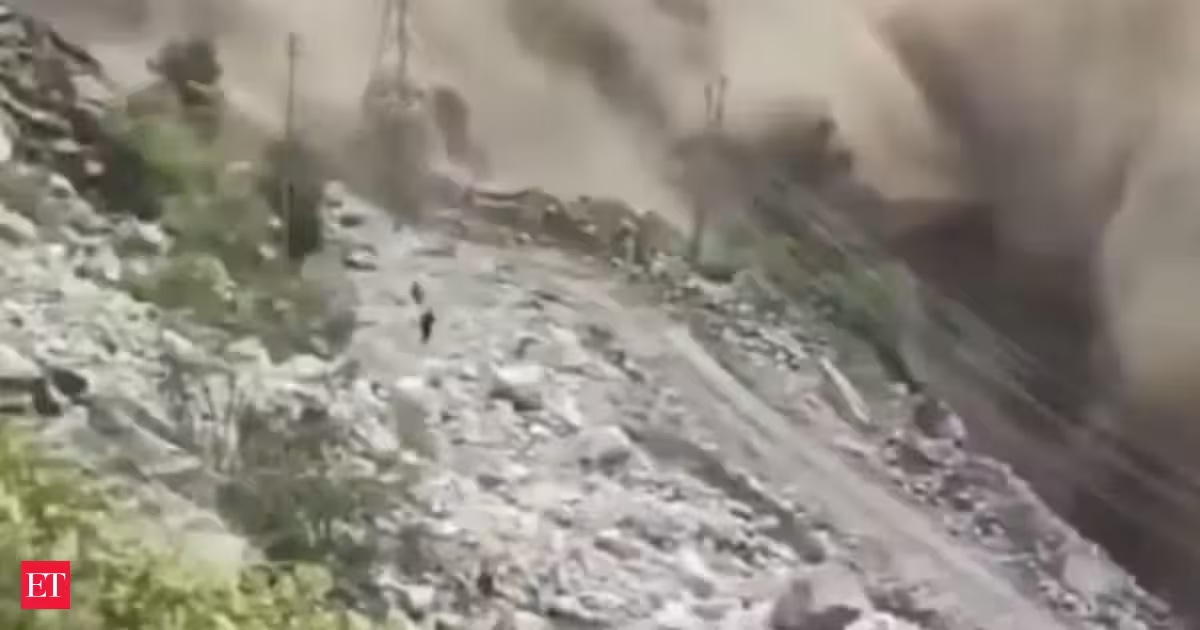
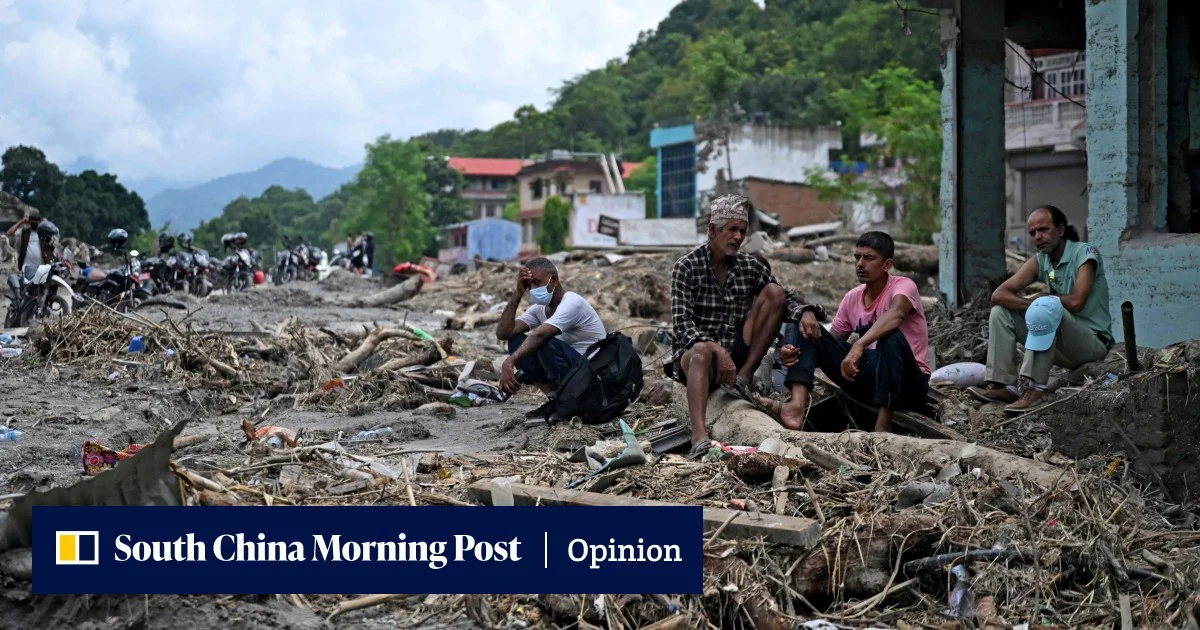
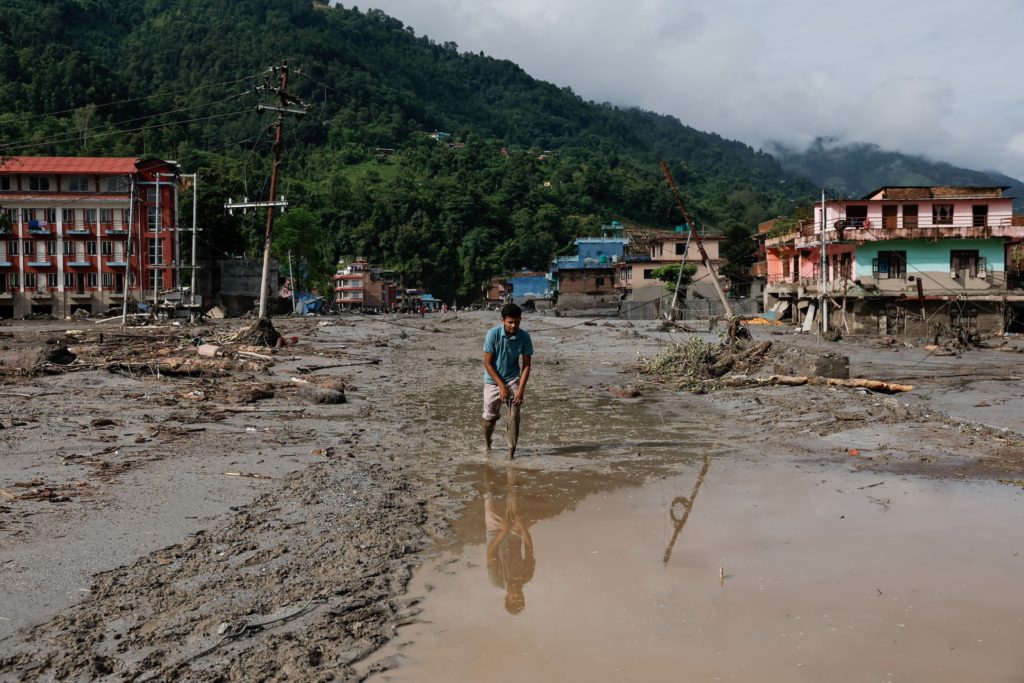
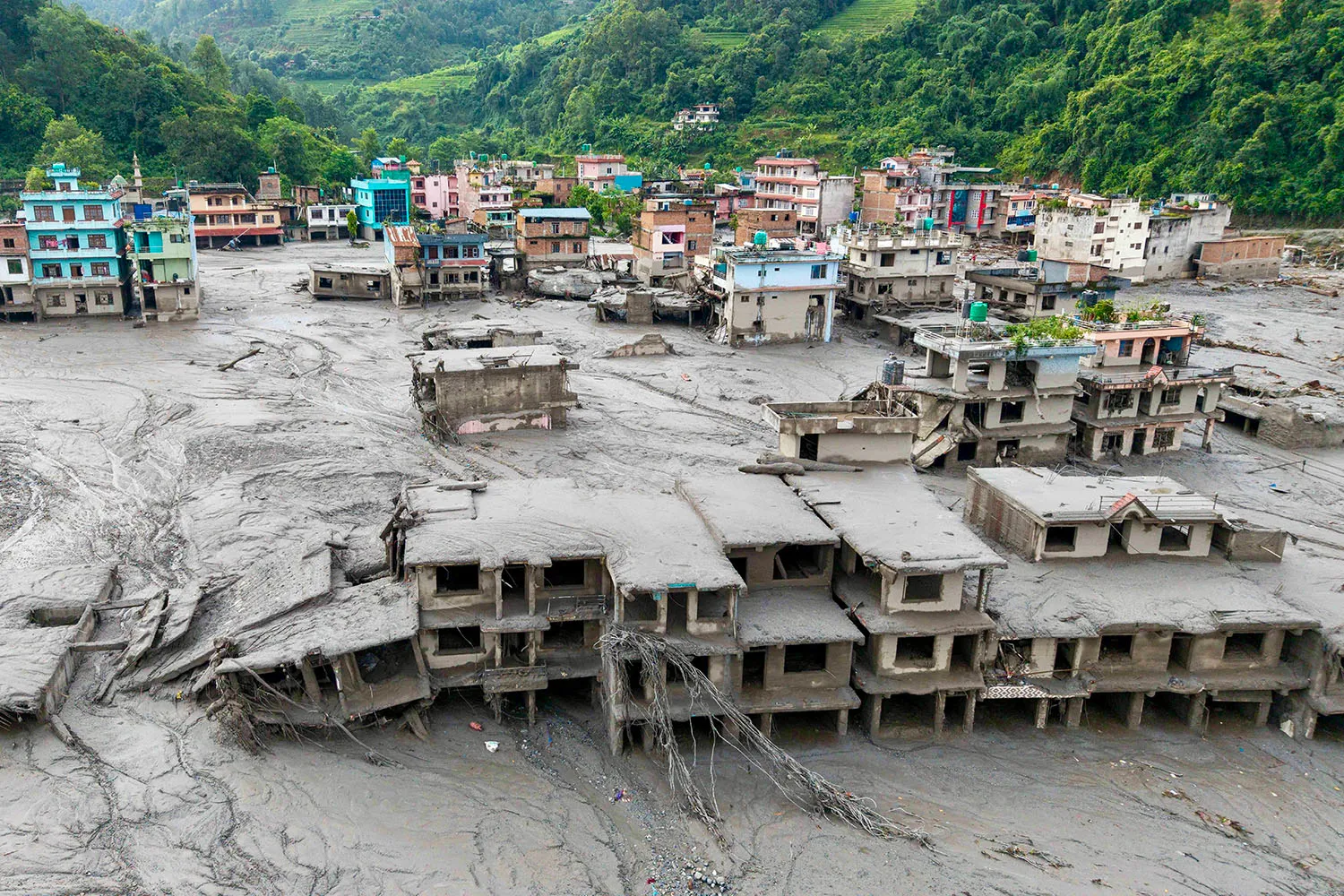
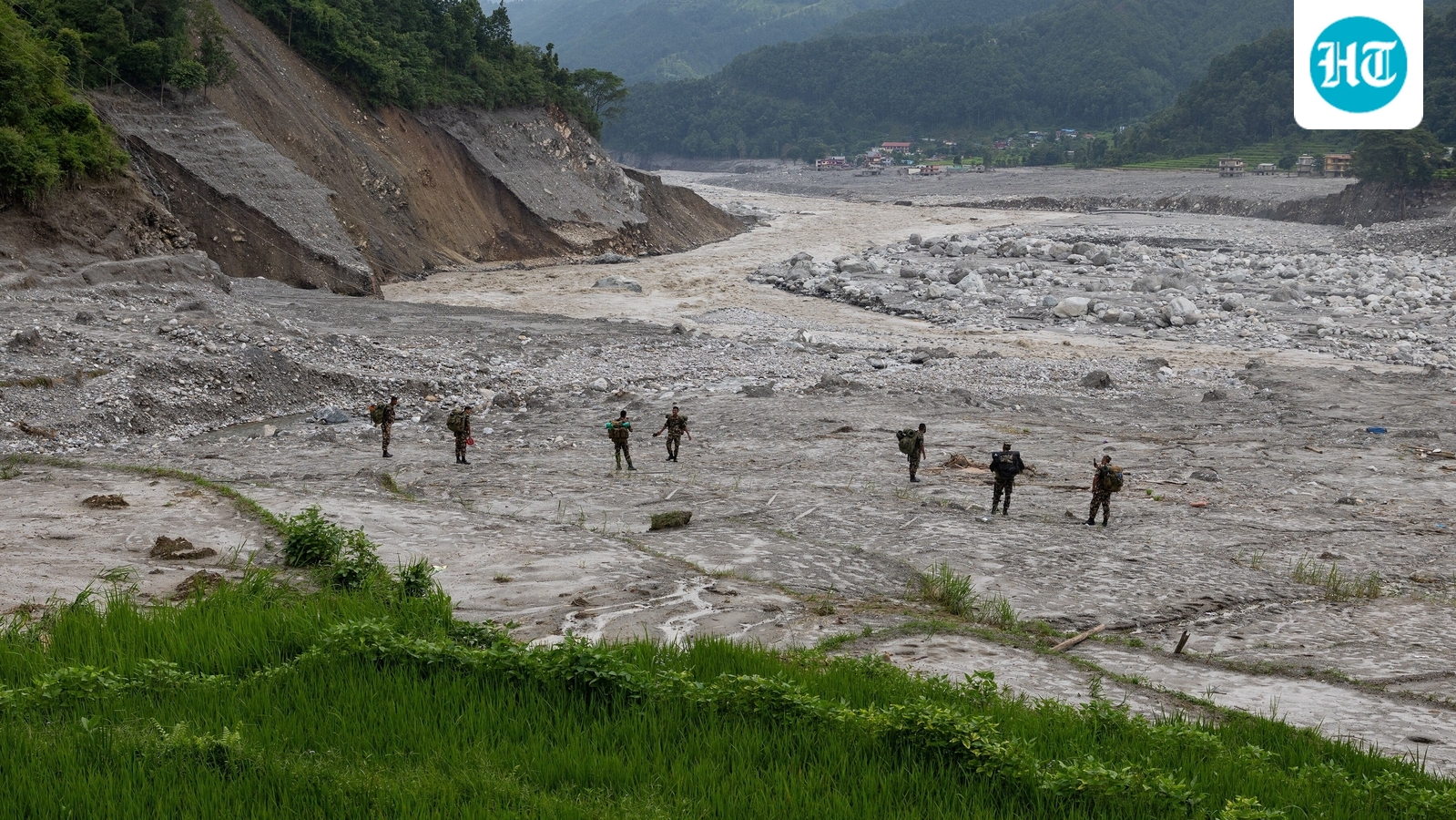
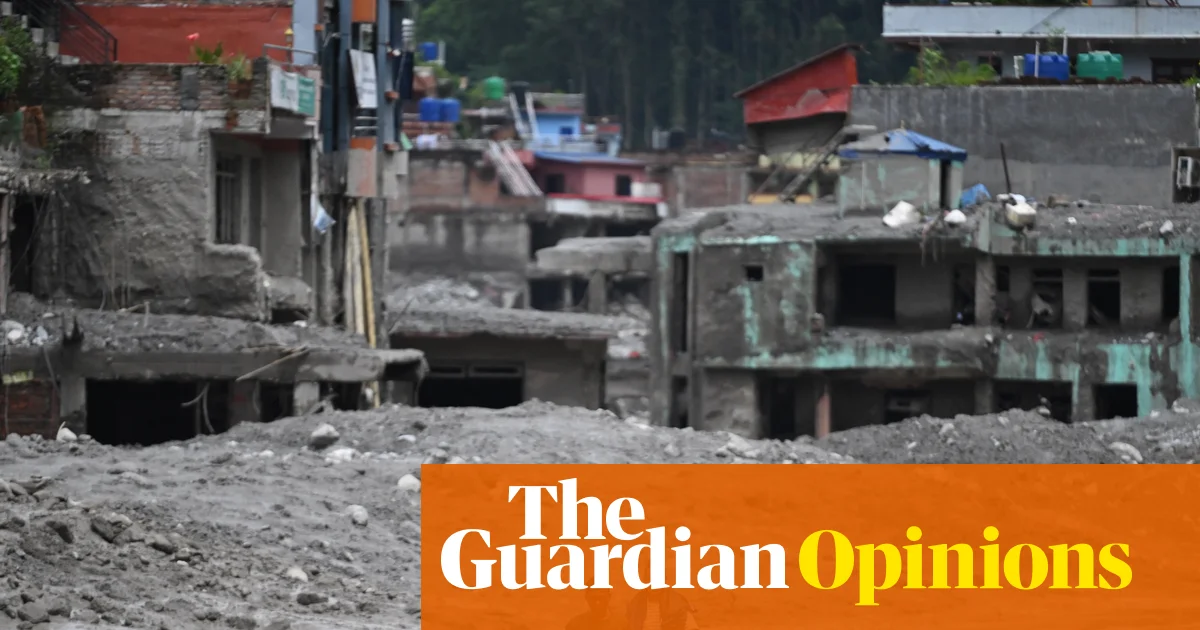
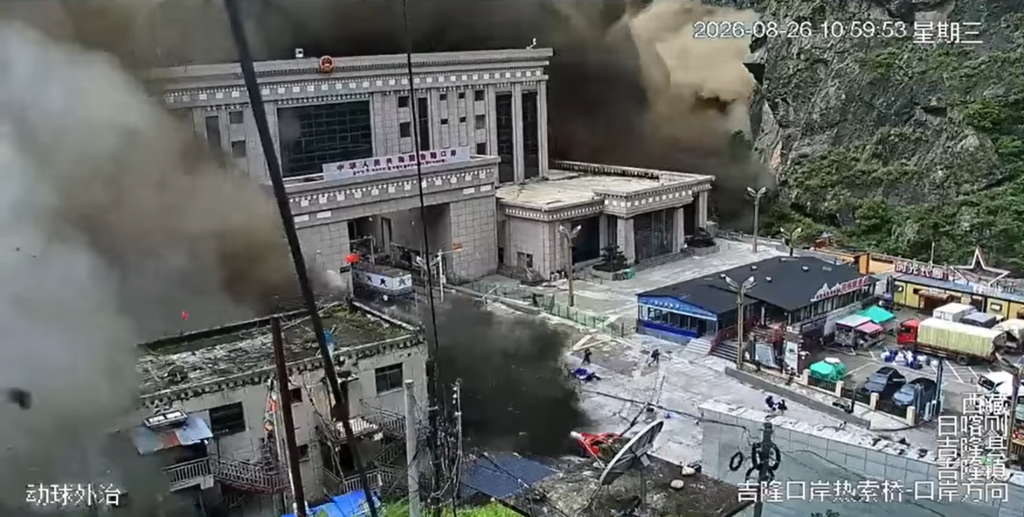
It’s especially true in high-mountain regions like Langtang in Nepal, where a recent glacier collapse triggered devastating flash floods. Despite the region’s picturesque setting, it sits downwind from some of the most heavily polluted corridors in South Asia.
And while the exact trigger of the Nepal disaster is still unclear, scientists warn that air pollution is a growing threat to the world’s glaciers and one that, together with global warming, is ultimately increasing the risk of catastrophic glacier failures and floods. “It’s having a huge impact on these glaciers, especially as they become thinner and thinner,” said Marco Tedesco, a professor of geophysics at the Lamont-Doherty Earth Observatory at Columbia University.
These findings underscore how few places on Earth remain untouched by pollution, whether microplastics in the depths of the Pacific Ocean or toxic PFAS “forever chemicals” in the Amazon.
Scientists are particularly concerned about soot on glaciers, and not just because of the heavy metals and other hazardous materials the pollution contains.