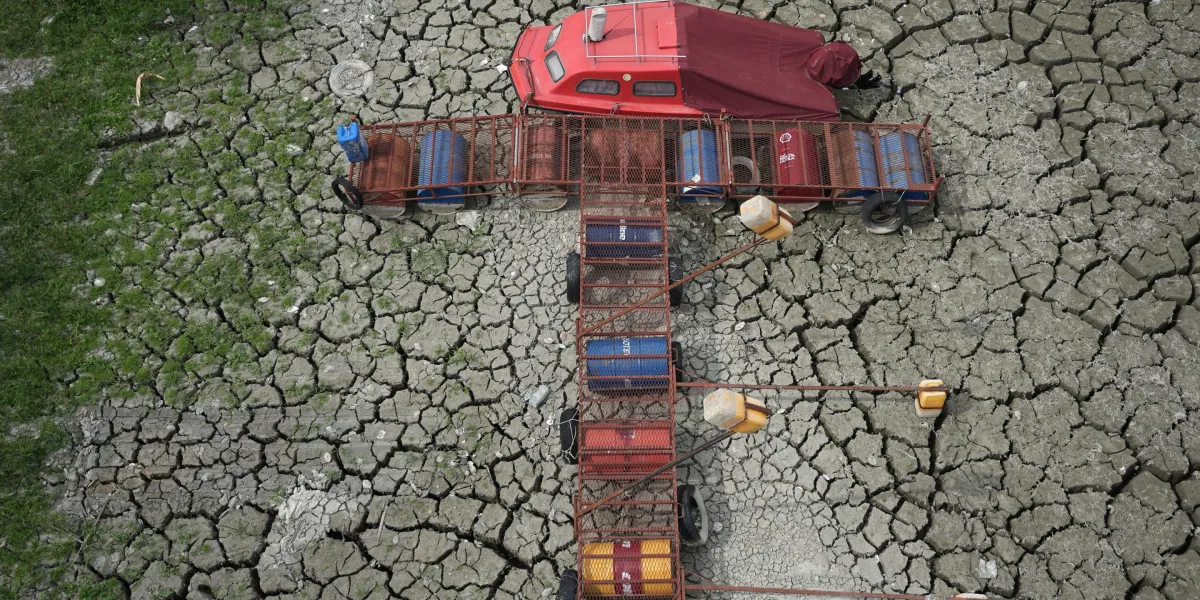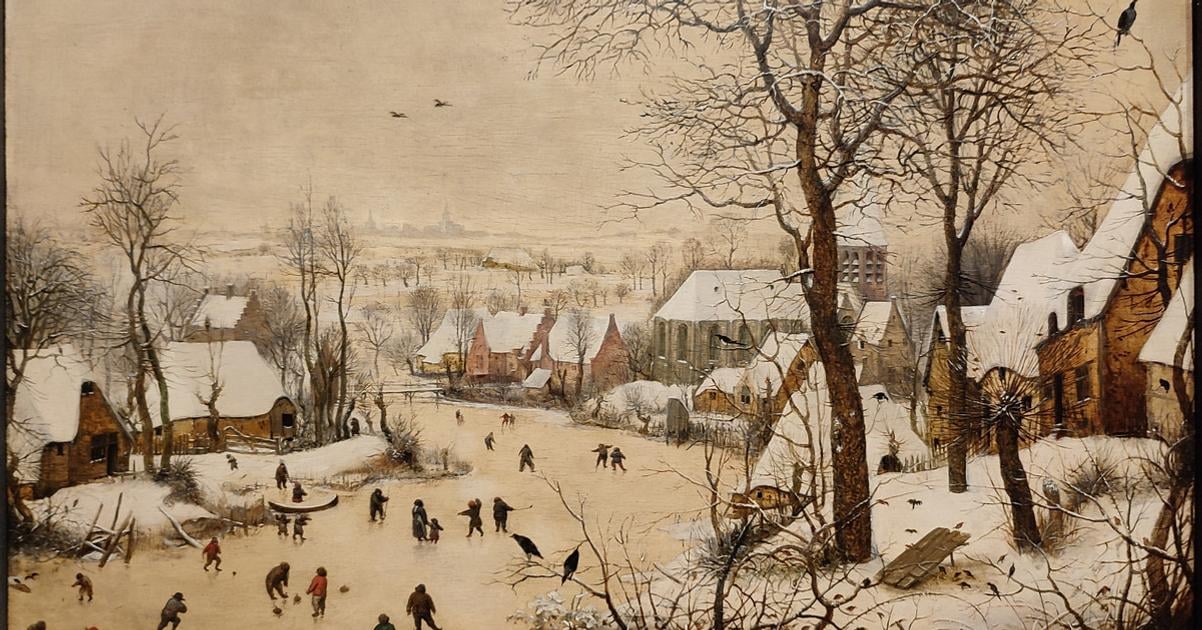
Floods, droughts and warfare transformed the landscape in the 16th and 17th centuries, changing what people grew, where they lived and how they defended themselves.
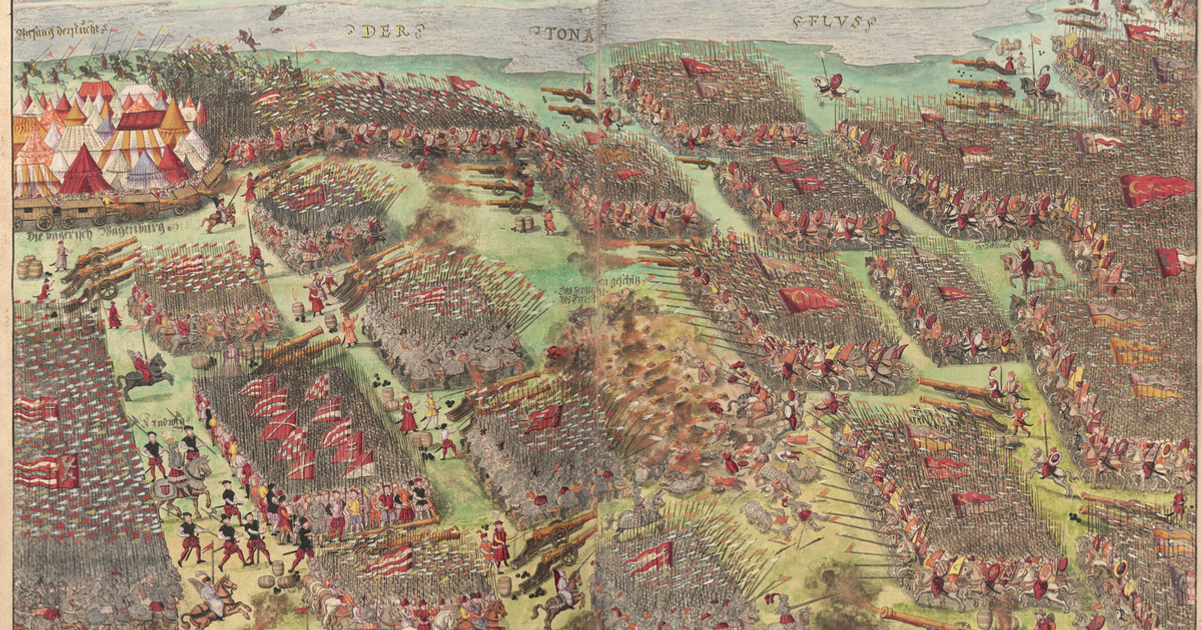
The early modern period in Hungary was a rather turbulent chapter in its history. Alongside the civil war, the incorporation of Hungary into the Habsburg monarchy, the Ottoman occupation of large parts of the country and the military confrontation that accompanied it, climate change was also unfolding in the background. All these factors forced society, willingly or otherwise, to respond, and this was reflected in the cultural landscape.
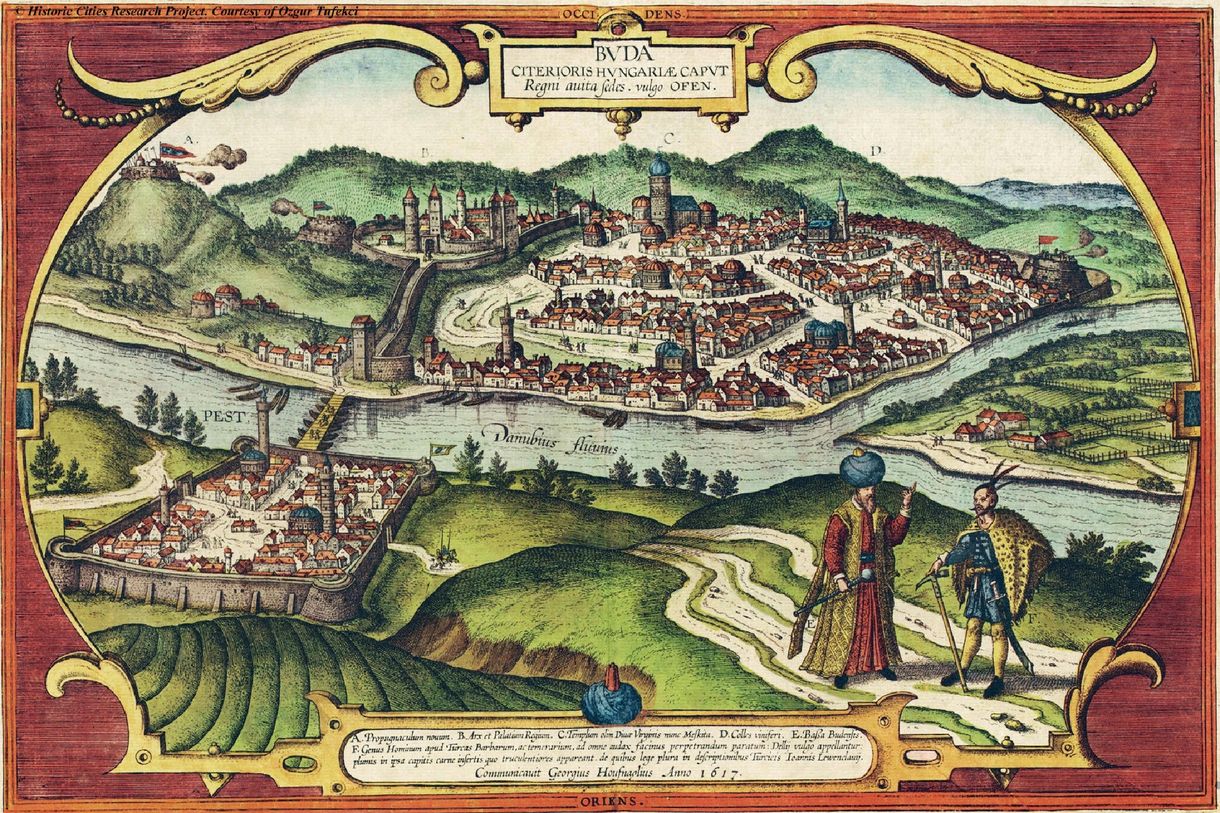
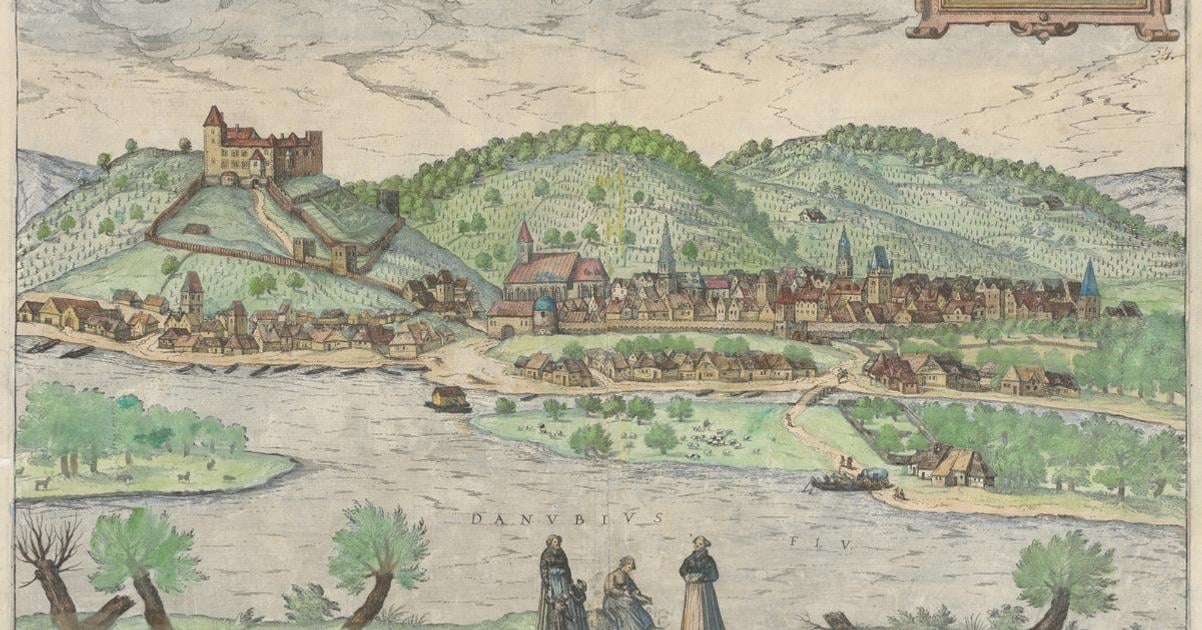
Its appearance changed in many ways compared with previous centuries. These changes were recorded not only in written sources but also in iconographic ones: vedute, plans and maps. Today, these sources allow us, with the help of interdisciplinary research, to reconstruct the early modern landscape and gain an insight into the life of individuals during this period.
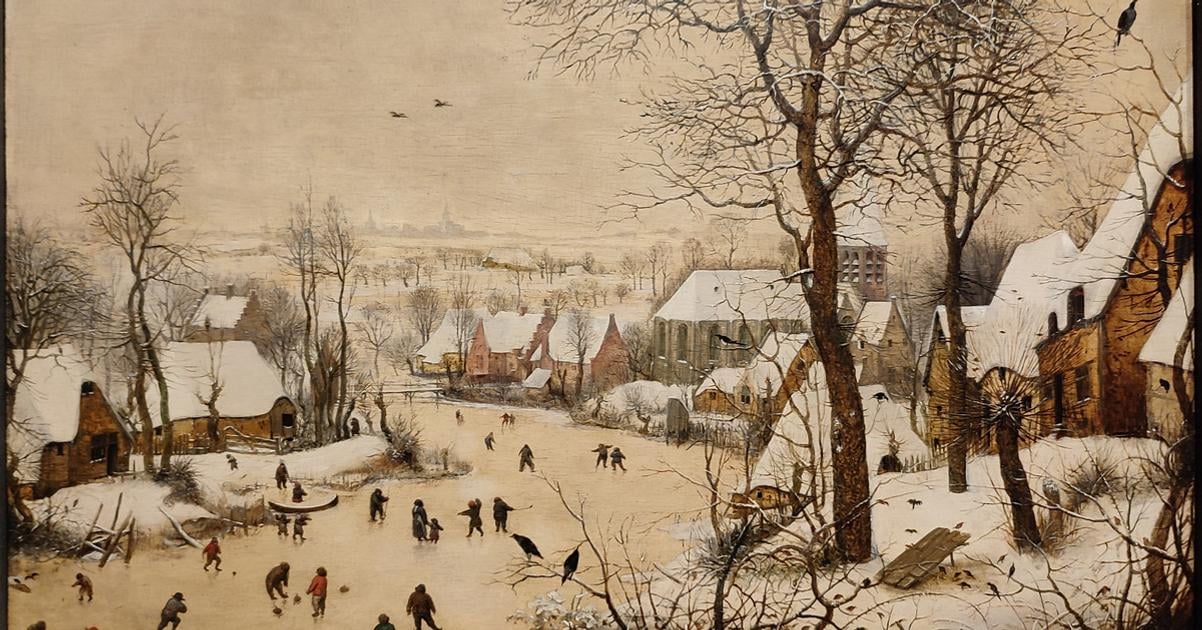
Marked by Ottoman expansion into Hungary, the 16th and 17th centuries fell within a period known as the so-called Little Ice Age. The term, coined by American glaciologist François Matthes (1875–1949), was intended to draw attention to the fact that relatively favourable climatic conditions deteriorated following the relatively warm and dry medieval climatic anomaly. Although the name itself suggests that temperatures fell, this description cannot be applied uniformly to the several centuries that made up the Little Ice Age. In the long term, average temperatures did decline, but there were also periods when temperatures were average or even unusually high.