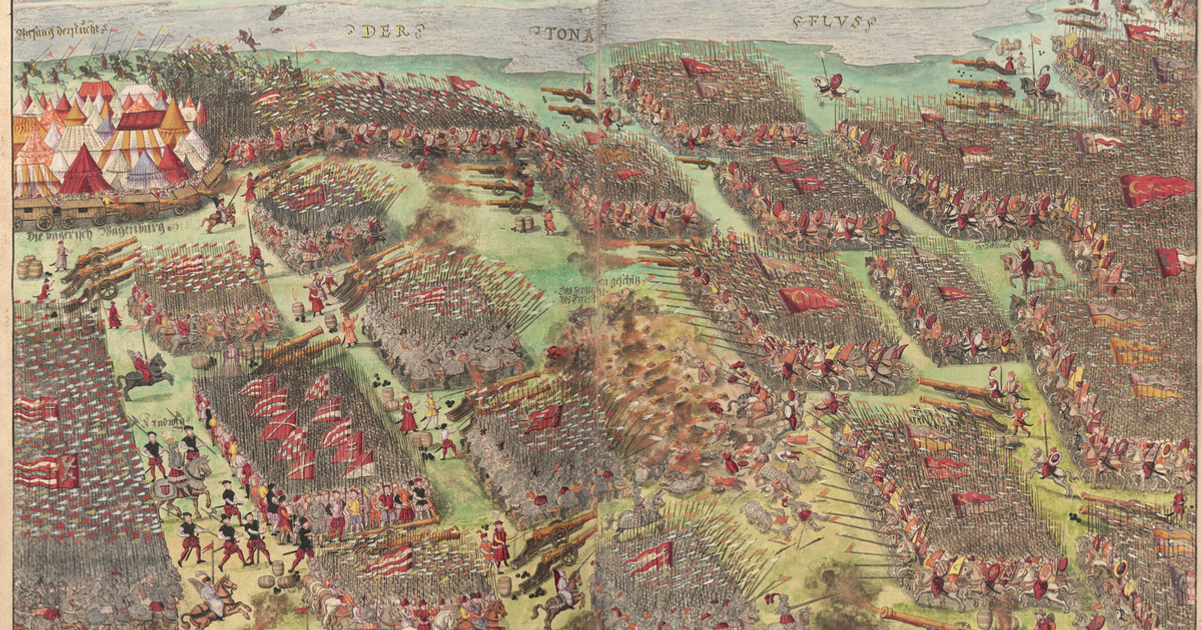
At Mohács, the army of Louis II faced an Ottoman force at least three times its size. The defeat cost Hungary its king and reshaped the region for generations.
When Sultan Suleiman came to the throne in 1520, he sent envoys to neighbouring rulers – including the fifteen-year-old King Louis II of Hungary.
However, alongside the envoy, reports also reached Buda of unrest in Asia caused by the change on the throne. In accordance with established practice, the Hungarians therefore tried to avoid giving an immediate response and appealed to the European powers. By the time Hungarian envoys reached their destination in 1521, however, Suleiman’s army was already on its way to Hungary.
This was the young sultan’s first independent military campaign, and this fact, combined with a lack of unity within the Ottoman command, resulted in considerable hesitation and a number of mistakes. Nevertheless, thanks to the almost complete inactivity of the Hungarian side, the campaign ultimately ended successfully.
The Ottomans managed to capture two key fortresses in Hungary’s southern defensive line – Šabac and the famous Belgrade (Nándorfehérvár) – thereby securing bridgeheads on the Sava, the most important river along the southern frontier.