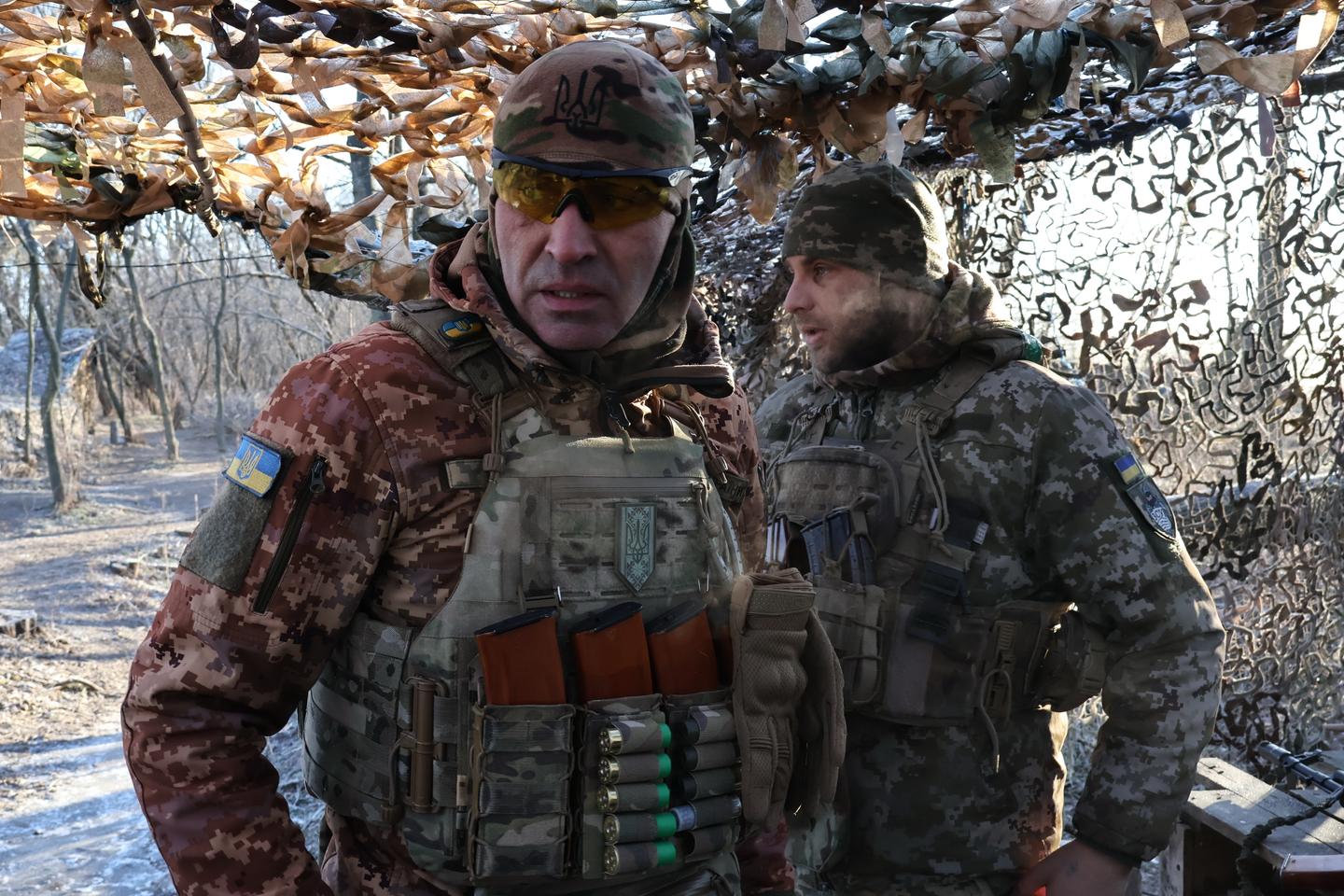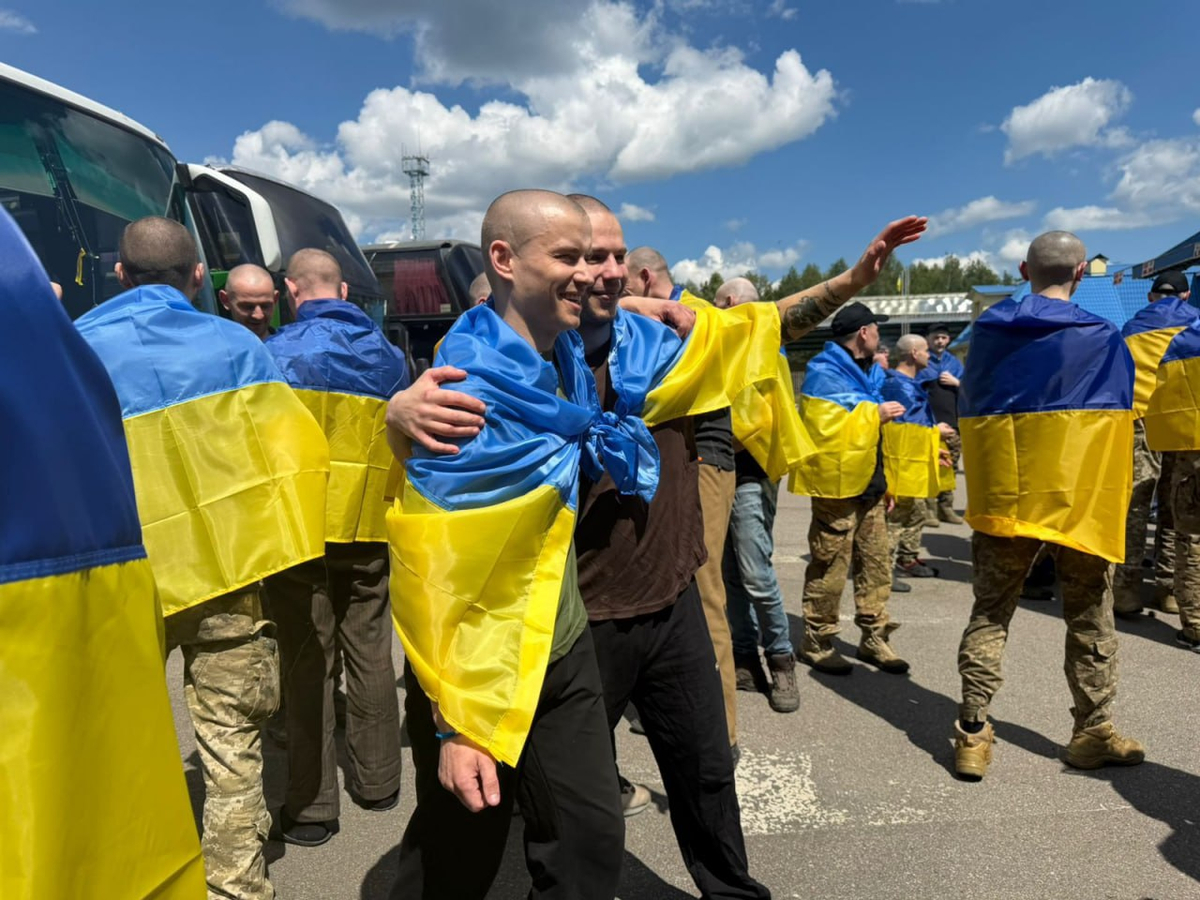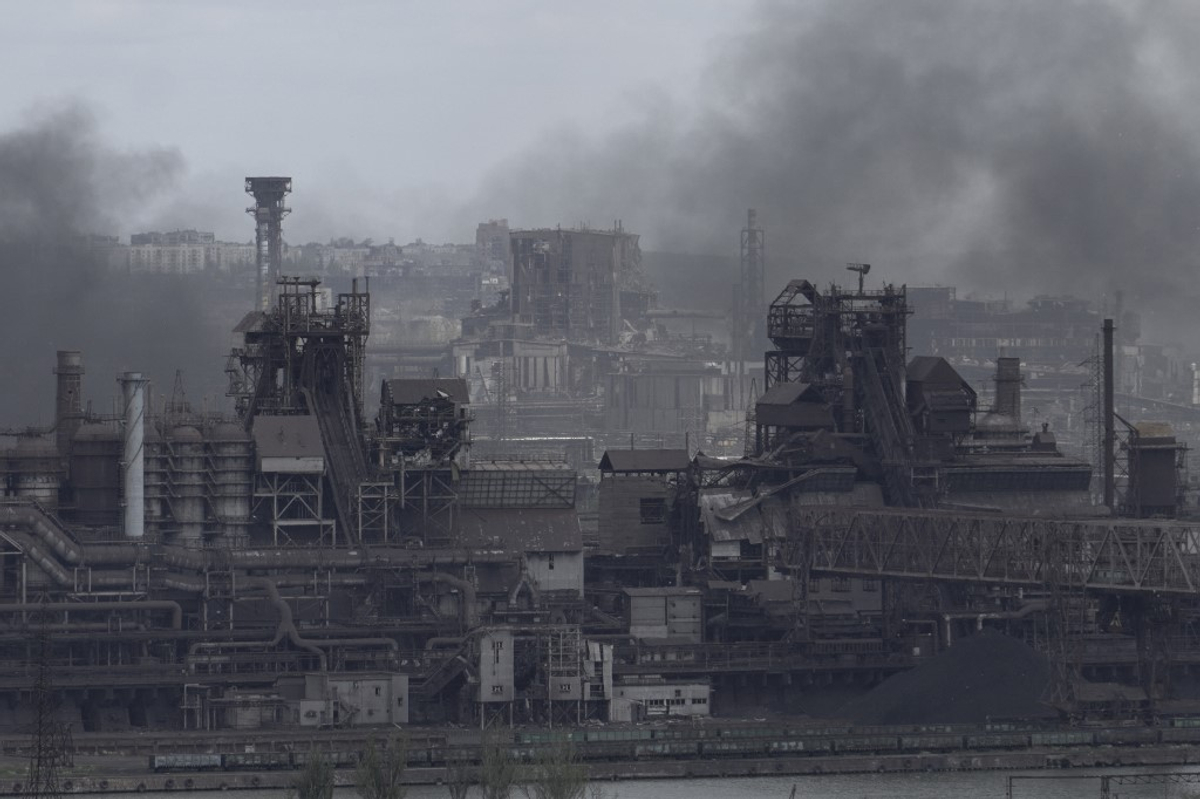
On May 20, 2022, the very last Ukrainian defenders of the Black Sea port city Mariupol laid down arms and walked out of the remains of the Azovstal steel plant, defeated but unbowed, and into Russian custody and history. For two months, three weeks and five days, Ukrainian national guardsmen, marines, border troops, police, civilian volunteers, special forces and splinters of at least four army brigades held out, in Mariupol, against at least five and likely eight to ten times their number of Russians. The attackers were picked troops. The Kremlin-favored 150th Motor Rifle Division traced its heritage straight back to WWII and the capture of the Reichstag in Berlin. The elite 810th Naval Infantry, fresh from successful amphibious landings around Berdyansk, was recruited, in part, from Ukrainians who had gone over to Russia in 2014. Both featured regularly on state-run TV as exemplars of Russian military might. Thousands of Moscow-loyal troops raised in the occupied Donetsk region backed them.JOIN US ON TELEGRAMFollow our coverage of the war on the @Kyivpost_official. Supporting Russia’s ground assault was an air force operating with total air supremacy, and artillery not just out-shooting Ukrainian gunners 10 or 20 shells to one but just firing with impunity. In about the third week of the siege, the Ukrainians ran out of artillery shells completely. Worse for Ukrainian hopes to make a fight at Mariupol, in the early days of the (second) invasion, Ukrainian defenses north of Crimea had collapsed. Instead of the expected attack from the east, Mariupol’s defenders found themselves surrounded almost from the first day of the war. Every day they held out, the chances of surviving to fight again decreased. One of the great achievements of Ukrainian arms at Mariupol is that most of the siege was fought by men and women knowing the only way out was death or a Russian prisoner of war camp.
Ukrainian Defiance, Spartans at Azovstal and Thermopylae – The Siege of Mariupol
Outnumbered ten to one, outgunned, surrounded from day one – Mariupol’s defenders proved that Ukraine would fight, and changed the war.
1,044 words~5 min read