From mediaeval monastery gardens and Baroque palaces to public parks and modernist villas.
Evidence of garden design in what is now Slovakia can be traced back to the Late Middle Ages.
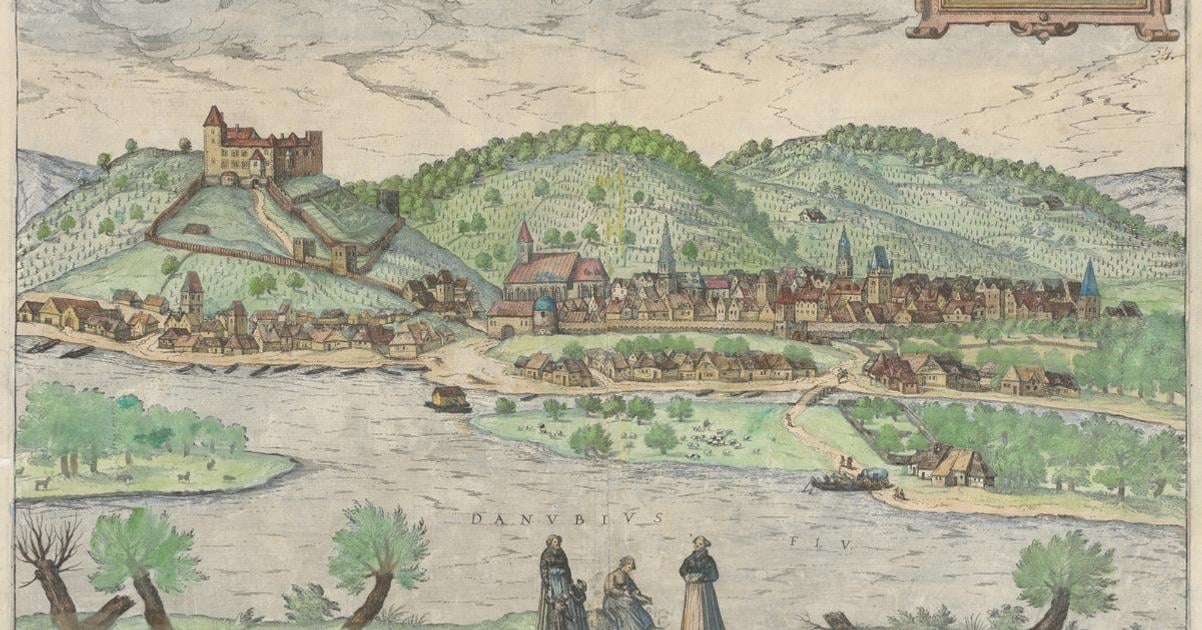
Mediaeval European towns contained relatively little greenery or garden space, reflecting contemporary attitudes towards nature. Moreover, for defensive reasons, towns were enclosed by fortifications, leaving little room for extensive garden development.
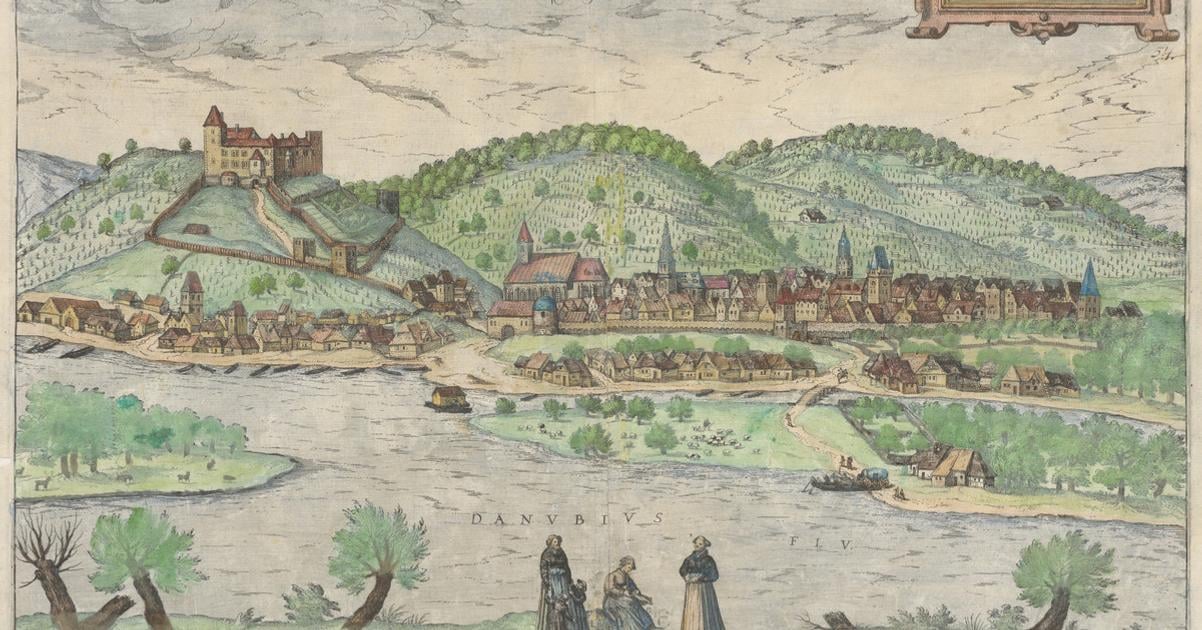
Bratislava’s architectural development was likewise constrained for almost 500 years by its city walls, construction of which began in 1297 on the orders of King Andrew III.
Until the 15th century, most houses in Bratislava were built of timber or half-timbered construction. The streets did not form continuous built-up frontages; burghers’ houses stood separately within farmyards, each containing a garden. It was only during the 15th century that this dispersed pattern of development gradually gave way to continuous street frontages, and timber houses were replaced by masonry buildings.