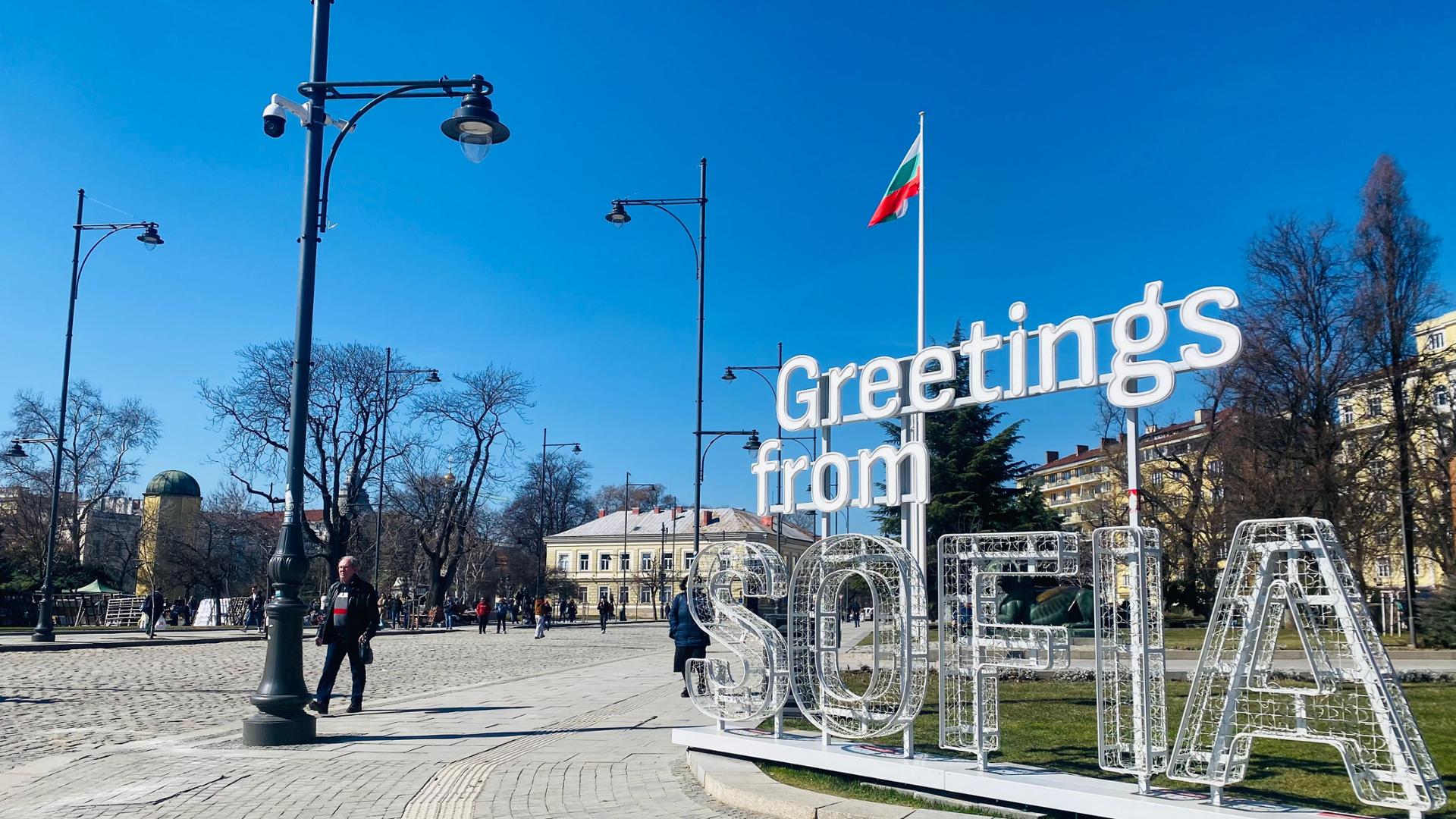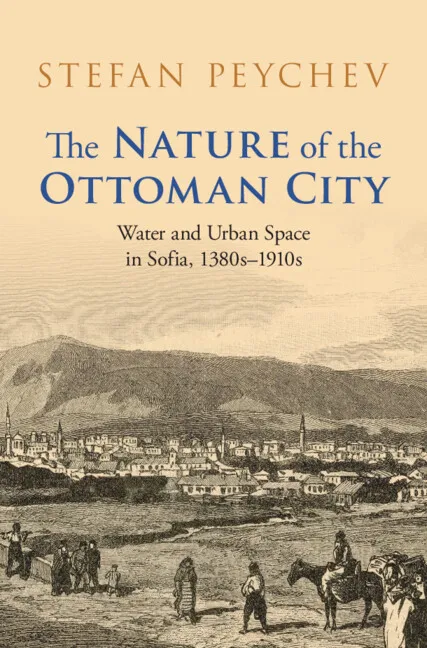
The history of a city is political. When examining the heritage of a place, it is often the case that present-day politics projects itself onto the past. Perhaps no other example of this is truer than the Ottoman past in Central and Eastern Europe. In 1913, the local council of the Bulgarian city of Sofia voted to demolish the last remaining Ottoman bathhouse, as Stefan Peychev writes, the destruction of the bathhouse represented more than the removal of a hygiene facility. ‘The bath was also one of the last architectural relics of a 500-year-long period that had seen Sofia’s rise as the capital of the Ottoman Empire’s European possessions in the mid-fifteenth century and its eventual decline to provincial obscurity in the nineteenth.’ From the late 19th century, a new tradition nationalist tradition emerged that viewed the Ottoman rule over Bulgaria as being pitiful, backwards and managing the country poorly. No better example, critics would point to, than the way the Ottomans failed to cultivate Sofia’s natural environment and water resources for the benefit of the population. This narrative initially espoused by nationalist activists and politicians made its way into the way early 20th century Bulgarian historians wrote about the past. In his new book The Nature of the Ottoman City: Water and Urban Space in Sofia, 1380s-1910s, Peychev critically takes apart these notions.
The Nature of the Ottoman City: Water and Urban Space in Sofia, 1380s–1910s
The history of a city is political. When examining the heritage of a place, it is often the case that present-day politics projects itself onto the past. Perhaps no other example of this is truer t…
869 words~4 min read