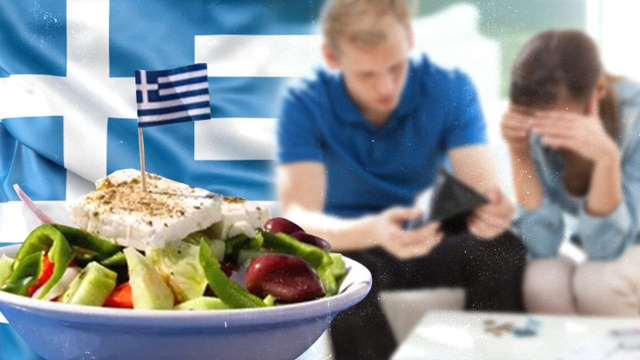
Inflation returned to high levels in August, after the July slowdown, with new pressures coming mainly from fuel and energy in general, but also from services, whose prices in Greece traditionally increase in the summer due to the high demand caused by tourism.
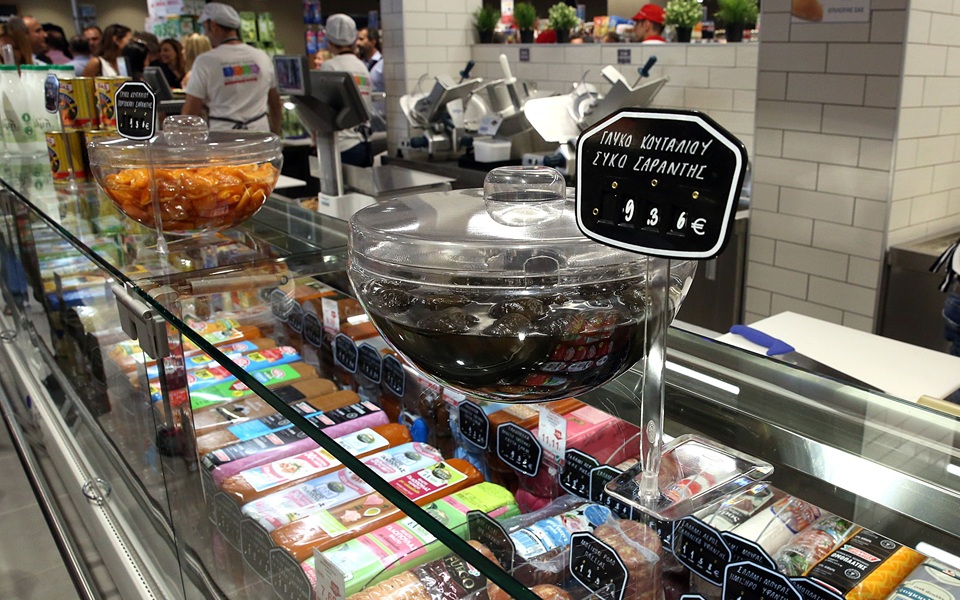
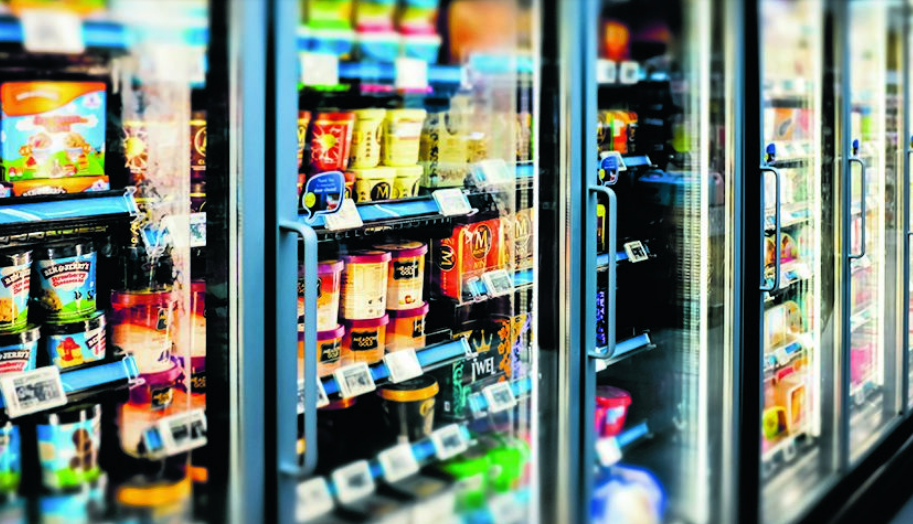
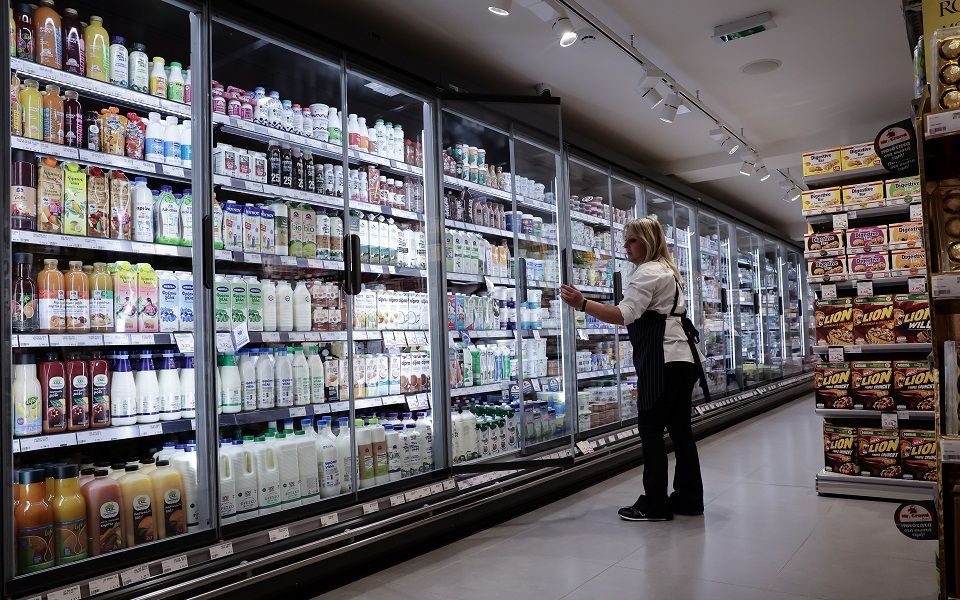
Meanwhile, no price hikes were recorded in the food group, which means that the agreement to freeze prices in the two months of July-August was largely respected, and on the relatively mild summer, prevented major fluctuations in fruit and vegetable prices.
According to Eurostat estimates, the European Union-harmonized consumer price index increased in Greece in August to 3.7% compared to the same month last year, against an annual increase of 2.7% in July. On a monthly basis, August compared to July, the harmonized index increased by 0.4%.
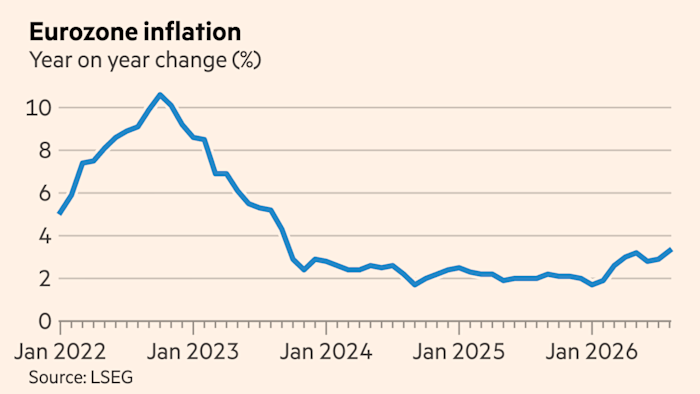
The annual rise to 3.7% was the sixth highest in the eurozone, where inflation in August was 3.3% compared to 2.9% in July.
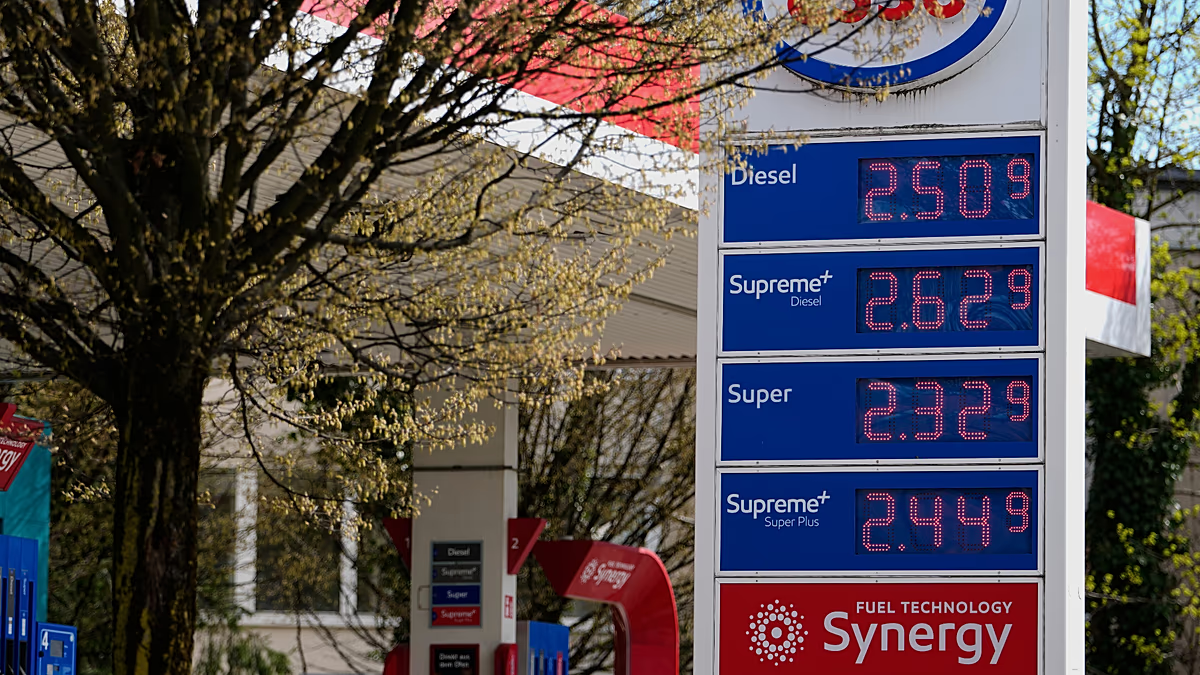
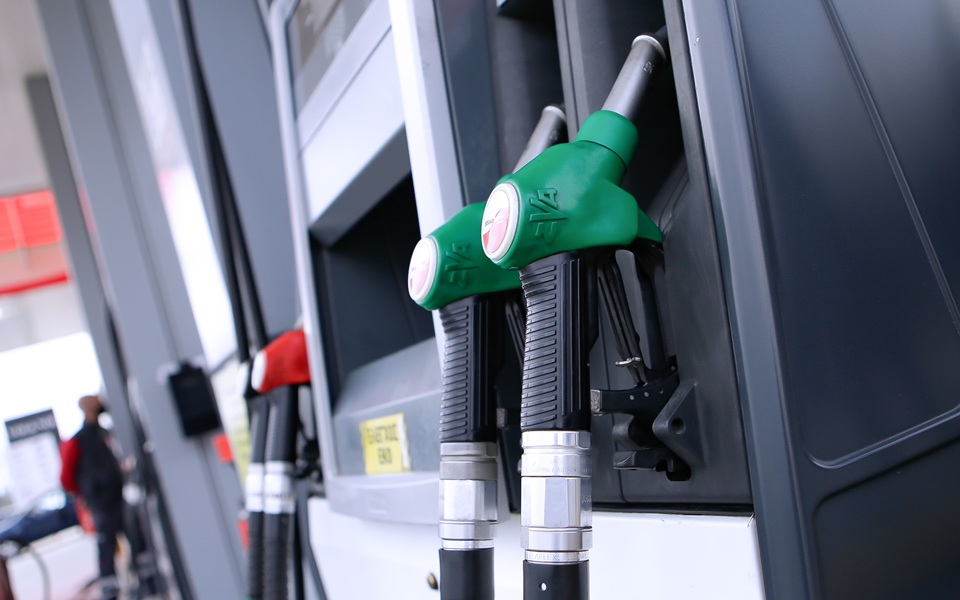
Eurostat’s analytical data shows that the increase in fuel prices – despite subsidies – was the one that mainly led to a new jump in inflation.