The EU-harmonized consumer price index in Greece slowed down significantly in July, to 2.7%, from 3.9% in June, according to Eurostat estimates. In contrast to previous months, inflation in Greece last month was lower than in the eurozone, which is estimated at 2.9%, from 2.8% in June.
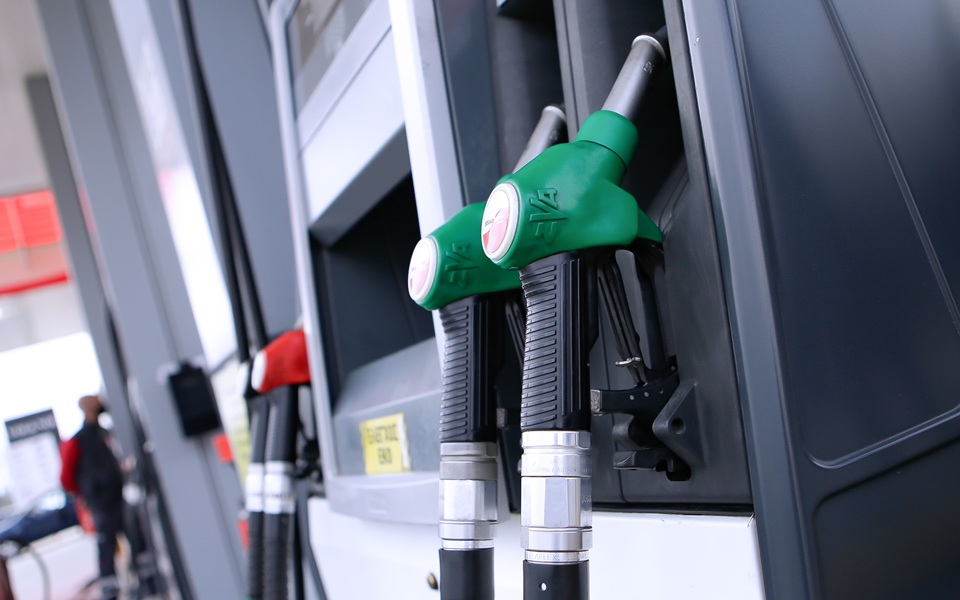
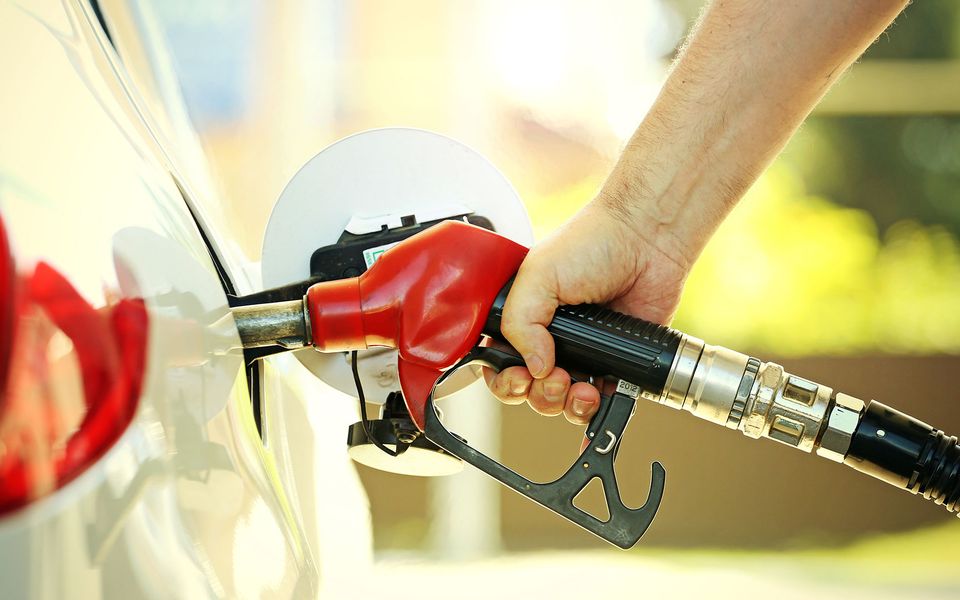
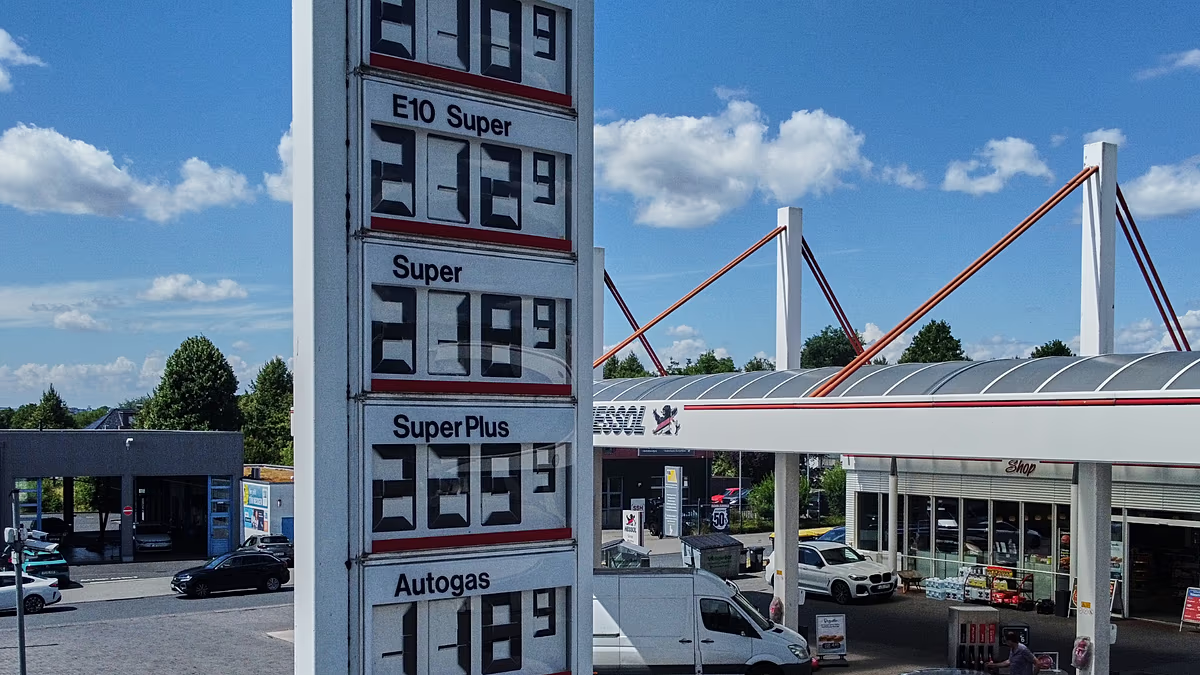
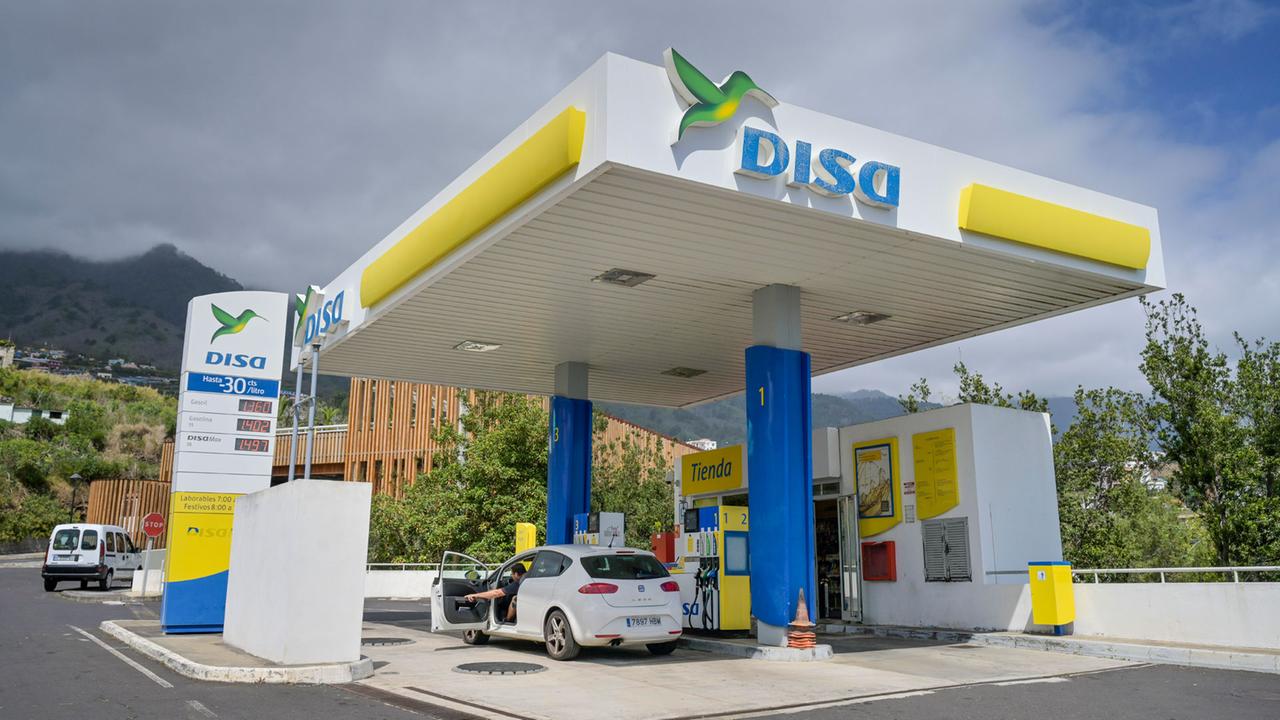
The decline in food prices, the small increase in fuel rates compared to the first outbreak of war in the Persian Gulf and the more moderate increases in the charges for some services, despite the fact that Greece is in the middle of the tourist season, seem to have played an important role in the significant slowdown in inflation in Greece.
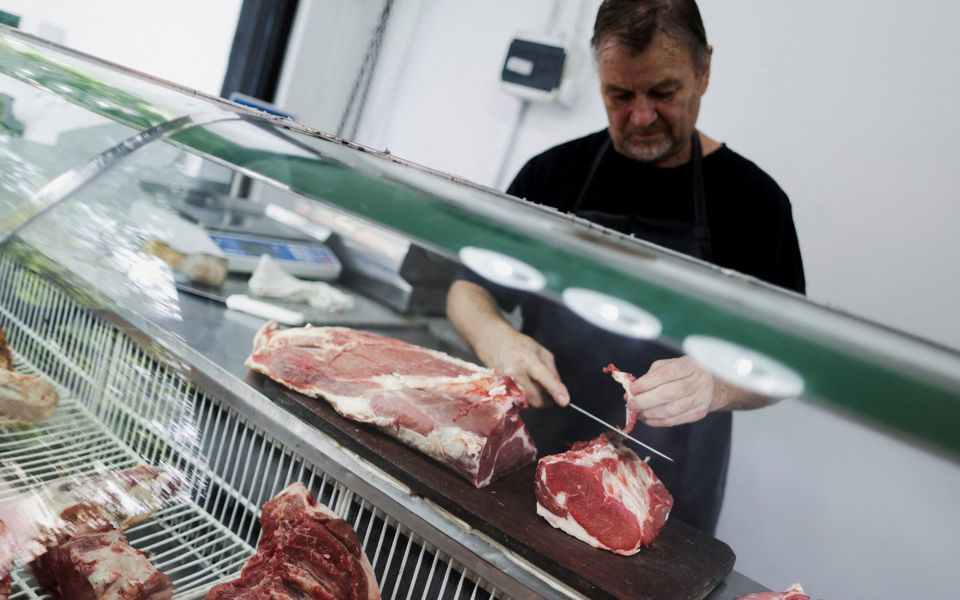
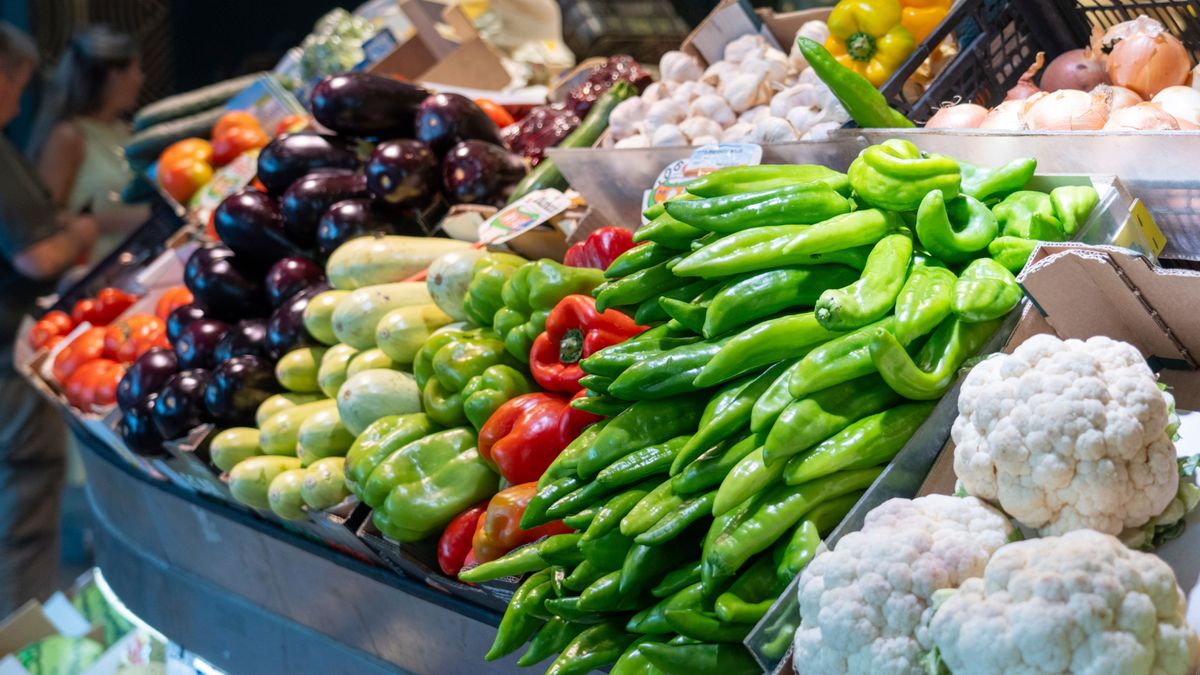
According to Eurostat’s analytical data, food prices, including alcoholic beverages and tobacco, fell in Greece in July by 0.3% on an annual basis, while the decline compared to June was even more significant, at 2.2%.
This decline is mainly due to the decline in prices for fresh products, given that prices for packaged products had not shown significant increases, initially due to the application of the ceiling on the gross profit margin (until the end of June) and subsequently through an agreement to freeze prices. Some measures are still in force until the end of September, such as the three-month block on promotional actions in the event of price increases.