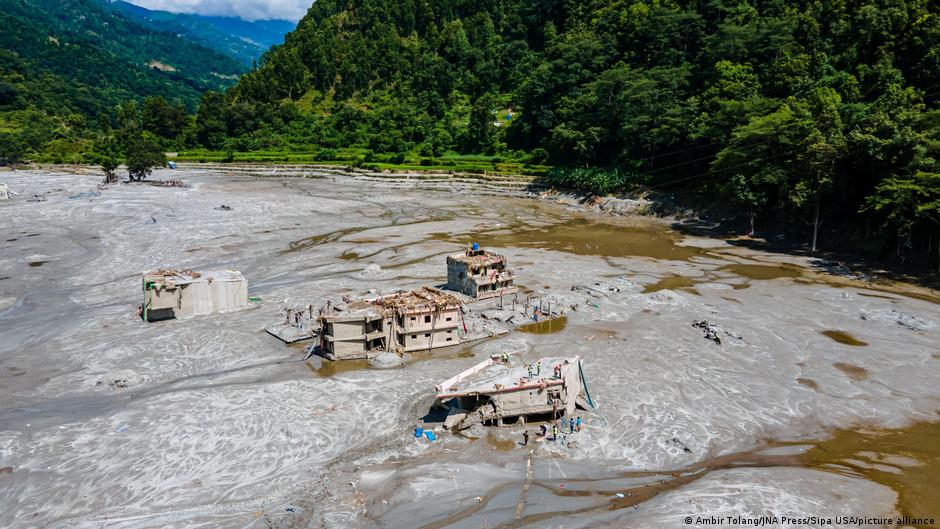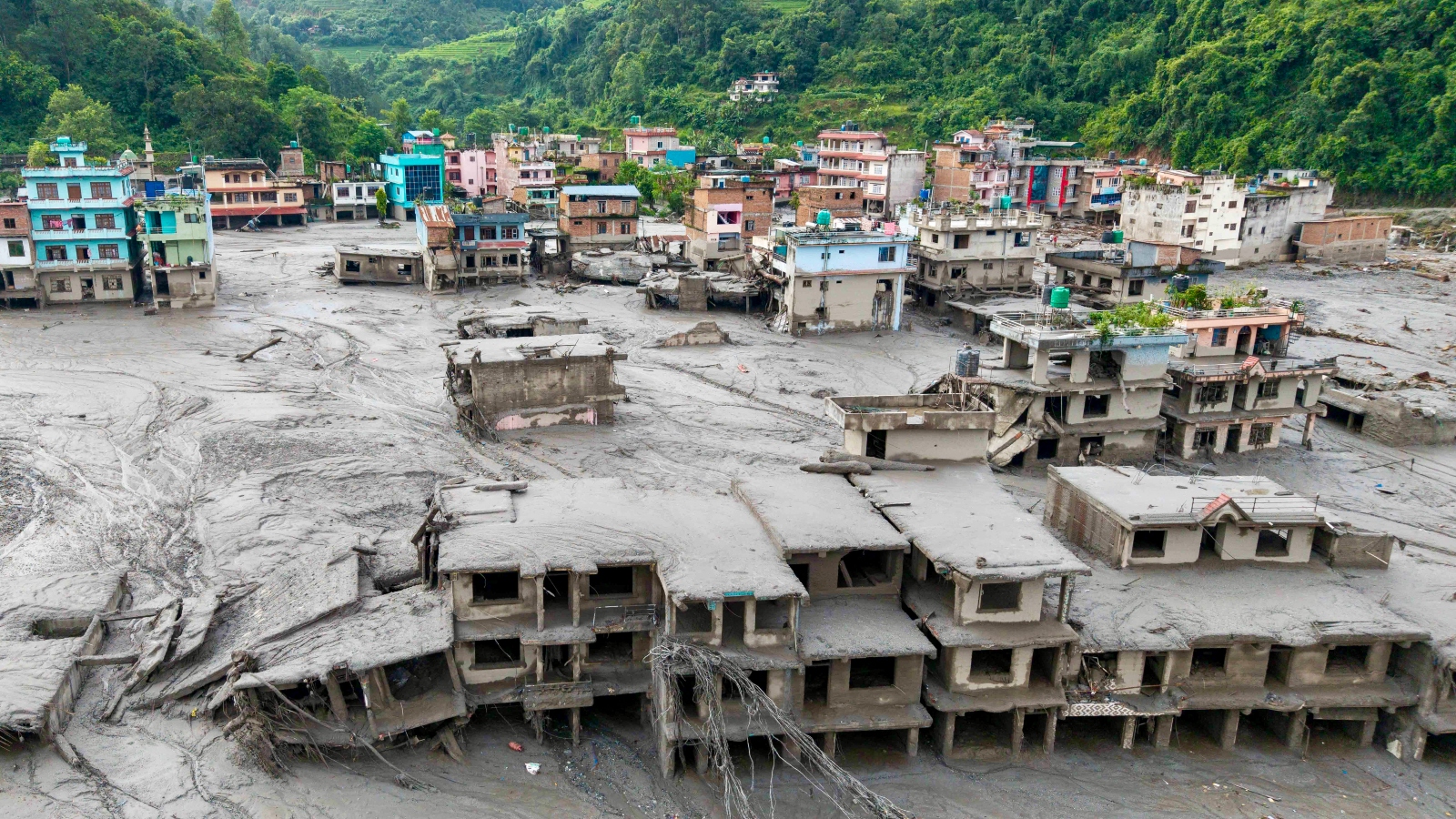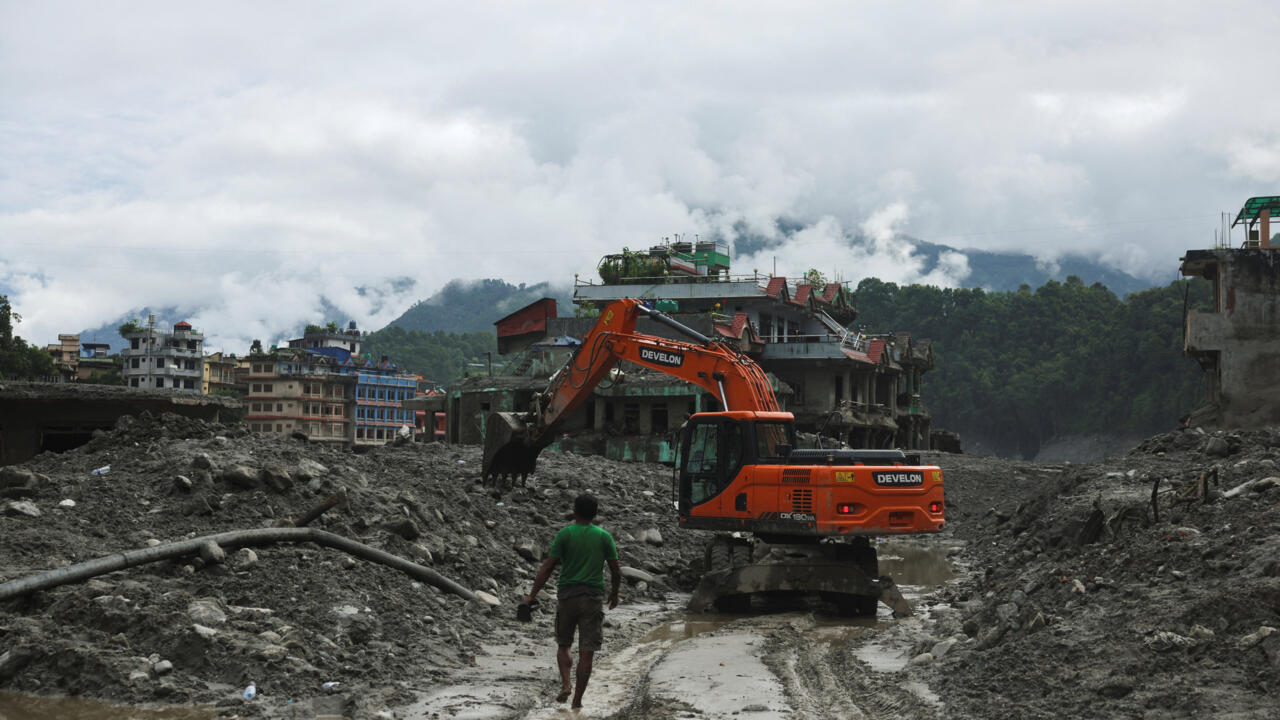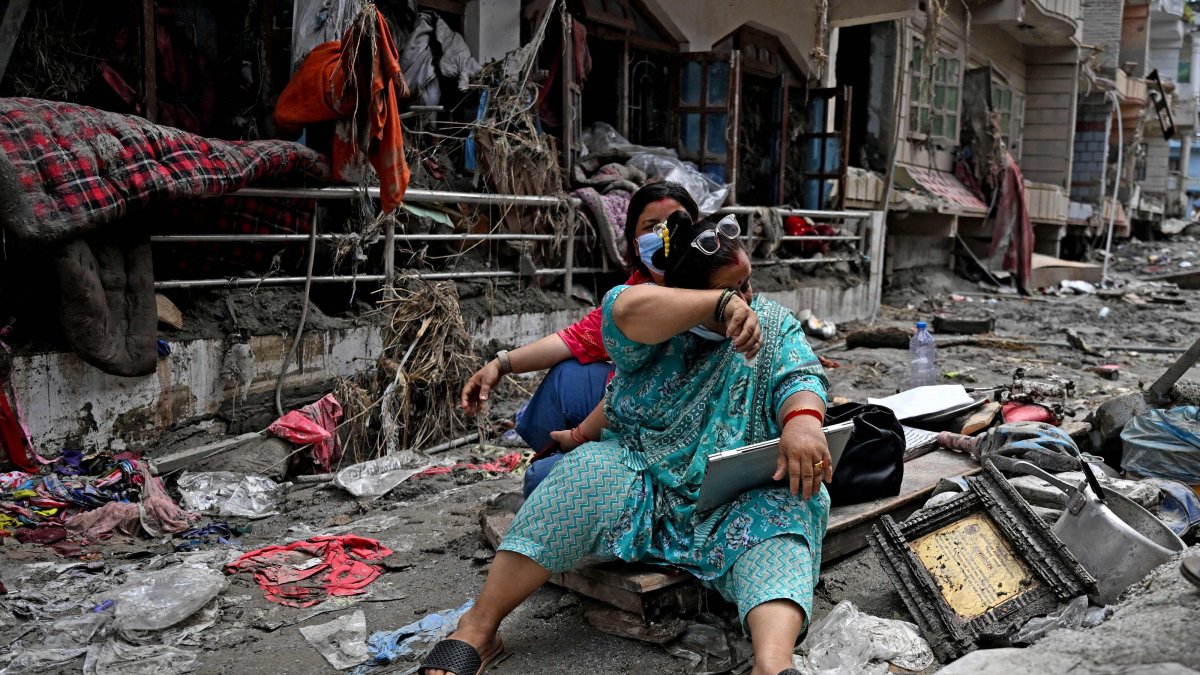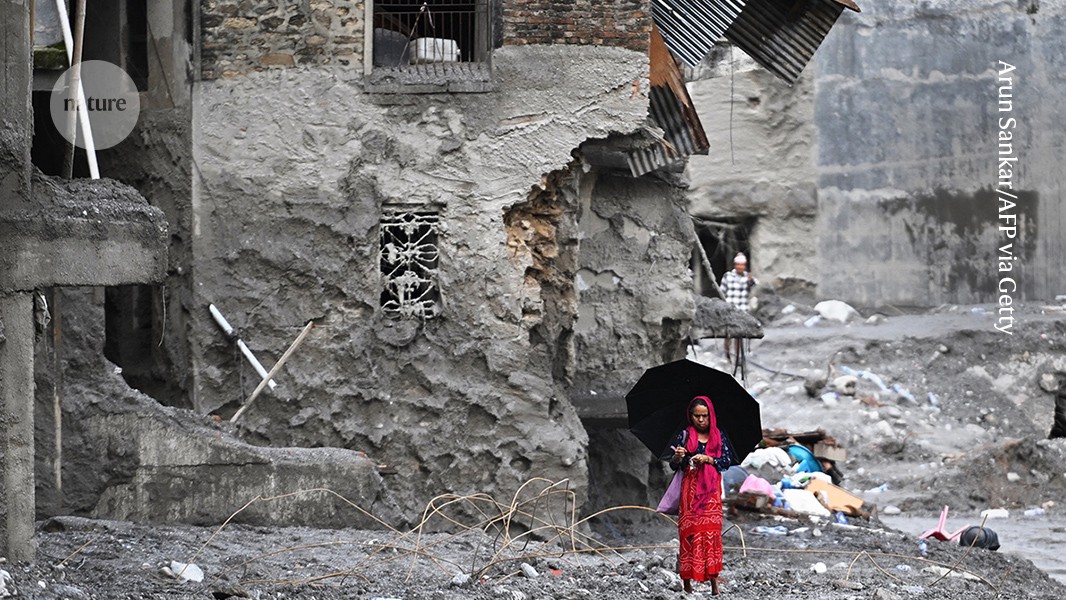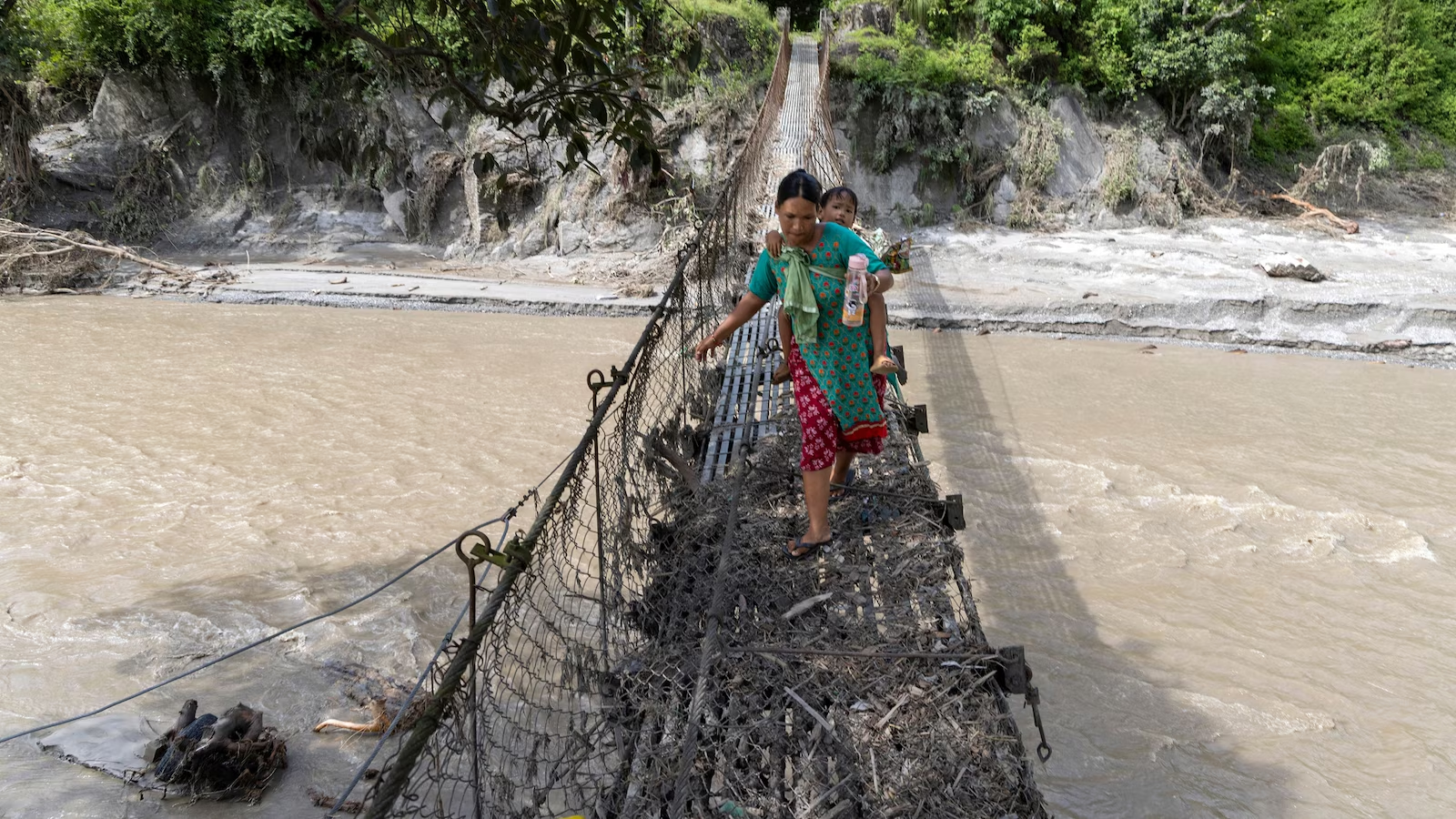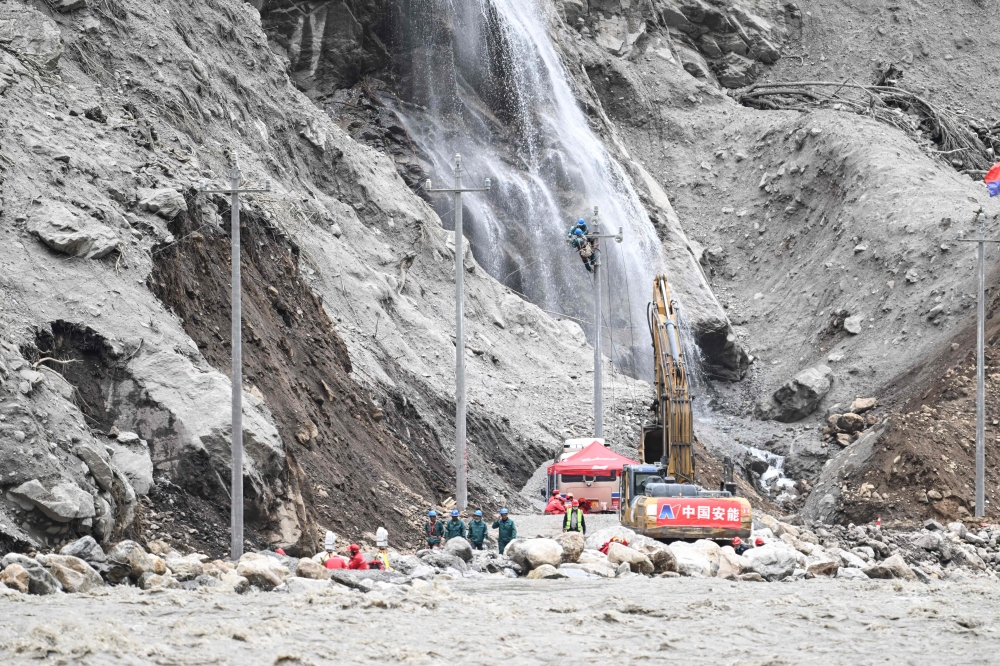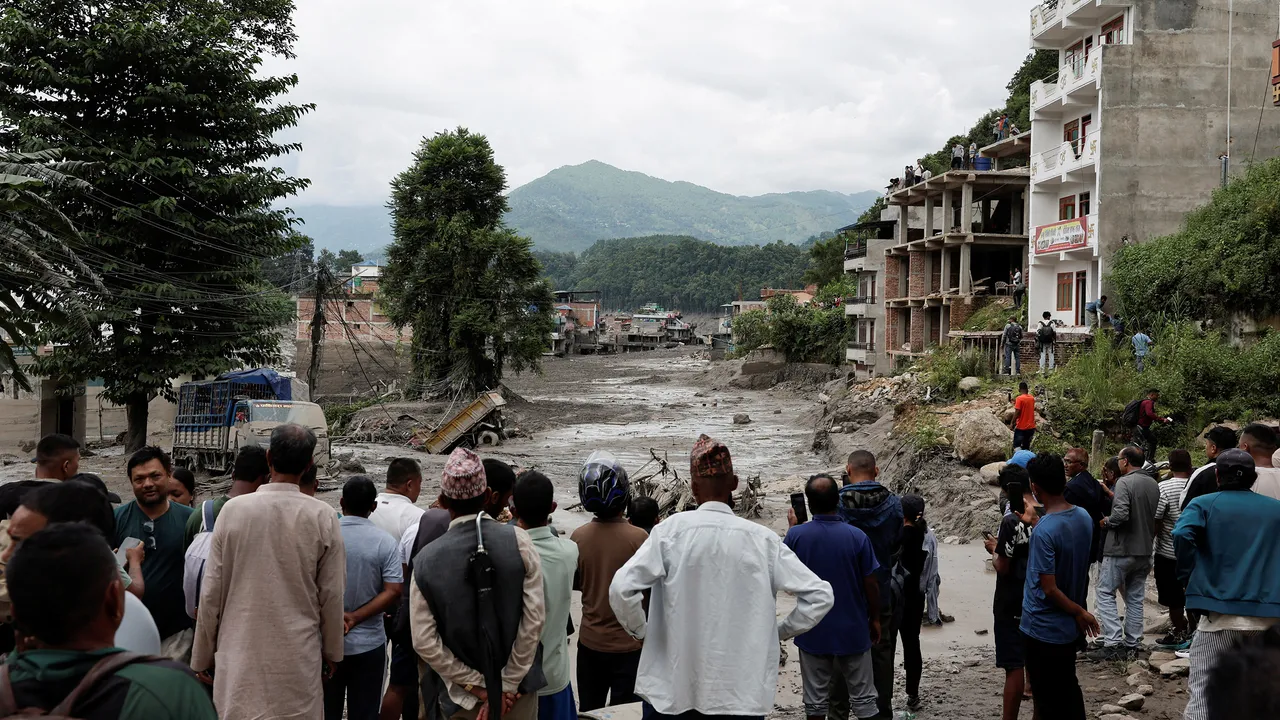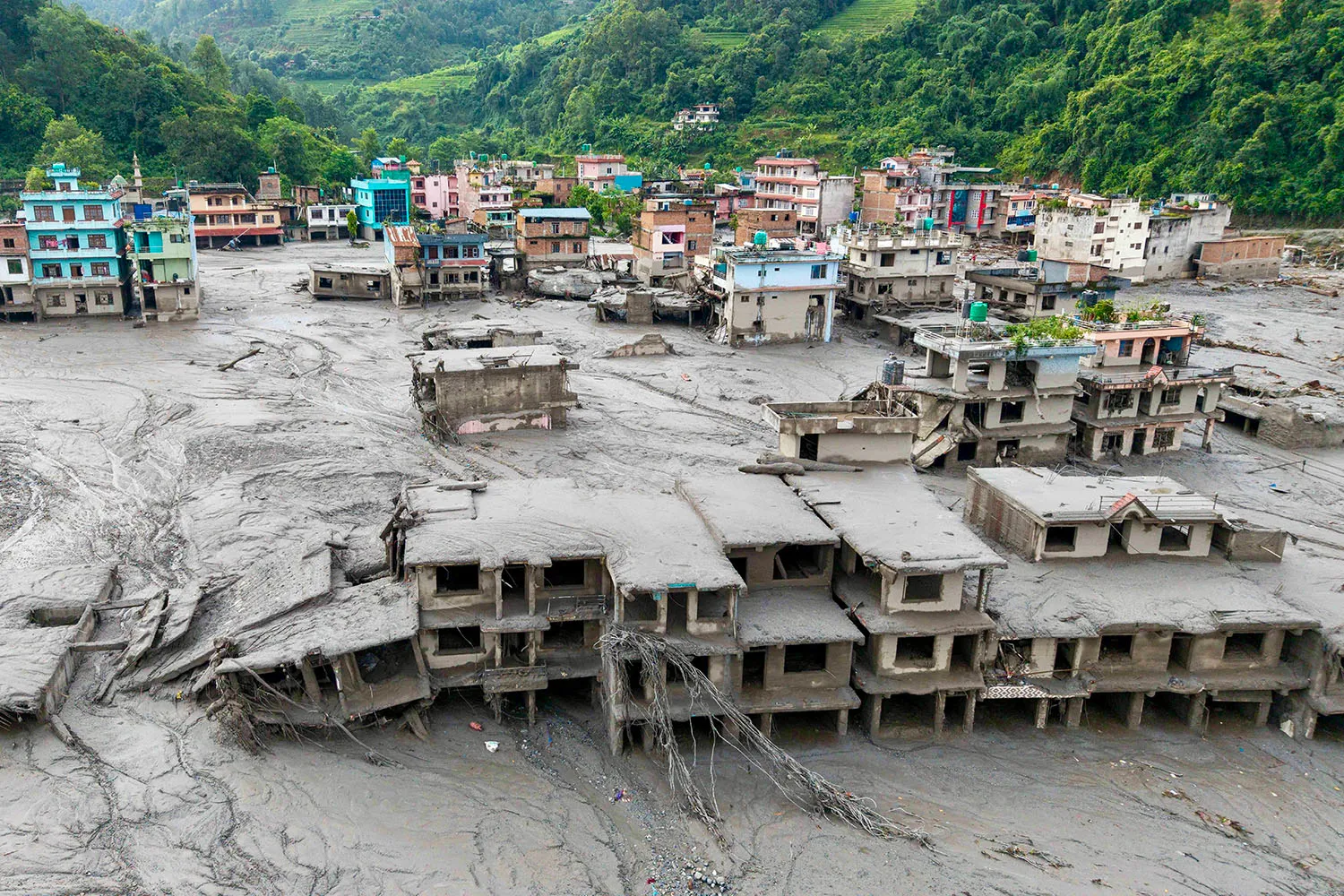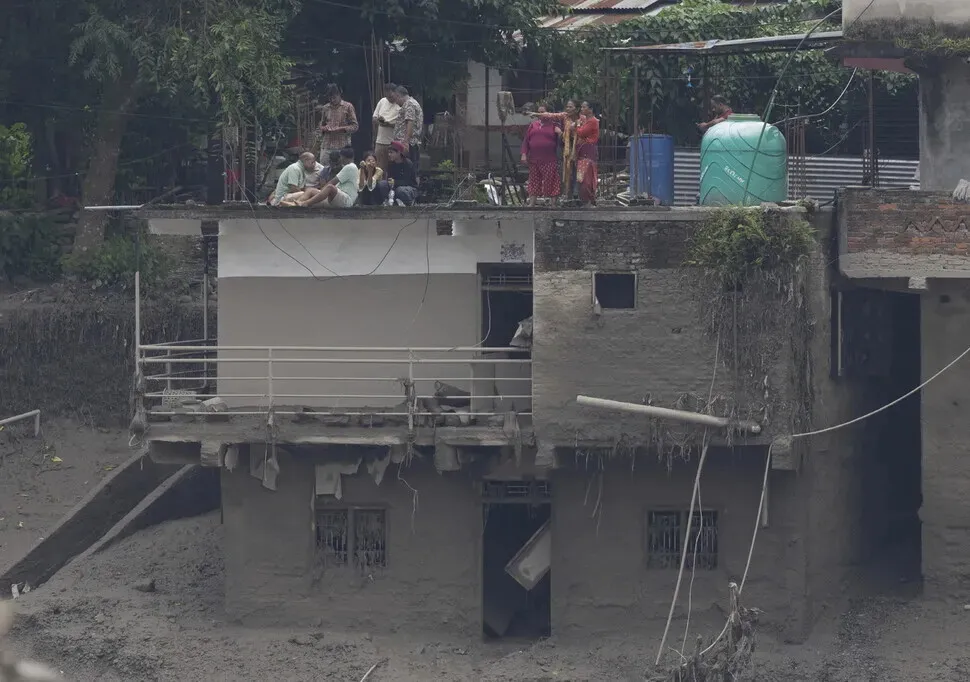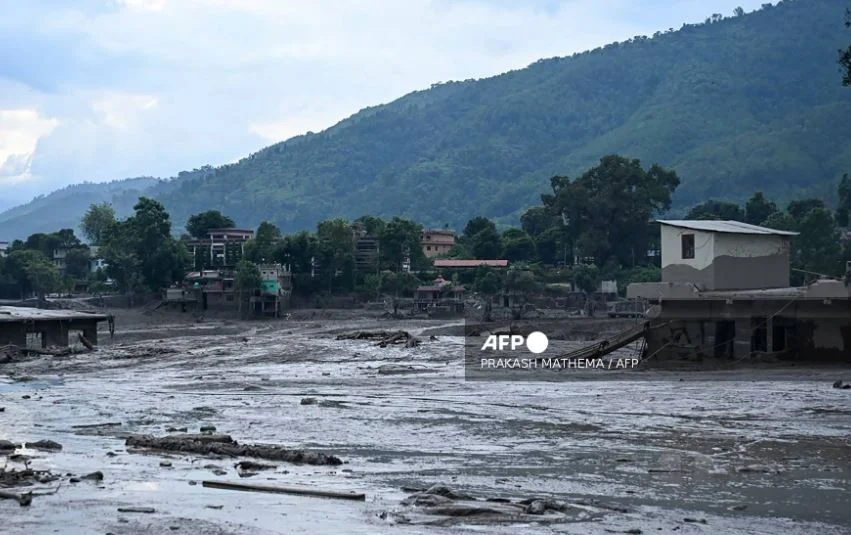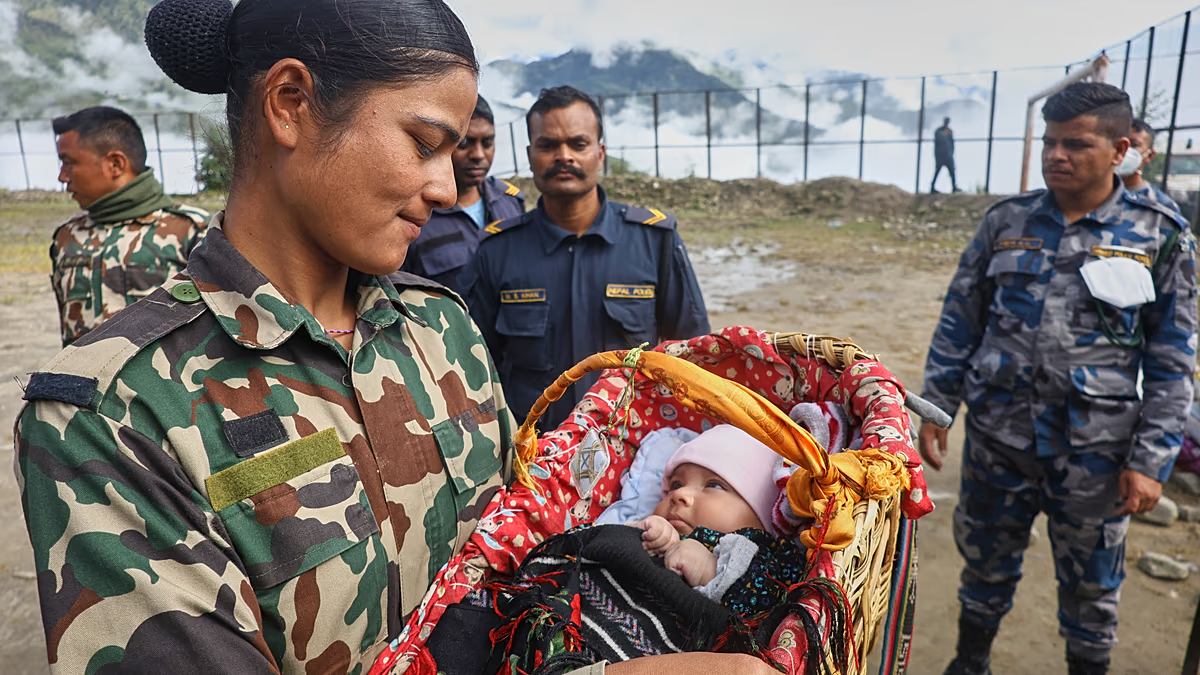
With the death toll over 1,000 and thousands still missing, the human tragedy of the Nepal flooding disaster is undeniable. Some estimate the costs of reconstruction could equal up to a tenth of the country’s entire economy.
Now attention is turning to what caused the disaster and how to prevent devastation on such a scale when “unprecedented” events like this happen again which, scientists say, they will.
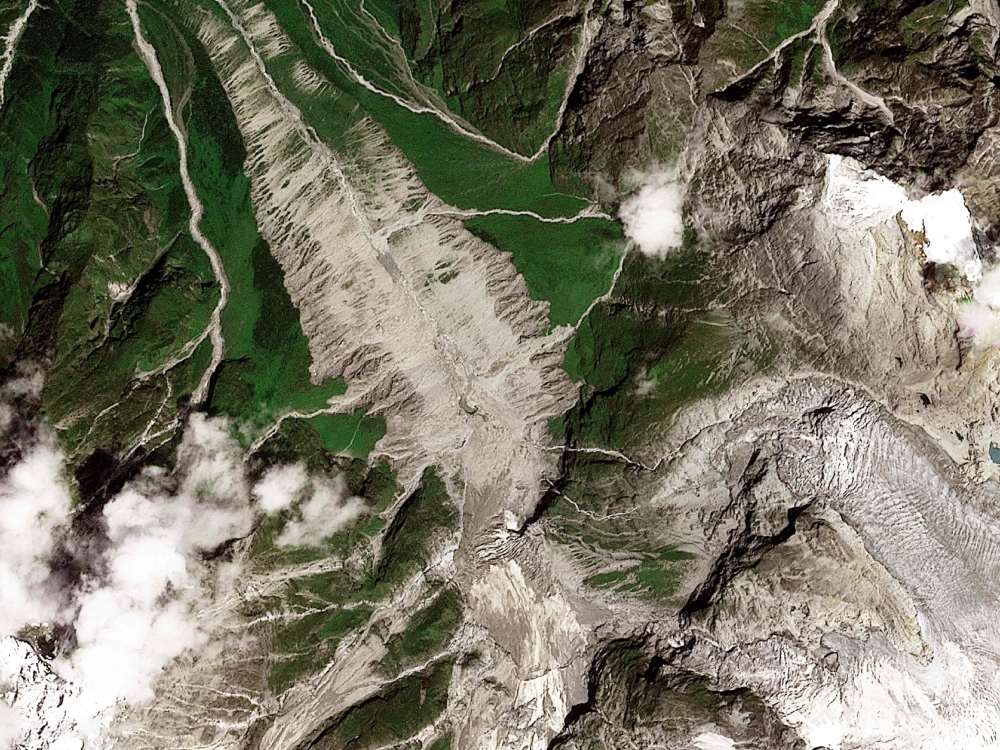
Nepali Prime Minister Balendra Shah has linked the disaster to climate change, saying: “The flood in the Bhote Koshi River in Rasuwa was not an ordinary flood. It was one of the region’s major disasters, triggered by an avalanche of snow and ice in the Himalayan region.”
In the social media post, he went on to say, “It is now time for us to strongly raise with the international community the issue of the disasters we are experiencing as a result of climate change.”
It would be reasonable to assume he is referring to the rich, industrialised countries which are responsible for the vast majority of carbon emissions, unlike Nepal which is a largely rural country.