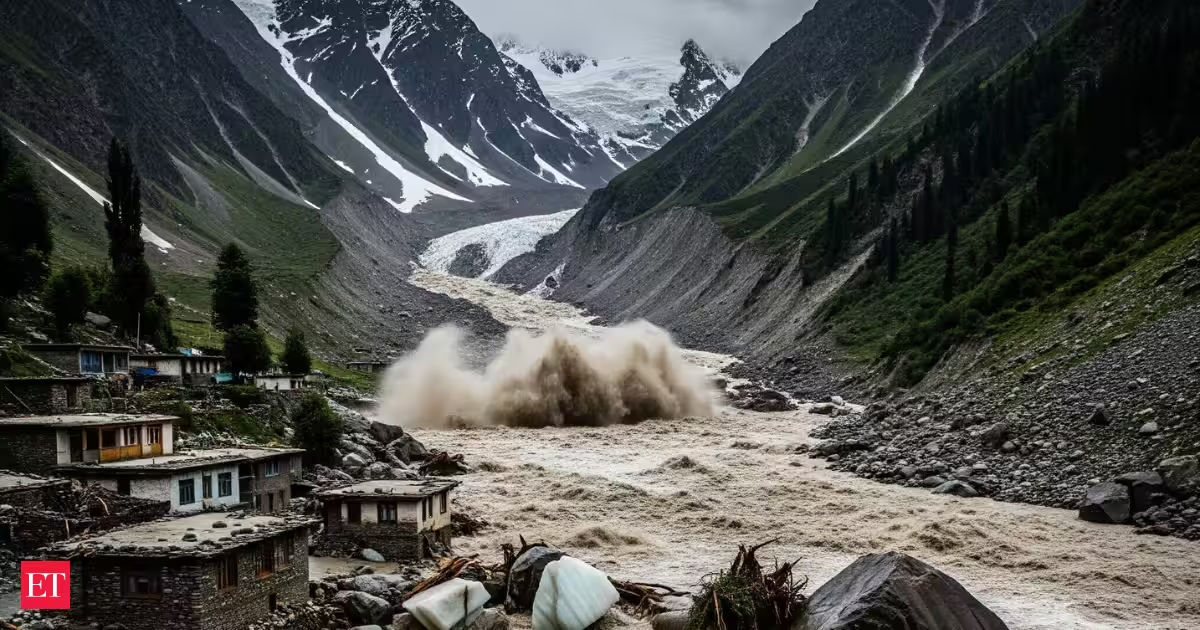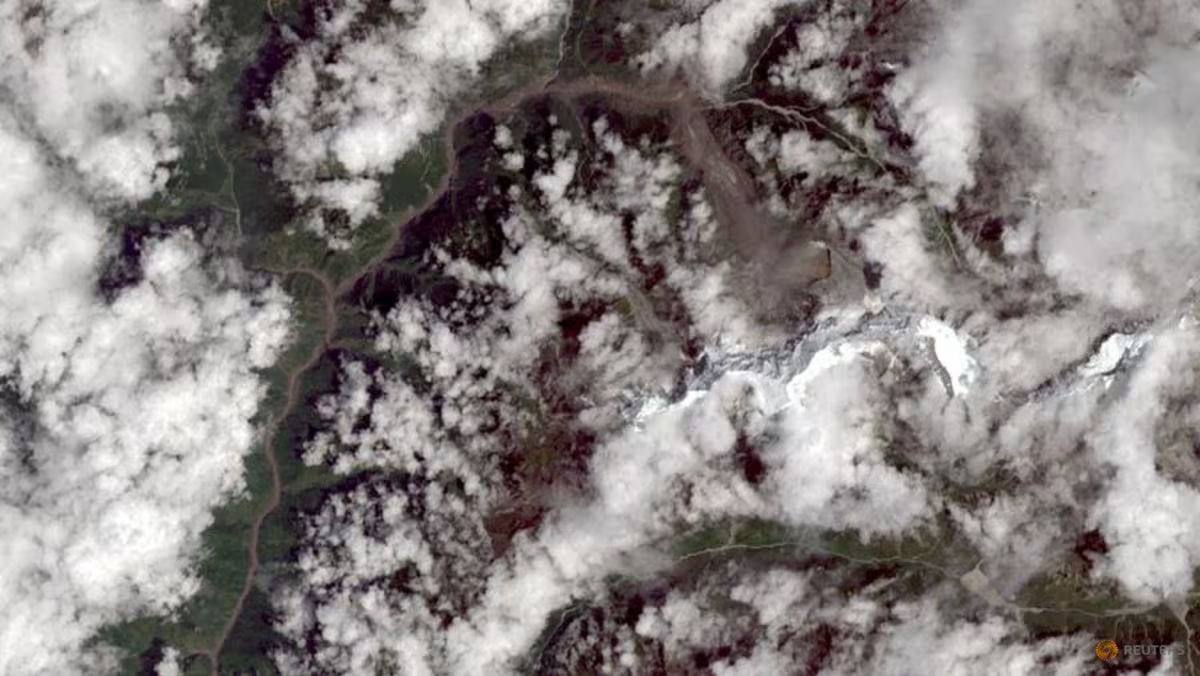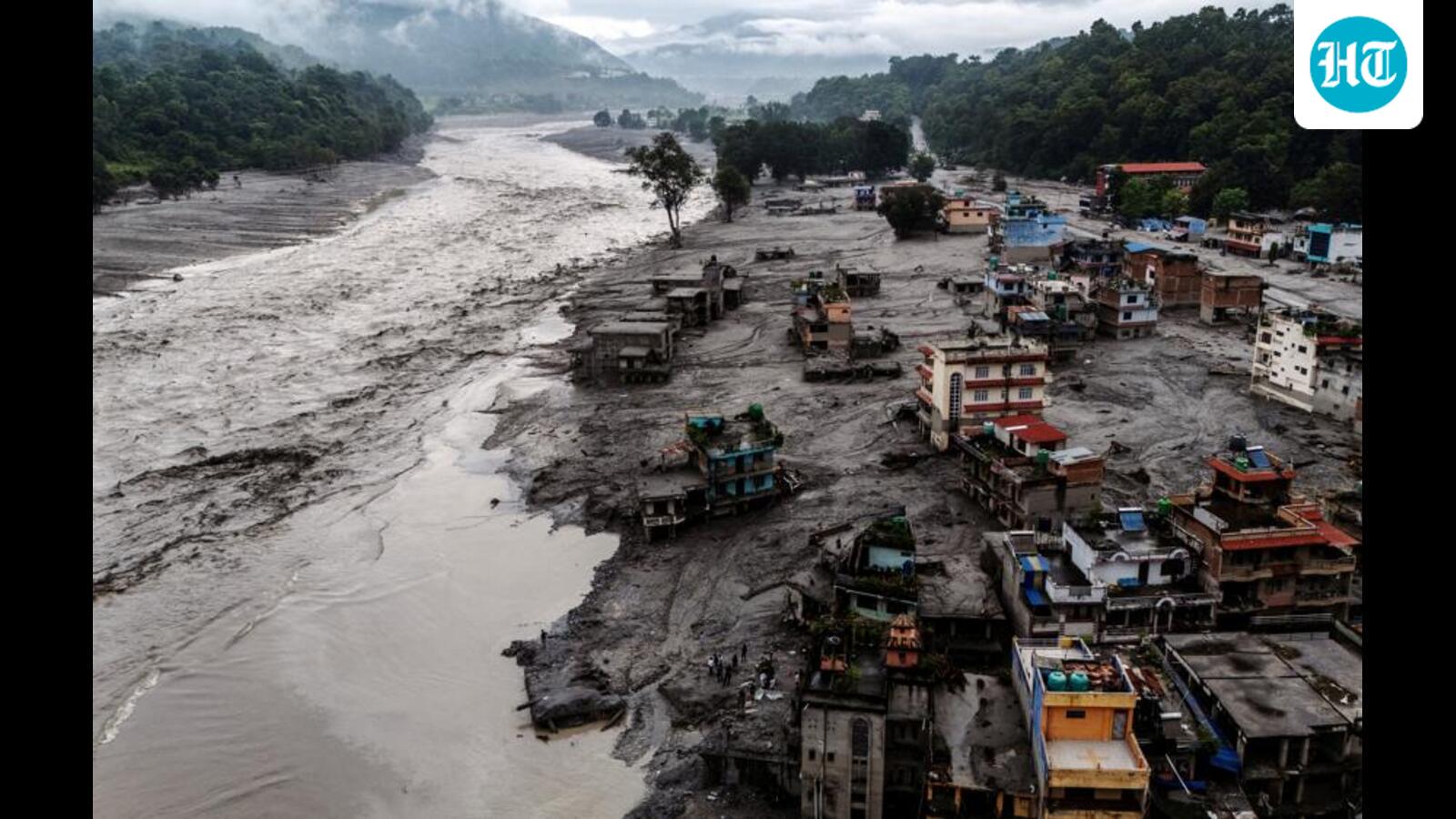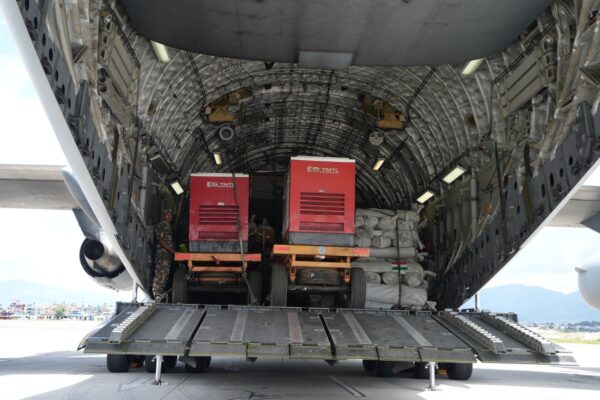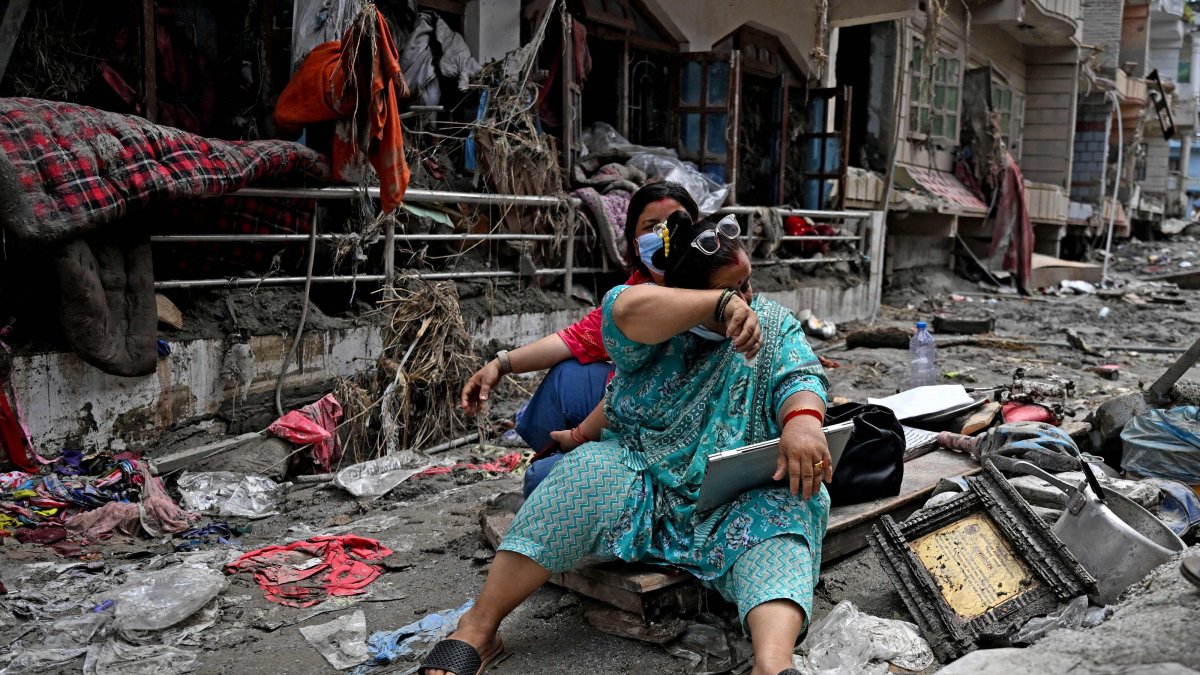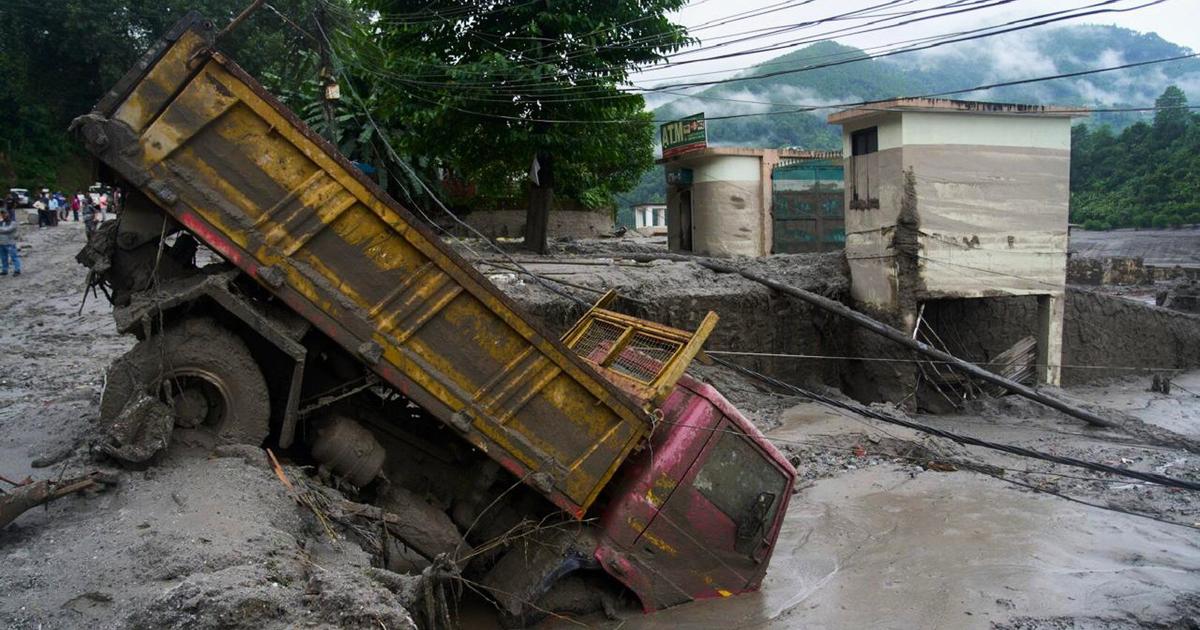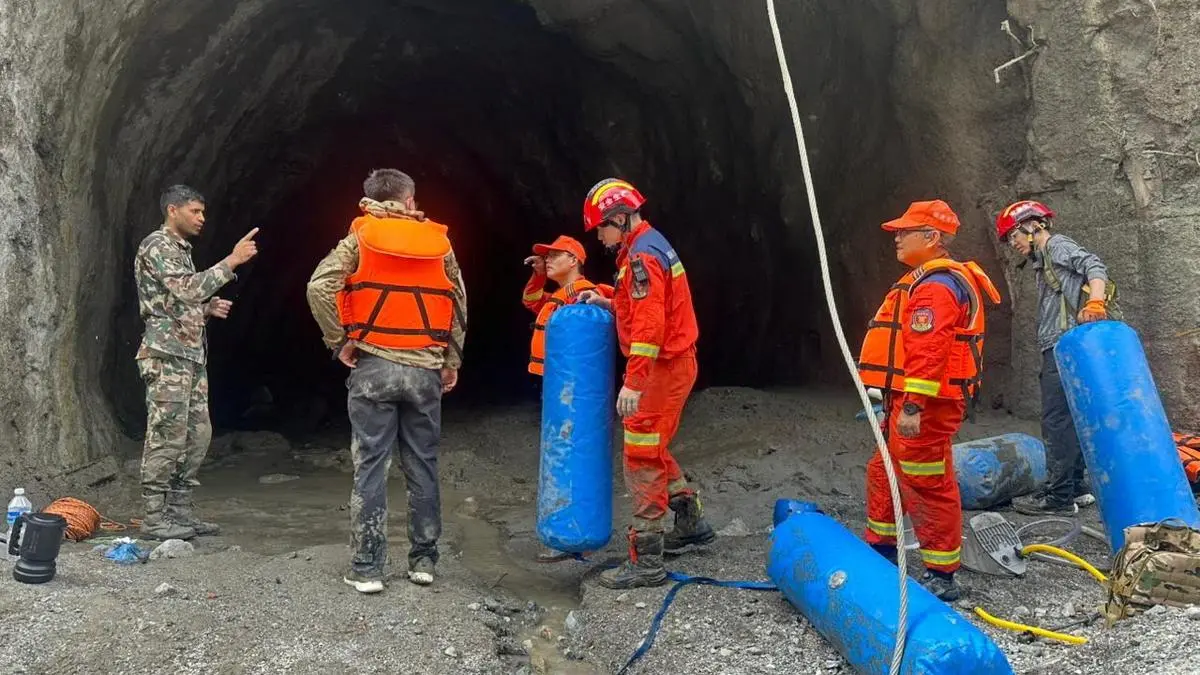
Nepal army personnel work during a search and rescue operation near the Trishuli Hydropower Project site
The recent glacier-related disaster in Nepal has highlighted a challenge India is also confronting in its high-altitude Himalayas: scientists can increasingly identify potentially dangerous glaciers and model the areas that could be affected, but translating those risk assessments into preventive action remains difficult, India’s pre-eminent glaciologist Anil Kulkarni told businessline.Kulkarni said satellite imagery, modelling and field studies had significantly improved India’s ability to assess hazards in the mountains. His team has mapped around 800 hanging glaciers in Uttarakhand and assessed which sections could potentially break and the communities that could fall within the impact zone.An entire hanging glacier, however, does not necessarily have to collapse at once. A section could break away, allowing scientists to model its likely trajectory and assess its potential impact.“The question is, once you identify the risk, what do you do?” asked Kulkarni. Authorities would need to decide whether to install early-warning systems, dewater potentially dangerous glacial lakes or undertake other preventive measures.The Nepal incident has also renewed interest in technologies that can detect early signs of instability. Responding to Switzerland’s use of fibre optic cables to detect micro-vibrations in glaciers, Kulkarni said vibration monitoring could potentially identify signals associated with ice breakage. Scientists, however, would first need to establish a clear relationship between the nature of vibrations and actual collapses.He said an ongoing India-Switzerland research collaboration will examine such technologies, including seismic monitoring. During the recent Nepal incident, a small tremor was detected when an ice mass fell, he said, suggesting that such signals could potentially provide an early indication of instability.Satellite data can show how glacial lakes have formed and changed over decades, but imagery alone cannot establish whether a lake is likely to burst, said Kulkarni. Scientists also need to assess the volume of water, surrounding terrain, the possibility of avalanches or rockfalls and the strength of the natural dam holding the lake.The consequences of such events can be amplified by infrastructure concentrated along Himalayan valleys. Hydropower projects, roads and bridges are often located close to one another, meaning damage to one installation could trigger failures further downstream.“The cascading effect that one disaster feeding into another disaster and creating more problem for infrastructure and society is really happening,” he said.Kulkarni said development planning in the high-altitude Himalayas, therefore, needed to be fundamentally different from that in relatively stable regions. “The conventional knowledge of doing development activity which we apply in peninsular India is not at all applicable in high altitude mountain regions,” he said.According to Ashim Sattar, Glacial Lake Outburst Flood (GLOF) expert and Assistant Professor at IIT-Bhubaneswar, climate change was making the underlying conditions in the high Himalayas increasingly unstable. Glacier retreat, formation of glacial lakes and degradation of permafrost were evidence of these changes, he said.“We have evidence that the glaciers are reacting to climate change, because the glaciers are retreating… the glacier lakes are forming, the permafrost is degrading,” said Sattar.He said these processes could create a state of “mechanical disequilibrium” in the mountains, increasing the risk of slope instability and related hazards. As glaciers retreat, previously ice-covered areas can become exposed, accelerating permafrost degradation and weakening slopes, potentially making them more susceptible to debris flows.Kulkarni said environmental assessments also needed to change. Instead of examining only how a proposed project would affect its surroundings, authorities needed to ask the reverse question: how will a changing mountain environment affect the infrastructure being built there?With the Himalayan cryosphere becoming increasingly dynamic, hydropower plants, roads and bridges would need to be assessed against future risks from ice falls, rockfalls, landslides and floods.“Changing environment, changing cryosphere of high altitude, how it is going to affect the hydropower plant, that nobody has thought,” Kulkarni said, stressing that risk-sensitive planning would be essential for sustainable development in the Himalayas.Published on August 31, 2026