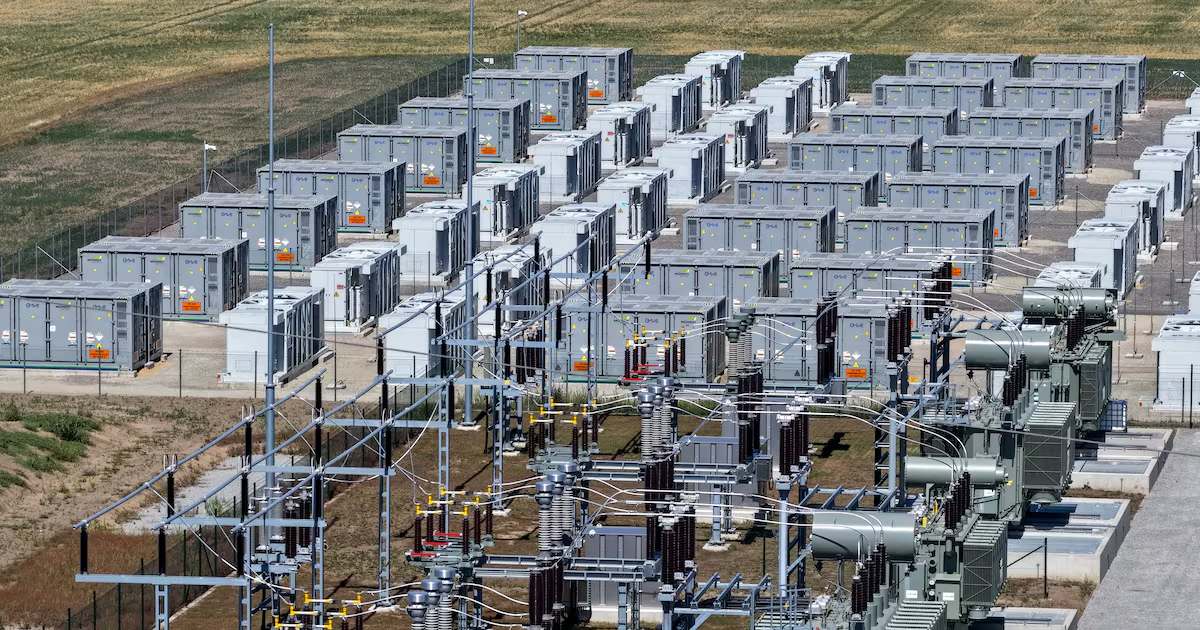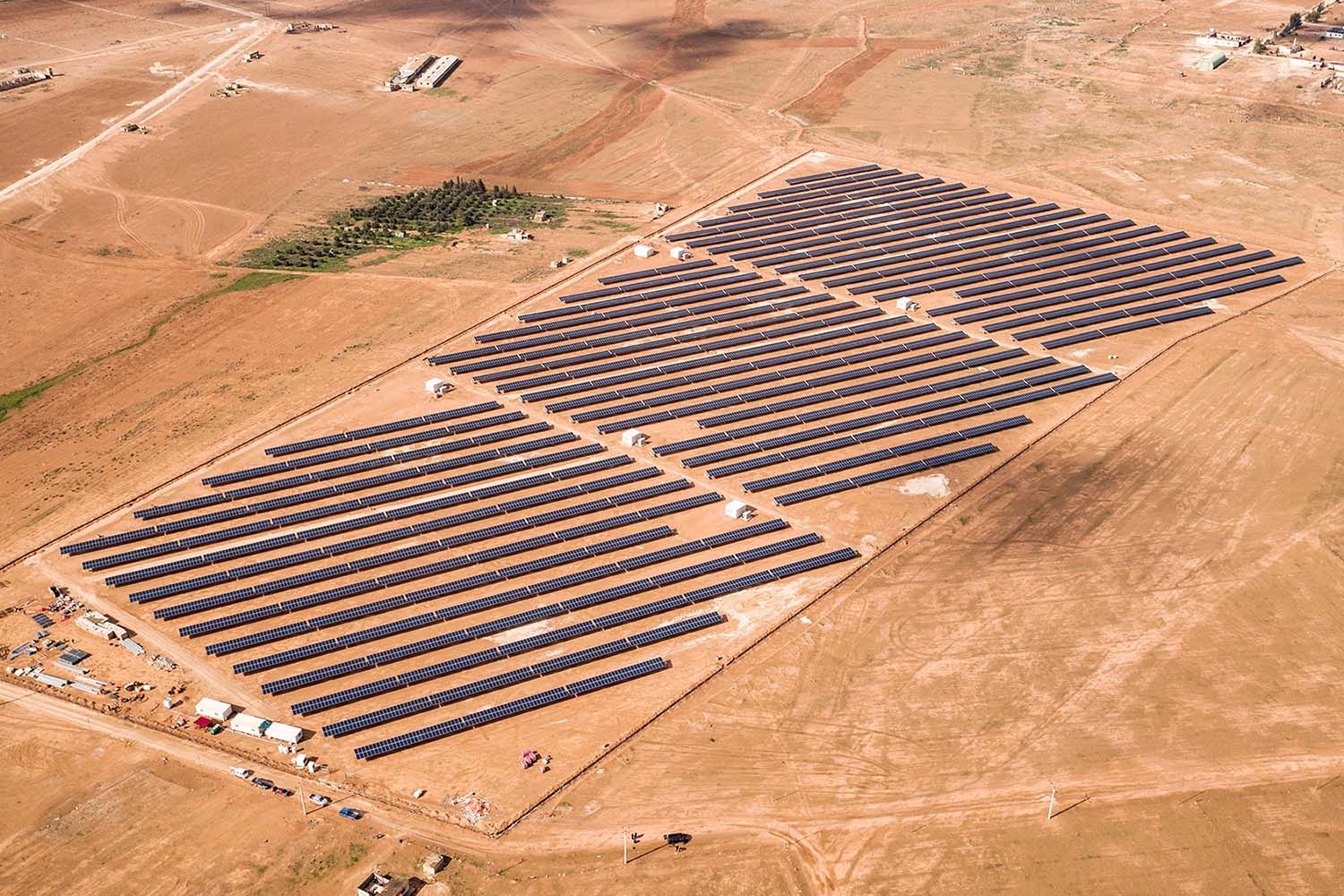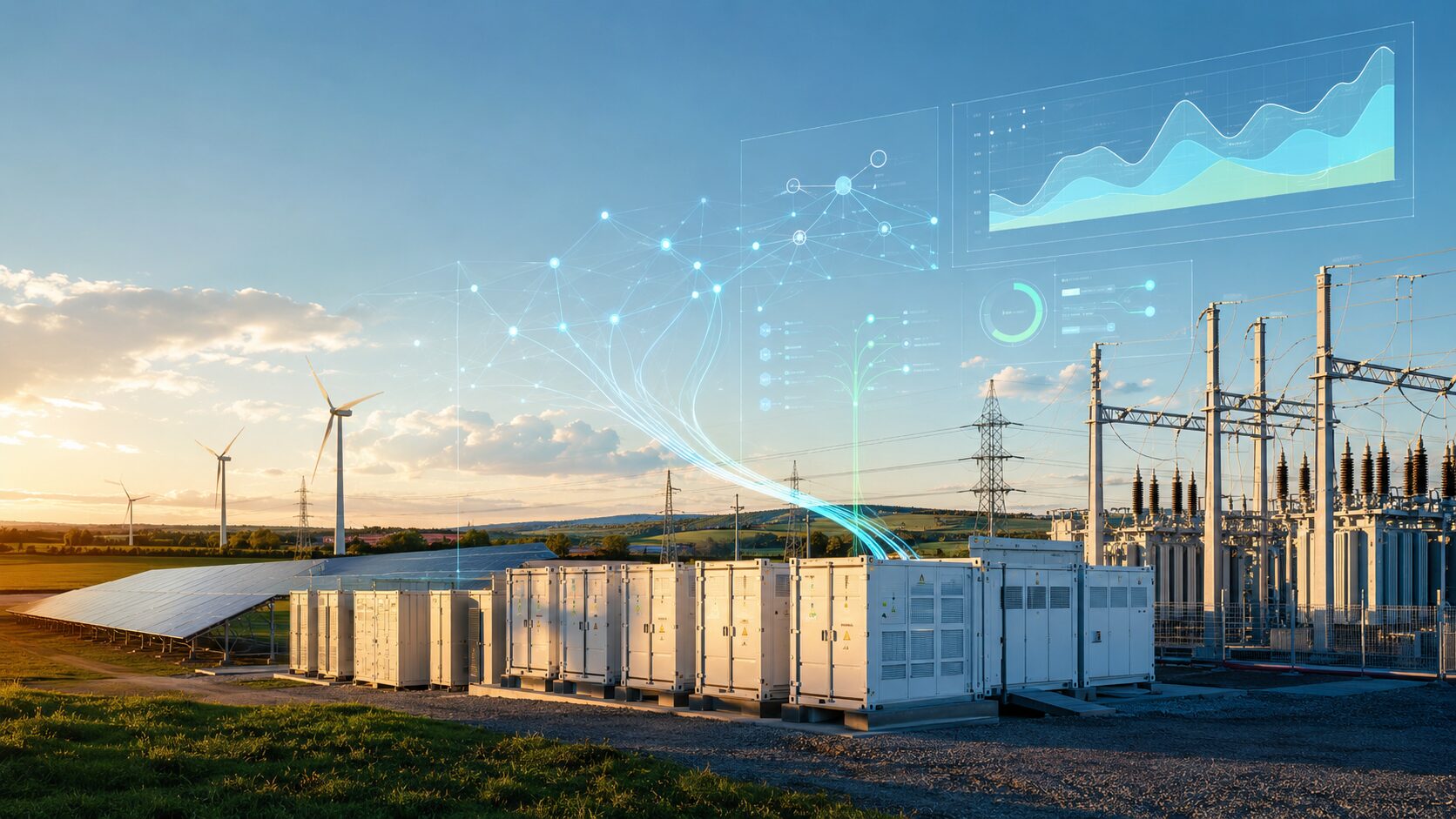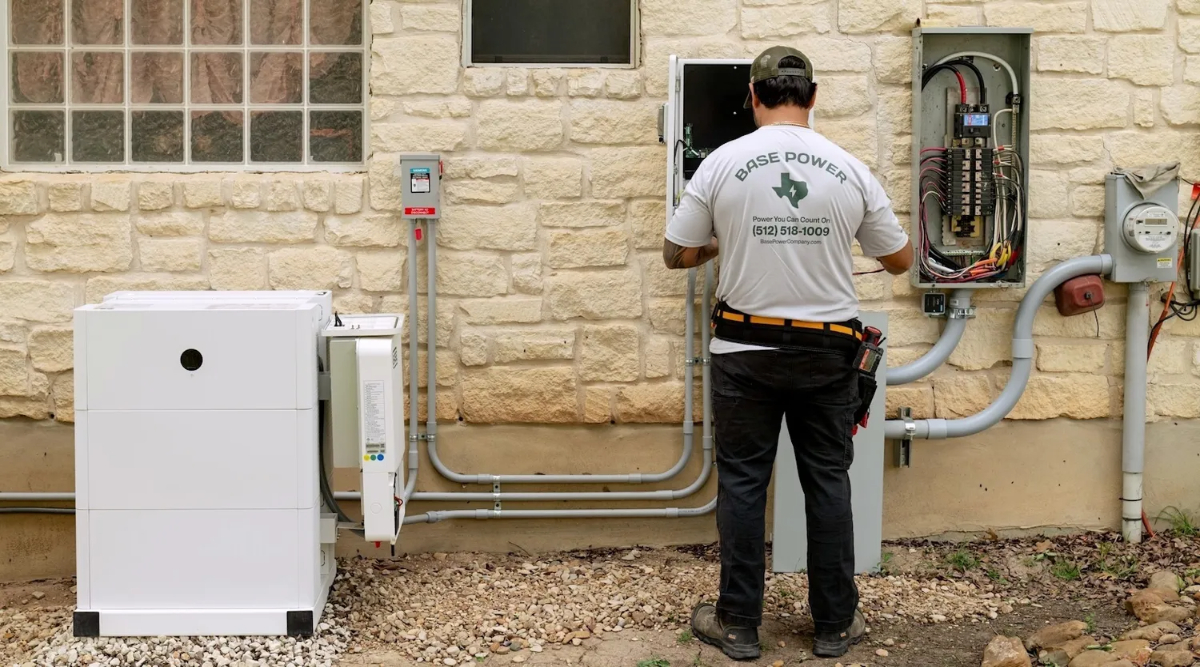
Advances in BESS capacity have made it viable for residential and commercial properties to install on-site solar generation systems that capture energy during production periods and store it for later use. These buildings can remain connected to the grid, drawing conventional power when costs are low whilst switching to stored renewable energy during peak demand.
The consequences of grid vulnerability were starkly illustrated in August, when Gary, Indiana experienced approximately 14 days of power outages affecting tens of thousands of residents. Whilst the widespread outages were initially caused by wind storms, citizens of Gary have filed a class action lawsuit against utility NIPSCO alleging it failed to trim vegetation near power lines.
Data from the Indiana Utility Regulatory Commission (IURC) shows that NIPSCO charges the state’s highest electricity rates at US$233.62-per-1,000kWh. IURC records further indicate that NIPSCO maintains the poorest reliability performance of all utilities operating in Indiana, despite these premium rates.
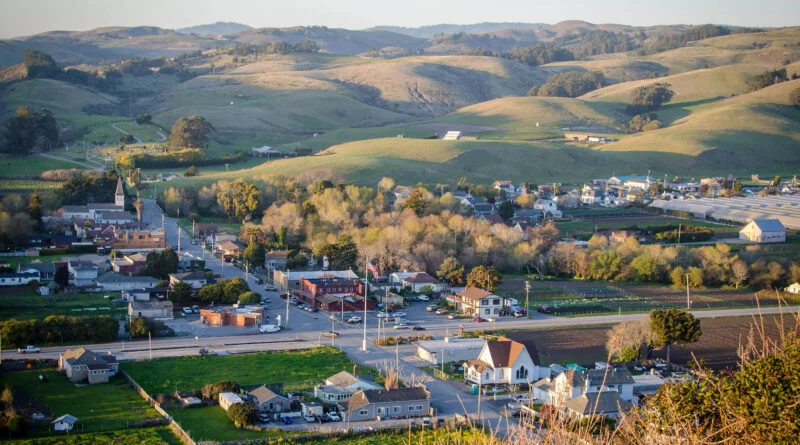
Elsewhere, microgrids can provide reliable electricity to areas without grid access or with only weak links to utility distribution networks. This also enables local communities to deploy renewables and be protected from disruptions that cause blackouts or disconnection from the main grid.