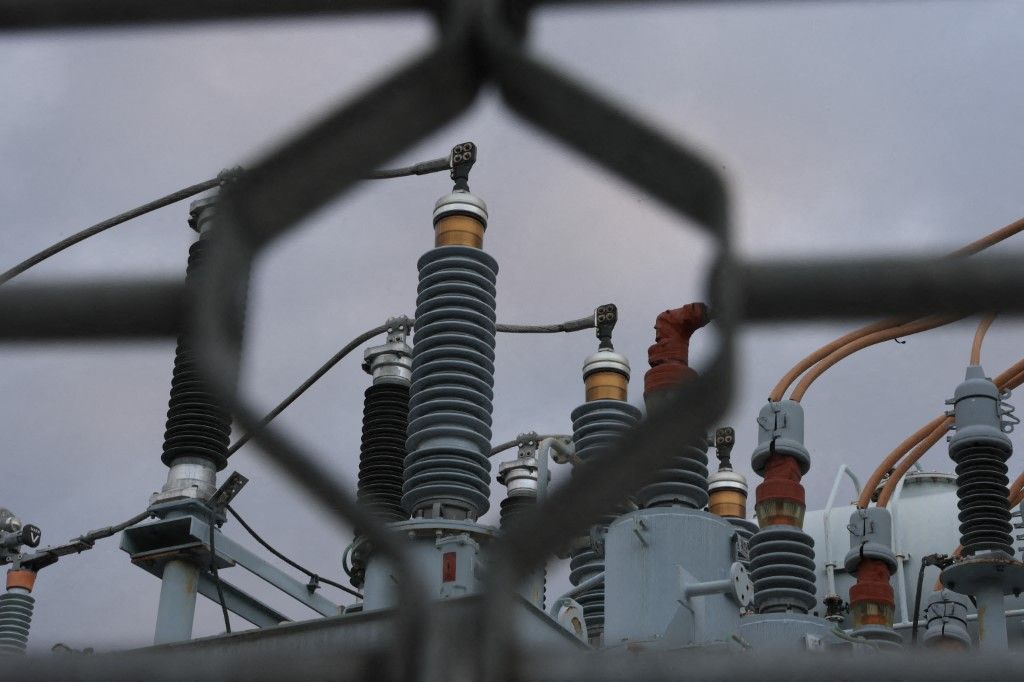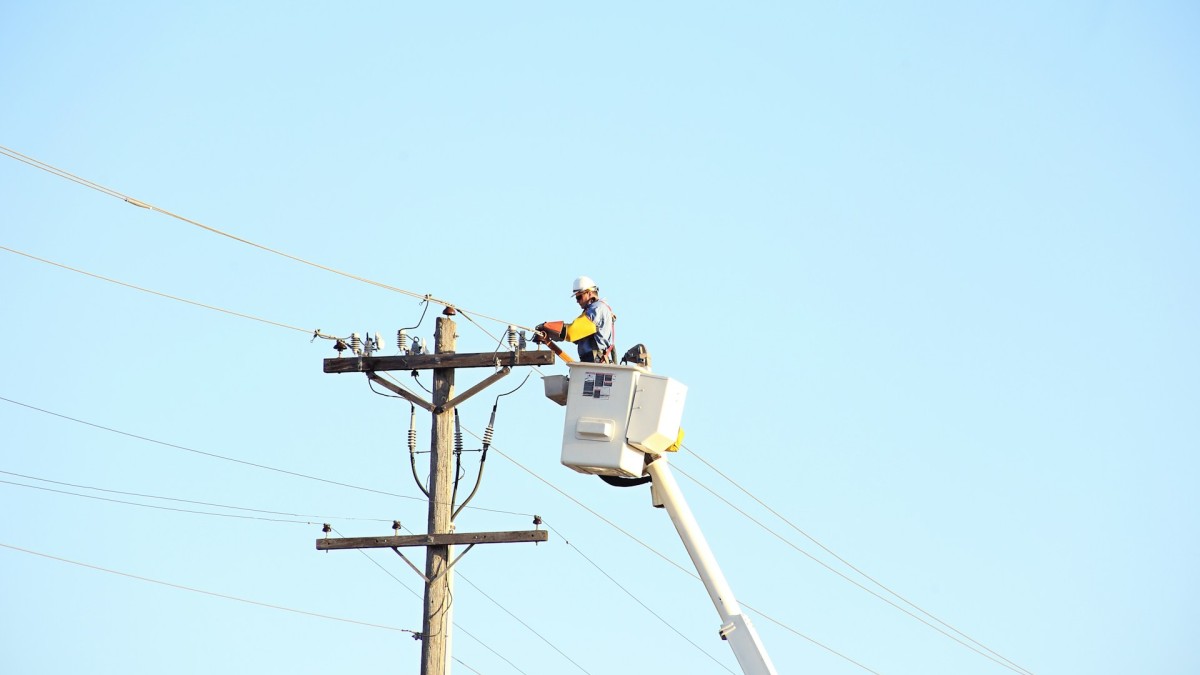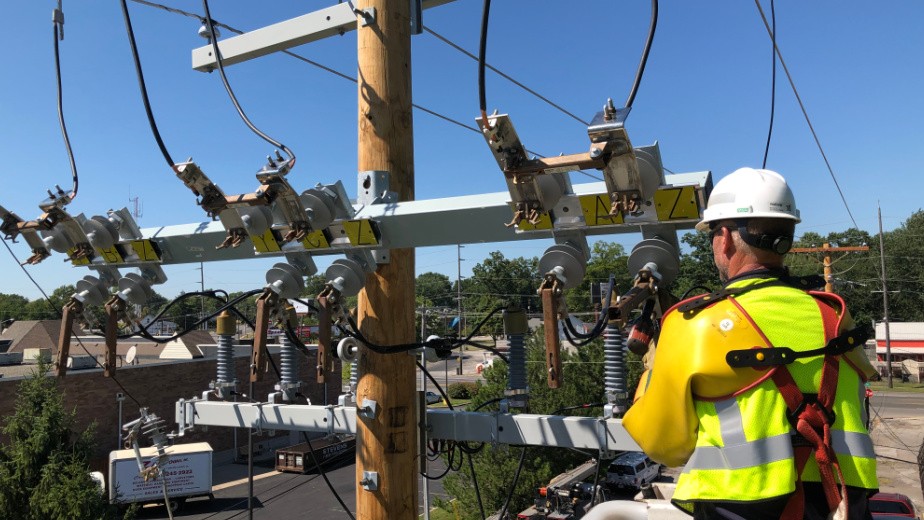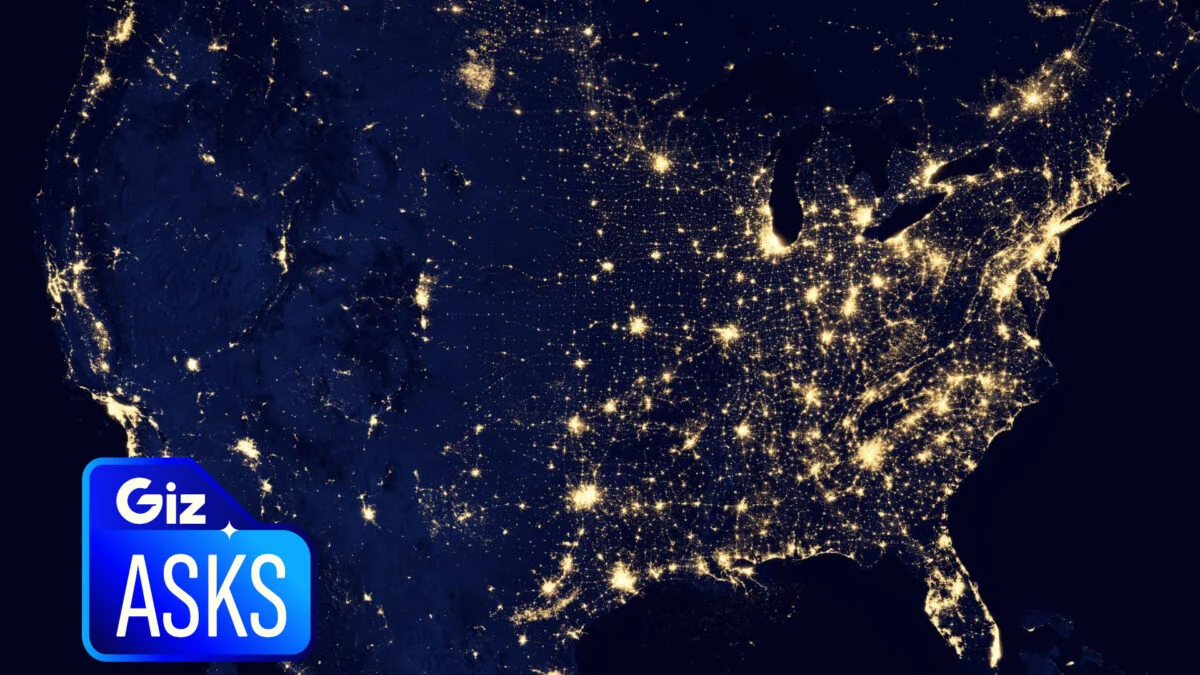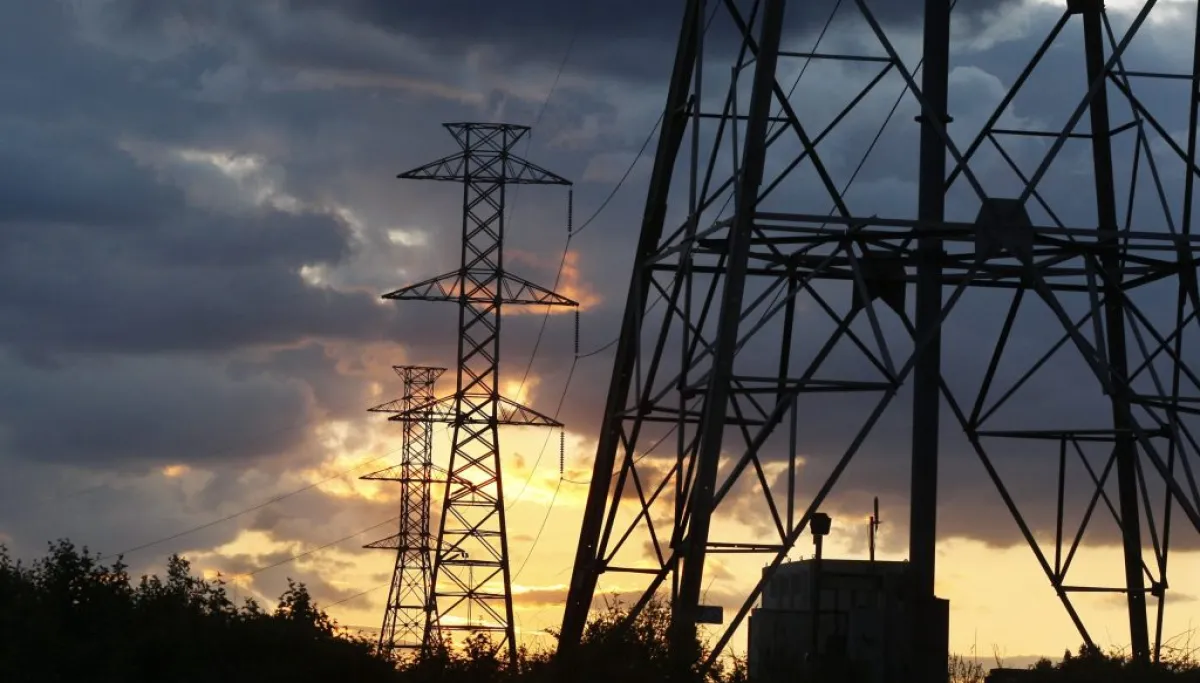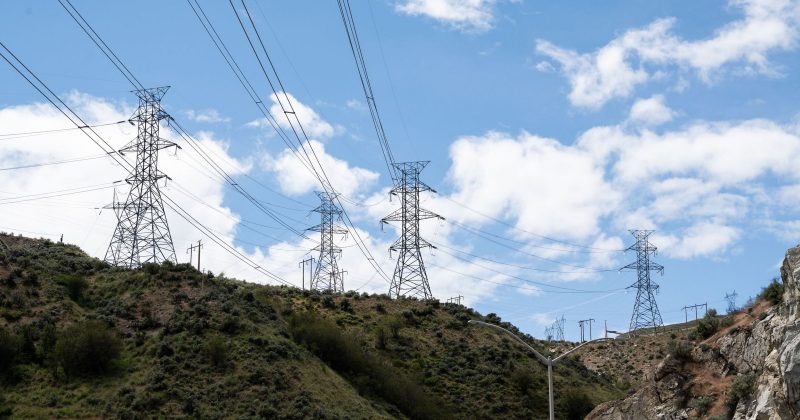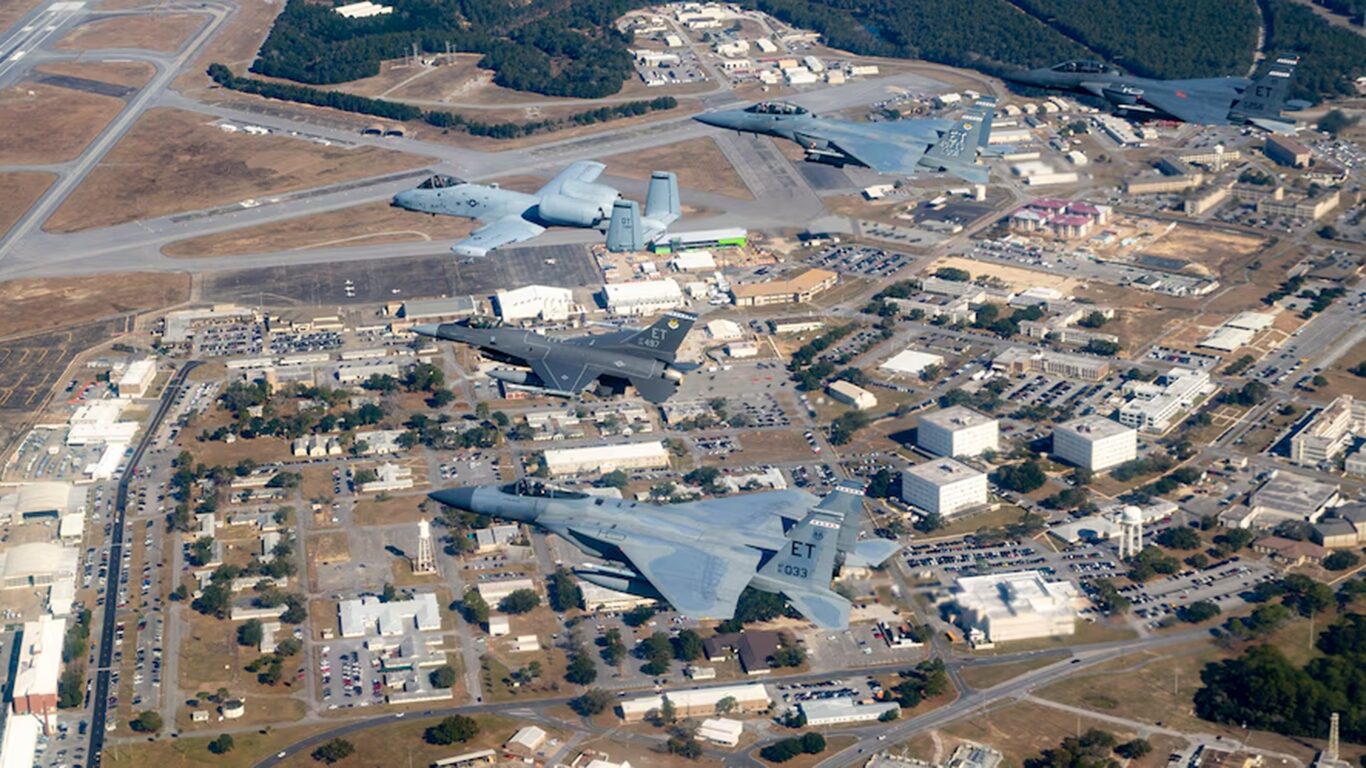
The United States is becoming increasingly electrified to support rising demand from artificial intelligence (AI), supply chain reshoring, and reindustrialization. This rise in electrification has elevated the criticality of power generation, transmission, and distribution as essential enablers of societal resilience. But the commercial grid doesn’t merely serve civilian needs—it is shared with the US military’s domestic installations, meaning this criticality applies directly to the nation’s defense capabilities.
The challenge of dual-use electrical generation for civilian and military use has rightly permeated public discourse, but, less so, the idea of prioritization of installation supply and resilience in the face of physical damage or cyberattacks. Attention to prioritization frameworks, however, is increasingly warranted. Recent installation blackouts demonstrate that rising overall demand will force tough choices in the years to come. In addition to prioritizing power restoration for defense facilities, there is also an urgent need for federal and state policymakers, the Pentagon, and utilities to coordinate grid investments that mitigate power outage risks for military installations and the defense communities and industries that they depend upon.