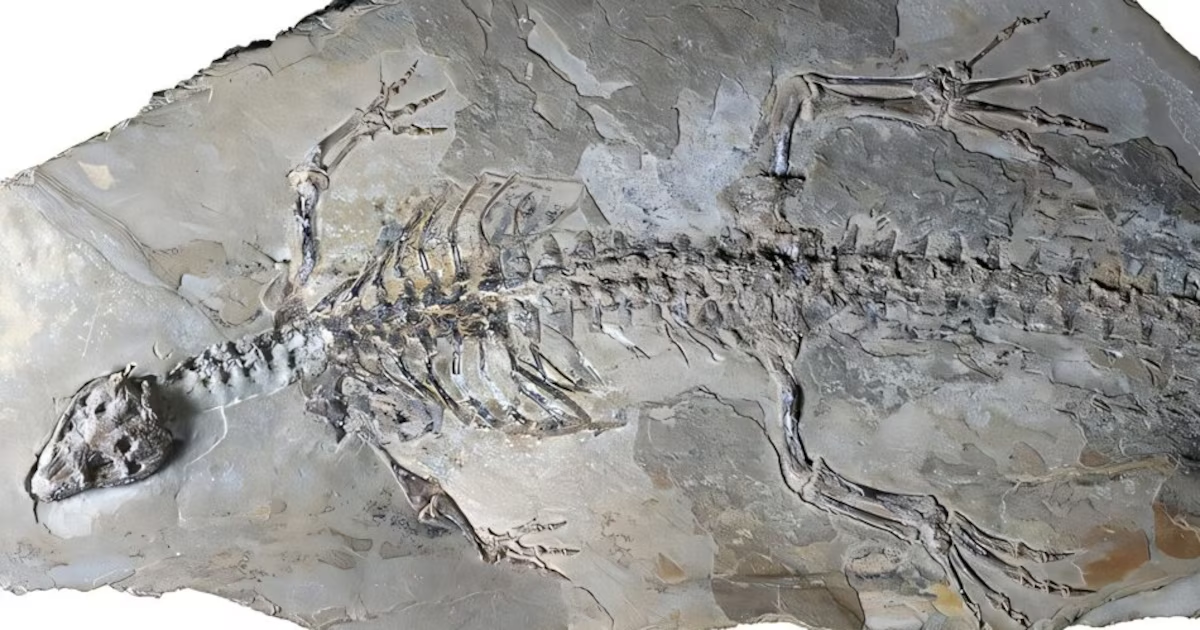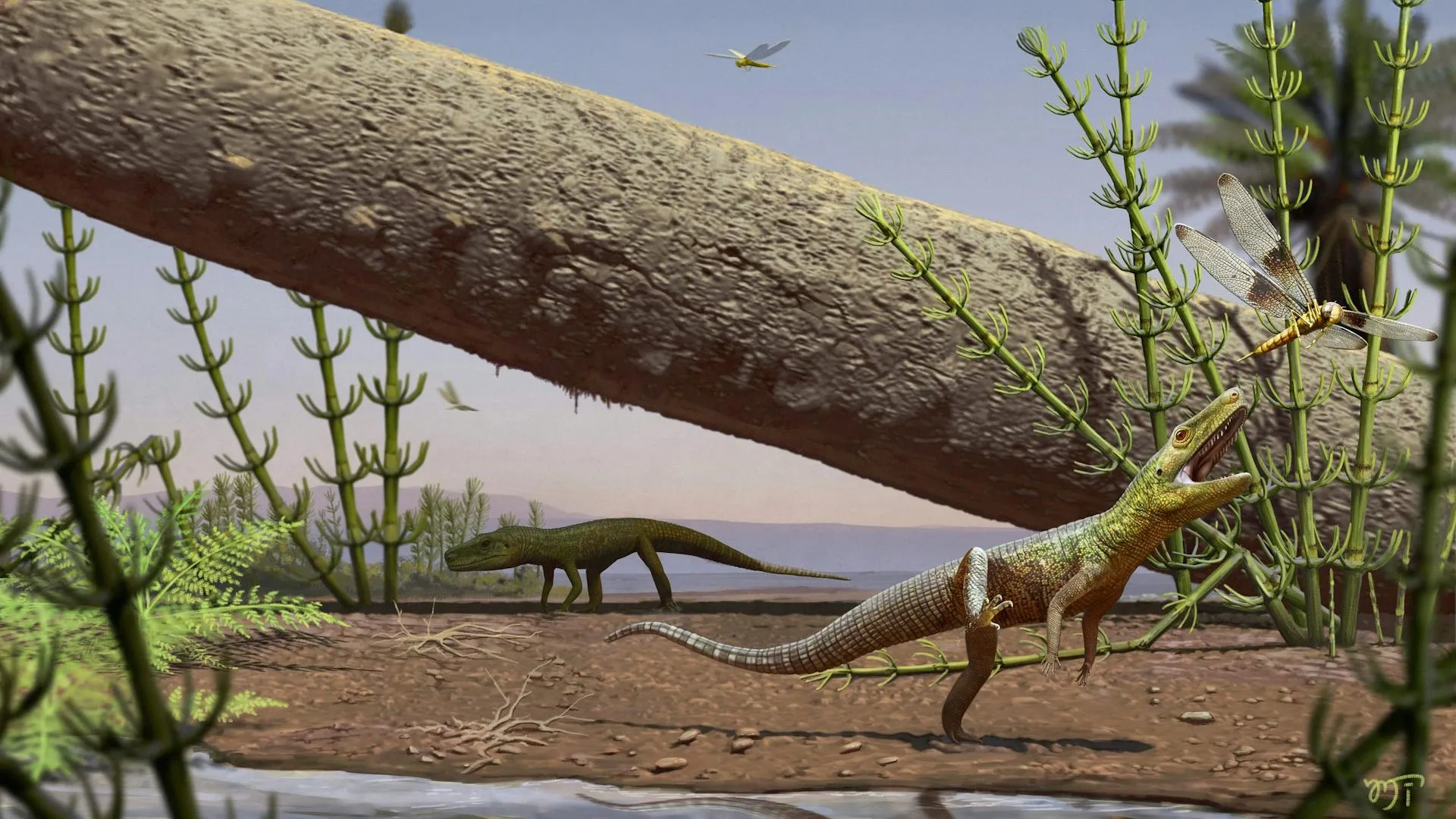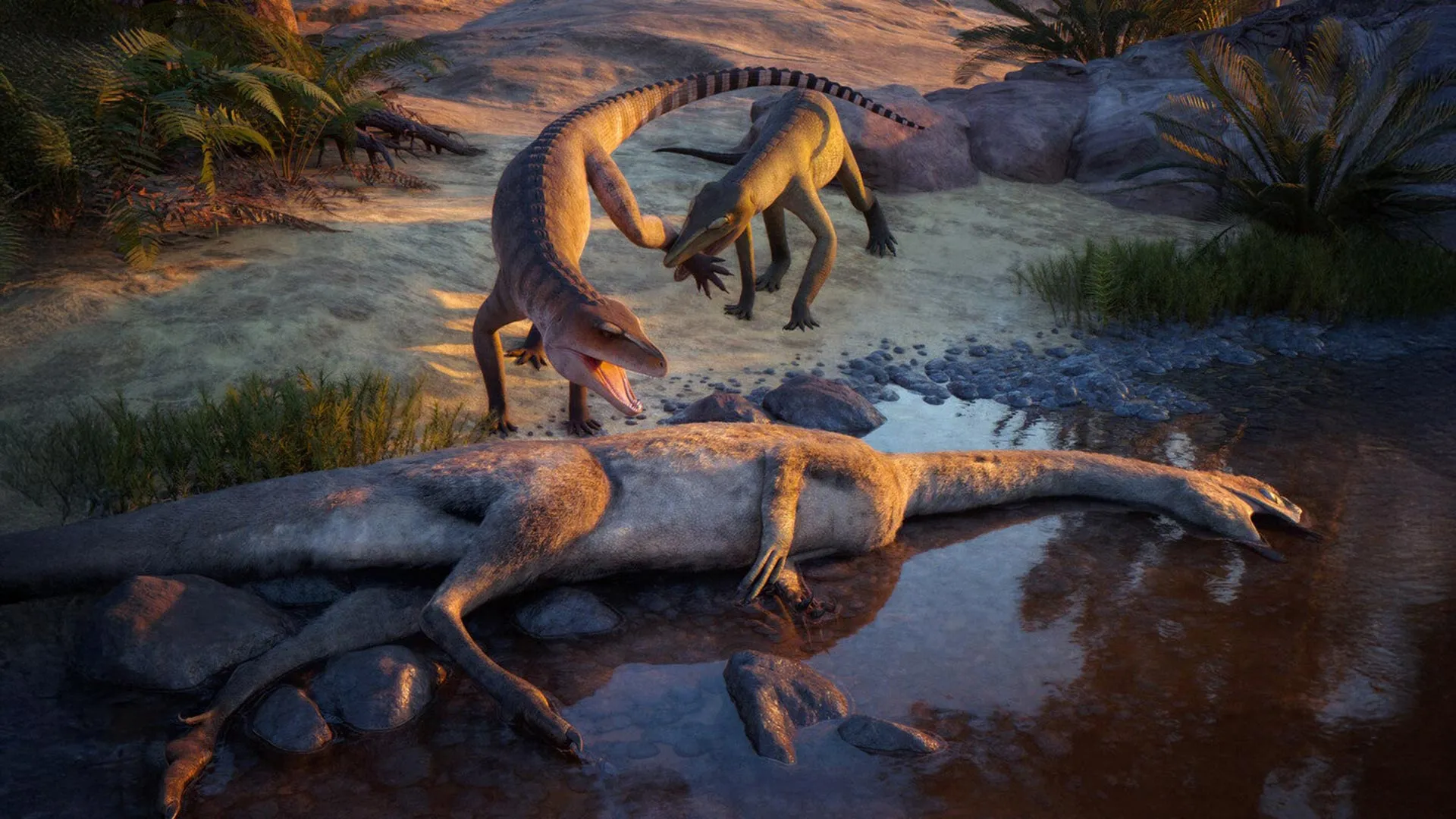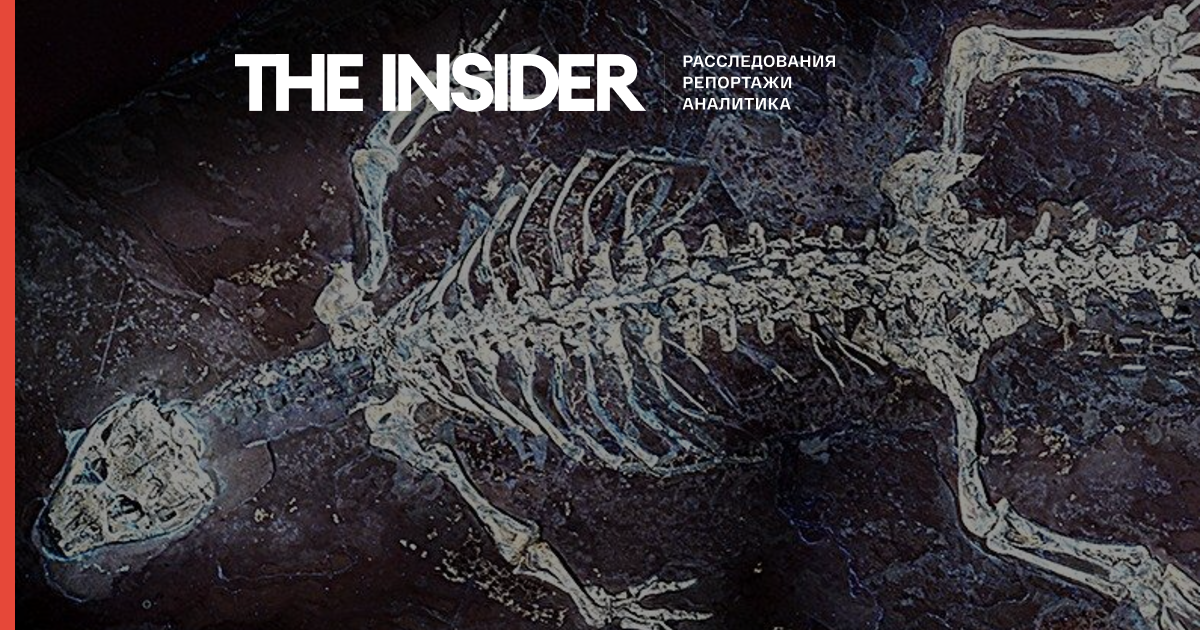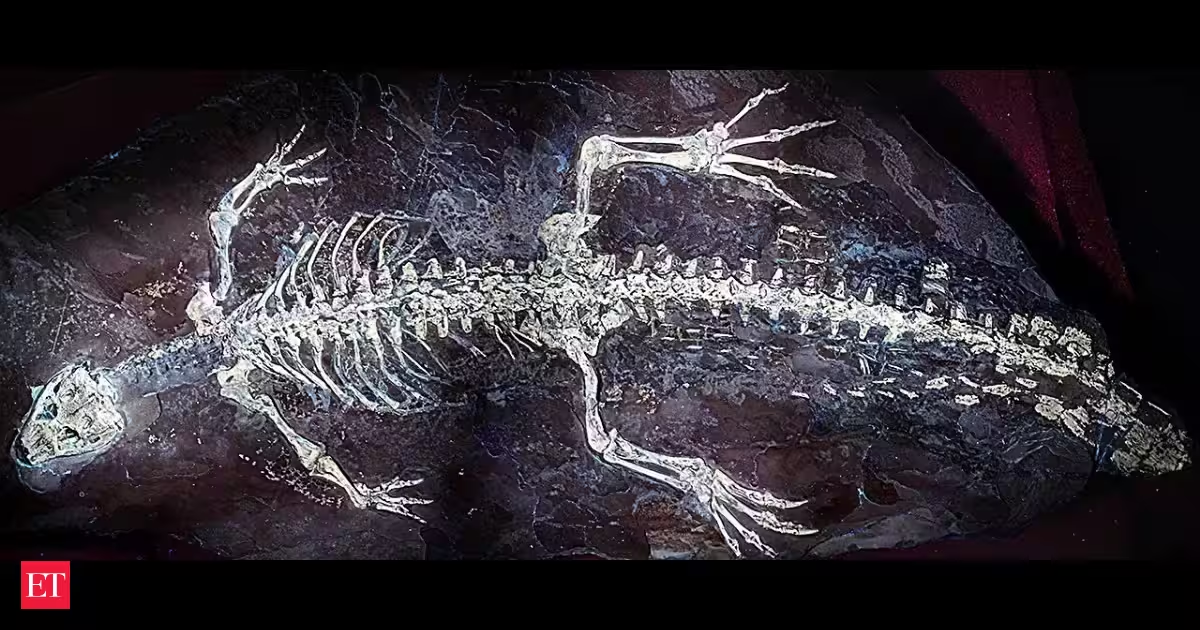
A 125-million-year-old crocodile fossil is giving scientists an unusually detailed look at an ancient reptile that lived during the Early Cretaceous. The specimen, known as Montsecosuchus depereti, was discovered in Catalonia, Spain, more than a century ago. For decades, researchers could mainly study its bones. Now, ultraviolet light has revealed soft tissues that were almost invisible under ordinary lighting, including traces of skin, possible sensory structures and cartilage in the chest. The fossil may also preserve evidence of a light-and-dark pattern along the tail, offering clues about how the animal looked in life. According to SciTechDaily, the findings, published in the Zoological Journal of the Linnean Society, show how modern imaging techniques can unlock information hidden inside long-studied fossils.UV LIGHT REVEALS WHAT ORDINARY LIGHTING MISSEDThe fossil measures about 50 centimeters, or roughly 20 inches, and is housed at the Museum of Natural Sciences of Barcelona. Although scientists had examined the specimen previously, researchers noticed something unusual when they viewed it under ultraviolet light. Paleontologists Oscar Castillo-Visa and Jesús Serrano found structures that fluoresced differently from the surrounding limestone. This contrast allowed the team to identify soft tissues that were difficult or impossible to see under normal light. The researchers documented preserved epidermal scales across the animal's body. The scales varied in shape and size depending on their location, providing the first detailed description of the skin of Montsecosuchus depereti. The animal also lacked the tall, fin-like tail structure seen in modern crocodiles.ANCIENT SKIN MAY REVEAL HOW CROCODILE RELATIVES EVOLVEDThe discovery goes beyond appearance. Researchers also identified structures that may have been sensory organs within some scales, particularly around the neck, limbs and sides of the body and tail. Modern crocodilians use similar sensory structures to detect touch and changes in water pressure. They can also respond to temperature and chemical signals. The researchers suggest that the limited distribution of these structures in Montsecosuchus may provide clues about how such sensory systems evolved. UV imaging also exposed cartilage associated with the chest and ribs. These structures suggest that the animal already possessed an efficient respiratory system with some similarities to modern crocodiles. Researchers say this supports the idea that, despite being an early crocodylomorph, Montsecosuchus was well adapted to a semiaquatic lifestyle.DID THIS ANCIENT CROCODILE HAVE A STRIPED TAIL?Perhaps the most eye-catching discovery came from the tail. Under ultraviolet light, researchers saw alternating light and dark bands across some of the tail scales. The team interprets these markings as evidence of the animal's original color pattern. If that interpretation is confirmed, Montsecosuchus could become the oldest known crocodylomorph with preserved evidence of coloration. The researchers believe the banding may have helped disrupt the animal's outline and provided camouflage. However, scientists cannot determine the actual colors from the fossil. Albert G. Sellés, a co-author of the study, said the precise tail color cannot currently be established. That distinction is important: the fossil may preserve a pattern, but not necessarily the original hues.The Montsecosuchus depereti fossil demonstrates how much information can remain hidden inside an apparently familiar specimen. For more than 100 years, researchers largely saw a small Early Cretaceous crocodylomorph preserved in limestone. UV imaging has now revealed a far richer picture, including skin scales, possible sensory structures, chest cartilage and potential tail coloration. The discoveries provide new clues about how early crocodile relatives looked, breathed and interacted with their environment. They also highlight the importance of exceptionally preserved fossil sites such as Pedrera de Meià in Catalonia, where soft tissues can survive alongside bones. Perhaps most excitingly, the technique could therefore provide paleontologists with another valuable tool for studying ancient soft tissues and other biological features preserved in fossils.
125-million-year-old crocodile fossil reveals shocking details - UV light exposes traces of skin, sensory structures and possible color pattern
A fascinating 125-million-year-old crocodile fossil found in Spain has unveiled remarkable insights into prehistoric life. Through the use of ultraviolet light, scientists detected soft tissues and skin features not seen before. They also pinpointed potential sensory organs and cartilage in the chest area, with indications of a striking light-and-dark pattern on the tail. This research enhances our grasp of the evolution of crocodile predecessors.
608 words~3 min read