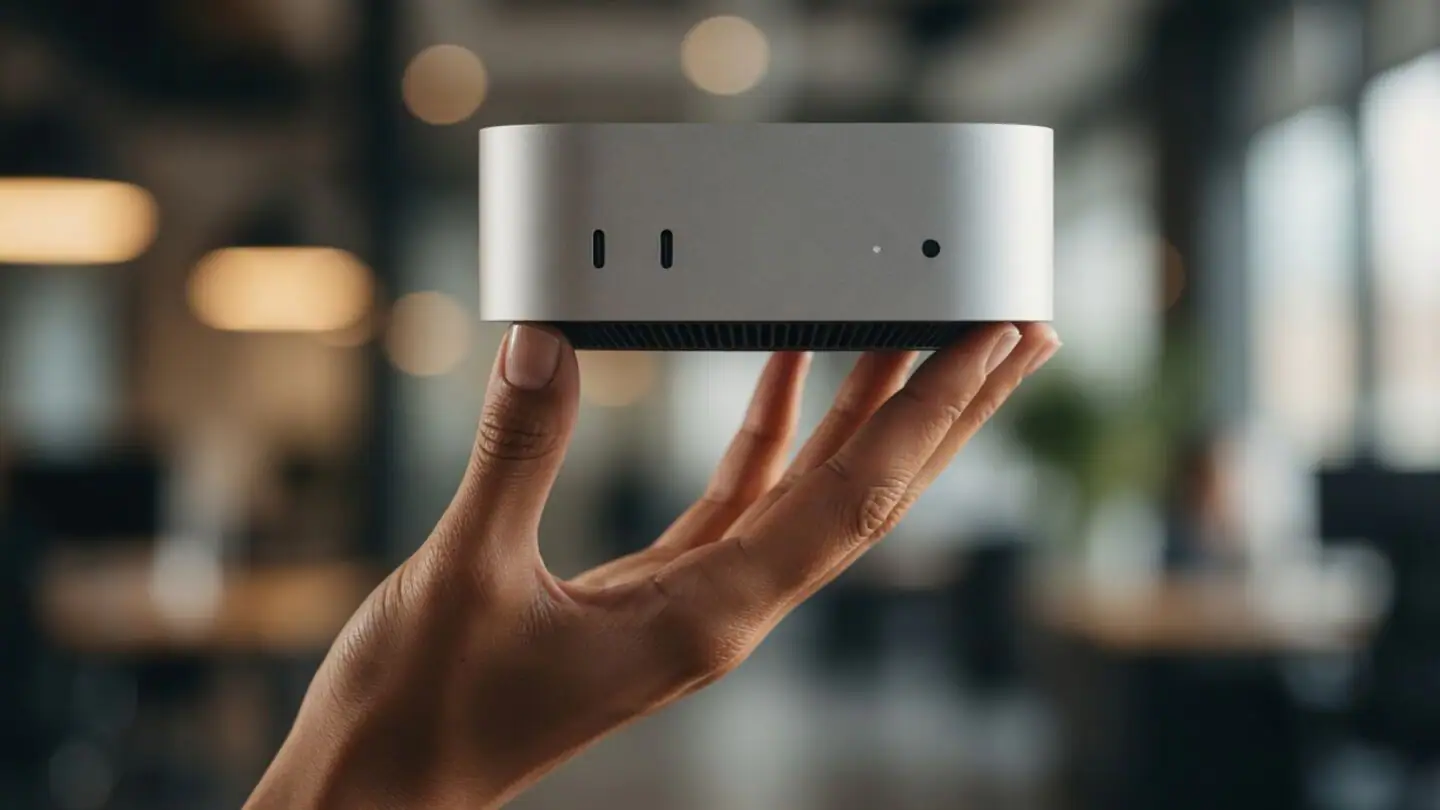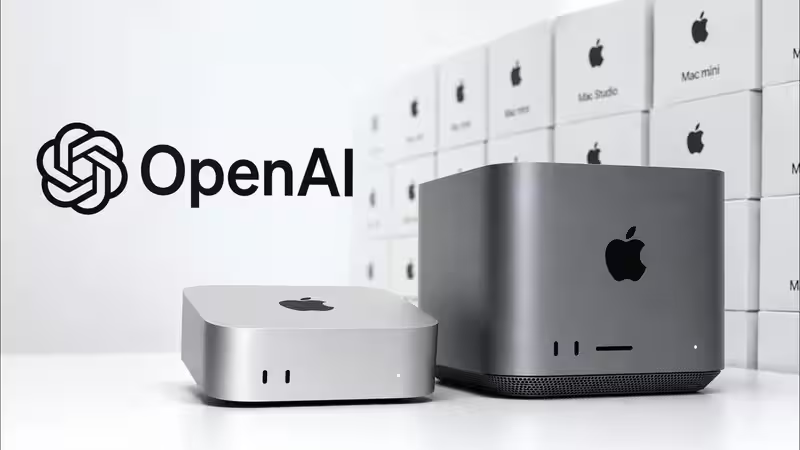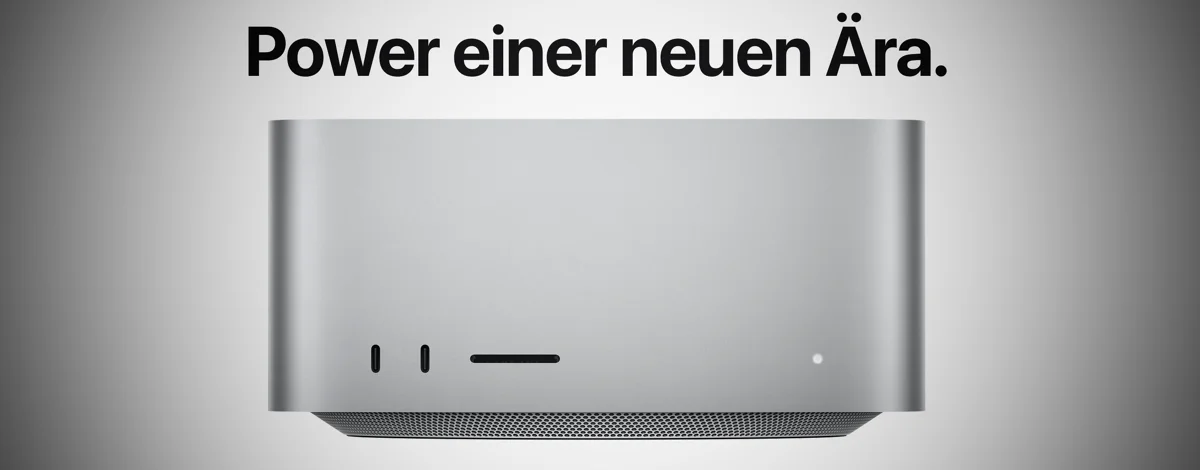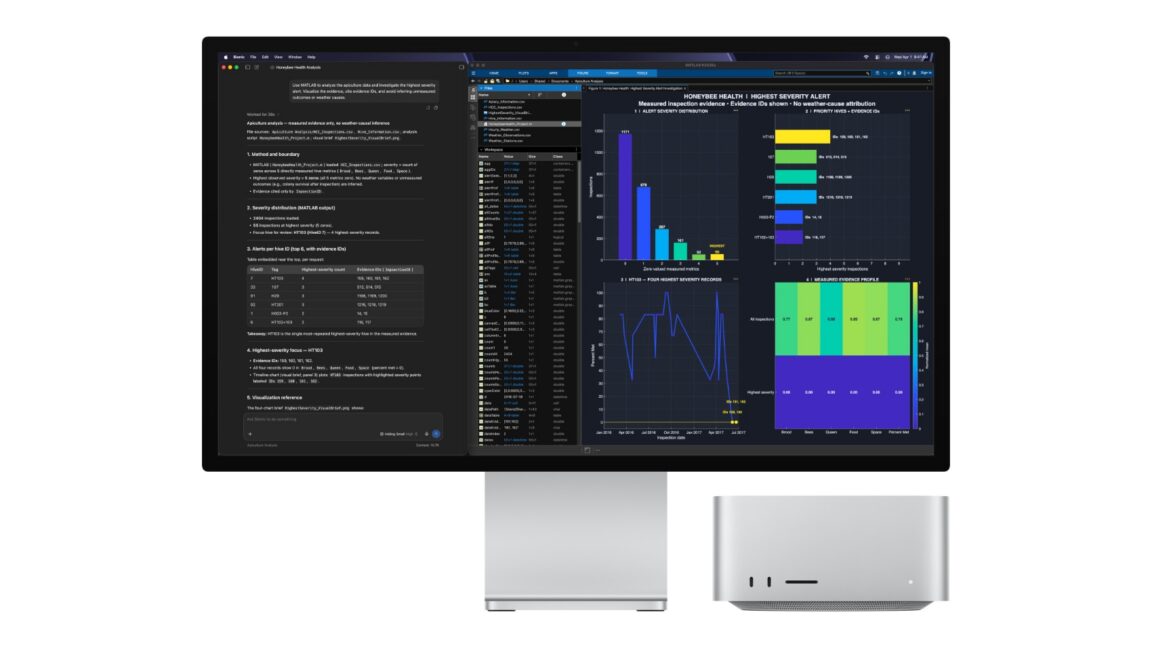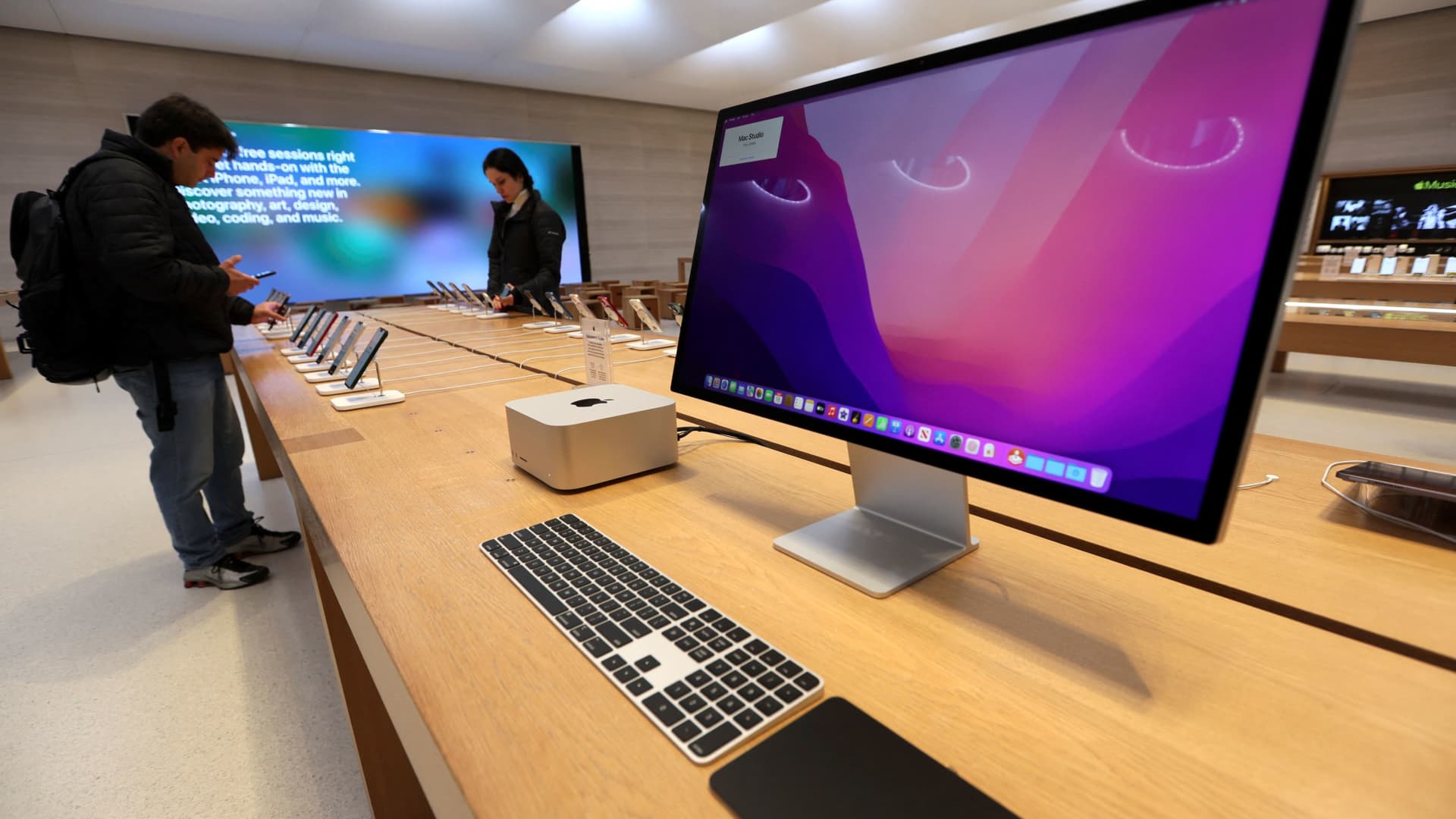
OpenAI has quietly assembled one of the more unusual hardware fleets in modern AI history: tens of thousands of Apple Mac minis and Mac Studios, purpose-built for reinforcement learning workloads and training computer-use agents. The report, published by The Information, suggests the lab is leaning into Apple silicon in a way that would have seemed far-fetched even two years ago.
Neither OpenAI nor Apple has publicly confirmed the arrangement, but the scale described is substantial enough to be market-moving on its own.
Why Mac minis, of all things
The answer has less to do with Apple brand loyalty and more to do with memory architecture. Apple’s unified memory design pools RAM across the CPU and GPU on a single chip, which turns out to be genuinely useful for workloads that involve multi-step computer operations: navigating software interfaces, drafting documents, organizing email, the kind of tasks that computer-use AI agents are trained to perform.
Traditional GPU clusters are purpose-built for raw matrix math, the kind that powers large-scale model pre-training. Reinforcement learning with computer-use agents is different. It requires the AI to run inside an operating system, observe what’s on screen, take actions, and receive feedback, over and over, millions of times. That workflow is memory-bound and parallelism-light compared to transformer pre-training, which makes Apple’s architecture a surprisingly practical fit.