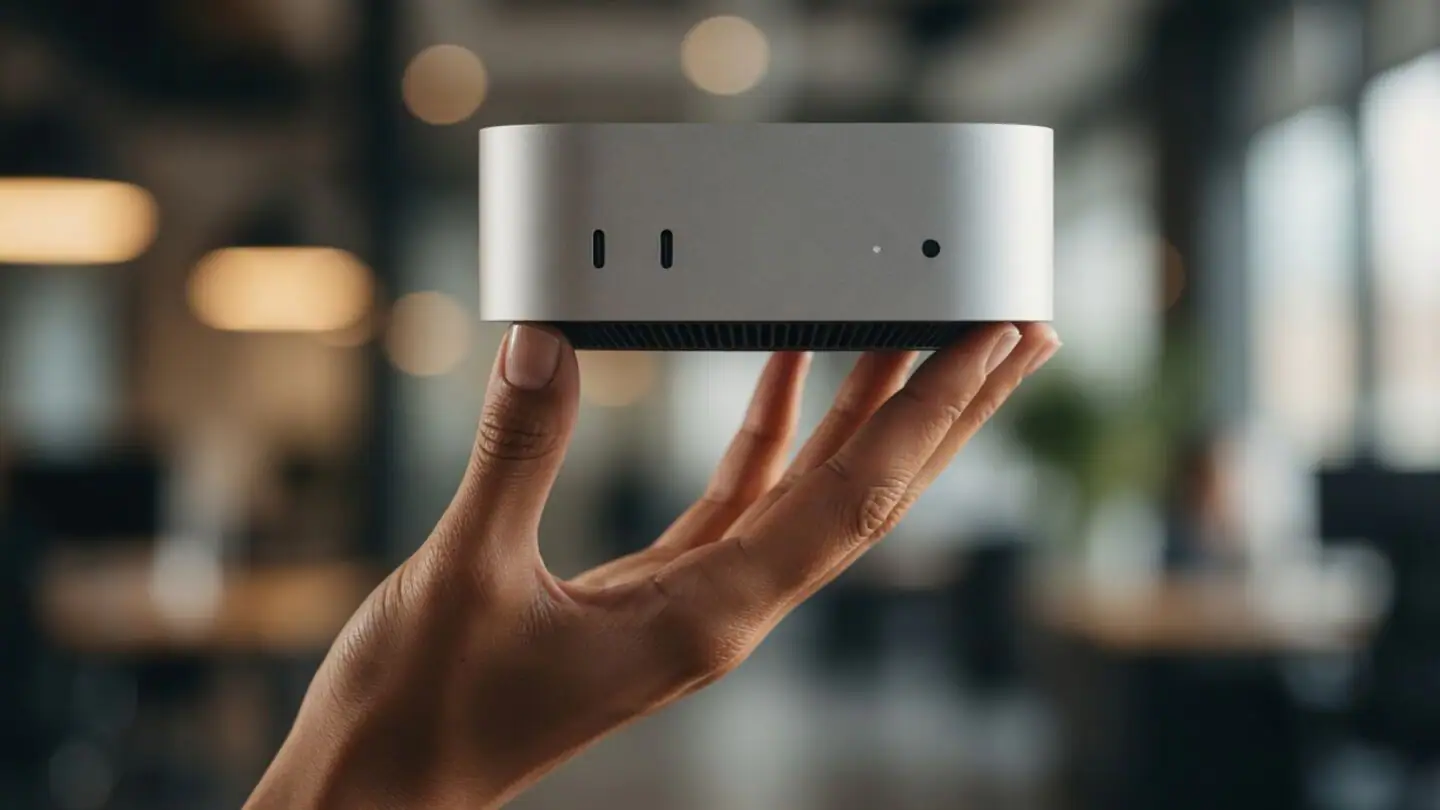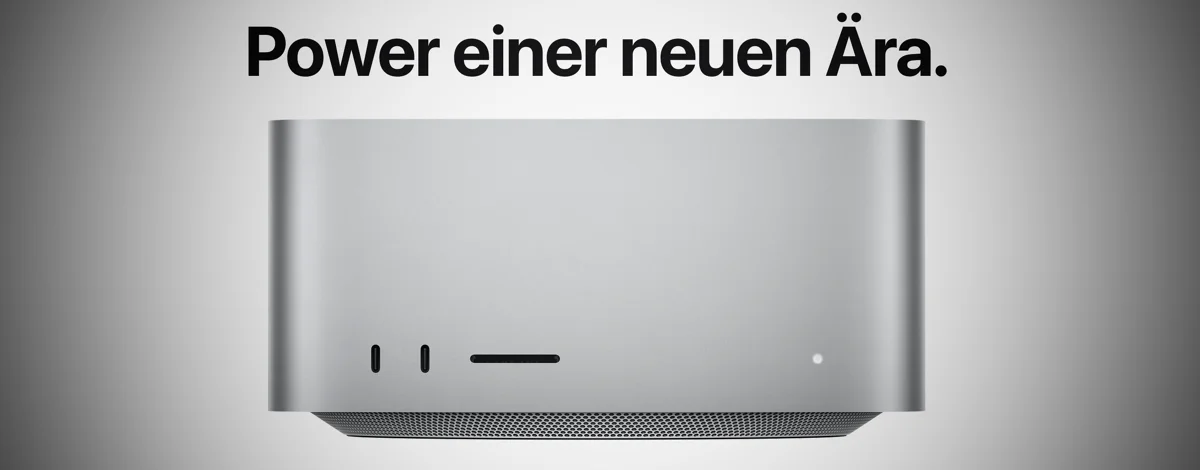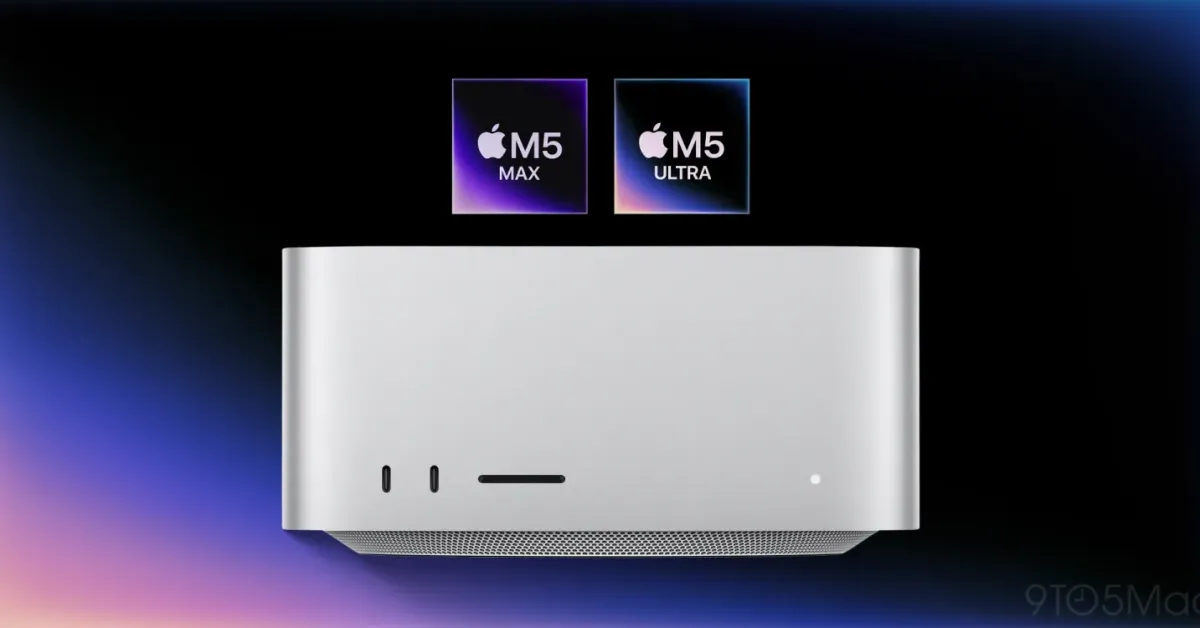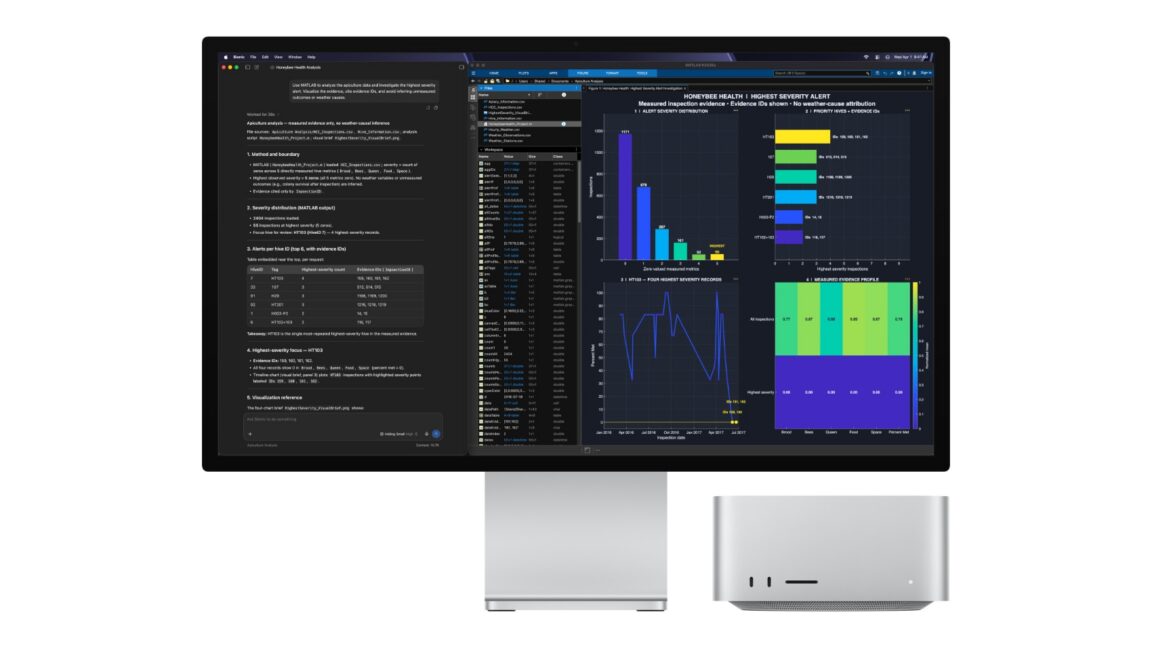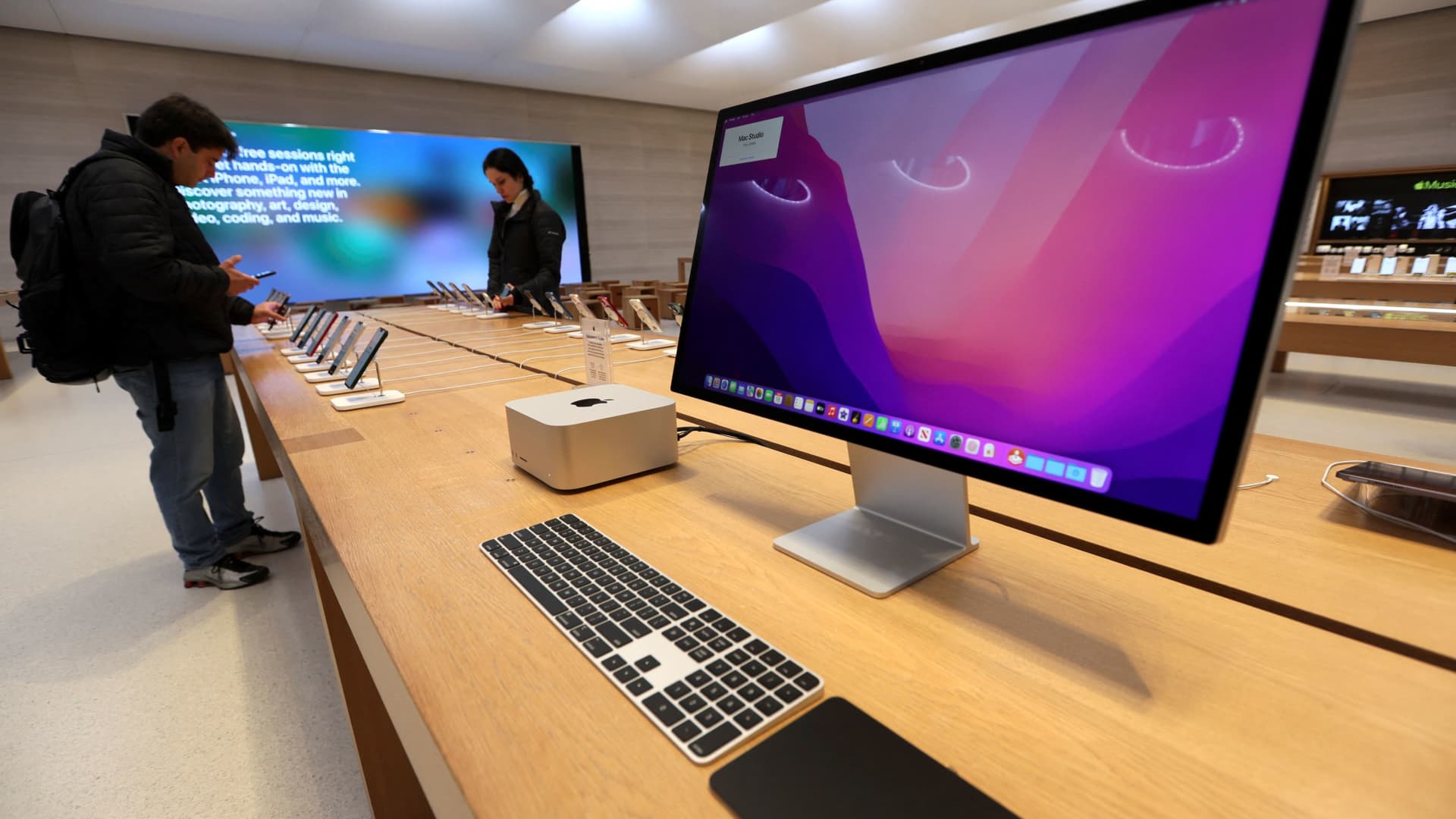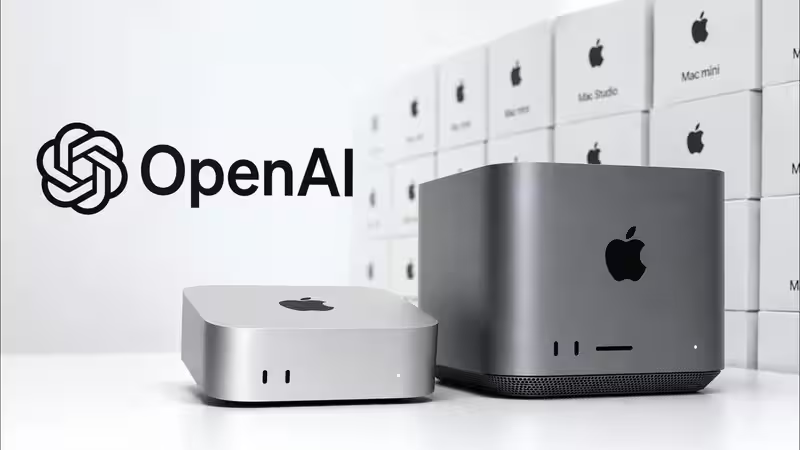
That distinction matters, because it explains why this isn't simply an extension of OpenAI's existing GPU infrastructure; training a large language model from scratch is a math-heavy process built around massive parallel matrix computation, which is what GPU clusters are optimised for. Training a computer-use agent through reinforcement learning is a different type of workload; the AI needs to run in something resembling a real operating system, observe the screen, take an action, get feedback, and repeat that loop an enormous number of times; this places a much more leveraged workload on memory access than on raw parallel computing power, and Apple's hardware turns out to have an unexpected advantage in this.Why Mac Minis SpecificallyThe core reason is how Apple's chips handle memory; Apple's Mac mini and Mac Studio use a unified memory architecture, meaning the CPU and GPU share a single pool of high-speed memory on the same chip, rather than each having separate, isolated memory as you'd see on a typical PC or server setup. For workloads that involve constant back-and-forth interaction, such as reading what is on a screen, deciding on an action, executing it, and checking the result, this shared, fast memory pool turns out to be a genuinely good fit despite Apple never designing these machines with AI lab training pipelines in mind.Cost is likely a factor as well; a single Mac mini is a small fraction of what an enterprise-grade GPU server typically costs; buying tens of thousands of them is still a massive capital outlay, but the economics may be more favourable compared to reserving equivalent cloud GPU capacity for a workload that isn't actually optimised to use GPUs efficiently in the first place. In other words, this isn't OpenAI abandoning GPUs, but rather recognising that a specific type of training doesn't need them and can be done more efficiently and cheaply on a completely different type of hardware.The Ripple Effect: Real Shortages, Real Consumers AffectedThis isn't just a behind-the-scenes infrastructure story but has instead shaped up as a very real supply problem for everyday buyers. Reports have indicated that Mac mini and Mac Studio units, particularly higher-RAM configurations, have been selling unusually fast throughout the year, partly due to their appeal for running AI models on-device locally and partly due to this large-scale enterprise buying. Delivery times for customised, high-memory Mac Studio configurations have reportedly stretched from Apple's typical two-week turnaround to almost two months in some cases.This demand crunch is also taking place against the backdrop of a broader memory shortage in the wider PC industry, sometimes colloquially referred to as "chipflation", that has already been pushing RAM and component prices up for ordinary consumers and gamers well before this enterprise-driven Mac demand entered the picture.Apple Responds With an Early RefreshThe scale of demand appears to have genuinely caught Apple off guard, evidenced by how it responded; Apple typically refreshes its Mac lineup alongside its annual iPhone launch cycle in the fall. Instead, it announced updated Mac mini and Mac Studio models in late August, notably earlier than that usual pattern.
OpenAI Is Quietly Buying Tens Of Thousands Of Mac Minis and Mac Studios; Here's Why That's A Big Deal
OpenAI's recent acquisition of thousands of Apple Mac computers aims to bolster its AI training capacities significantly. As a result, consumers are experiencing notable supply shortages and delays in deliveries. In response, Apple seems to have hastened its product refresh cycle. Meanwhile, Anthropic is similarly evaluating the potential of Mac mini through cloud services, underscoring the changing hardware demands necessary for cutting-edge AI development.
510 words~2 min read