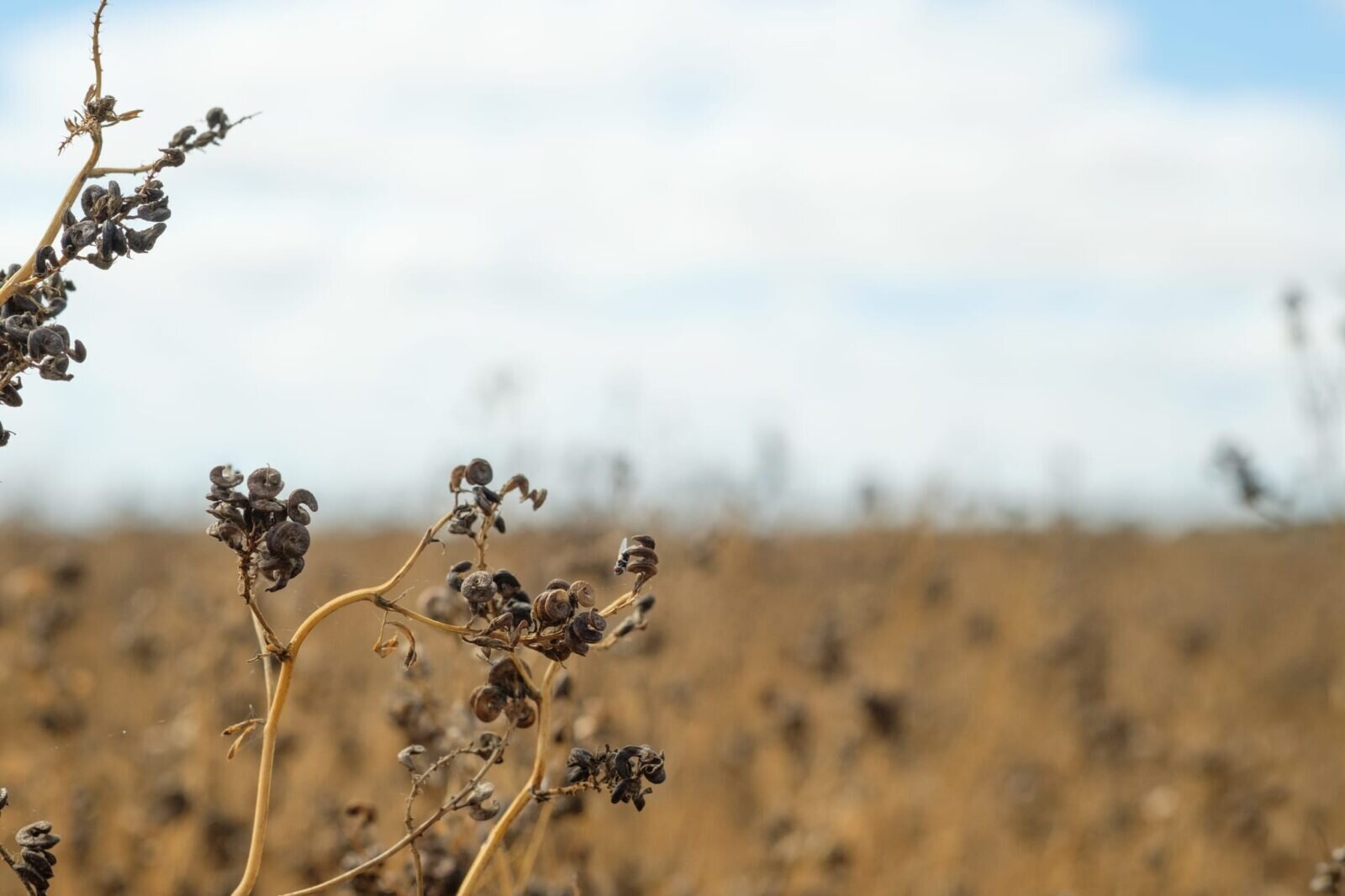
Lucerne seed wasp (LSW) is a serious pest in alfalfa crops, causing damage that is difficult to see in the field. Its larvae feed inside developing seeds, meaning losses may not become apparent until harvest, cleaning or seed delivery, when it is too late to intervene. Each wasp represents a lost seed, with infested seeds removed by seed-cleaning facilities along with other impurities.
Research conducted over six harvest seasons, from 2018 to 2023, used DNA-based testing to investigate LSW and its two principal parasitoid wasps in South Australian alfalfa seed crops. Most samples came from the southeast around Keith, with a smaller number from the Mid North. The testing was incorporated into the existing collection of seed samples from loads delivered to participating seed-cleaning facilities for routine golden dodder testing. This provided an efficient way to detect and quantify pests that would otherwise remain largely hidden within the seed.
In total, 4,097 seed delivery samples were tested, with 2,015 linked to individual fields and locations. The DNA tests were calibrated to estimate the number of wasps per gram of seed. By analyzing these results alongside information on delivery timing, irrigation method, the weight of uncleaned seed and, where available, clean-out rates, the researchers were able to explore how pest prevalence and losses varied among fields, regions, seasons and harvest periods.