A language model can perform well on a clean benchmark and still struggle with the cases that matter in production.
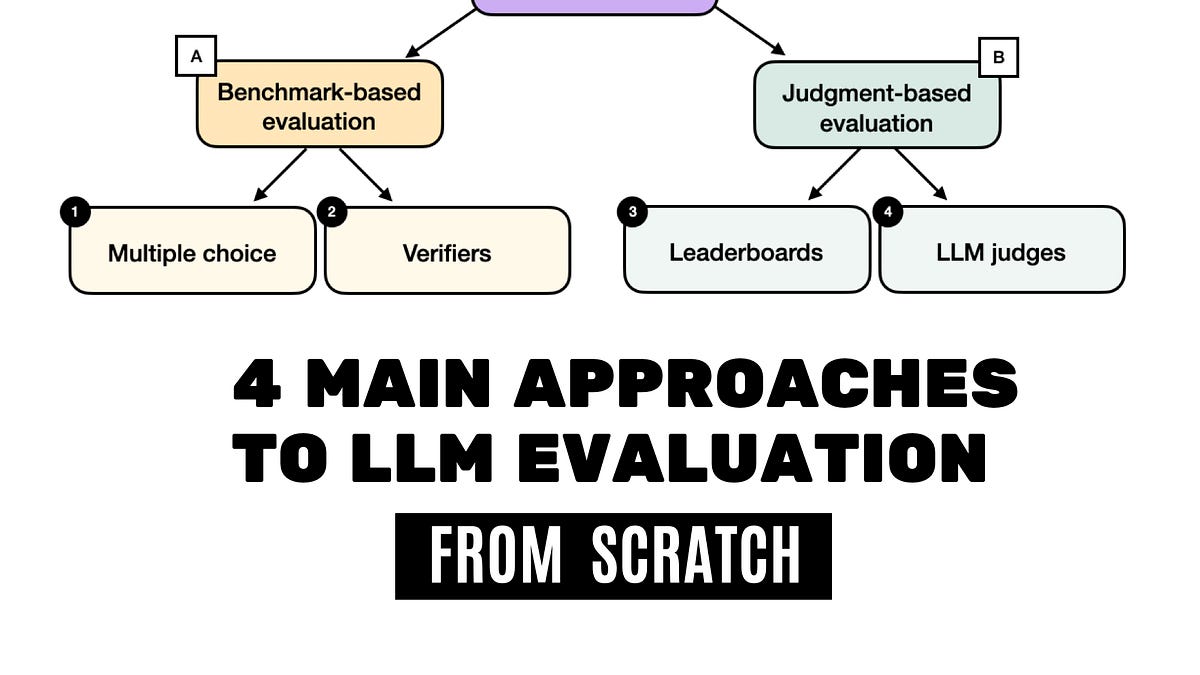
Benchmarks and curated datasets are useful when prototyping an LLM-based system. They help teams compare models, test an initial prompt, and determine whether an idea is technically plausible.
But as a system moves closer to production, the evaluation problem changes.
Real inputs are often ambiguous. Labels may be inconsistent. Important context may be missing or truncated. The evaluation set may not reflect the production distribution. Edge cases that rarely appear in benchmarks can become common sources of failure. Even when offline metrics improve, those results may not translate cleanly into production behavior.
We encountered these challenges while evaluating an LLM-based system designed to reduce false positives in GitHub secret scanning.