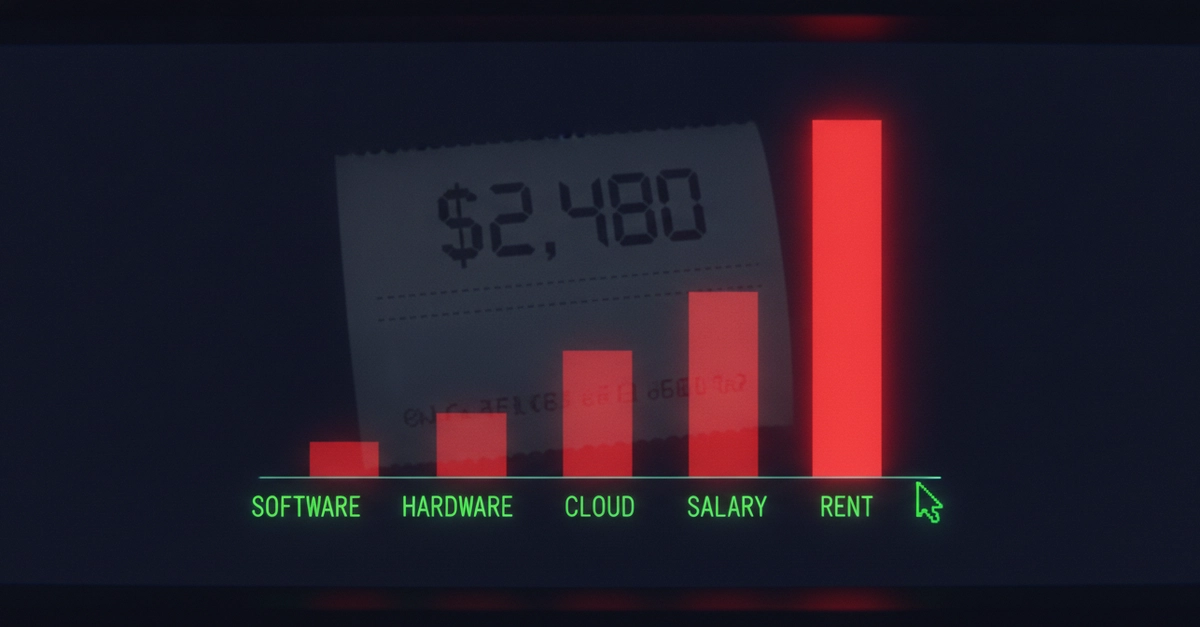
An "84% of monthly budget used" email landed on a Tuesday. I read it. I forwarded it to myself with a note that said watch this. Then I let the batch job run overnight anyway, and by Thursday morning the account had burned $1,900 against a $600 cap.
Nothing malfunctioned. The alerting pipeline worked exactly as specified, delivered on time, to the right person, who understood it. That's the uncomfortable part, and it's not a story about discipline.
A budget warning is a scarcity signal, and scarcity signals don't produce caution
Telling someone a resource is running low is one of the most-studied moves in behavioral psychology. The studied outcome is not restraint. It's an increase in perceived value and a pull toward consuming the remainder.
Worchel, Lee, and Adewole ran the cleanest version of this in 1975, published in the Journal of Personality and Social Psychology, with 200 participants. Same cookie, same room, same everything, handed over from either a jar holding ten or a jar holding two. The two-cookie jar produced higher ratings on value and attractiveness. Then they added a disclosure condition: some participants were explicitly told the supply had dropped because other people wanted them. Being told the mechanism didn't cancel the effect. That group rated the cookie highest of all.