Academia
Chasing elite clubs like the OECD won’t magically transform Indonesia’s economy, especially in a fractured global order where diplomatic prestige is no substitute for domestic reform.
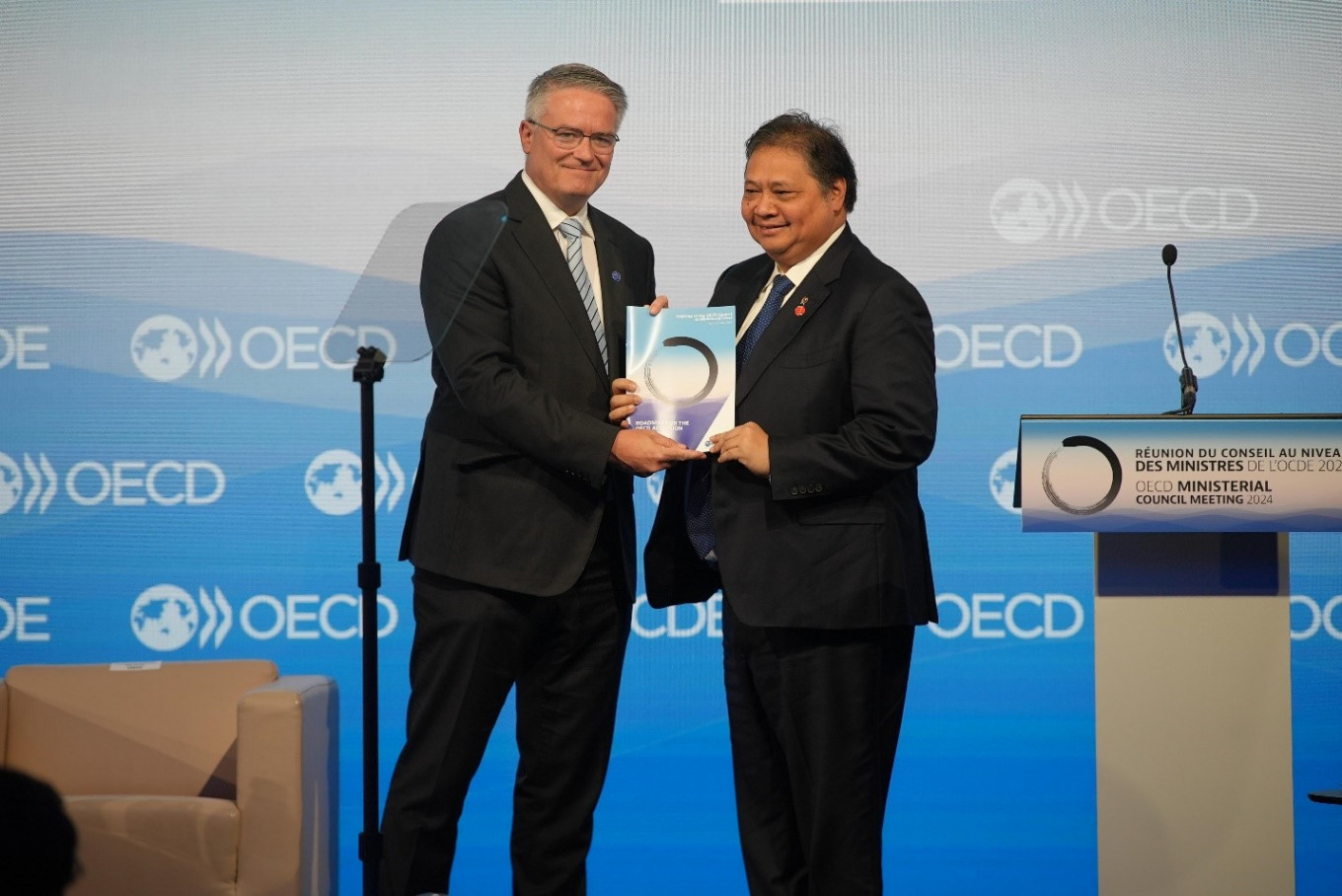
Coordinating Economy Minister Airlangga Hartarto (right) receives the Roadmap for the OECD Accession of Indonesia from the organization’s secretary-general Mathias Cormann on May 2, 2024, during the opening of the OECD Ministerial Council Meeting in Paris.
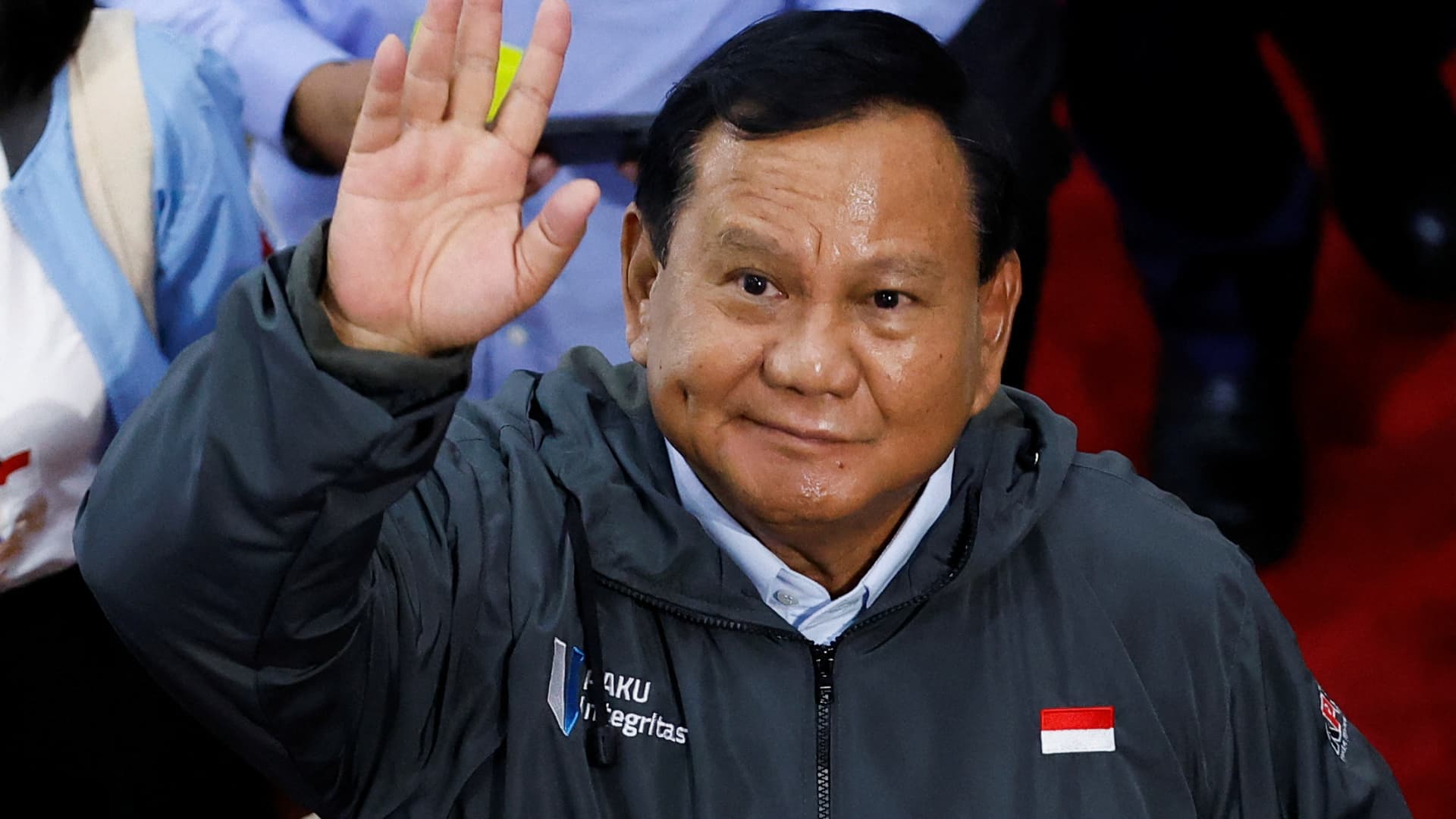
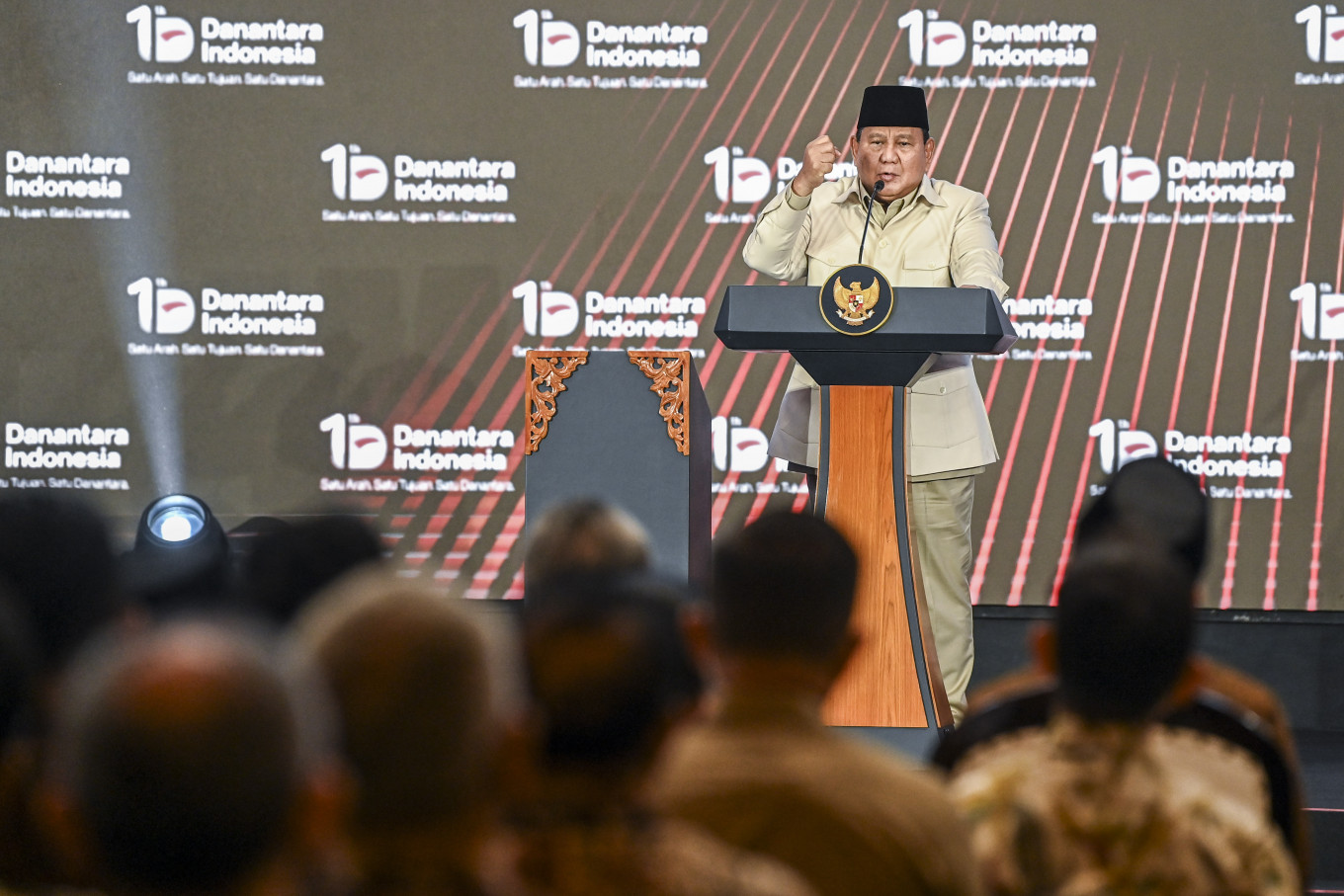
As United States President Donald Trump doubles down on a unilateral trade war targeting dozens of major partners, President Prabowo Subianto’s push to join multilateral pacts like the Organisation for Economic Co-operation and Development and the Japan-led Comprehensive and Progressive Agreement for Trans-Pacific Partnership (CPTPP) is setting Indonesia up for disappointment.This ambition brings to mind the old Indonesian saying, “Melihat hujan di langit, air di tempayan ditumpahkan”: discarding what one has for a promise that might not materialize.
Jakarta has already ratified the world’s largest free trade agreement, the ASEAN-led Regional Comprehensive Economic Partnership (RCEP) linking the bloc with China, Japan, South Korea, Australia and New Zealand. Yet Indonesia has barely capitalized on it. Rather than chasing prestigious new clubs, Jakarta would do better to extract actual economic value from the trade architecture it already belongs to.