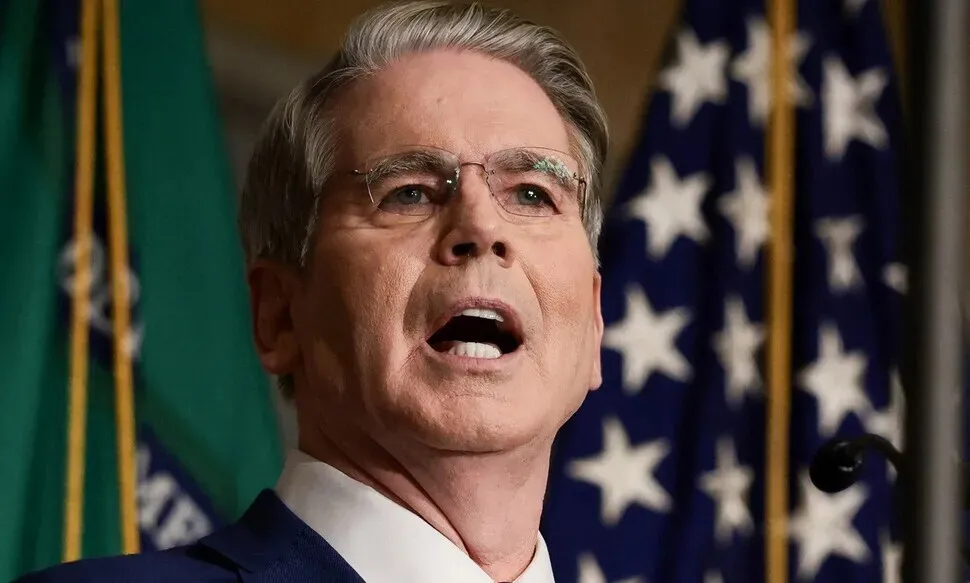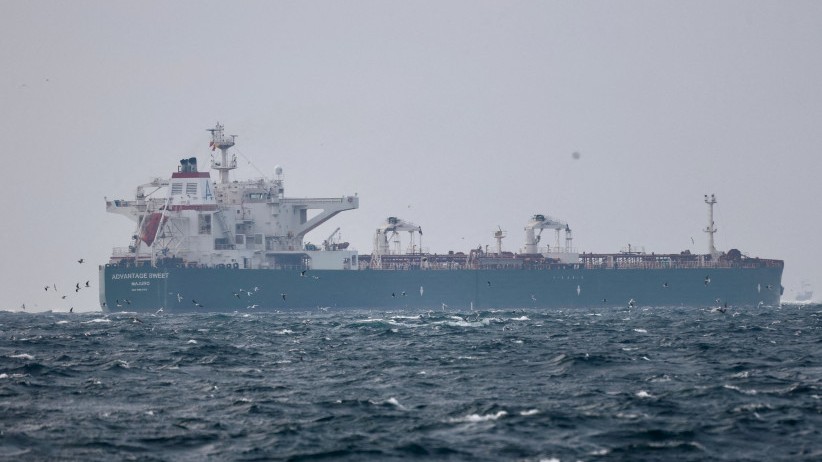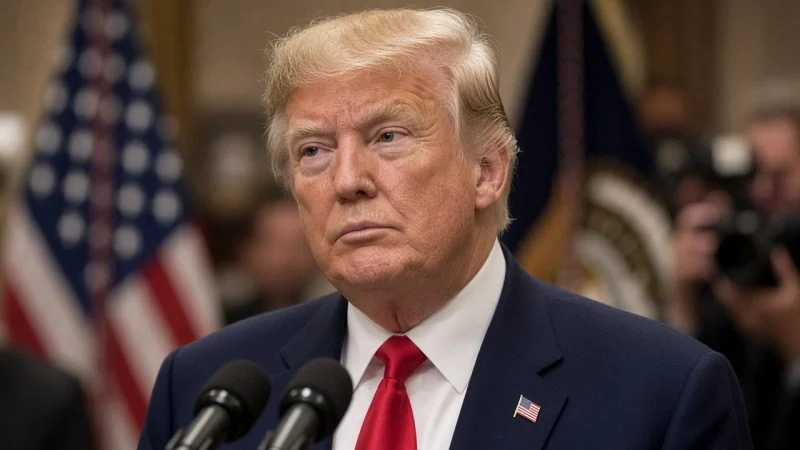
Treasury Secretary Scott Bessent just rolled out one of the most ambitious sanctions packages in recent memory against Iran, dubbing it “Operation Economic Outcast.” Launched on August 24, the operation targets more than 60 entities, individuals, and vessels connected to Iran’s oil exports, nuclear programs, and cyber operations. Bessent framed it as an “economic D-Day.”
The China-shaped hole in the strategy
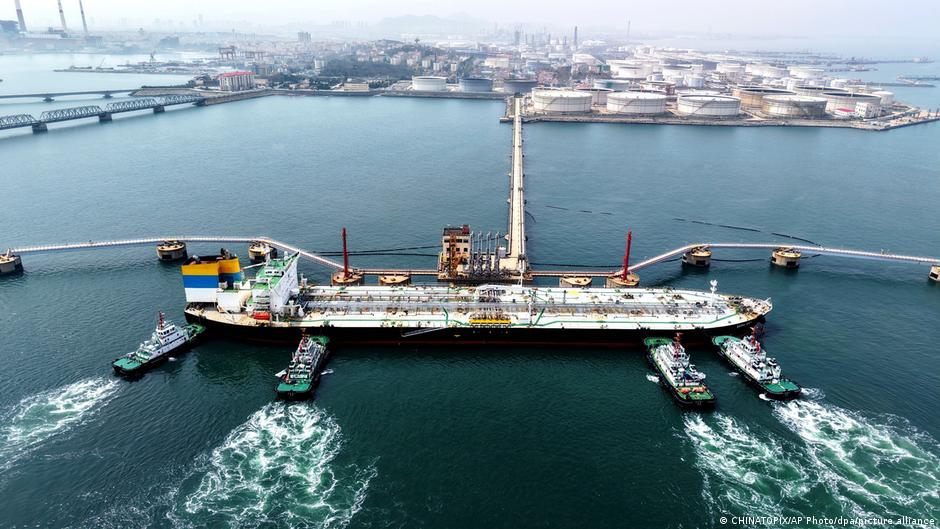
The core problem is simple math. China purchases somewhere between 80% and 90% of Iran’s seaborne oil exports. You can sanction every middleman, shell company, and rust-bucket tanker in the supply chain, but if you’re unwilling to go after the buyer responsible for nearly all the volume, you’re essentially trying to drain a swimming pool with a coffee mug.
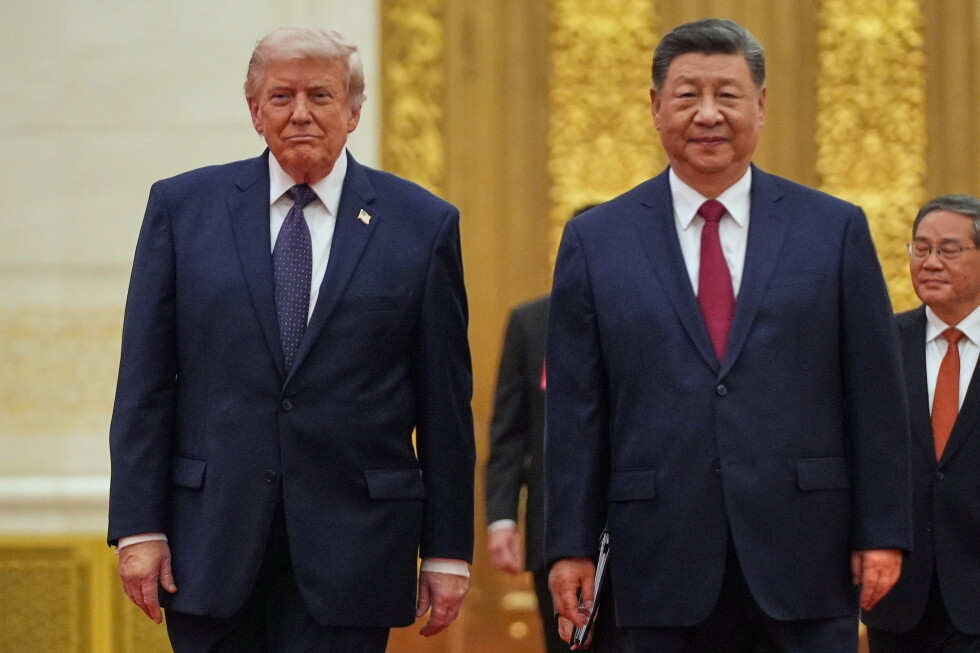
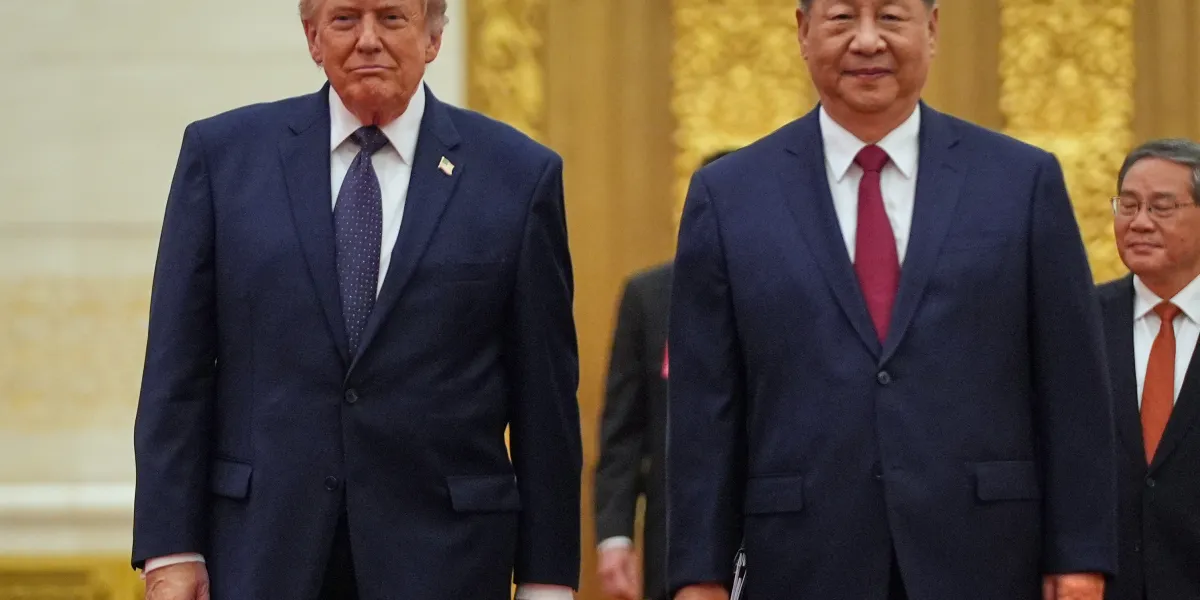
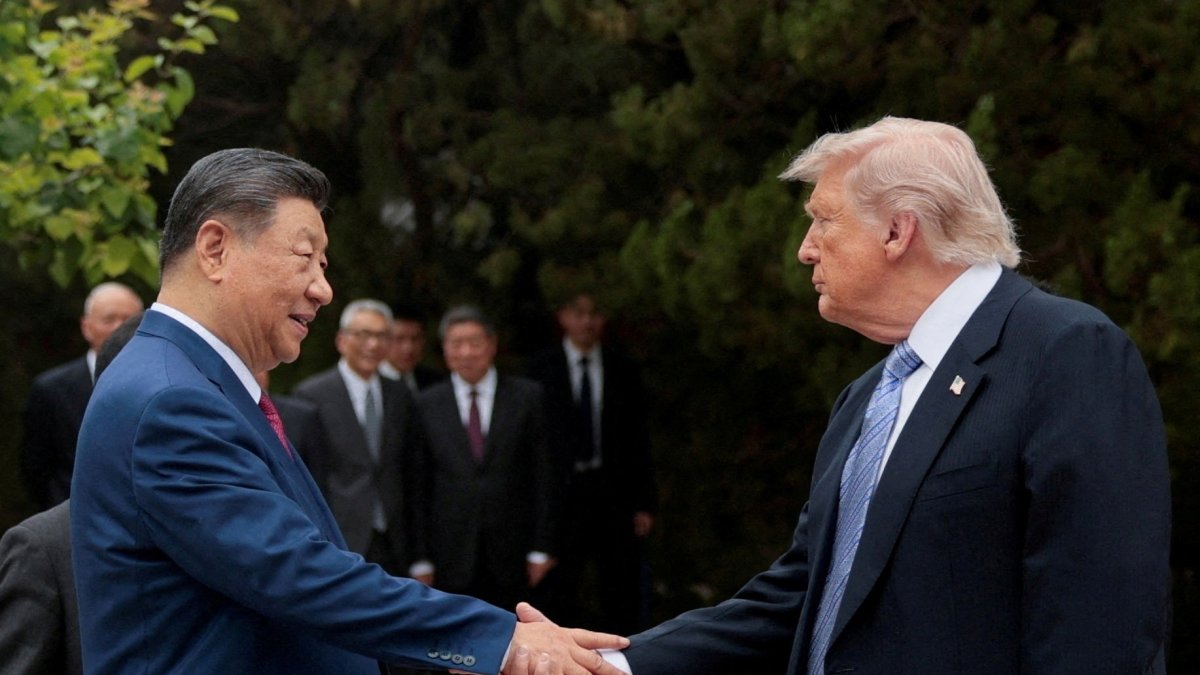
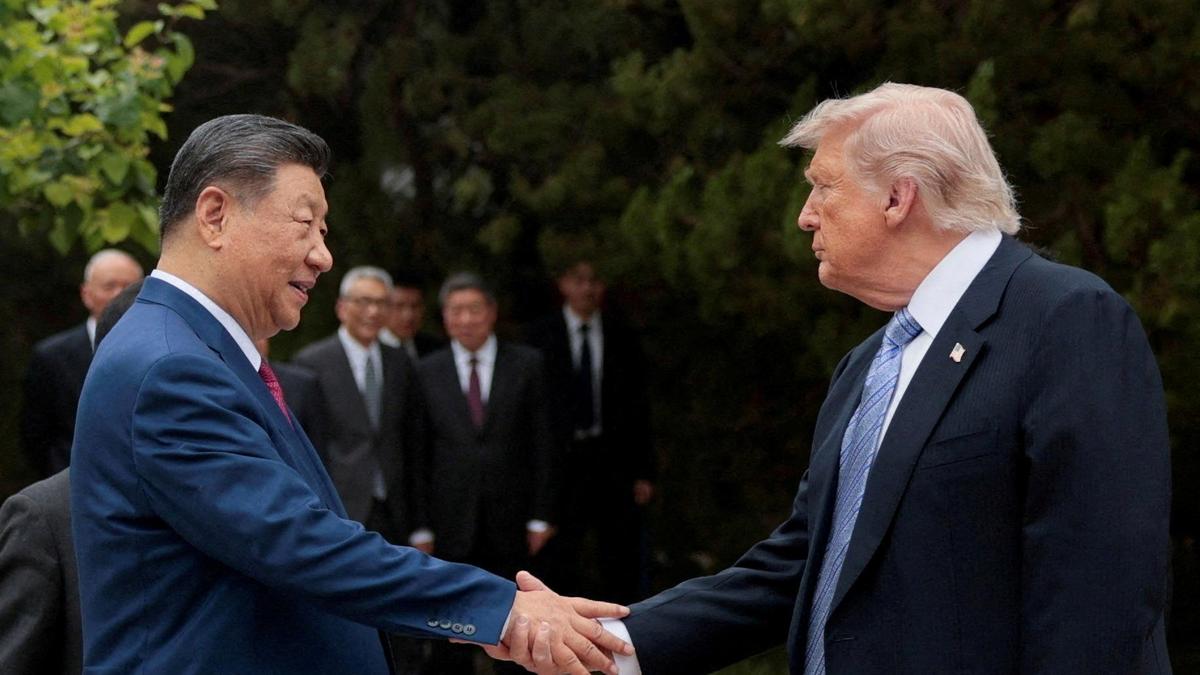
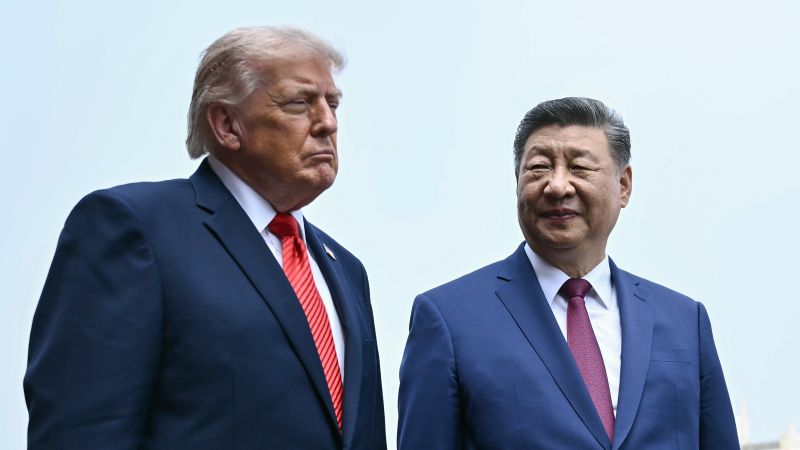
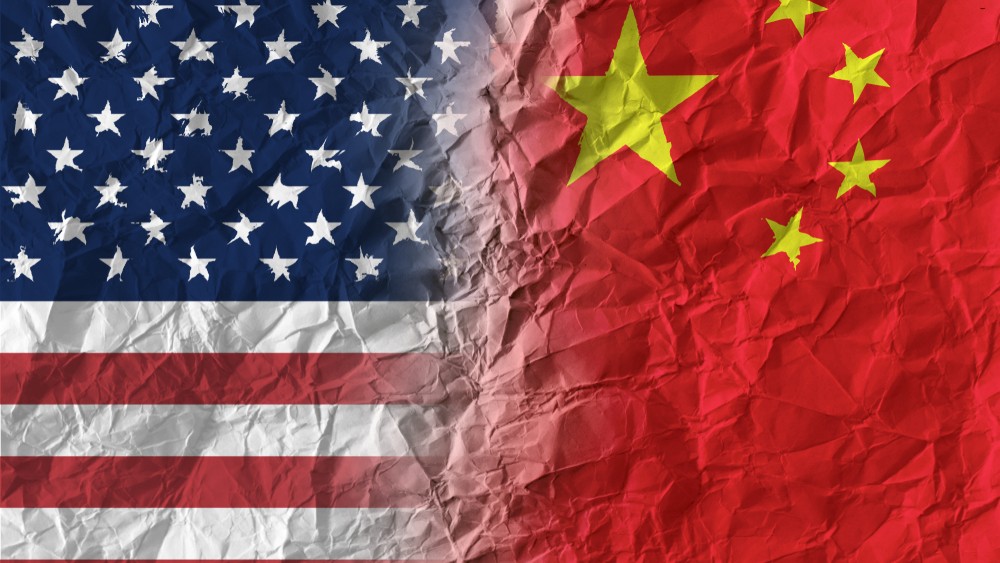
US officials have conspicuously avoided imposing broad secondary sanctions on major Chinese financial institutions, opting for a surgical approach: targeting smaller entities while keeping the big banks in Beijing untouched. With a Xi-Trump summit reportedly scheduled for September 2026, the administration appears to be calculating that diplomatic leverage is worth more than economic escalation, at least for now.
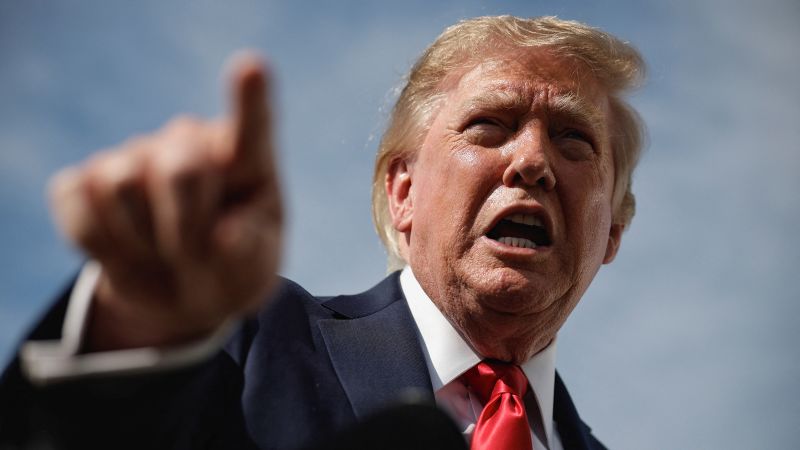
President Trump telegraphed some of this tension on August 19, warning of “tremendous economic consequences” for countries aiding Iran.