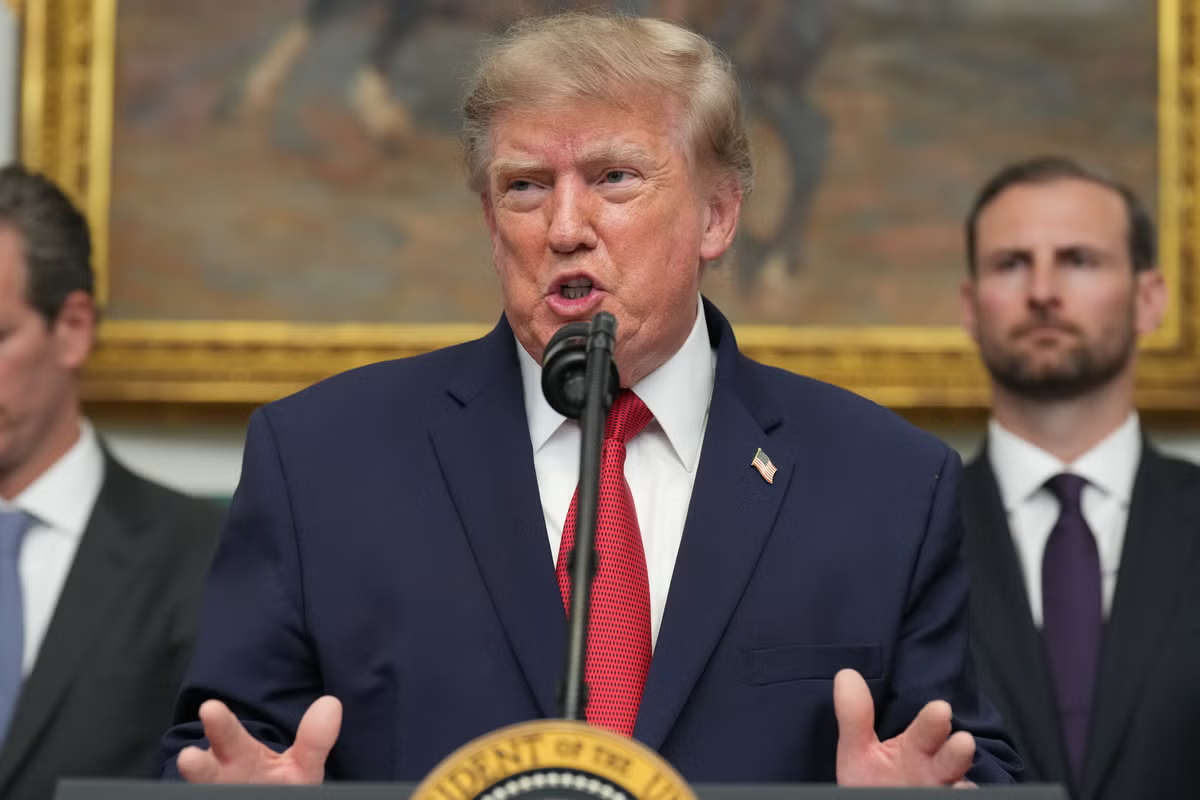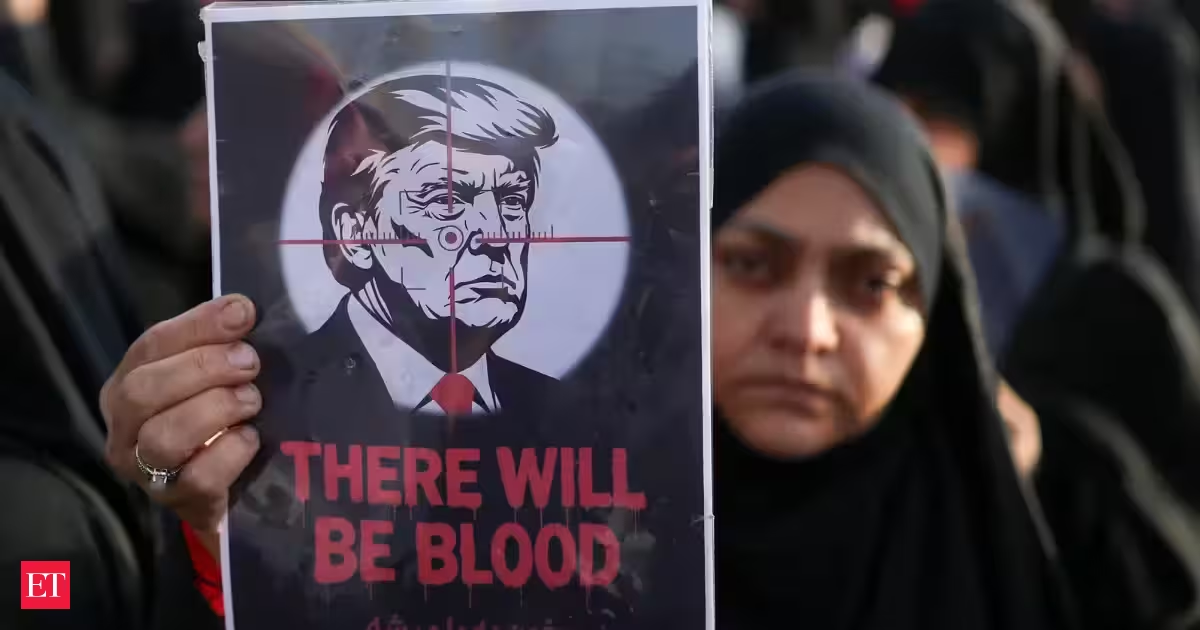
The Trump administration appears to have landed on a fallback strategy in the Iran war after military strikes and negotiations failed to deliver victory: threats of harsh economic sanctions.
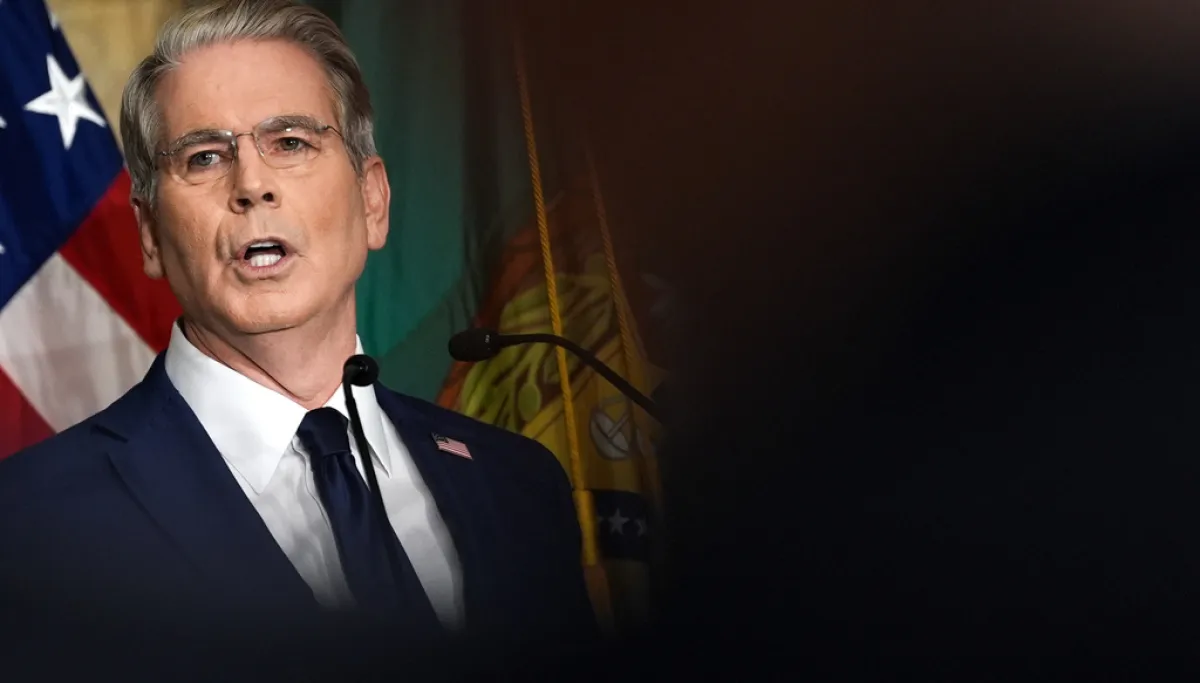
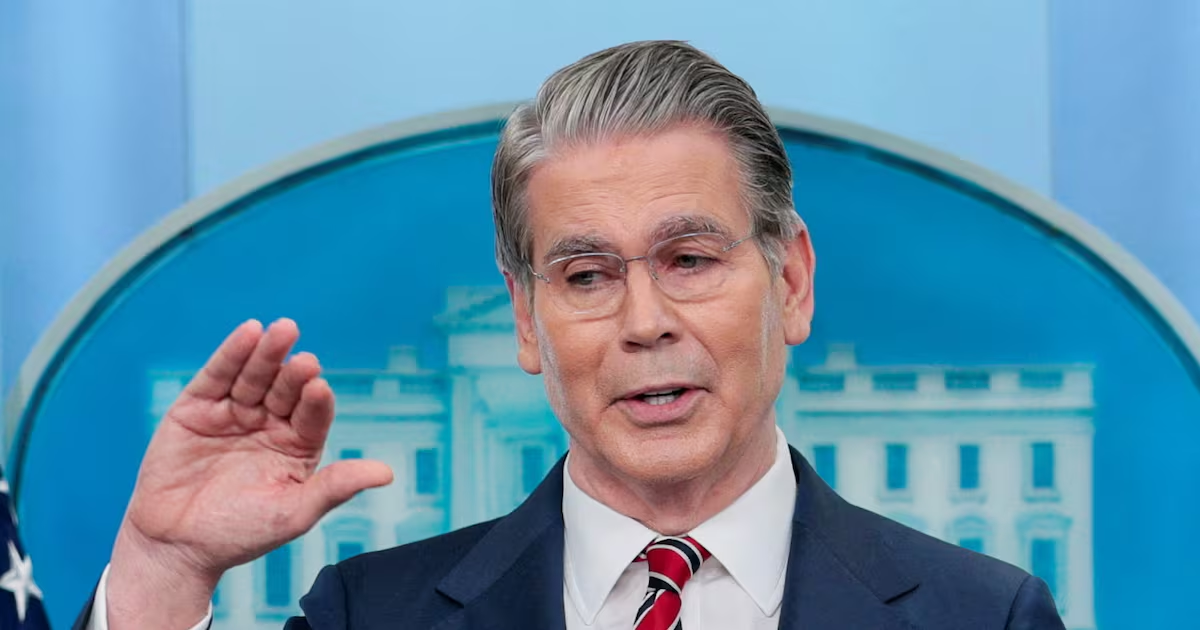
Treasury Secretary Scott Bessent has called them the “toughest sanctions in history,” which will “collapse this regime.” He’s even called it an “economic D-Day” for Iran, comparing it to the historic invasion of Nazi-occupied France during World War II.
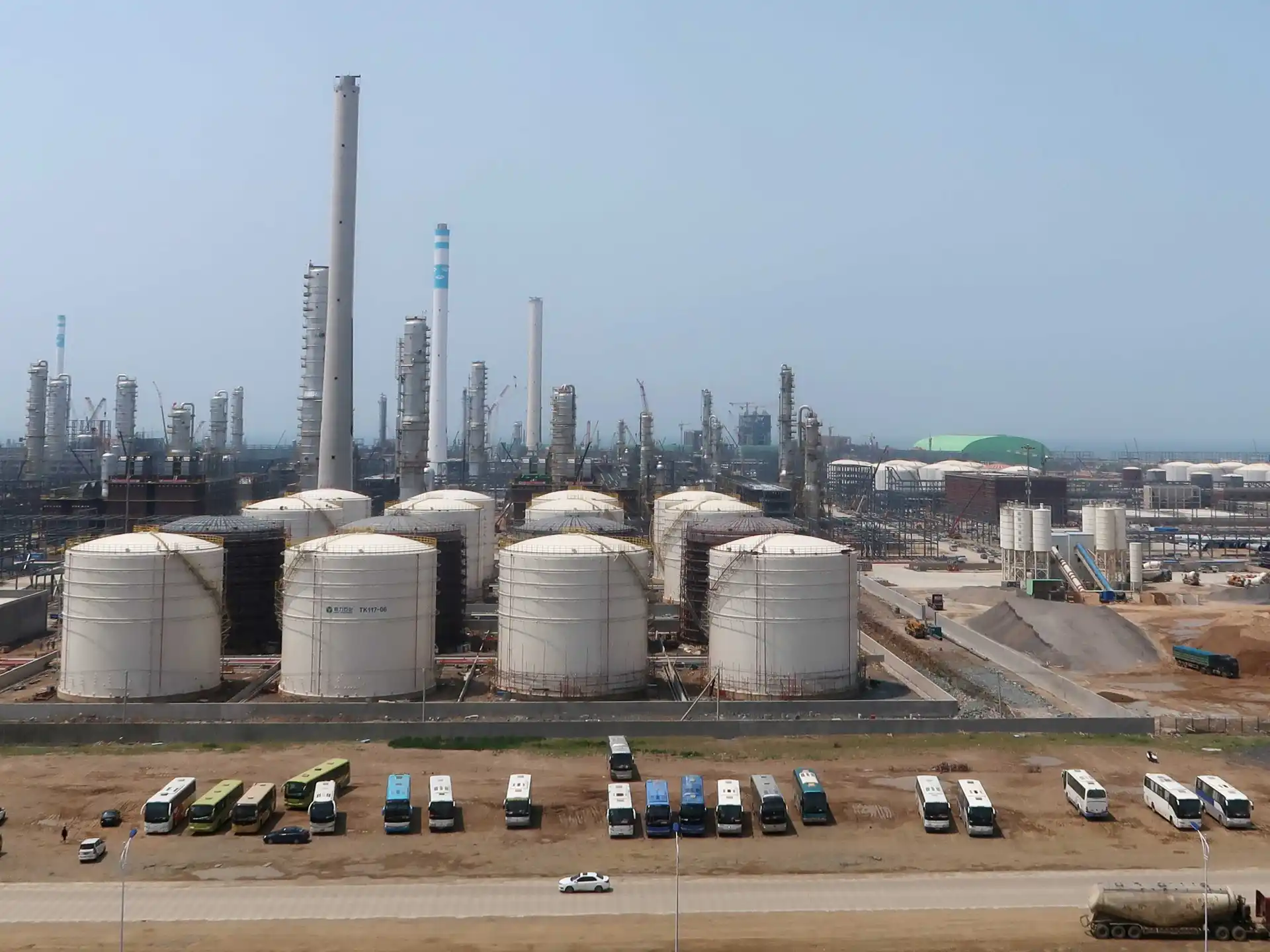
There’s just one problem: Making good on those tough words requires not just getting tough on Iran, but also getting tough on China, which is Tehran’s No. 1 trading partner.
And Trump and his administration have proved quite reluctant to do that.
When Bessent rolled out the economic strategy Monday, he didn’t name specific countries that would be punished — or lay out timelines — if they don’t cut ties. And the announcement notably did not include secondary sanctions on the large Chinese banks that facilitate Beijing’s purchases from Iran.