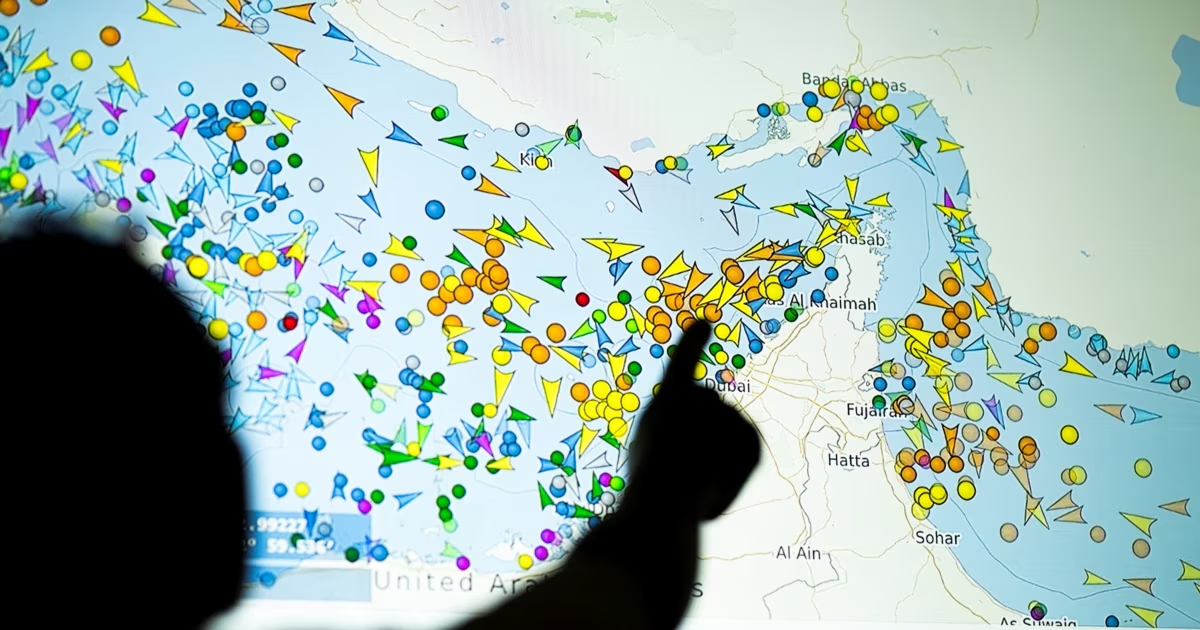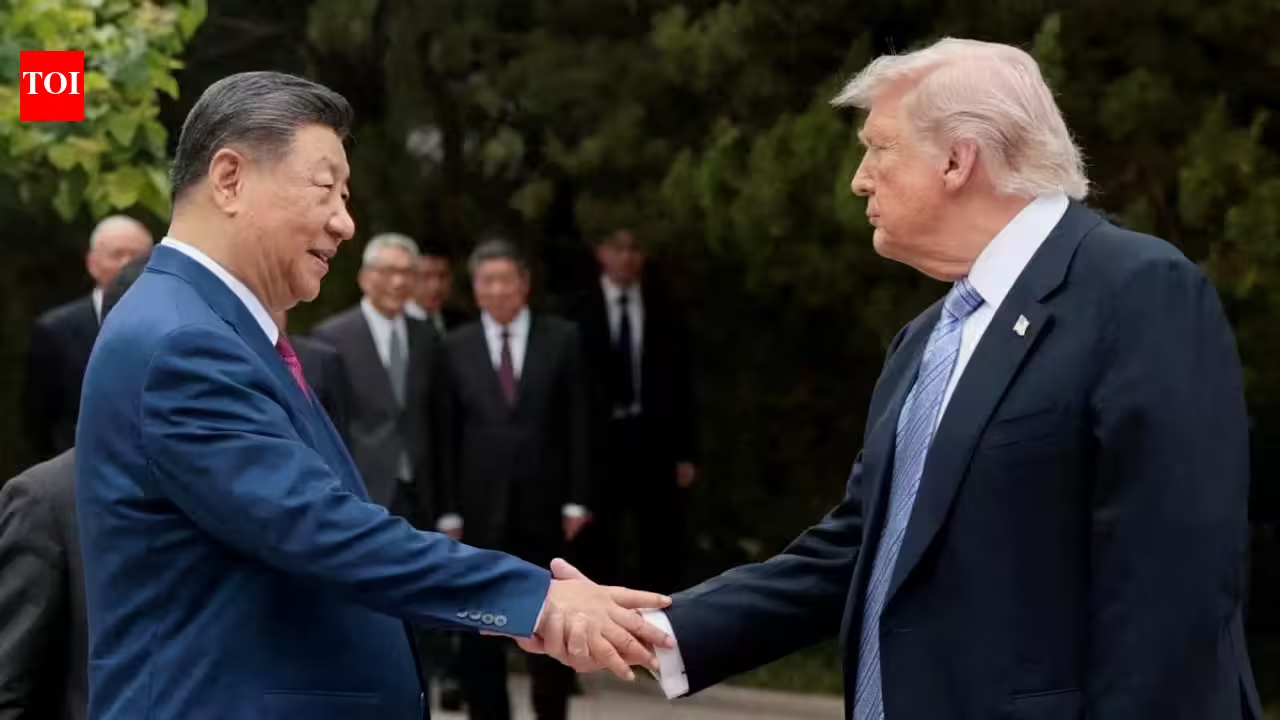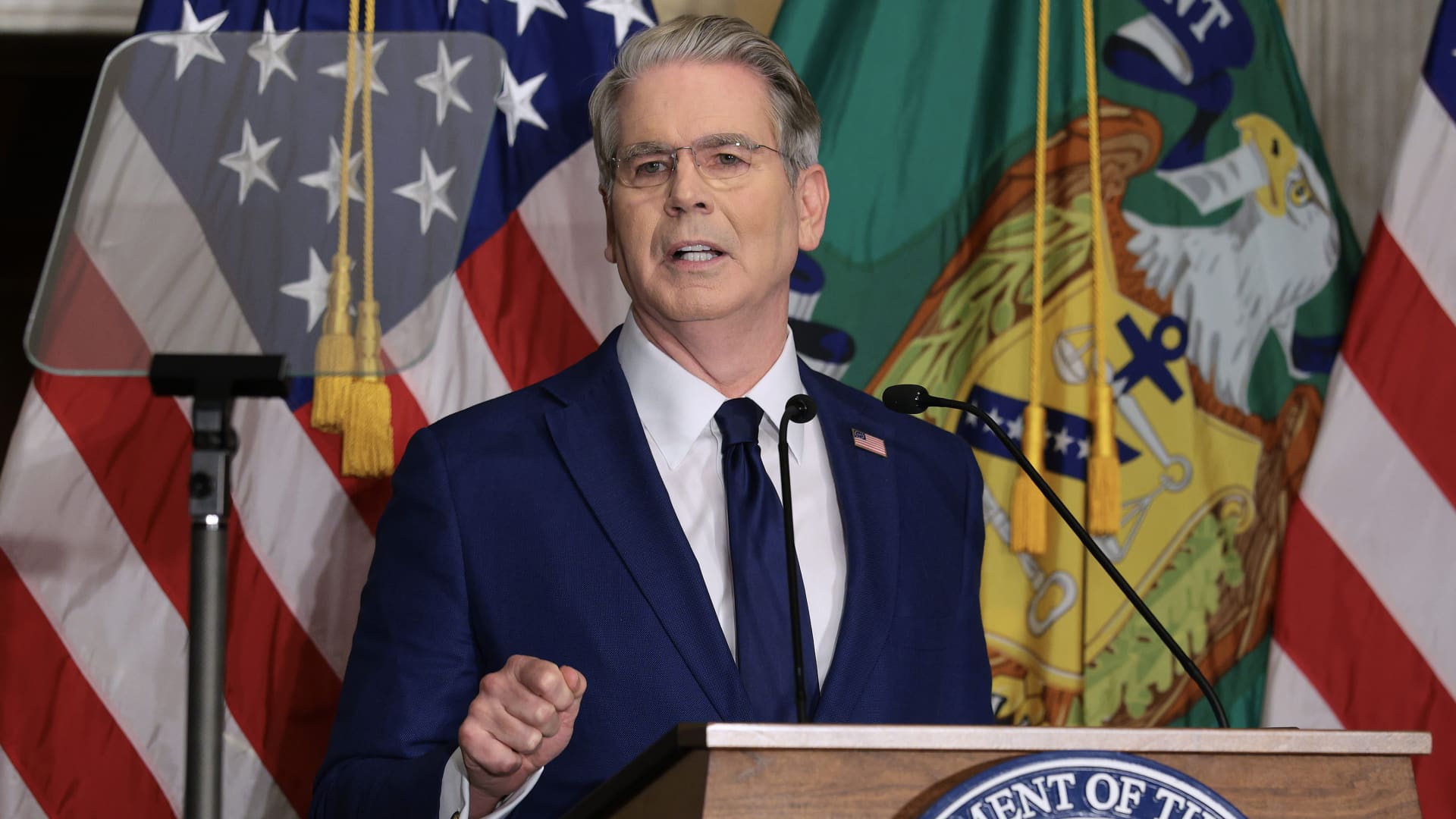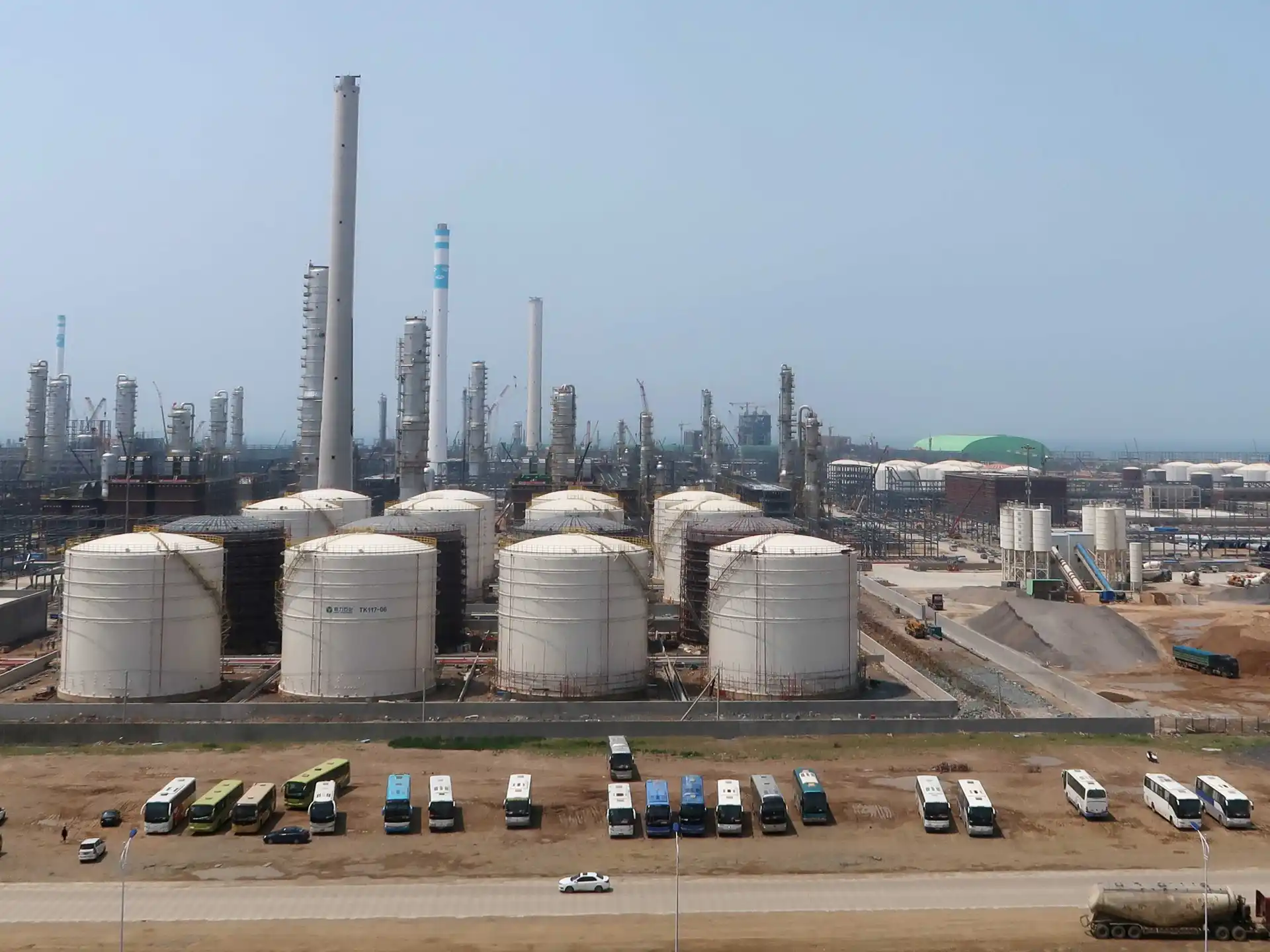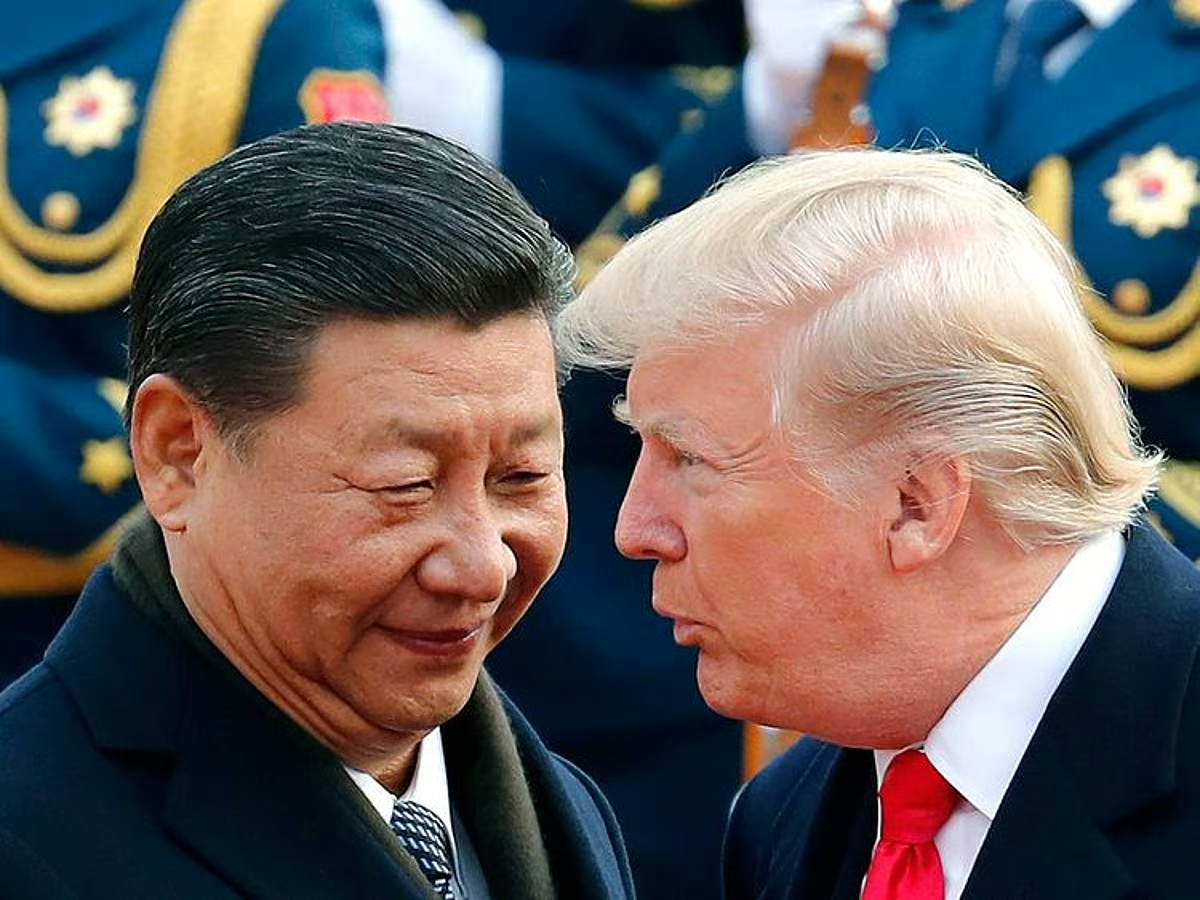
US sanctions experts say the Trump administration's new campaign to economically isolate Iran could be an effective escalation -- but only if Washington backs its threats with action.US Treasury Secretary Scott Bessent unveiled what he called “Operation Economic Outcast” on August 24, describing it as an unprecedented effort to force Iran's trading partners to choose between maintaining commercial ties with Tehran and access to the US financial system.Yet Bessent announced few immediate measures, leaving the central question unresolved: whether Washington is prepared to move beyond Iranian entities and smaller intermediaries and directly target the Chinese financial institutions and oil buyers central to Iran's revenue.The risk might be provoking a response from Beijing, potentially reigniting a trade war ahead of Xi Jinping's planned visit to Washington on September 24.For former US Treasury official Michael Parker, who previously served as an investigator and section chief at the Office of Foreign Assets Control (OFAC), Bessent's remarks appeared designed as much to warn and pressure foreign governments as to announce immediate sanctions.“Secretary Bessent’s comments appeared to be a public warning to buttress the US’s behind-the-scenes diplomacy,” Parker told RFE/RL. “He appeared to be giving major actors -- whether in China or elsewhere -- a chance to both change behavior and save face before taking broader actions.”“Whether or not this is a gamechanger will depend on how far and to what systemic level the US and its allies implement more far-reaching actions, particularly against Tier I (largest) banks,” he said.That possibility is central to the campaign's credibility.The US has extensive experience imposing sanctions on Iran, while Tehran has spent years adapting through front companies, intermediaries, shadow shipping, and financial channels outside Washington's direct reach.The administration's claim that it has now mapped “every node, every network, every facilitator” used by Iran to move oil and evade sanctions suggested a plan to close many of those remaining channels.But sanctions experts say one gap will be particularly difficult to close: China.The Test Of ChinaBessent said the Treasury Department had identified entities that continue to deal with Iran and that violators would be given deadlines to sever those relationships or face US sanctions. The length of the wind-down periods, he said, would depend on individual circumstances.“No one is above the reach of US sanctions,” Bessent said when asked about China, which has been the dominant buyer of Iranian oil. “If they facilitate transactions and are part of the ecosystem that turns Iranian oil into money, into repression, they will be targeted.”He added: “Any entity that facilitates money laundering on behalf of Iran will be removed from the US dollar system. The clock just started ticking.”That raises the most consequential question facing the campaign: What happens if Washington actually sanctions a major Chinese financial institution?Max Meizlish, a research fellow at the Foundation for Defense of Democracies (FDD) and a former OFAC official, noted that the Treasury sent warning letters in April to banks in China, Hong Kong, Oman, and the United Arab Emirates about possible secondary sanctions if they continued supporting Iranian sanctions evasion."It’s impossible to stop the flow of funds to Iran if the US doesn’t combat China,” Meizlish said.Meizlish pointed specifically to China's Bank of Kunlun, which Washington cut off from access to the US dollar in 2012.“China’s Bank of Kunlun should be at the top of the list for sanctions,” Meizlish said. He described the earlier US action against the bank as “largely symbolic” and said a new designation could increase pressure on its parent, China National Petroleum Corporation, to sever ties.China's embassy in Washington said sanctions and pressure would not resolve the Iran issue and called instead for political and diplomatic efforts.“Regarding the Iran issue, sanctions and pressure do not help resolve the problem,” the embassy said. “China calls on the relevant parties to take responsible actions and resolve the issue through political and diplomatic means.”Bessent said US President Donald Trump was making calls to world leaders with specific requests that they end interactions with the Iranian government. He did not say whether Trump would speak directly with President Xi on this.Jim Mullinax, a veteran State Department economic officer who retired earlier this year after previously leading the department's Office of Sanctions Policy and Implementation, said the consequences of targeting Chinese banks would depend largely on which institutions were involved.“The big 4 don’t handle Iranian transactions, from what I understand,” Mullinax told RFE/RL. “China tends to set up specific institutions to deal with Iran, DPRK, etc.”That could give Washington room to target banks involved in Iranian transactions without necessarily disrupting the wider global financial system.“China's reaction likely will depend on the size of the bank. But expect retaliation...If China doesn’t play ball, then others won’t either and it’s hard to see how this doesn’t escalate,” Mullinax said.That could turn Iran sanctions into a broader US-China confrontation over the reach of American financial power.A Warning For Sanctions EvadersBessent said countries and entities would receive deadlines to end their dealings with Iran, with the timing determined according to individual circumstances.Mullinax, who spent years dealing with sanctions policy and international diplomacy, defended the logic of a warning period.“If the goal is to disrupt Iran’s ability to move money, then closing off the channel is more important than freezing any specific amount,” Mullinax said.“As a former diplomat, I like the idea of a diplomatic campaign -- you’d rather have countries take actions rather than sanction their institutions,” he said.But Meizlish suggested that Bessent's warnings may nevertheless serve another purpose: preparing financial markets for potentially disruptive action.Global trade has already been roiled by massive disruptions to flows of oil, liquified natural gas, and other vital commodities through the Strait of Hormuz.A spike in bond yields has further spooked global markets.“The warning from Bessent could serve to get the market acclimated to what would otherwise be a shock,” Meizlish said.What Would Success Actually Look Like?The administration has offered a maximalist objective: complete economic isolation. The experts interviewed by RFE/RL point to a more complicated measure of success.For Mullinax, the administration appears to view sanctions as leverage intended ultimately to produce a political result.“My take is that the Administration sees success as Iran coming back to the negotiating table ready to do a deal to re-open the Strait of Hormuz and stop terror finance/nuke development and attacks on the region,” he said.Yet sanctions can also produce unintended consequences, particularly if pressure on Iran begins to spill into global energy markets or makes it more difficult for ordinary Iranians to obtain essential goods.“We already have a global economic problem and I’m sure a humanitarian problem is on the horizon,” Mullinax said.He noted that international conventions provide for transactions involving humanitarian goods such as food and medicine, although he questioned whether the Trump administration would maintain those protections in the same way.The deeper question is whether economic pressure can produce political concessions from a government that has already demonstrated an ability to survive under severe sanctions.“How much will it weaken the regime?” Mullinax asked. “I’d have thought they are weak already, but that doesn’t seem to be affecting their ability to cause pain to the US and the global economy.”That is the fundamental uncertainty surrounding Operation Economic Outcast. If Iran continues to find buyers, banks, and countries willing to help it evade restrictions, “zero leakage” may remain an aspiration rather than an achievable policy outcome.And if the US decides that achieving zero leakage requires confronting major Chinese financial institutions, the Iran sanctions campaign could rapidly become something much larger: a test of how far Washington can extend its economic power against one of its principal geopolitical rivals without turning sanctions enforcement into a broader economic confrontation.By RFE/RLMore Top Reads From Oilprice.comTreasury Expands Iran Sanctions Without Targeting Major Chinese BanksEurope Dodges a Rhine Crisis for the Worst Possible ReasonOil Nears $100 as Trump’s ‘Economic D-Day’ Raises the Stakes
Can Trump Isolate Iran Without Triggering a Clash With China? | OilPrice.com
The Trump administration’s new campaign to economically isolate Iran could succeed only if Washington is willing to confront the Chinese banks and oil buyers that remain crucial to Tehran’s revenues.
1,302 words~6 min read