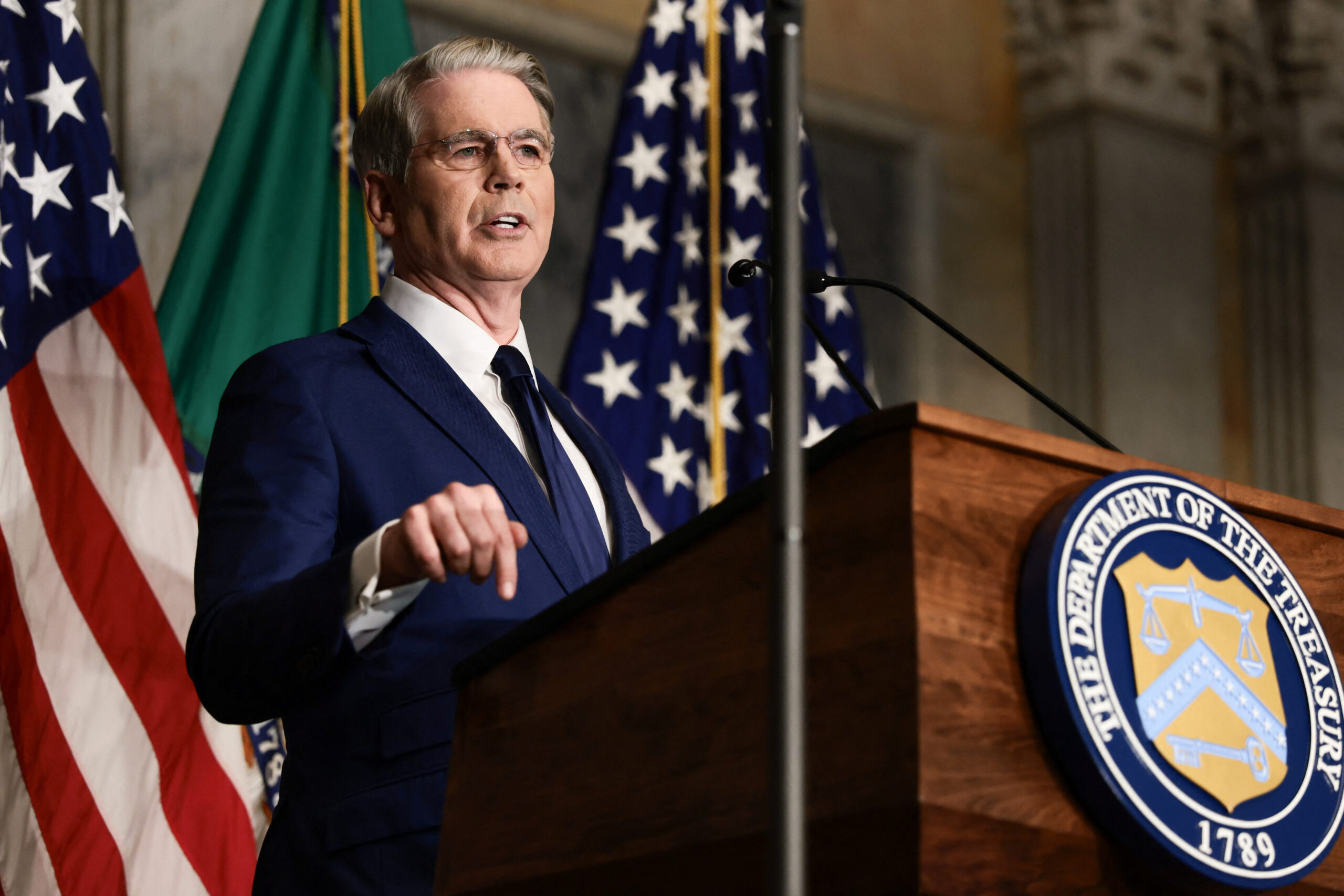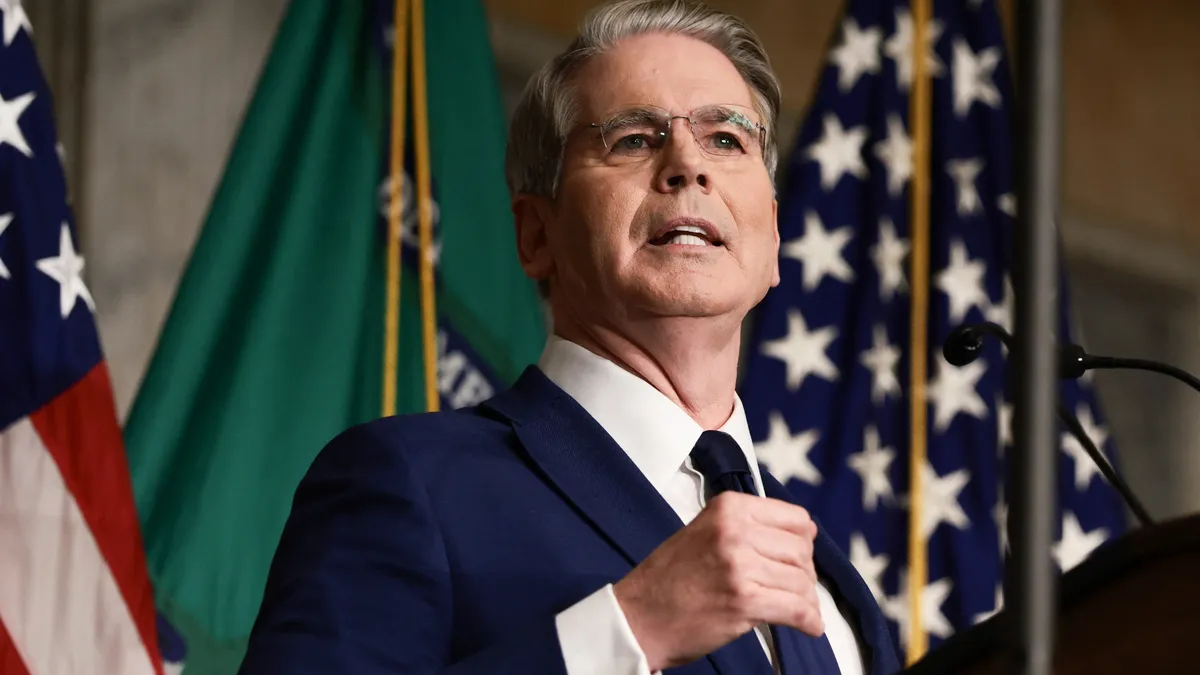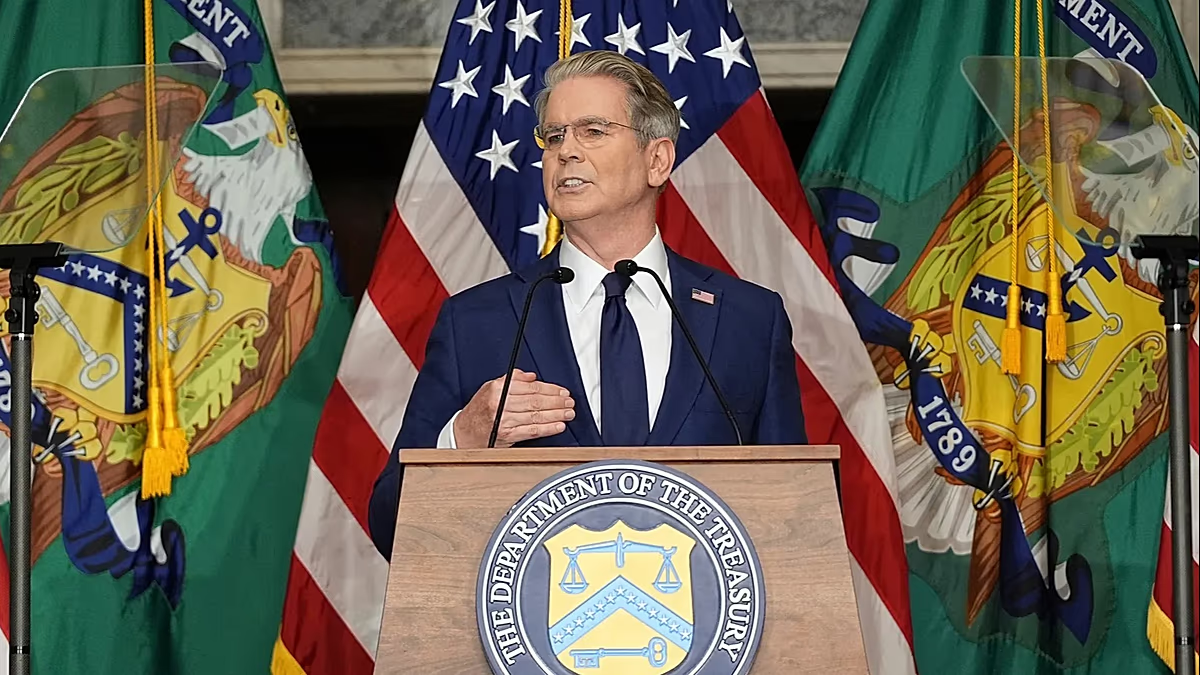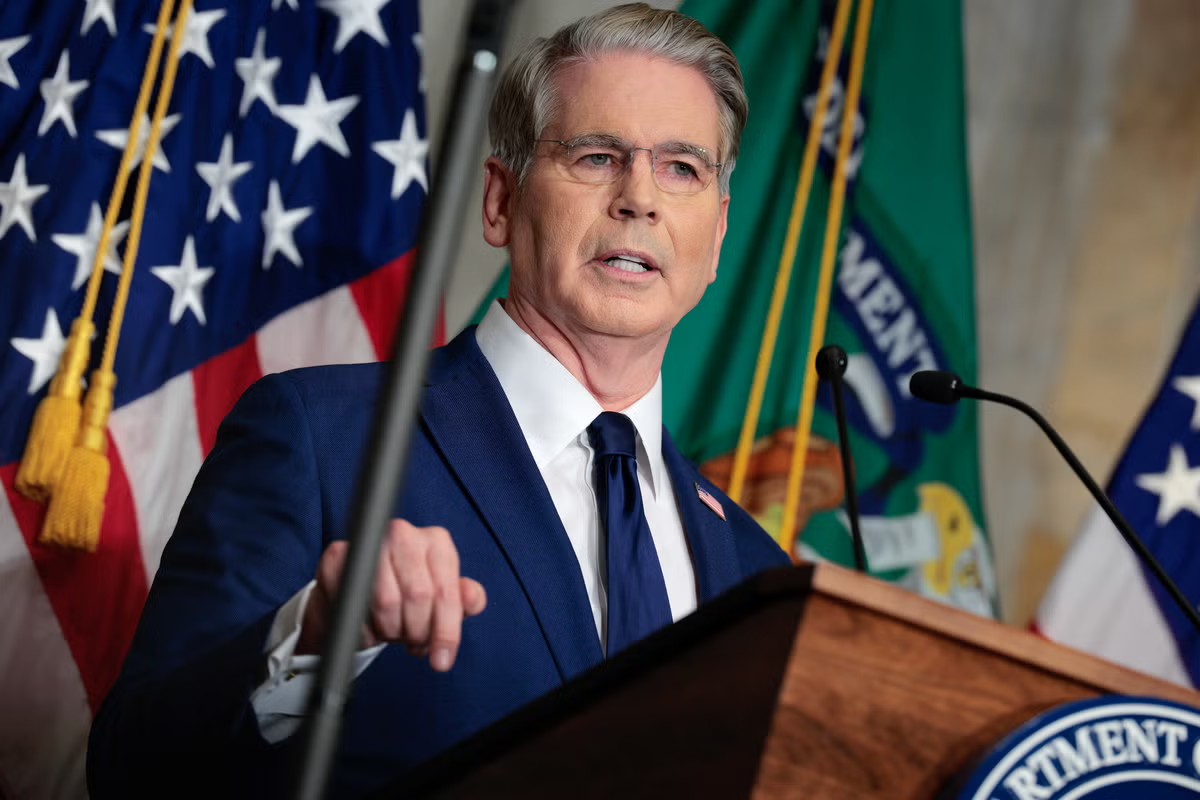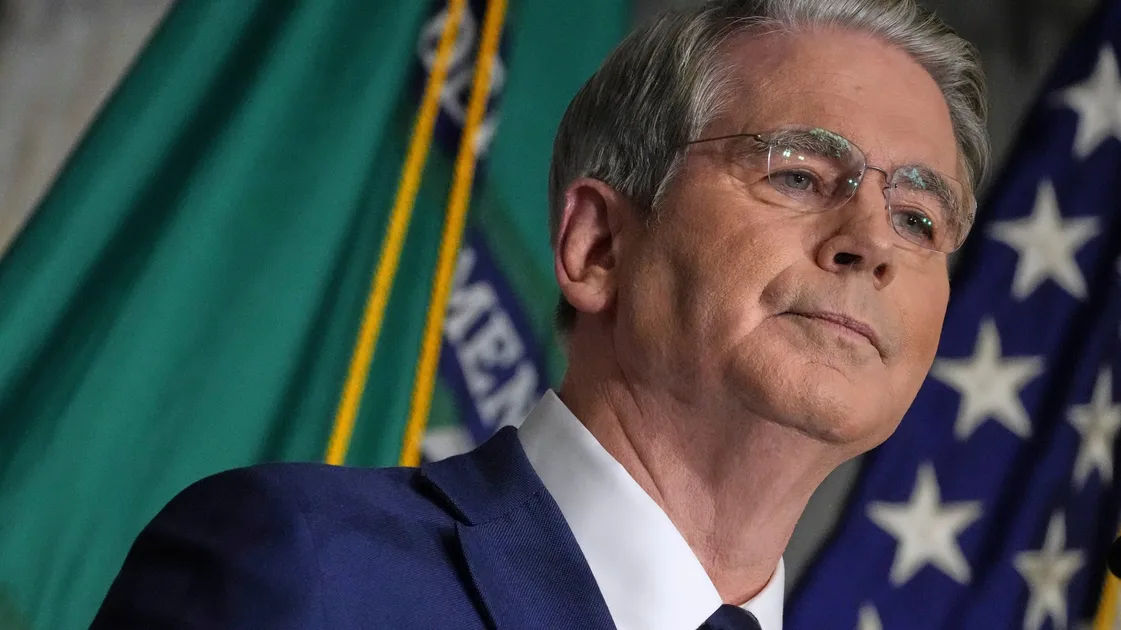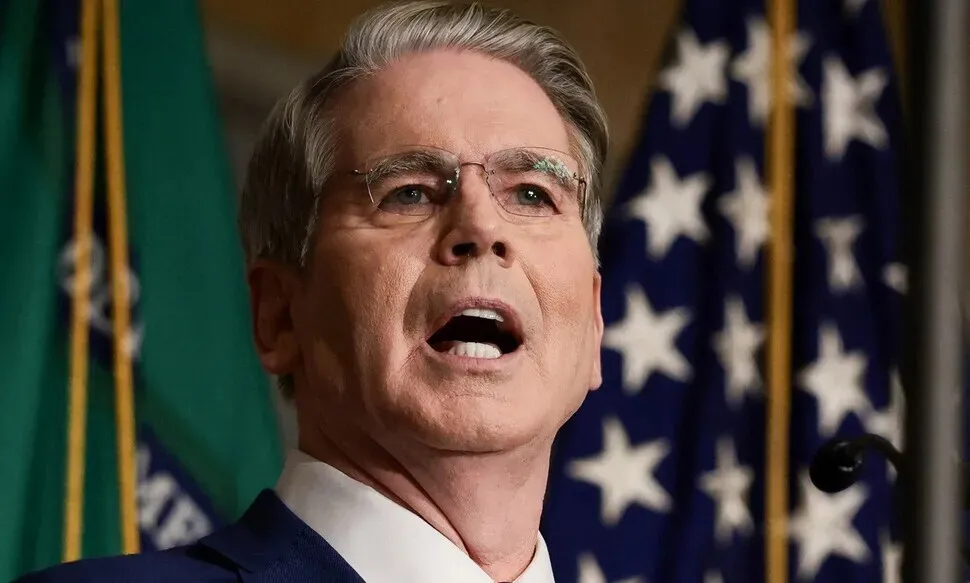
US Treasury Secretary Scott Bessent announces new sanctions targeting Iran at the Treasury Department in Washington, DC, on Aug. 24, 2026. (Reuters/Yonhap)
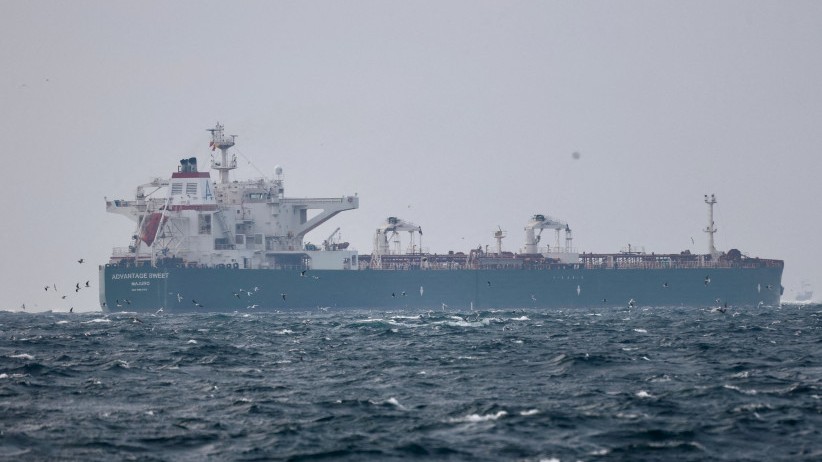
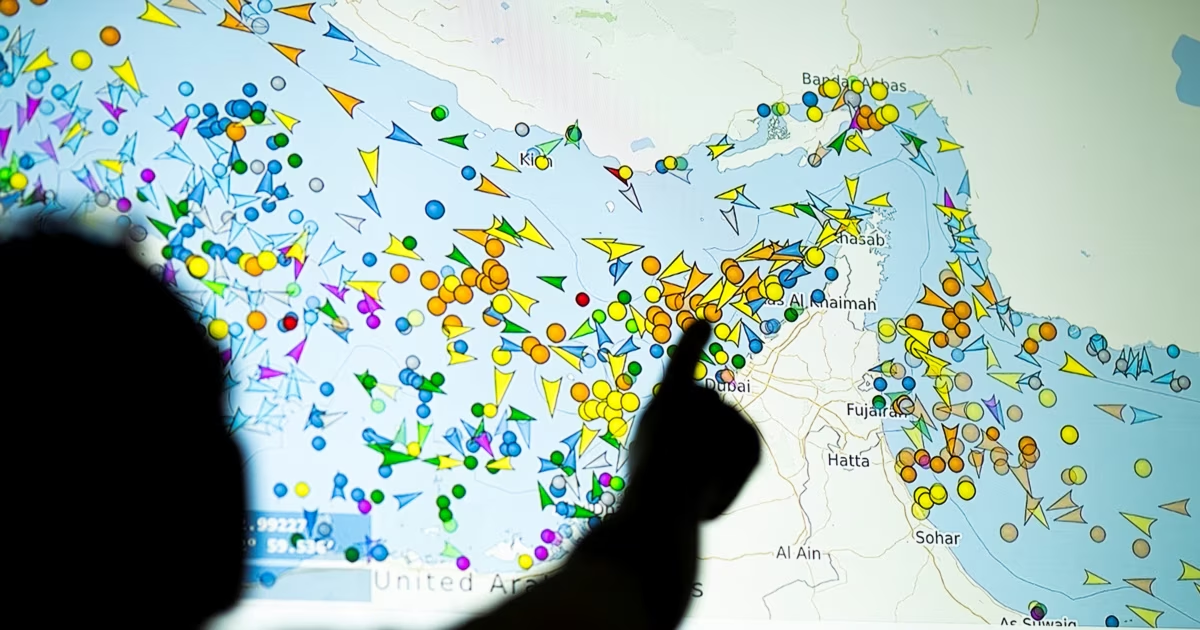
The Trump administration is expanding its conflict with Iran to the economic front given Washington’s failure to extract concessions from Tehran after about six months of military operations.The crux of this strategy is to go beyond sanctions targeting Iran’s oil and financial sectors by pressuring companies and financial institutions in other countries doing business with Iran by threatening to exclude them from the US financial system.The stalemate in military actions and impasse negotiations between Washington and Tehran have effectively meant the start of a second round of war. Yet whether the US will sanction major Chinese banks and companies — the largest buyers of Iranian crude oil whose compliance will decide if the sanctions are effective — is fueling skepticism.US Treasury Secretary Scott Bessent on Monday declared “Operation Economic Outcast” against Iran at the Treasury building in Washington, announcing the launch of “an economic onslaught against Iran’s financial connections around the globe.”He also pledged to track the intermediaries and financial networks Iran uses for oil smuggling and sanctions evasion, adding, “Our objective is to sever every economic lifeline that sustains this tyrannical regime until Tehran stands alone.”The Treasury expanded the scope of its secondary sanctions to five sectors: digital assets, technology, gold, aviation and shipping. Previously, it could sanction third-country companies and banks that bought Iranian crude oil or supported Iranian financial institutions, but focused mostly on oil and financial transactions.This time, entities elsewhere in the world helping Iran generate revenue or evade sanctions in the five areas face a heightened risk of secondary sanctions. Some 60 individuals, companies and vessels involved in the procurement of nuclear and missile technologies, cyber operations and oil smuggling were also sanctioned.The core of this approach is not just sanctioning companies individually, but applying pressure on the entire network of payments, brokerage and transportation that enables transactions with Iran. Whenever Tehran faces sanctions, it recovers proceeds from crude oil sales through shell companies, currency exchange businesses, changes of vessel ownership and third-country intermediaries.“If they facilitate transactions and are part of the ecosystem that turns Iranian oil into money into repression, they will be targeted,” Bessent said. Trump also plans to directly call world leaders to demand that they suspend specific transactions, while the Treasury, Pentagon and State Department will pressure their respective counterparts abroad into halting Iran-related activities designated by the US within a set timeframe.Washington’s shift in approach toward its war with Tehran — from military force to economic warfare — reflects the rising cost of military operations and the lack of a clear exit strategy. Despite the passage of some six months since the US and Israel attacked Iran on Feb. 28, Tehran has not fully reopened the Strait of Hormuz.Disruptions in shipping through the strait, through which about a fifth of the world’s crude oil passed before the war, are driving up energy prices and rattling the American economy. With the midterm elections looming in November, a prolonged conflict is increasingly a political burden for Trump and the Republican Party.The biggest wildcard in all of this is China, the world’s largest buyer of Iran’s crude oil, purchasing an estimated 80%-90% of its exports. The US has sanctioned small, privately owned “teapot” refineries and shipping companies in China that purchase such fuel, but has stopped short of imposing broad sanctions on major Chinese banks that process the payments for such transactions.Under the new measures, such banks that facilitate transactions with Iran could also be exposed to secondary sanctions. If the US Treasury sanctions a major Chinese bank for its involvement in Iranian transactions, the bank could lose access to US financial markets and face major disruptions to its dollar-clearing operations. Its US-based assets could be frozen and its correspondent banking relationships with US banks severed, potentially shutting it out of the global financial system. The more internationally active the Chinese bank, the greater the impact is likely to be. The sanctions could also trigger a cascading effect, prompting financial institutions and companies in other countries to cut ties with the bank for fear of becoming entangled in US sanctions.The problem is that playing this card could come at a high cost to the US. Asked about the possibility of sanctioning Chinese banks, Bessent said that “no one is above the reach of US sanctions,” but went on to say that the sanctions wouldn’t go into effect immediately. “Why would I want to blow up the global financial system?” he went on to say, explaining that the US would give countries time to wrap up their business with Tehran. With Chinese President Xi Jinping’s visit to the US scheduled for late next month, sanctions on major Chinese banks could also spill over into US-China trade negotiations and talks over rare-earth supplies.The announcement drew mixed assessments of the potential efficacy of the sanctions. Matt Swinehart, a former Treasury official who served in both Republican and Democratic administrations and now works at Washington-based Rock Creek Global Advisors, told The Washington Post that meaningful progress will require the US to sanction privately owned Chinese oil refineries, known as “teapots,” as well as the major Chinese banks that facilitate Beijing’s purchases of Iranian oil.“I think the big question is going to be whether they’re willing to do something that crosses the red line of the China trade truce. And if not, you know, this is ultimately not going to be successful,” he said. Meanwhile, Adam Smith, who oversaw sanctions on Iran during the Obama administration, seemed more optimistic. “If even some of what Bessent said comes true, this is a significant increase of pressure. If this goes on — plus the physical blockade — it could actually have an impact,” he told The Washington Post. By Kim Won-chul, Washington correspondentPlease direct questions or comments to [english@hani.co.kr]