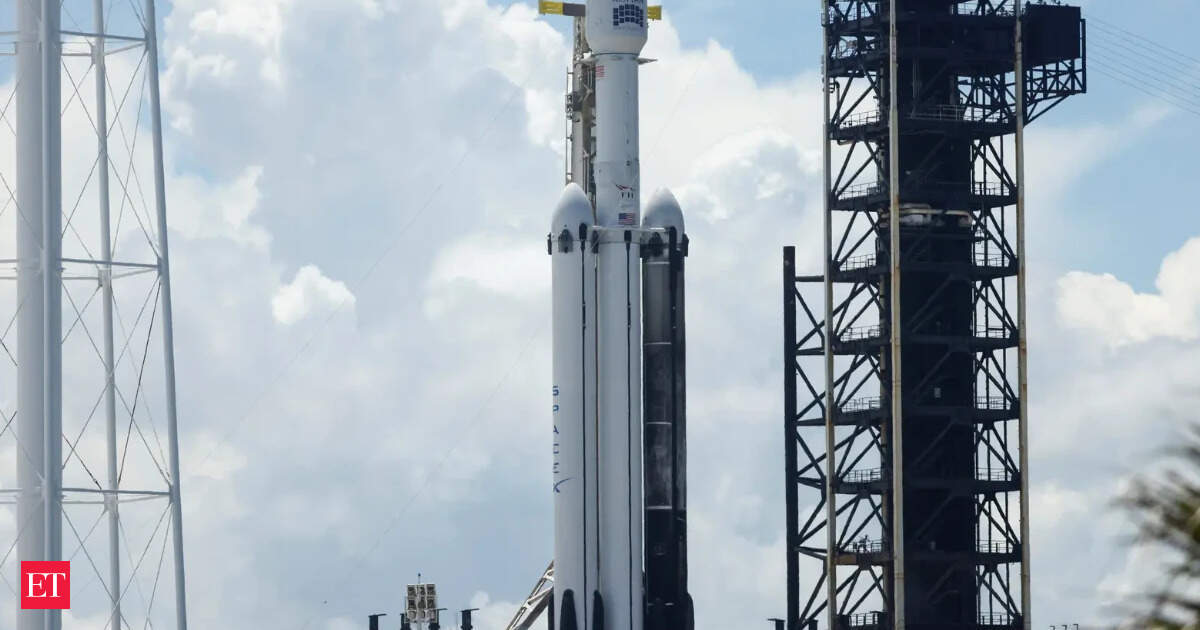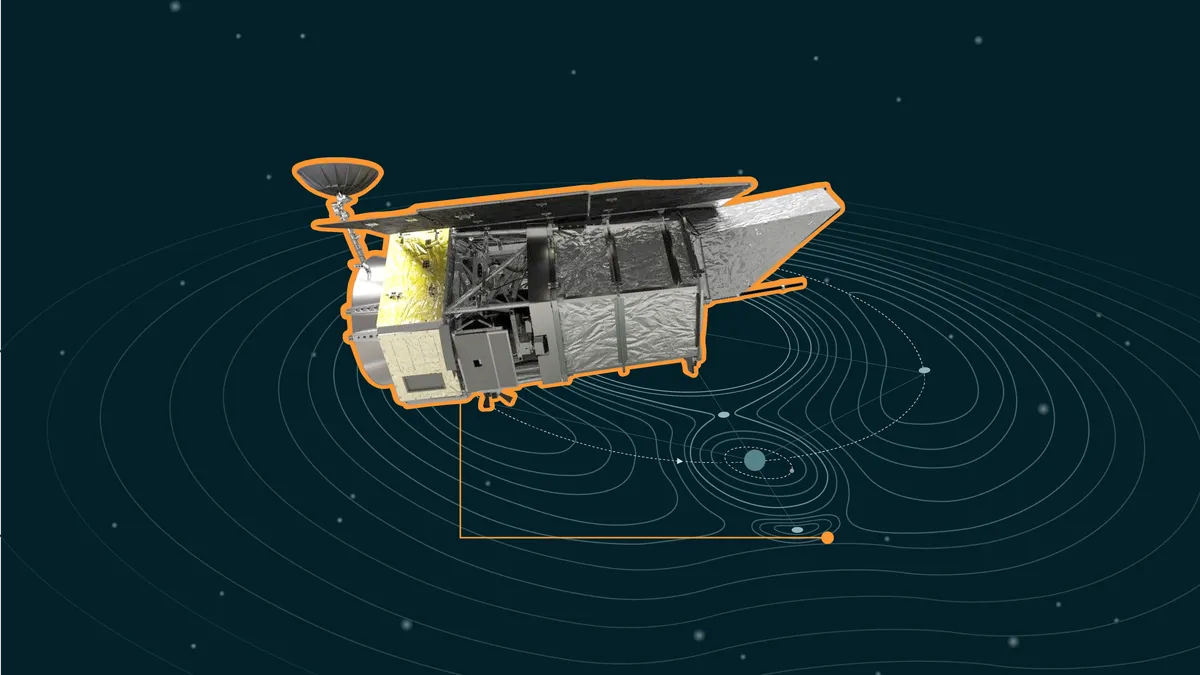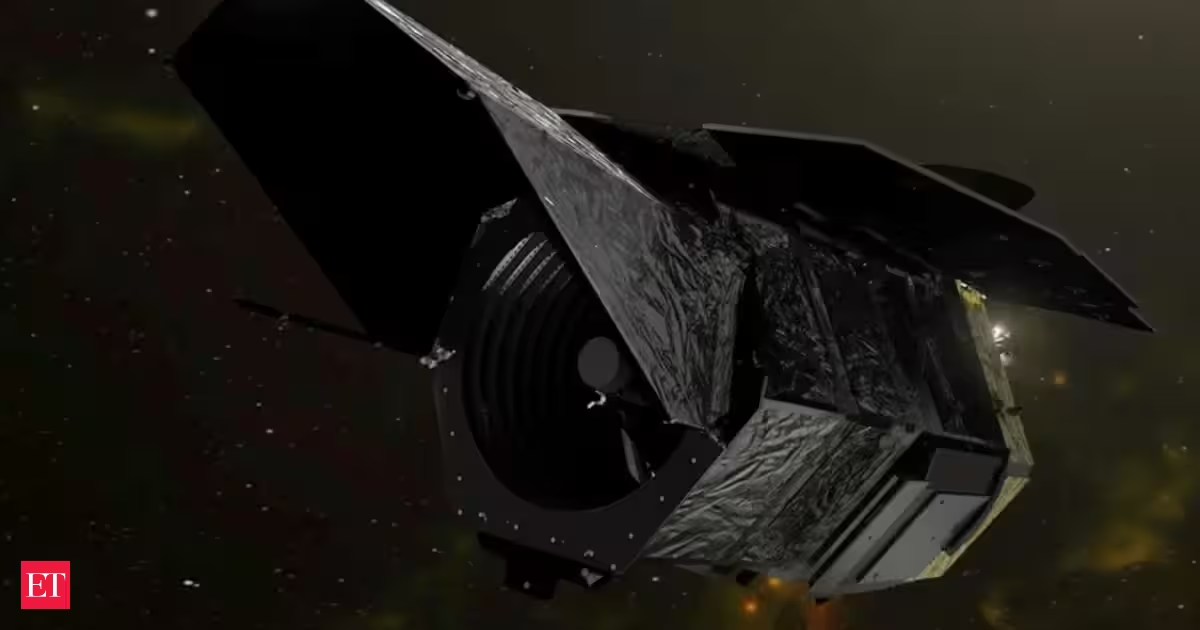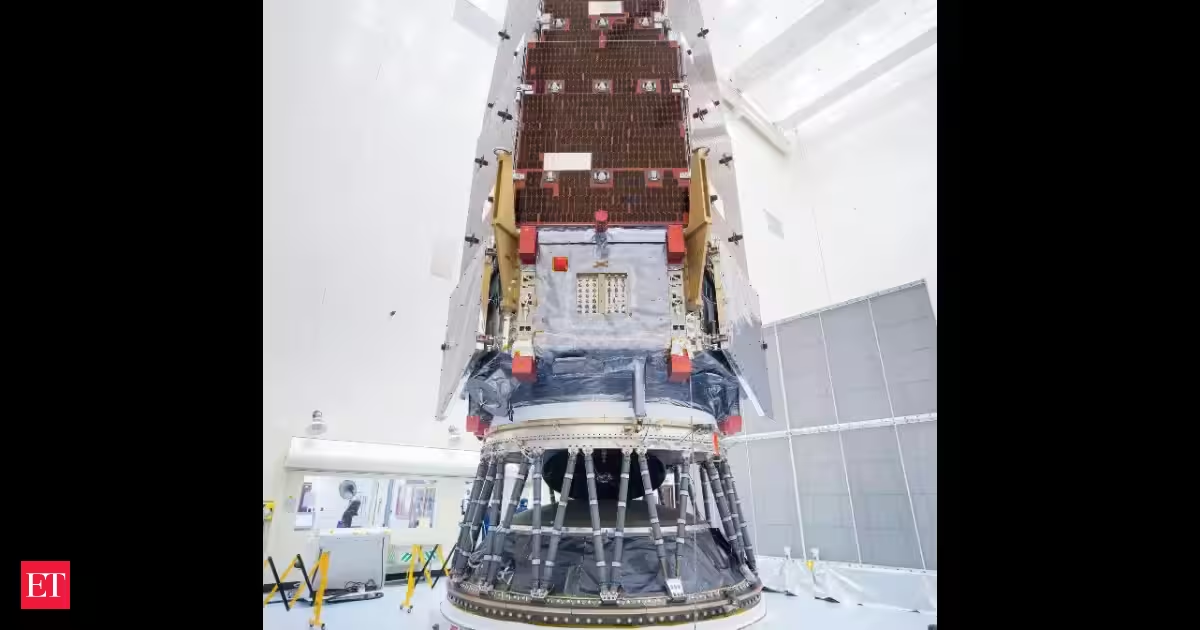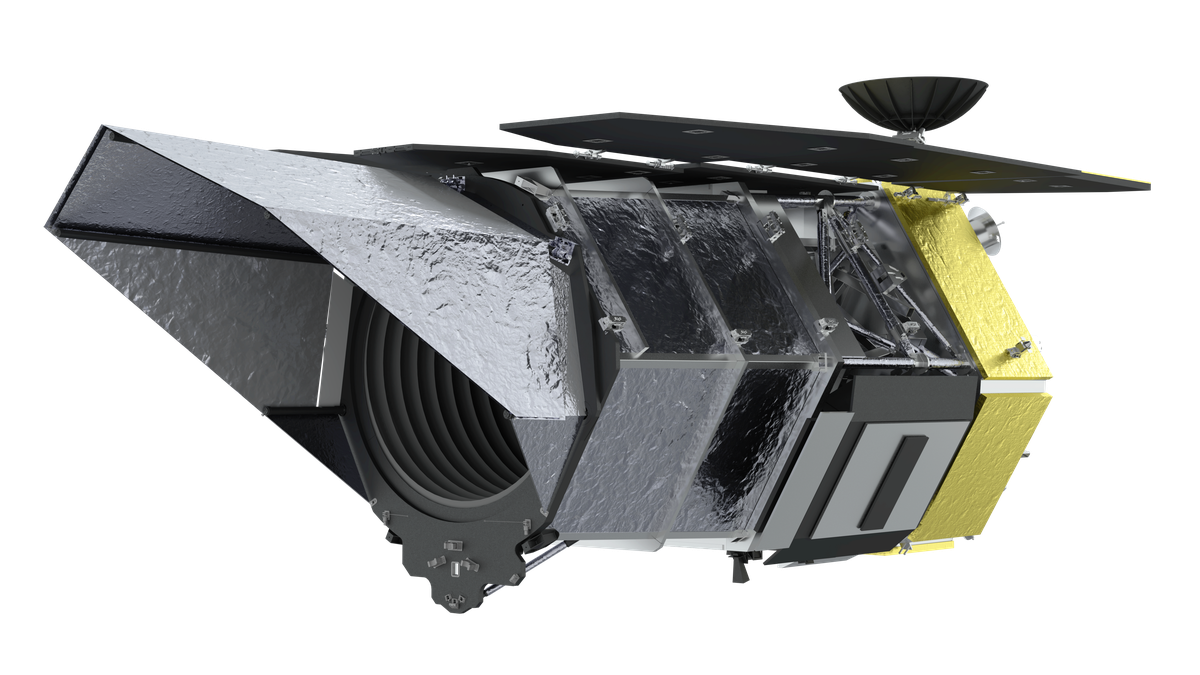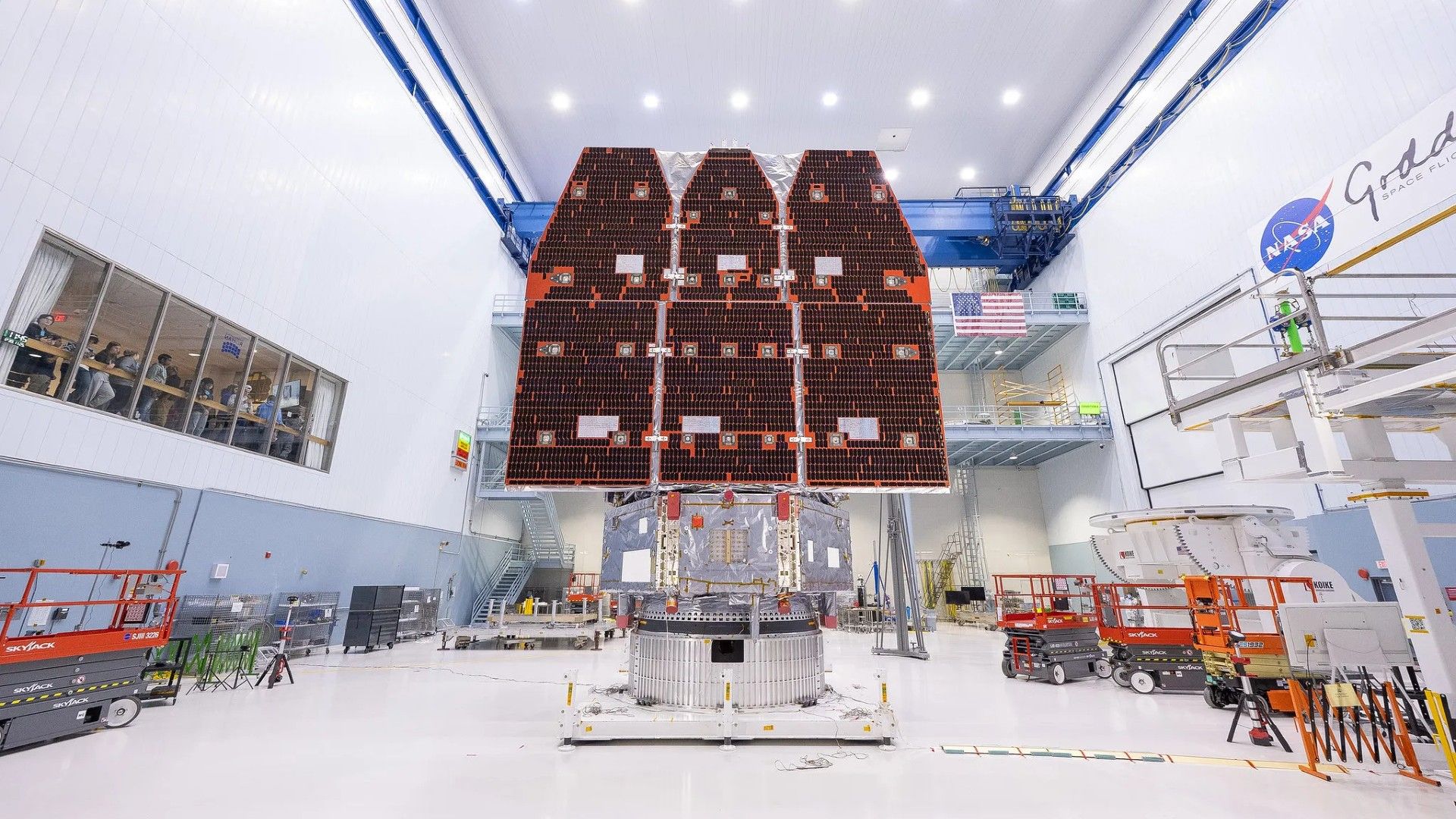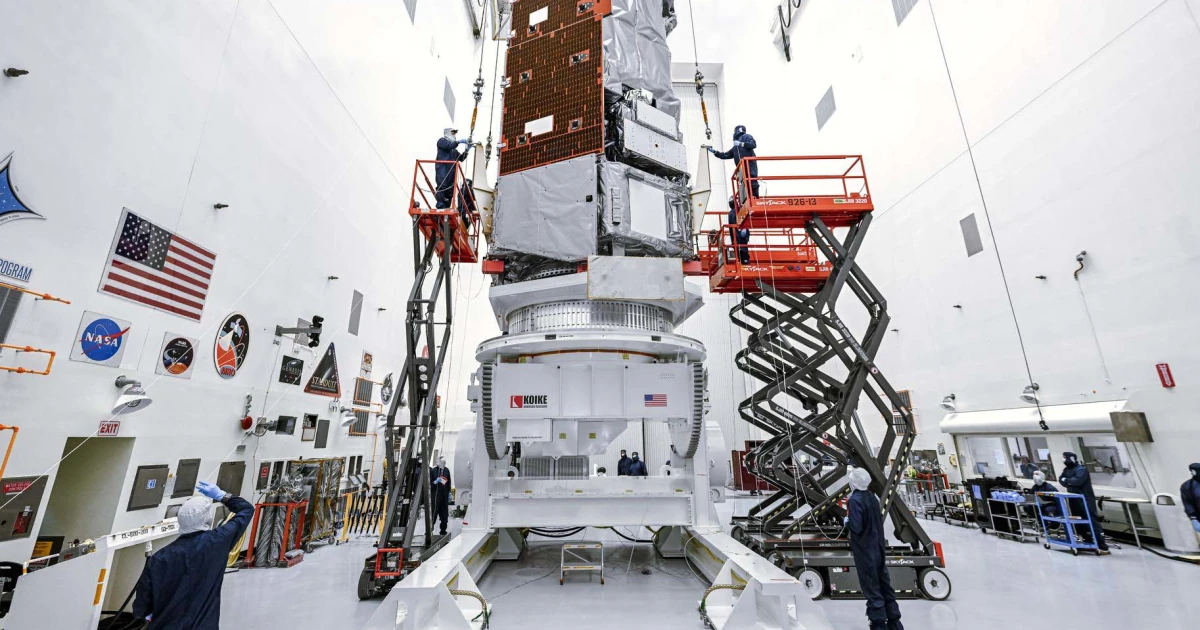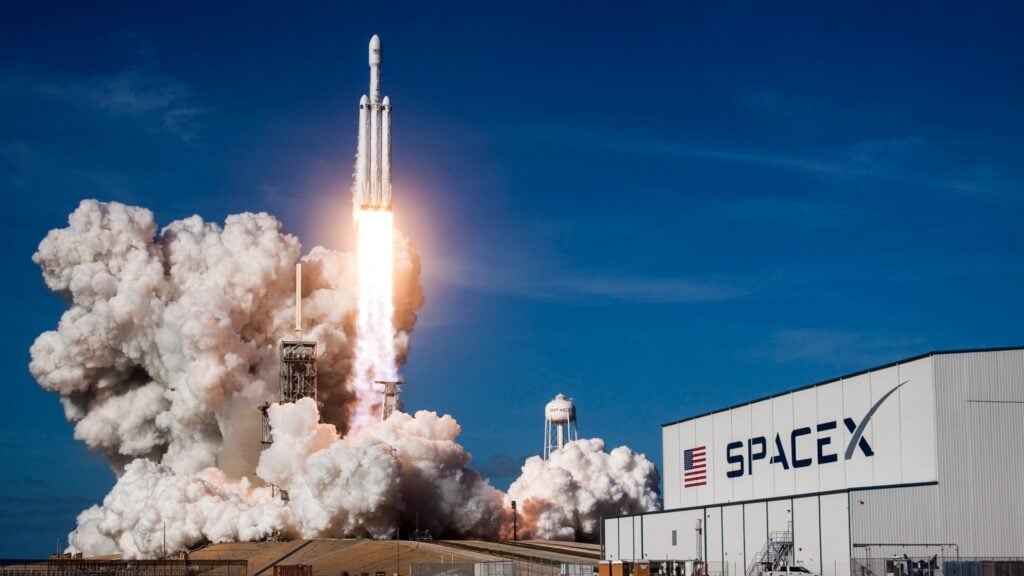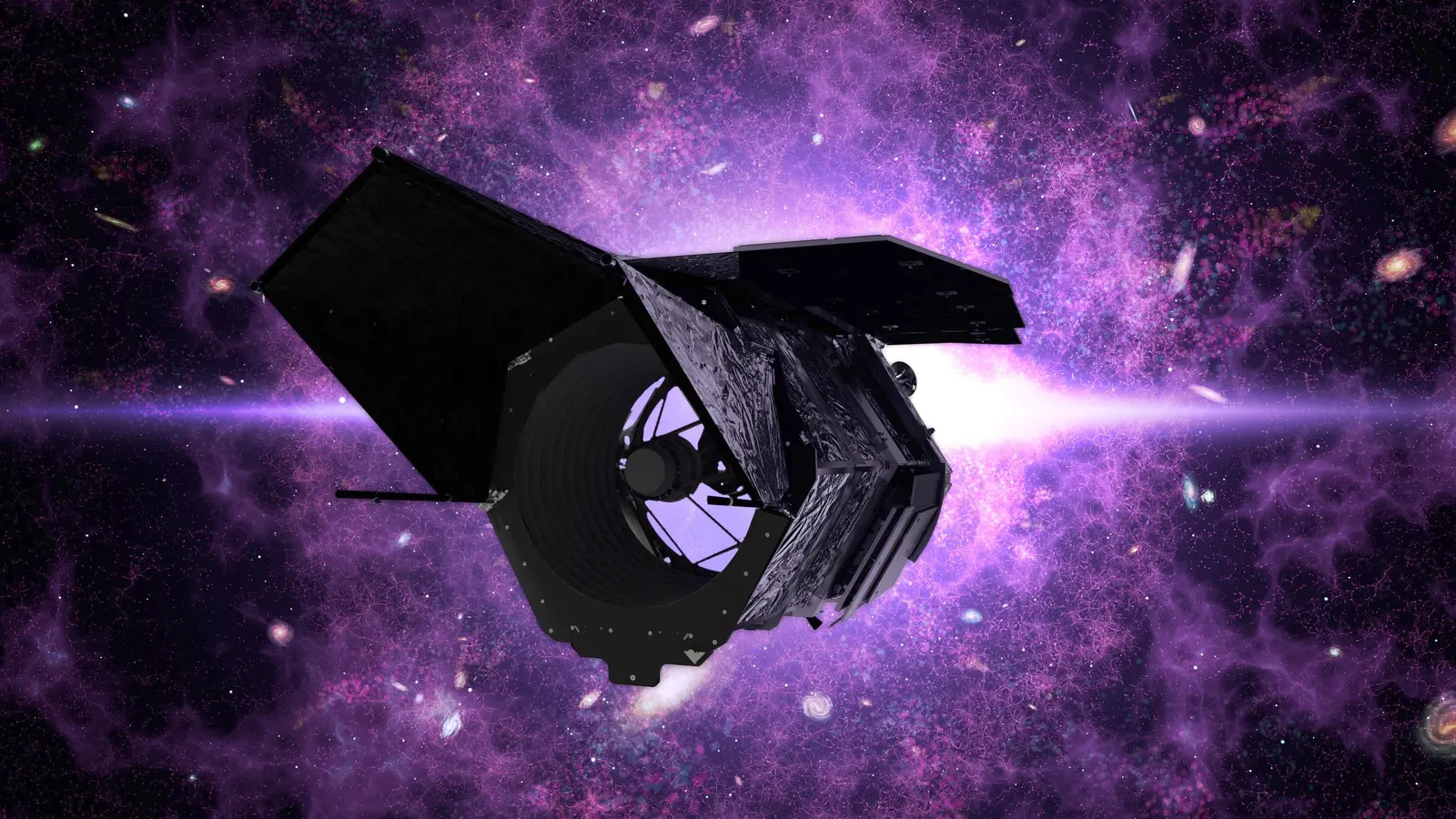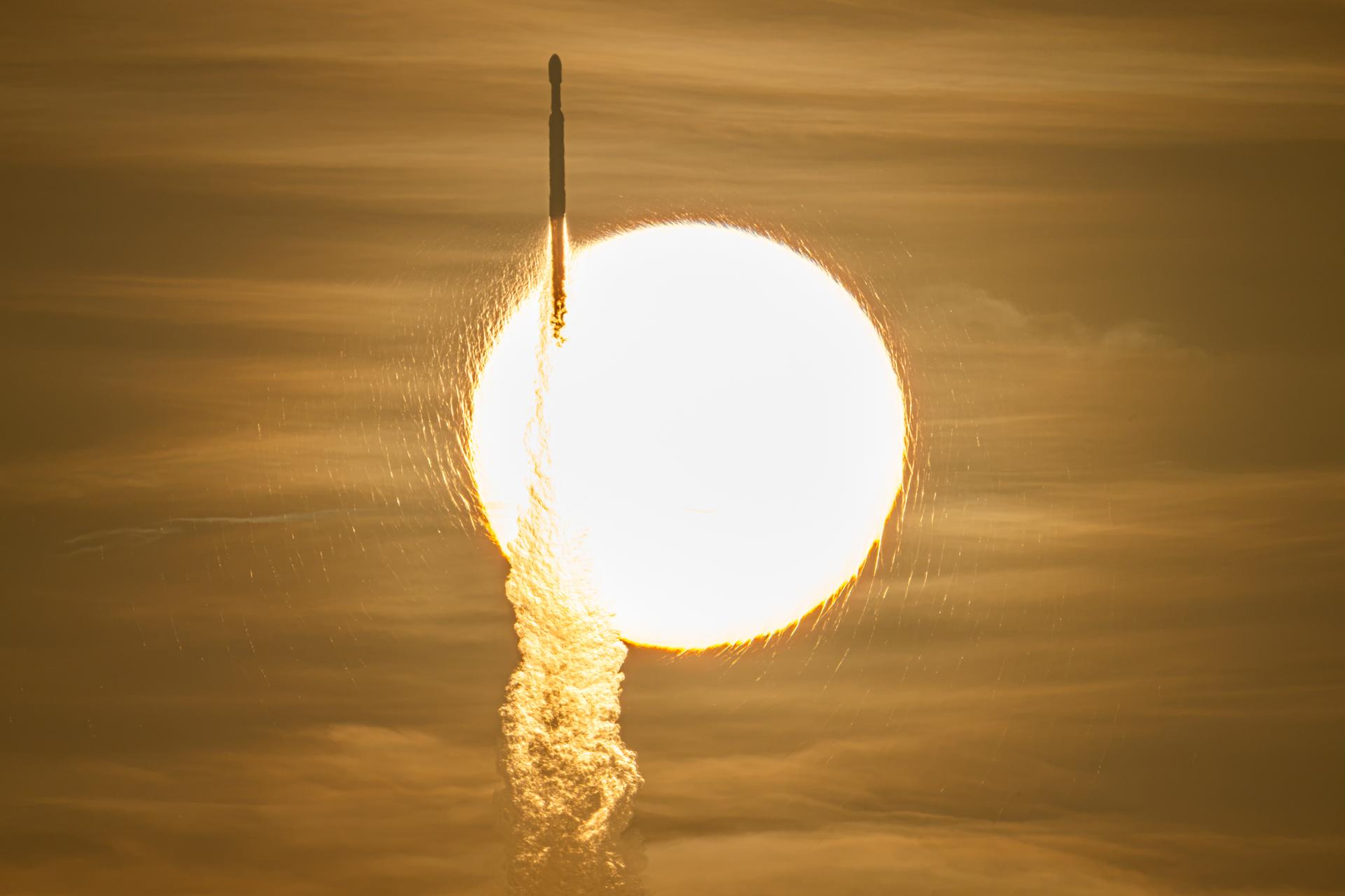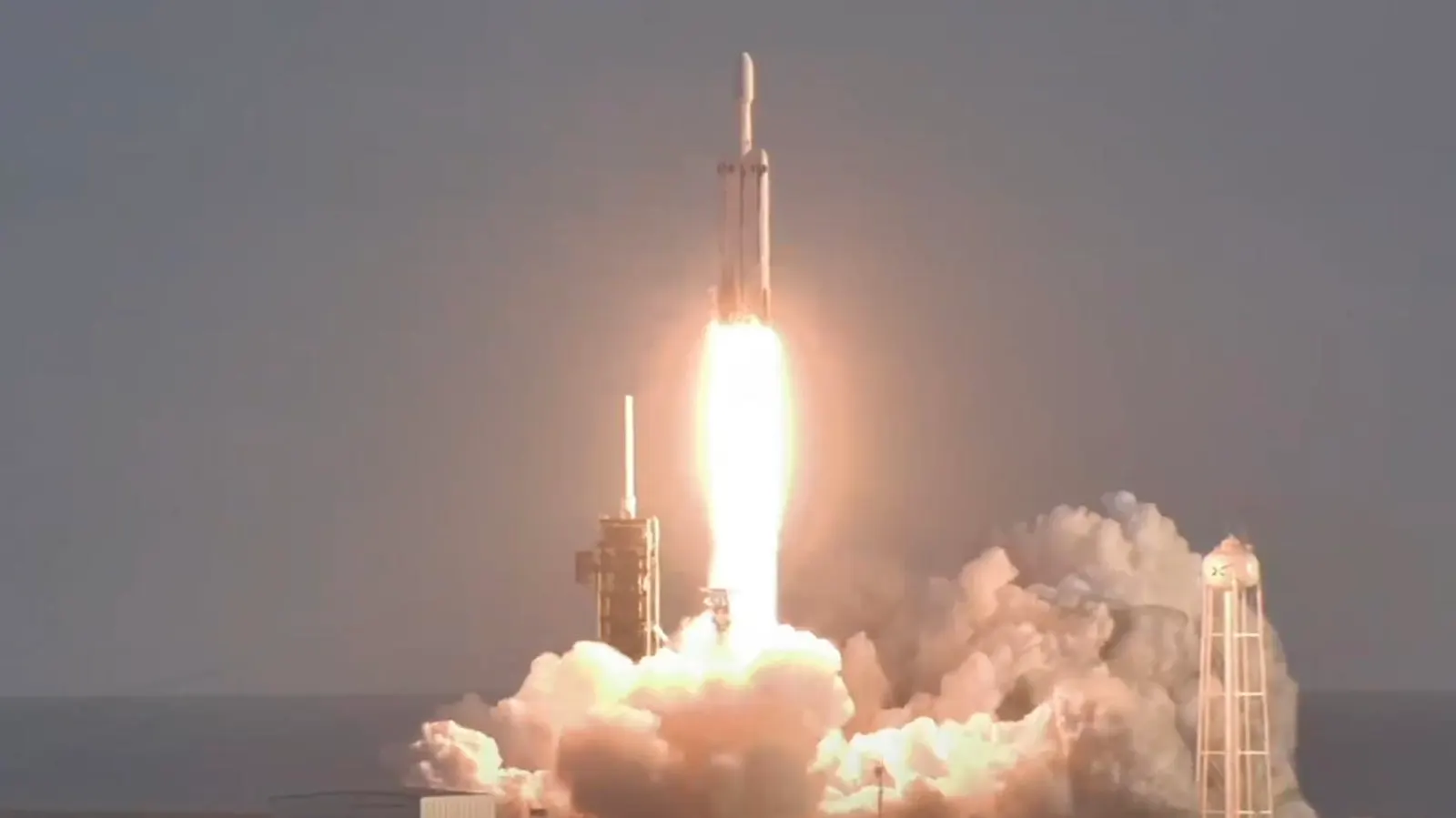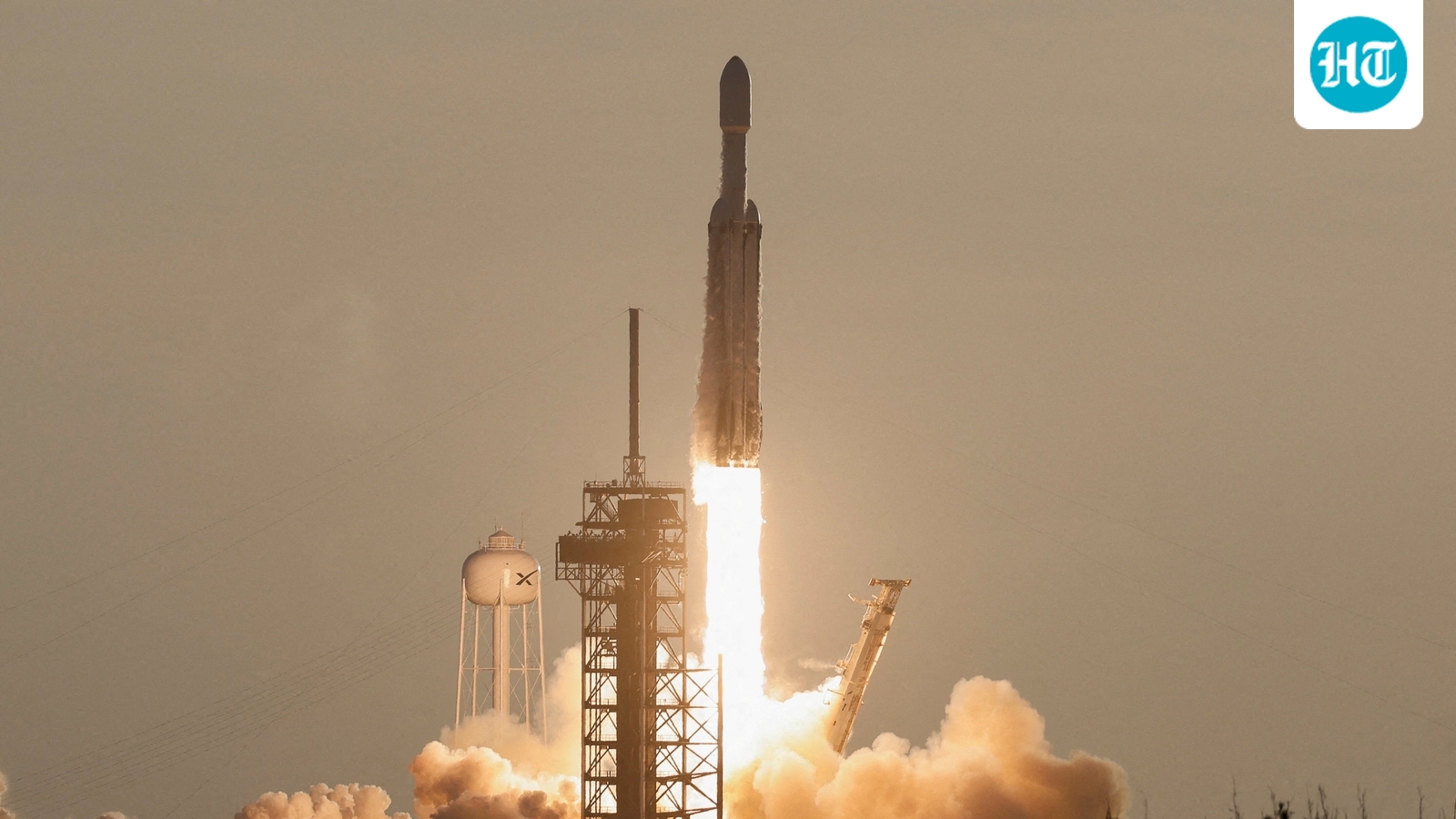
NASA is preparing to launch the Nancy Grace Roman Space Telescope, a new space observatory that is expected to help scientists study some of the biggest mysteries in the universe. The telescope will focus on dark matter, dark energy, exoplanets and the physics of distant stars, giving scientists a wider look at how the universe works.NASA's Nancy Grace Roman Space Telescope will study dark matter, dark energy and exoplanets after launching on SpaceX's Falcon Heavy rocket. (REUTERS/Joe Skipper TPX IMAGES OF THE DAY) (REUTERS)SpaceX will launch the Roman Space Telescope on a Falcon Heavy rocket from NASA’s Kennedy Space Center in Florida. The launch is scheduled for no earlier than 7:26 a.m. EDT (11:26 GMT) on Sunday, August 30, from Launch Complex 39A, NPR reported.Weather could affect Sunday's launch. The forecast gives the launch a 50% chance of favorable weather conditions, while a backup launch window on Monday at 7:22 a.m. ET has better conditions, with only a 30% risk of weather interfering.A telescope named after the ‘Mother of Hubble’The telescope is named after Nancy Grace Roman, NASA’s first chief astronomer and a major figure in the development of the Hubble Space Telescope. Roman was known as the “Mother of Hubble” because she strongly supported the development of the Hubble Space Telescope.The Nancy Grace Roman Space Telescope is about the size of a tour bus, making it a huge observatory designed to carry out a wide range of space research. Roman will have a level of sharpness similar to Hubble but will be able to see a much larger part of the sky at once. Its field of view will be at least 100 times larger than Hubble’s, allowing scientists to survey huge areas of the universe in a much shorter time, according to NPR.Also read: US debt hits $40 trillion: Why high inflation could cause a ‘lost decade’ for stocksRoman’s journey to its new homeAfter launch, Roman will travel to a location about one million miles from Earth. The telescope will operate around the second Sun-Earth Lagrange point, known as L2. At L2, the gravitational forces of the Sun and Earth work together to help the spacecraft maintain a stable orbit while using relatively little fuel.The James Webb Space Telescope also operates around L2, giving it a relatively unobstructed view of the universe, according to NPR. Roman’s journey to L2 will take more than three months. During this period, NASA will check the spacecraft and prepare its instruments before it begins its main science mission.NASA integration and test scientist Jeremy Perkins said the team will spend this time carrying out calibrations and checking that the telescope’s focus and pointing are working correctly. Perkins compared this period to “kicking the tires” of the telescope — essentially making sure everything works properly before the spacecraft begins its major observations.Roman will search for dark matterOne of Roman’s main missions will be to help scientists understand dark matter, an invisible substance that cannot be seen directly. Scientists believe dark matter is important because its gravity helps keep galaxies together and shapes the universe.Roman will study how dark matter’s gravity slightly bends or changes the path of light travelling through space. By studying these small changes in light, scientists can make maps showing where normal matter and dark matter are found across large parts of the universe. This could help scientists better understand what dark matter is and how it affects the universe.The telescope will study dark energyRoman will also investigate dark energy, one of the biggest unanswered questions in modern astronomy. Dark energy is the mysterious force scientists believe is responsible for driving the expansion of the universe. Scientists currently study dark energy partly by observing Type Ia supernovas, a special type of exploding star.These supernovas are useful because they appear to have a known and predictable brightness, which allows astronomers to compare their distance and brightness across the universe. Because of this, Type Ia supernovas are often called “standard candles.”Roman will catalogue a much larger number of these exploding stars. Scientists hope this huge collection of observations will help them understand how dark energy behaves. A better understanding of dark energy could potentially change how scientists understand the history, structure and future of the universe, according to NPR.Roman could find thousands of new worldsAnother major goal of the Roman Space Telescope is to search for exoplanets, which are planets located outside our solar system. Astronomers confirmed the existence of exoplanets in the 1990s, and more than 6,000 exoplanets have since been identified. NASA expects Roman to dramatically increase that number.Also read: Intel stock falls 2.85%: 14A chip progress improves outlook, but foundry losses remain a big concernThe telescope could find more than 100,000 exoplanets by looking for tiny drops in a star’s brightness. These drops happen when a planet moves in front of its star and blocks some of its light. Roman will also use a method called microlensing to find planets.This method looks for tiny changes in the light from distant stars caused by the gravity of a planet. NASA expects Roman to find about 1,000 planets through microlensing, according to NPR. This method could help scientists find planets that are difficult to detect with other planet-hunting methods.Roman could even photograph some planetsRoman will also demonstrate technology designed to block the bright light coming from a star. Blocking the star’s light could allow the telescope to directly capture an image of a planet orbiting that star. This technology could give astronomers another way to study planets beyond our solar system and learn more about worlds that are otherwise hidden by the brightness of their stars.Roman will send huge amounts of data to EarthThe telescope is expected to generate an enormous amount of scientific information once it begins its mission. Roman will send back around 1.4 terabytes of raw science data every day. It will use a refrigerator-sized high-gain antenna to send the data back to Earth. The data will not be kept only for NASA scientists. Scientists and members of the public will be able to access the data, according to NPR.NASA is creating a cloud-based system called Roman Nexus to handle the telescope’s massive amount of information. The scale of the data is expected to be enormous. By the end of Roman’s planned five-year prime mission, its database could be larger than a typical music-streaming platform’s database, NASA scientist Jeremy Perkins told NPR.Making the data publicly available could allow researchers around the world — and even members of the public — to study Roman’s observations and potentially find something NASA scientists were not specifically looking for. Perkins said some of the most exciting discoveries could come from unexpected observations, including rare events that scientists may see only once in a million cases.The biggest promise of the Nancy Grace Roman Space Telescope is therefore not just answering existing questions, but potentially discovering things scientists do not yet know to look for.
Nancy Grace Roman Space Telescope: What to know about NASA’s new space observatory
NASA's Nancy Grace Roman Space Telescope will study dark matter, dark energy and exoplanets after launching on SpaceX's Falcon Heavy rocket.
1,150 words~5 min read