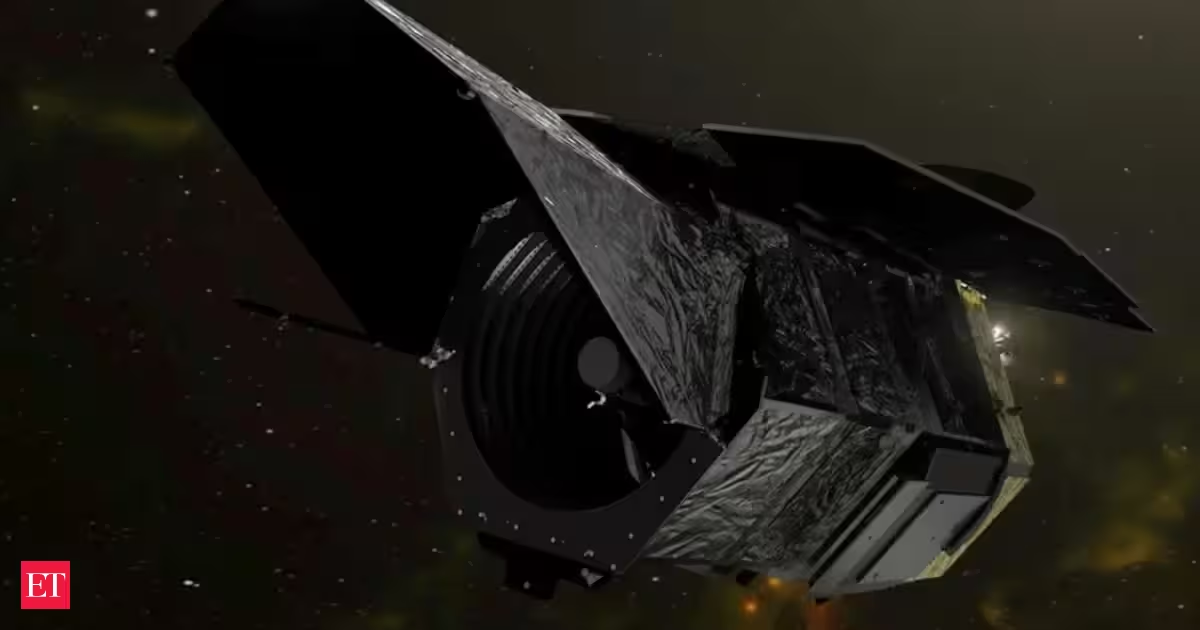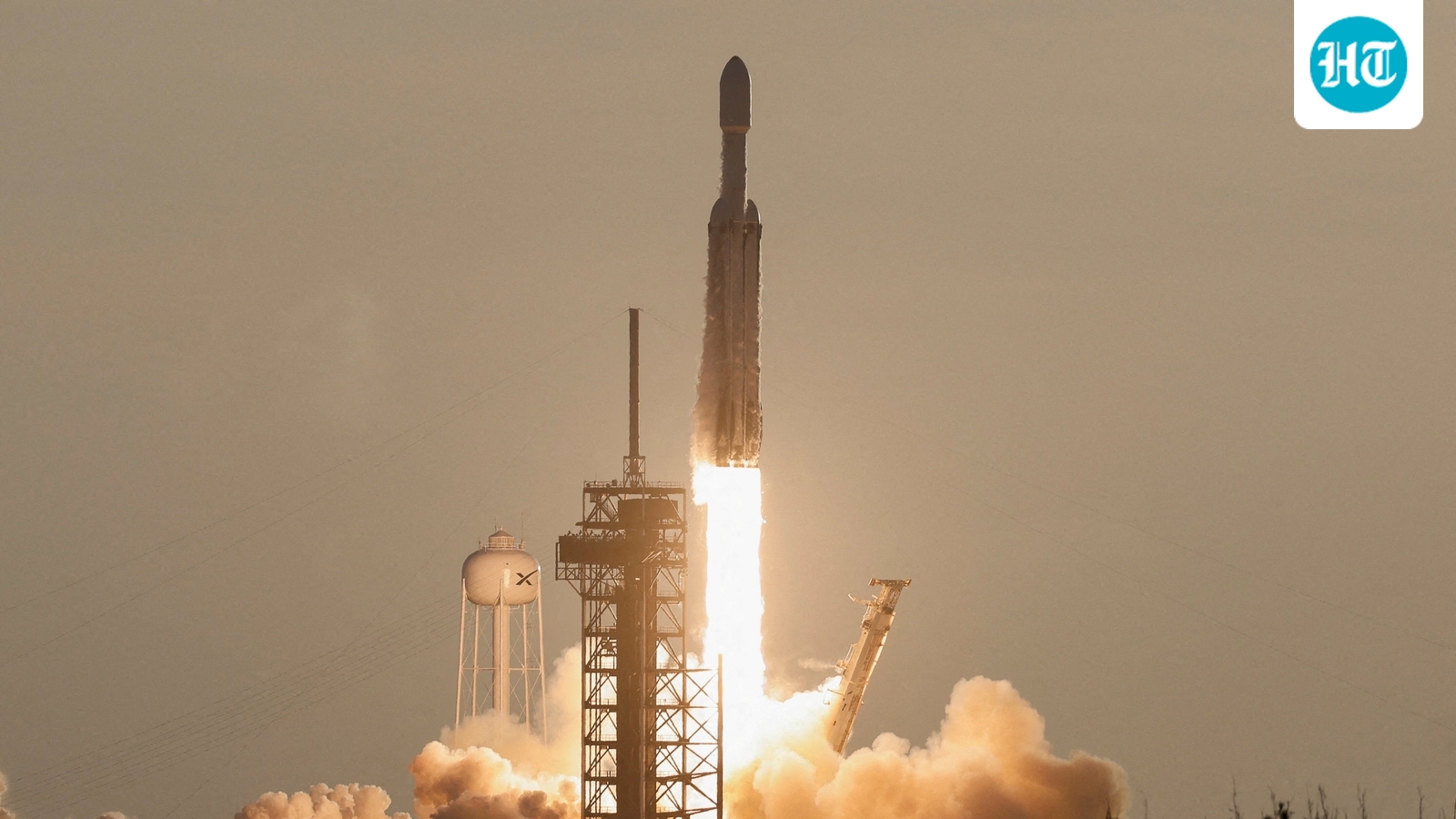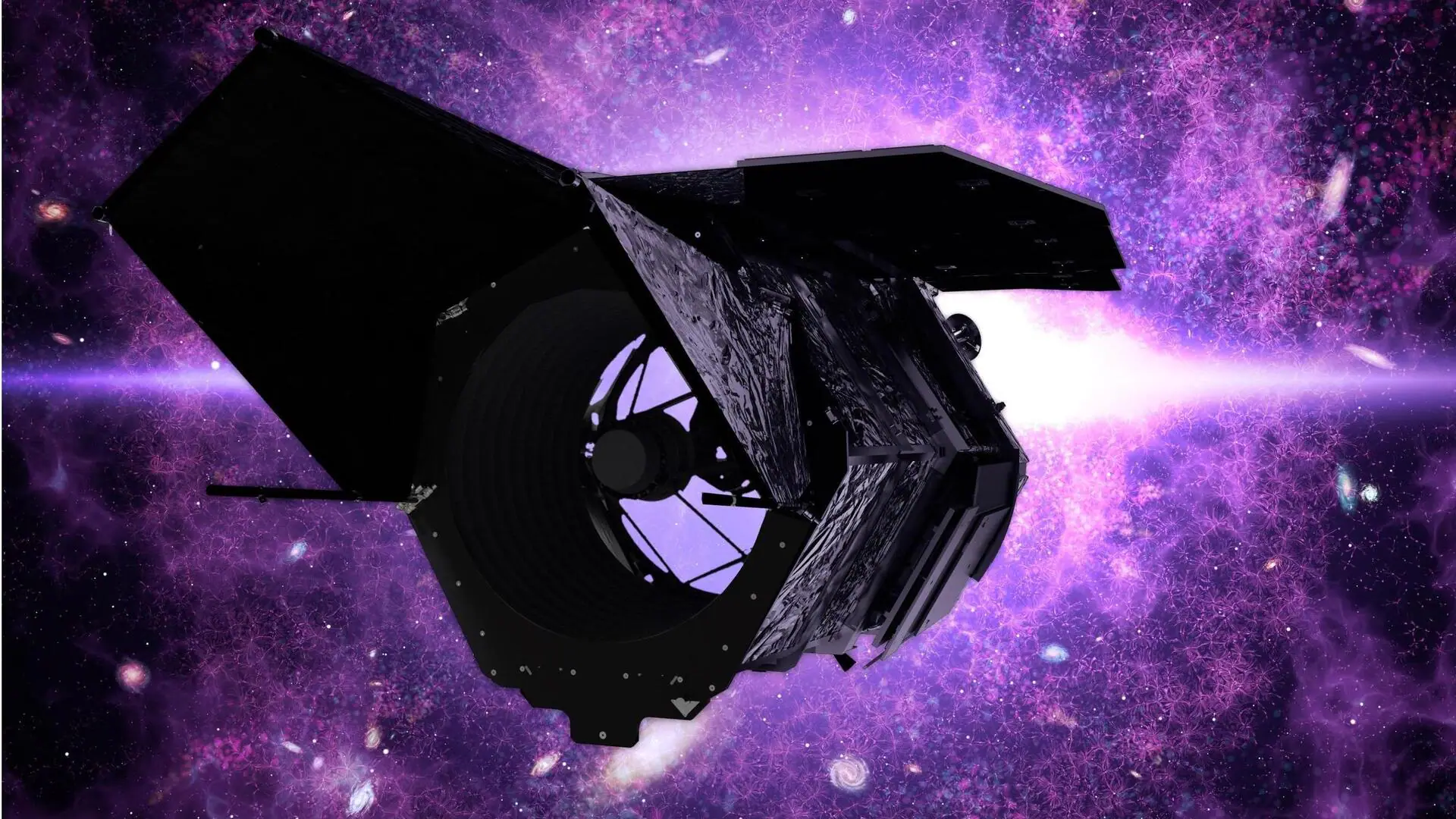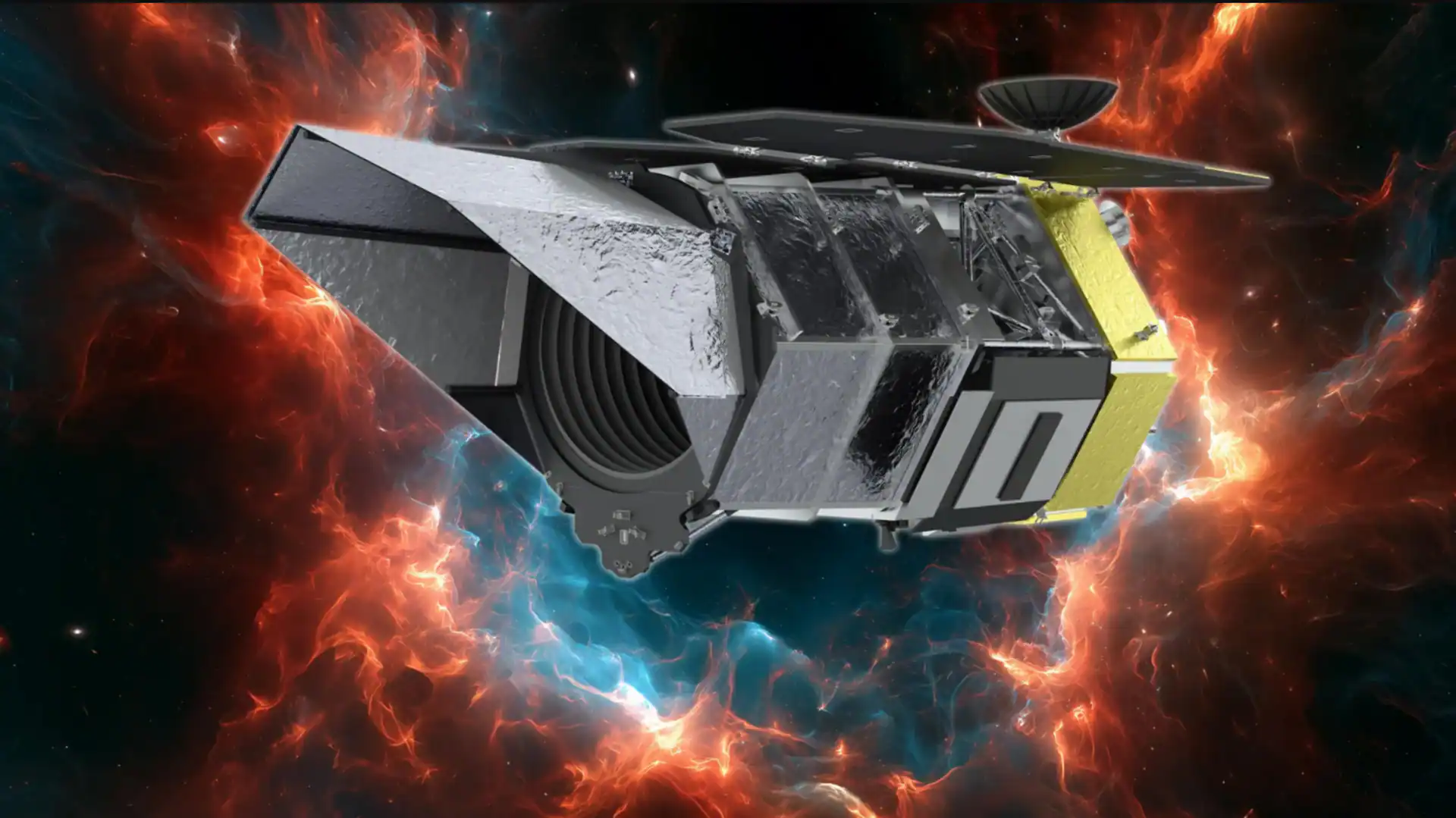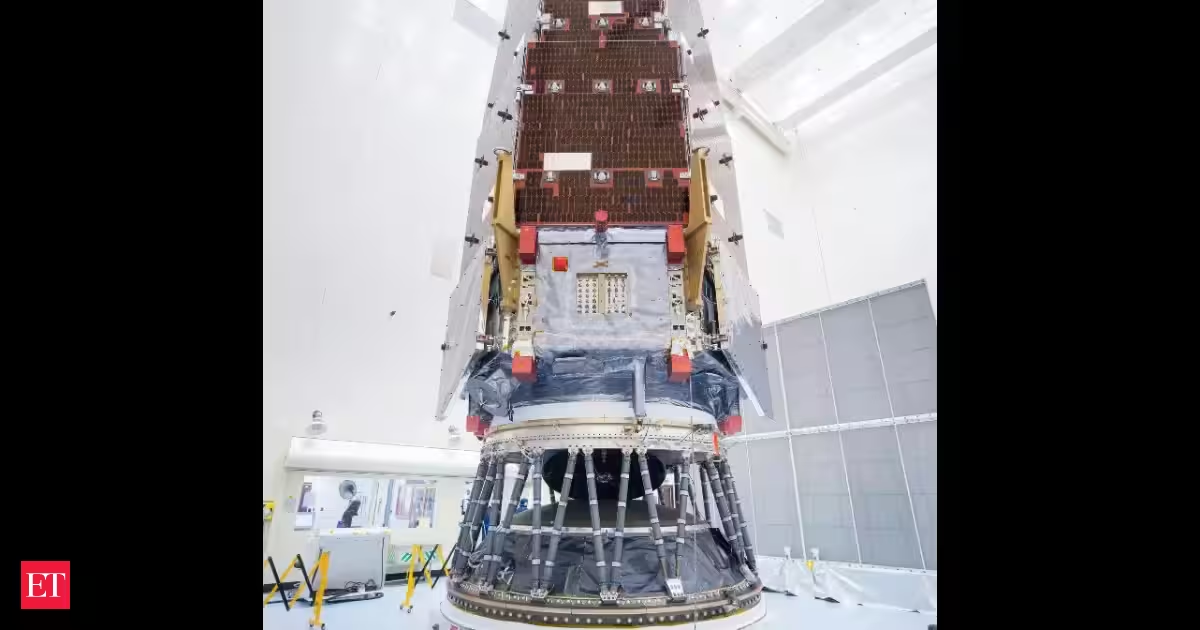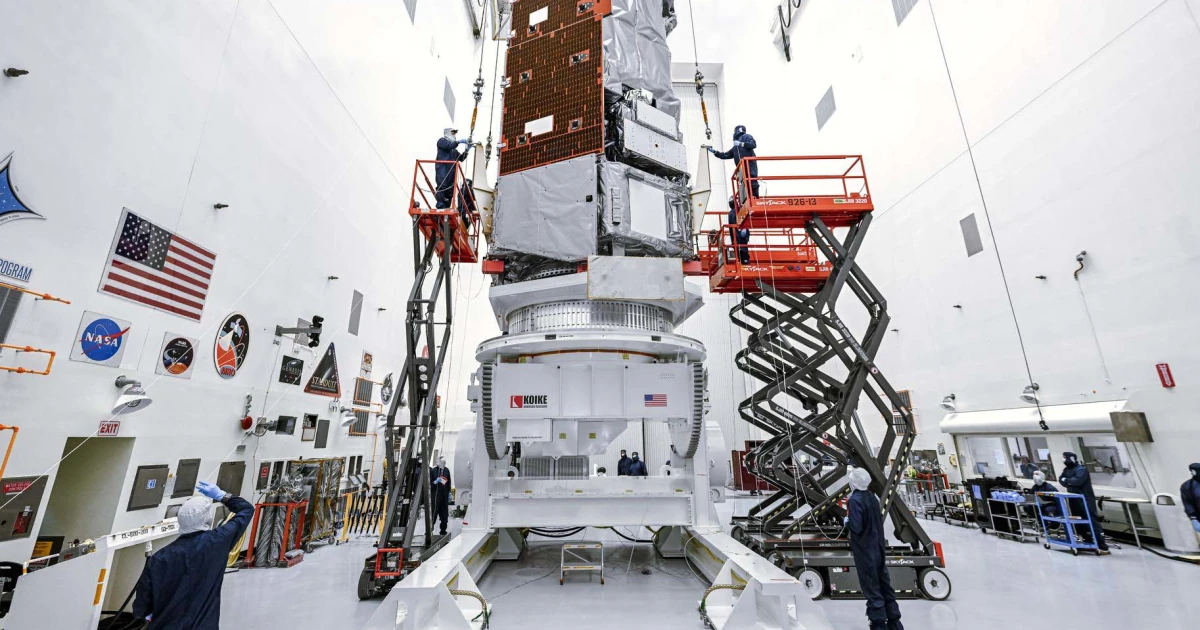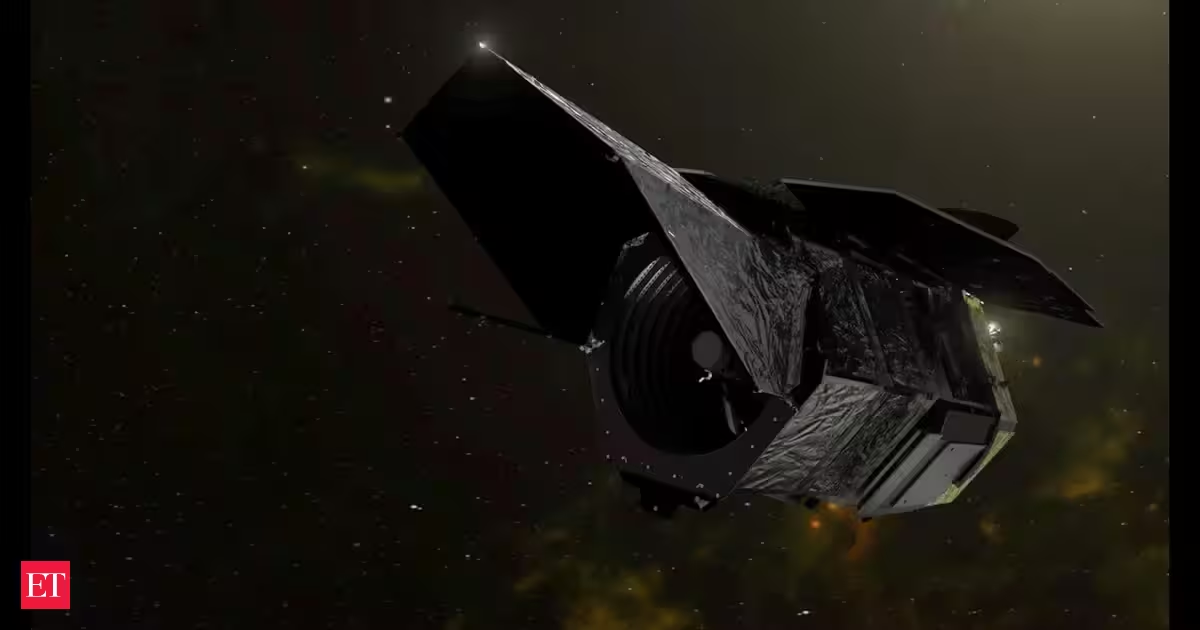
NASA launched the Nancy Grace Roman Space Telescope on Sunday from Florida, sending a new $4 billion observatory toward deep-space operations aimed at tackling dark energy, dark matter, and exoplanets. The mission matters because Roman is built to scan huge swaths of sky quickly, giving scientists a wide-field complement to existing space telescopes.
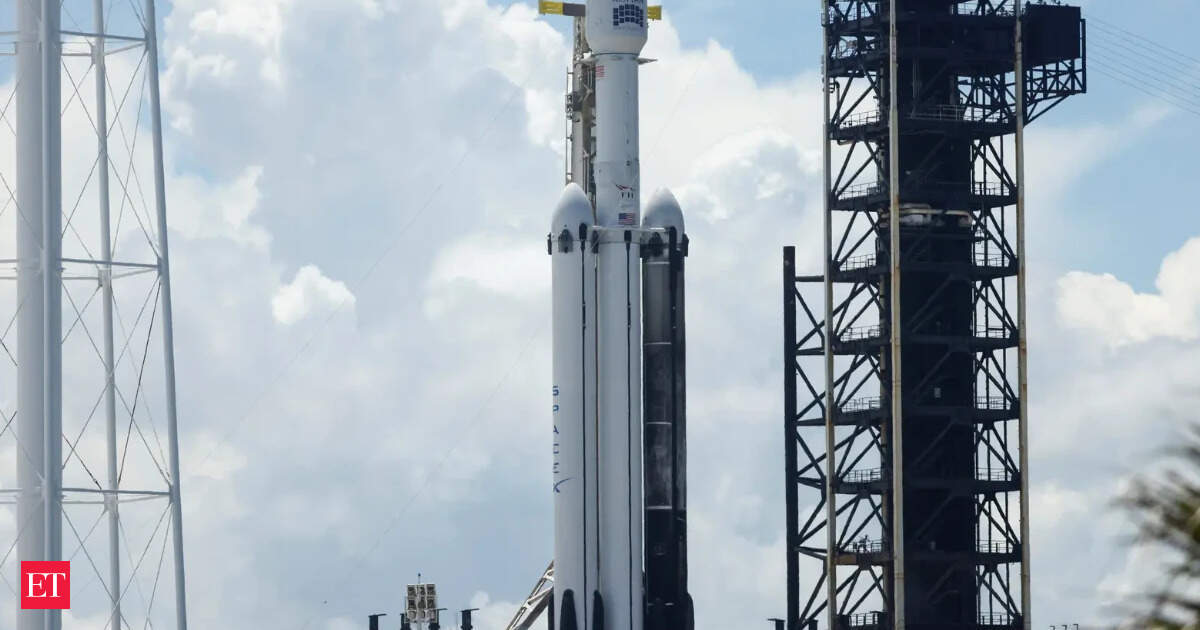
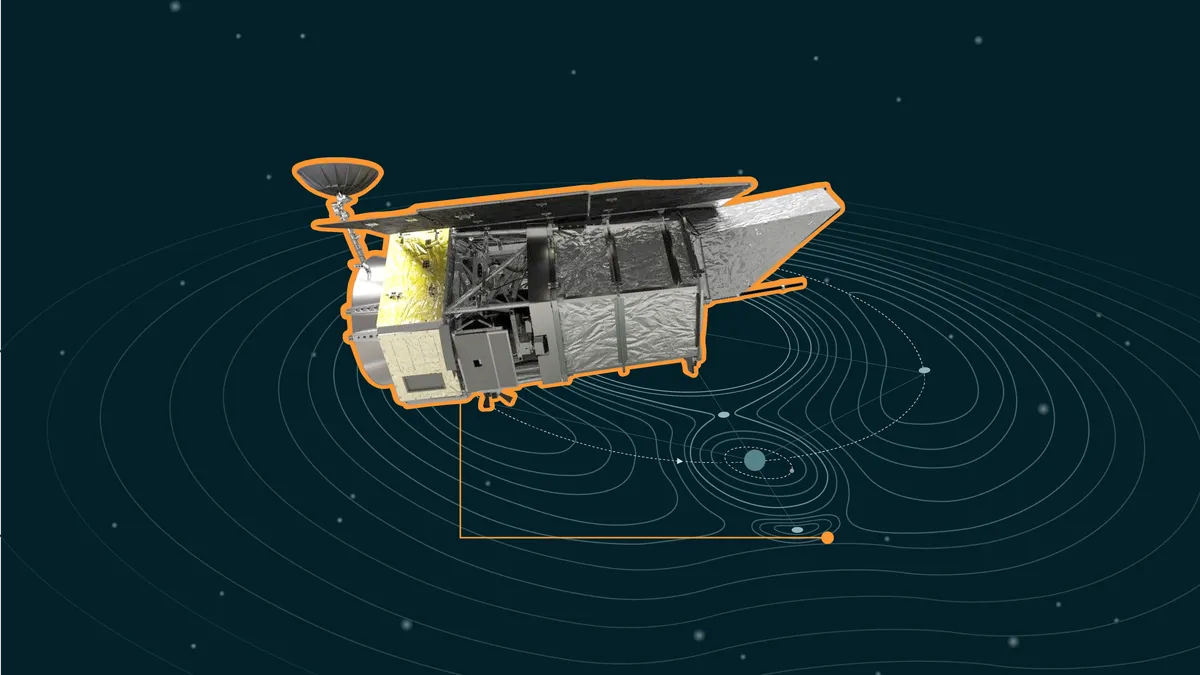
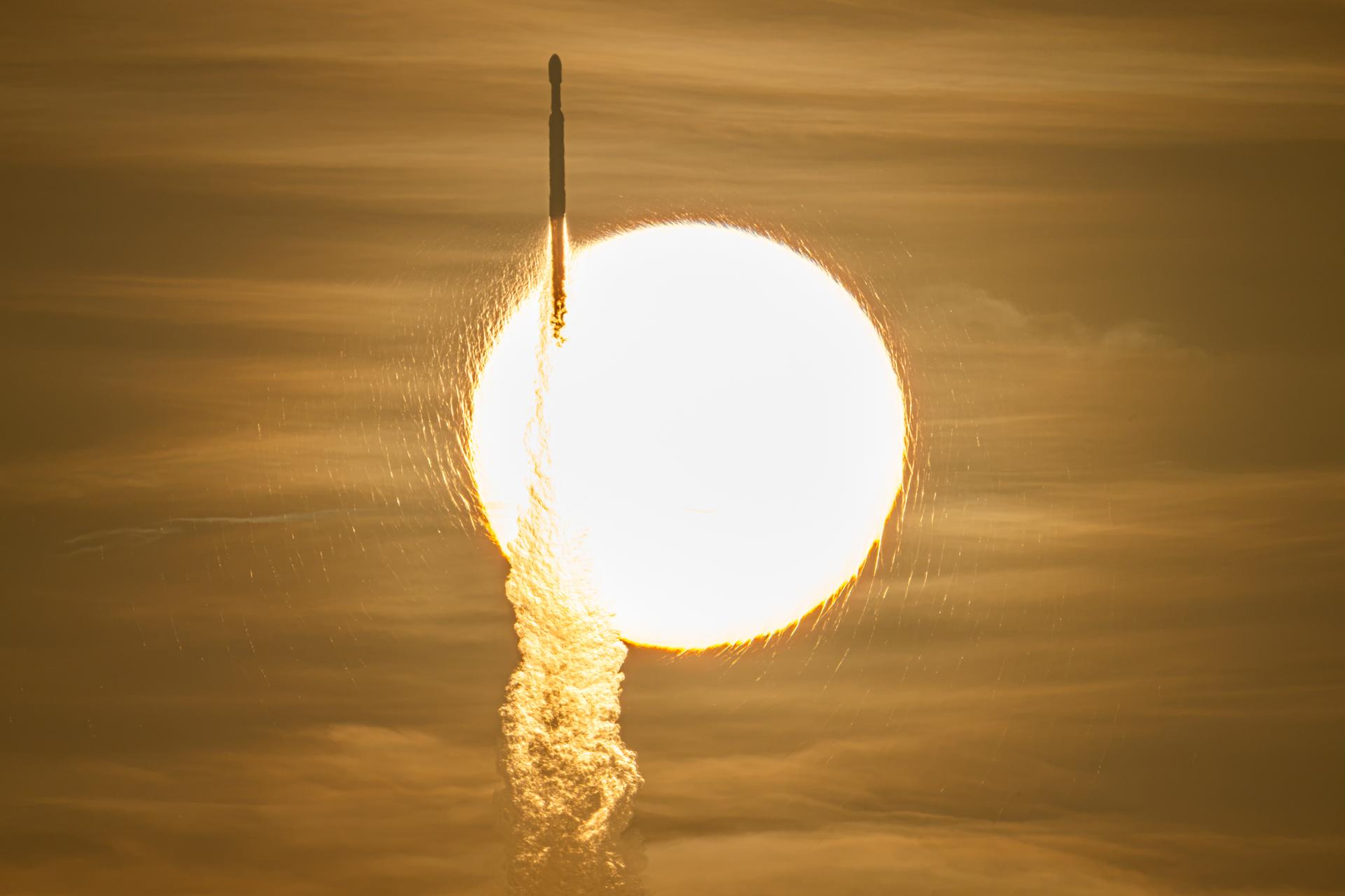
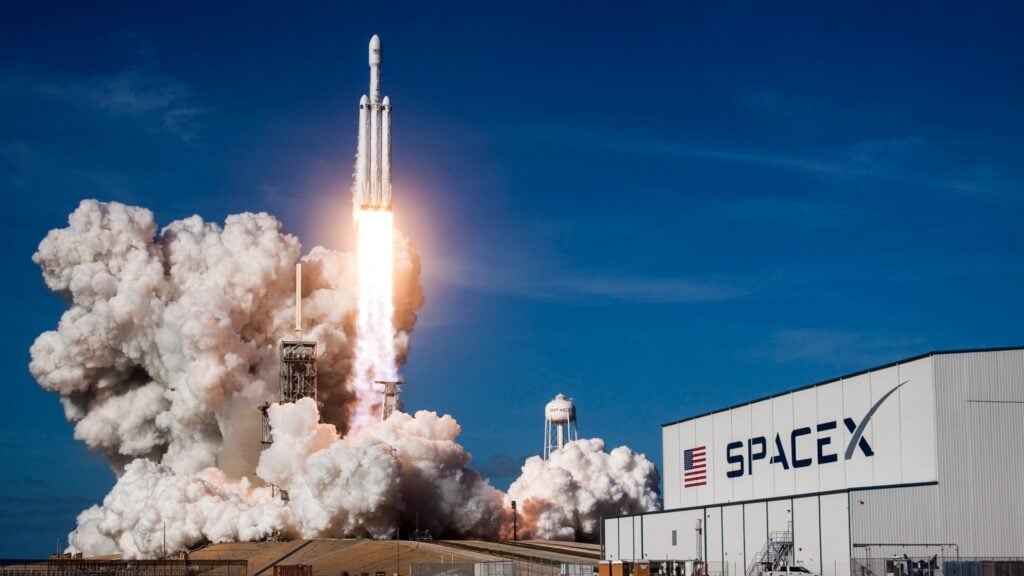
A Space Exploration Technologies Corp. (NASDAQ:SPCX) Falcon Heavy lifted off from NASA’s Kennedy Space Center after pre-launch weather worries gave way to clearer conditions. Roman is headed to Lagrange Point 2, roughly 1 million miles from Earth, where it is slated to operate for five years and could potentially keep going longer if fuel allows.
NASA officials described Roman as a major step up in survey speed versus older instruments, while maintaining image quality comparable to the Hubble Space Telescope.
At a July briefing, Roman senior project scientist Julie McEnery said the telescope can map the Milky Way in a month, adding, “One month of observations to survey our Milky Way galaxy would take about a century with Hubble," according to the report.
Nancy Grace Roman: Revolutionizing Space Observation