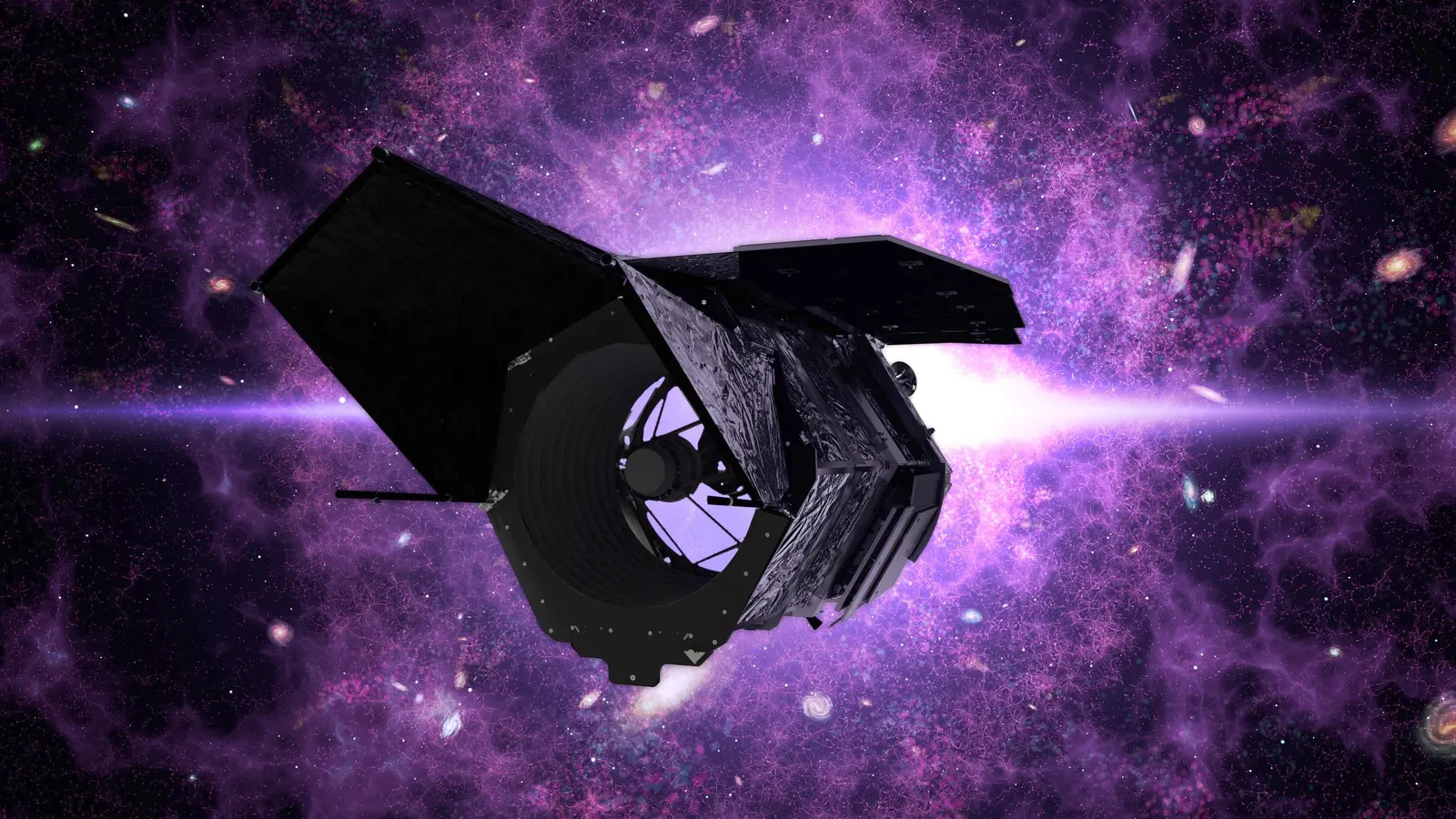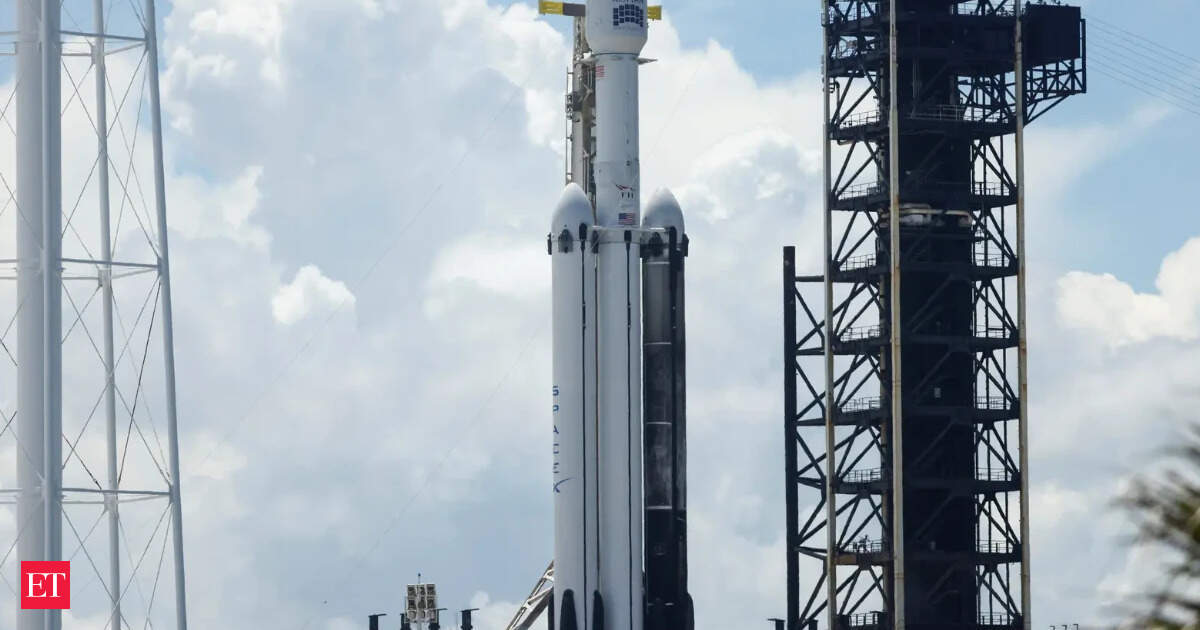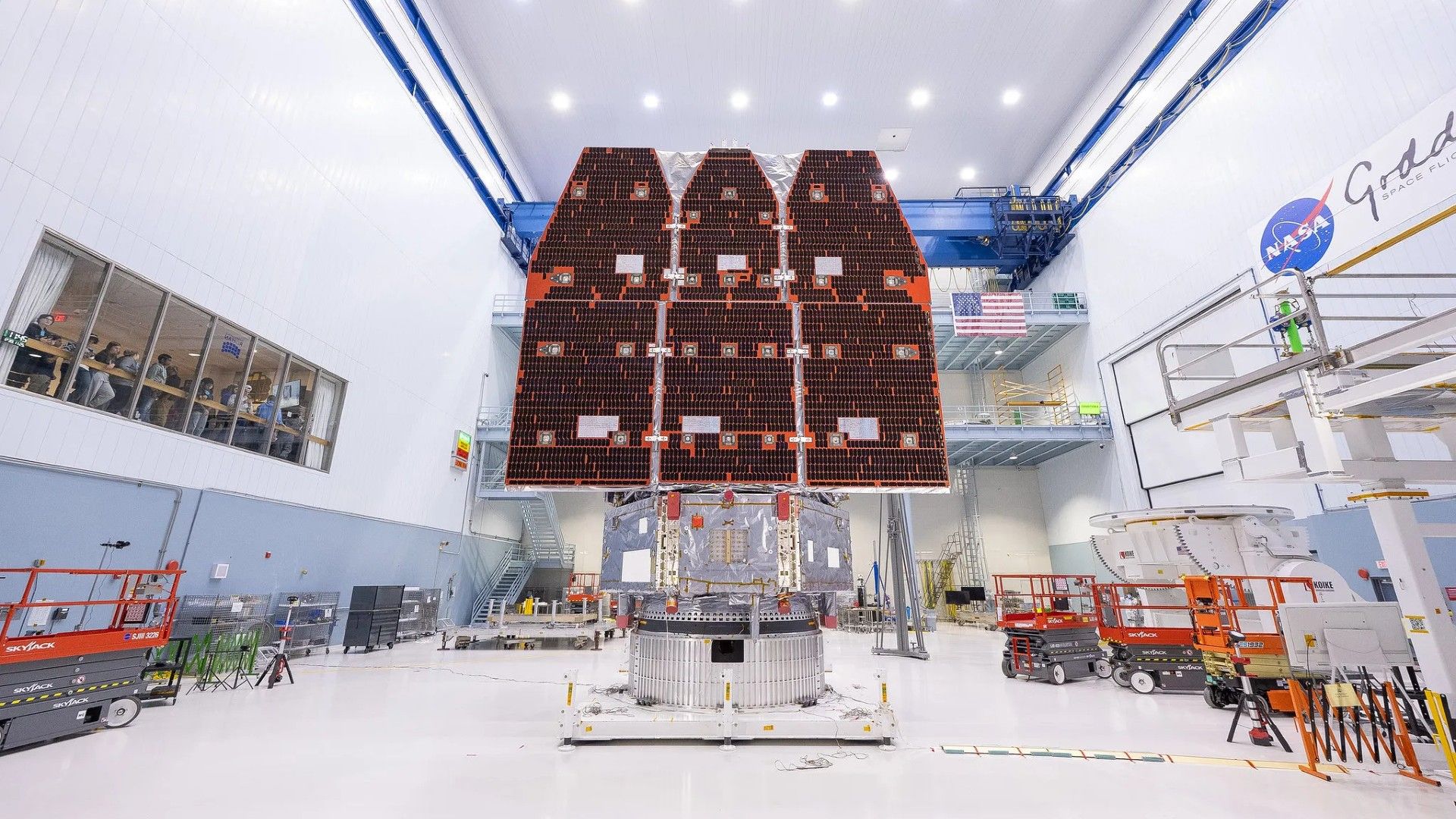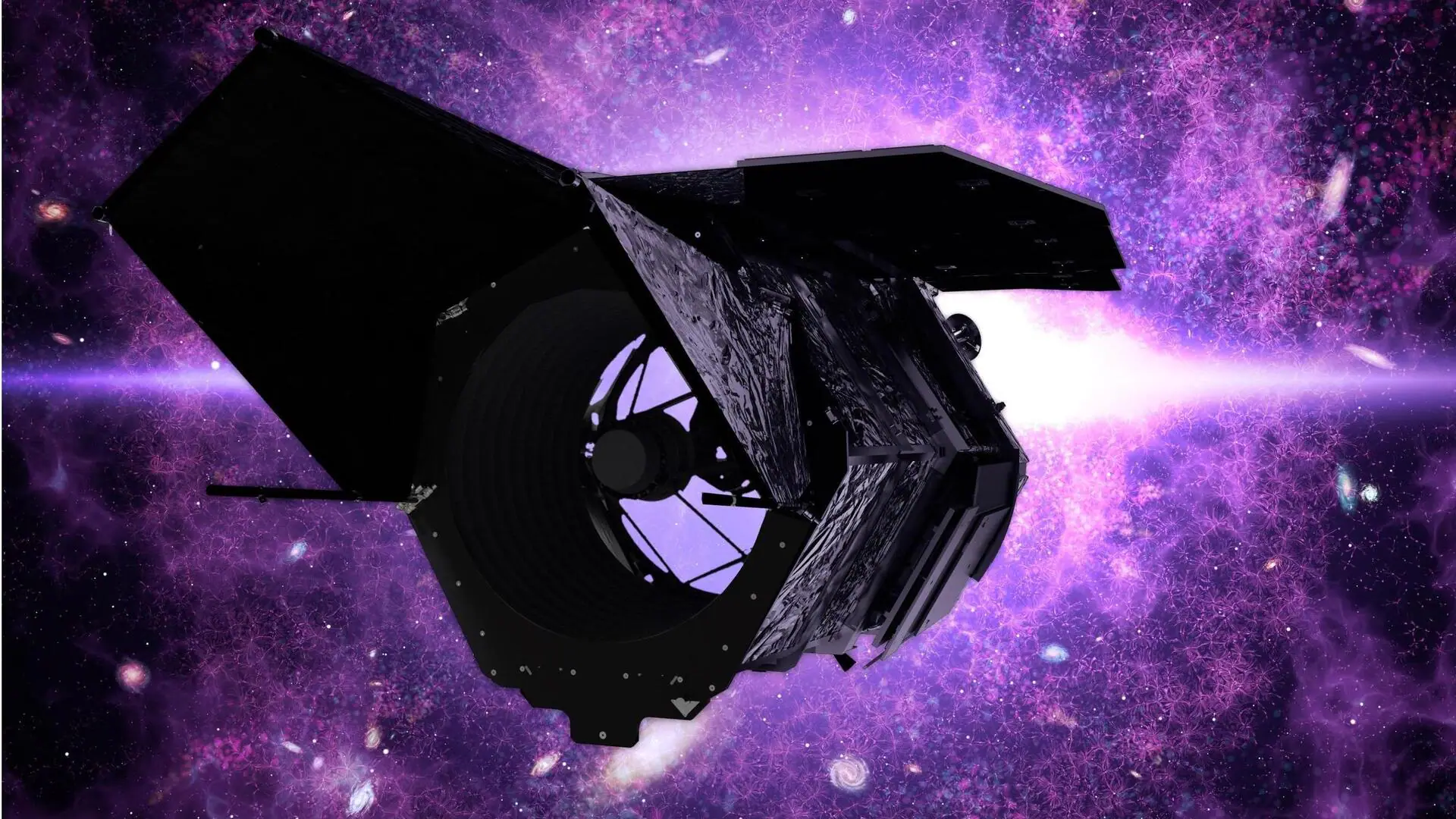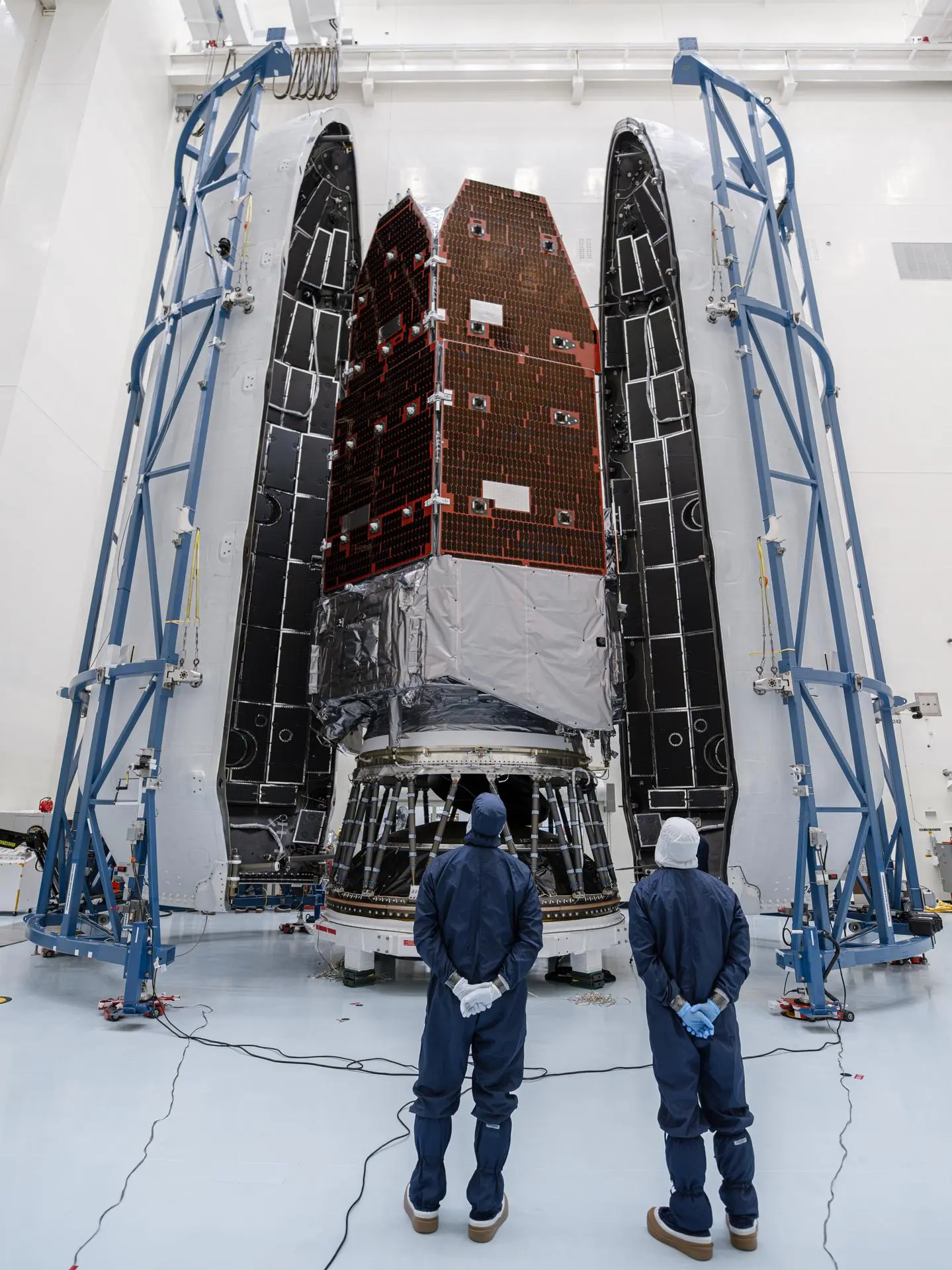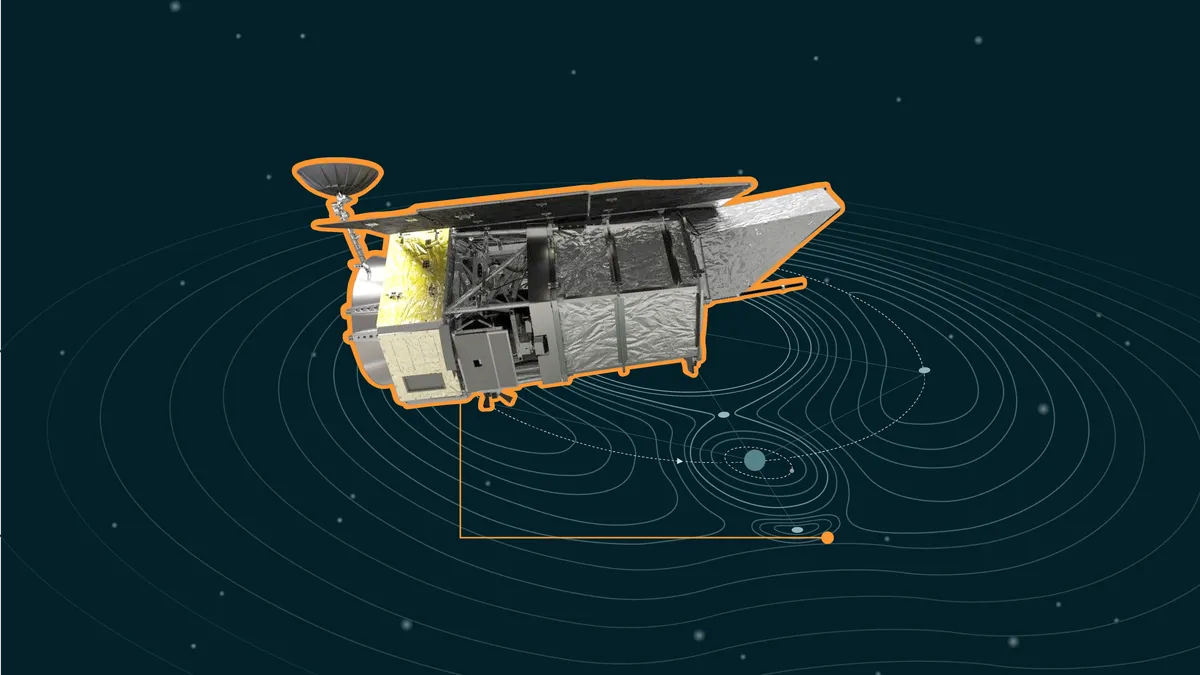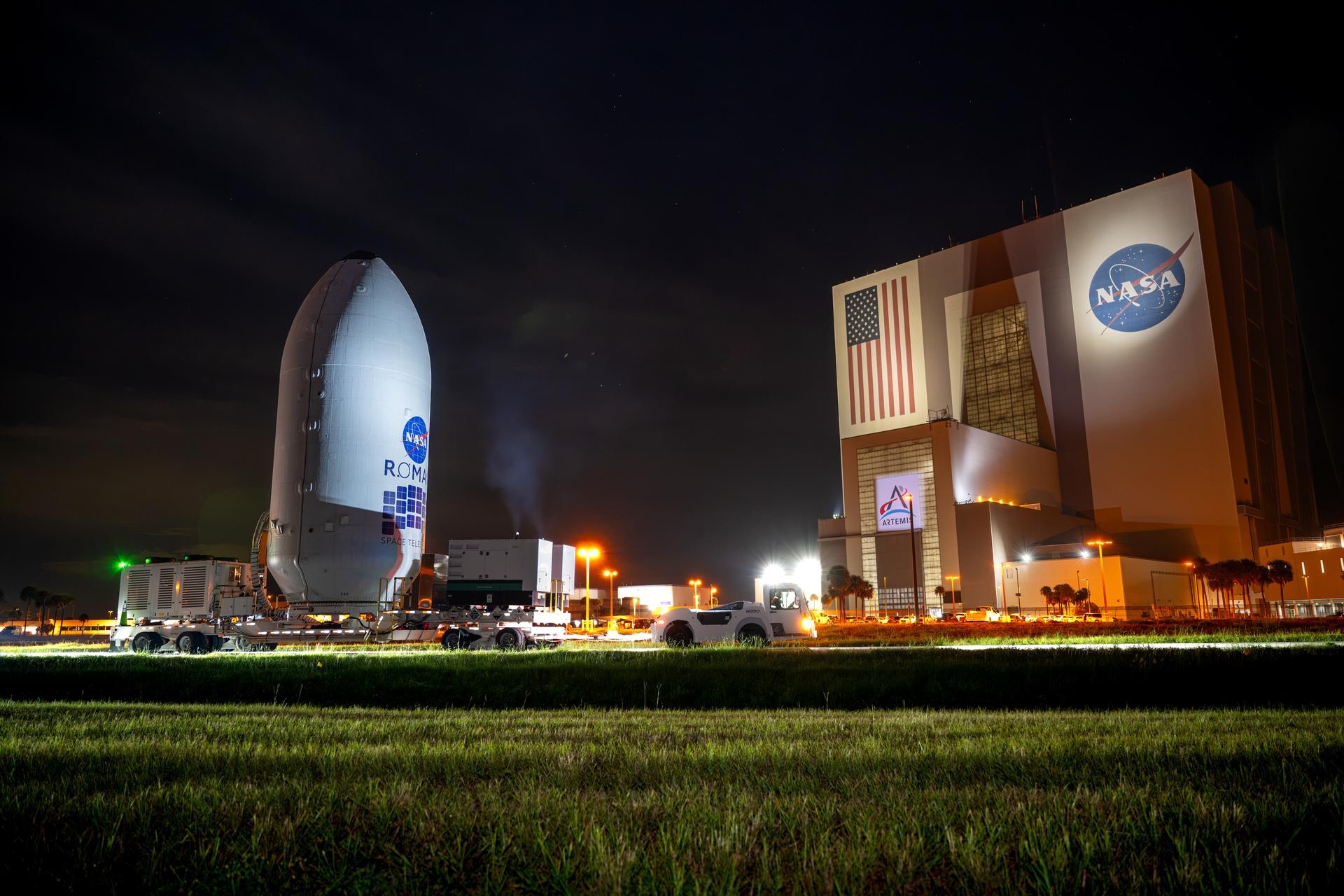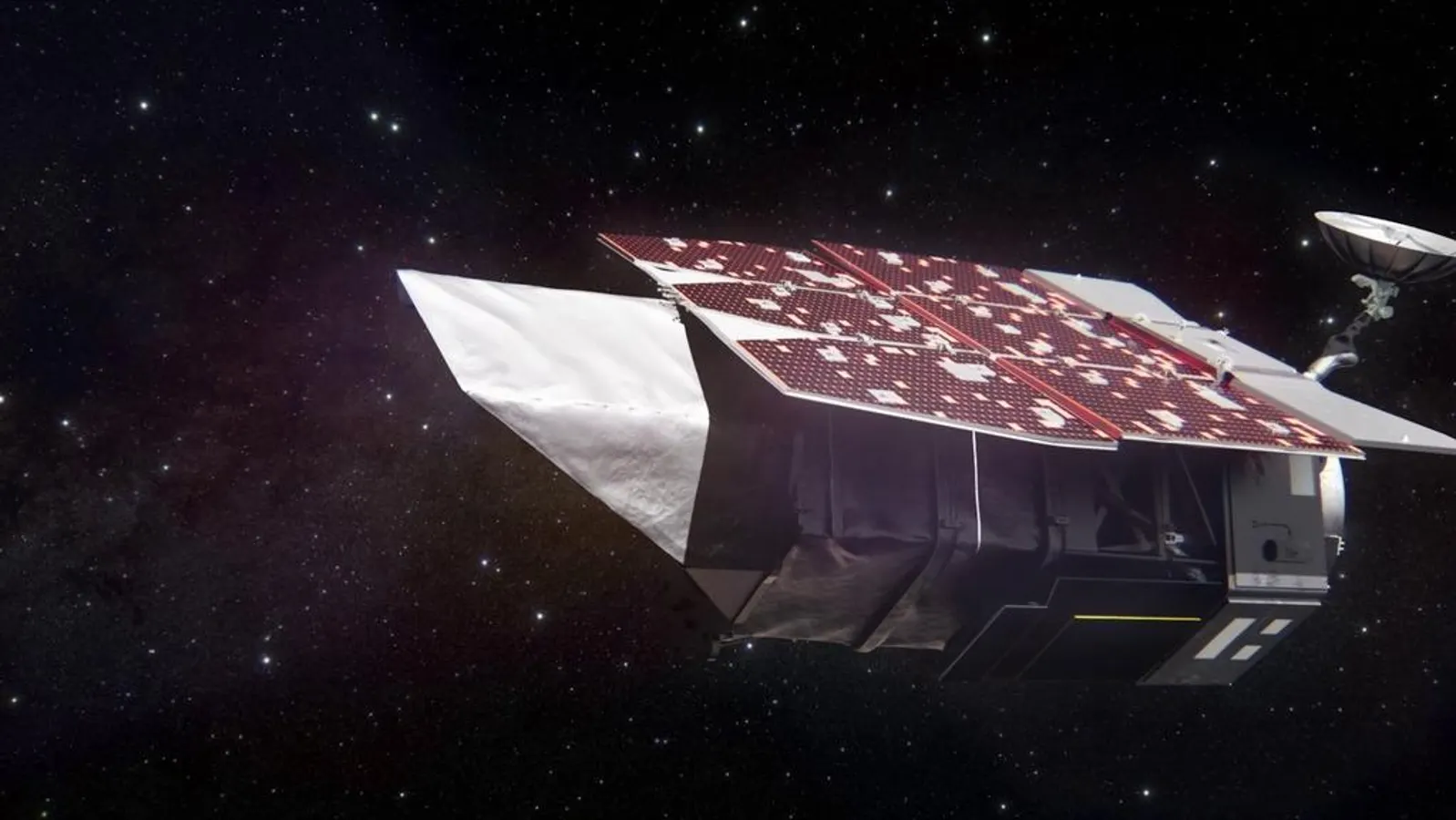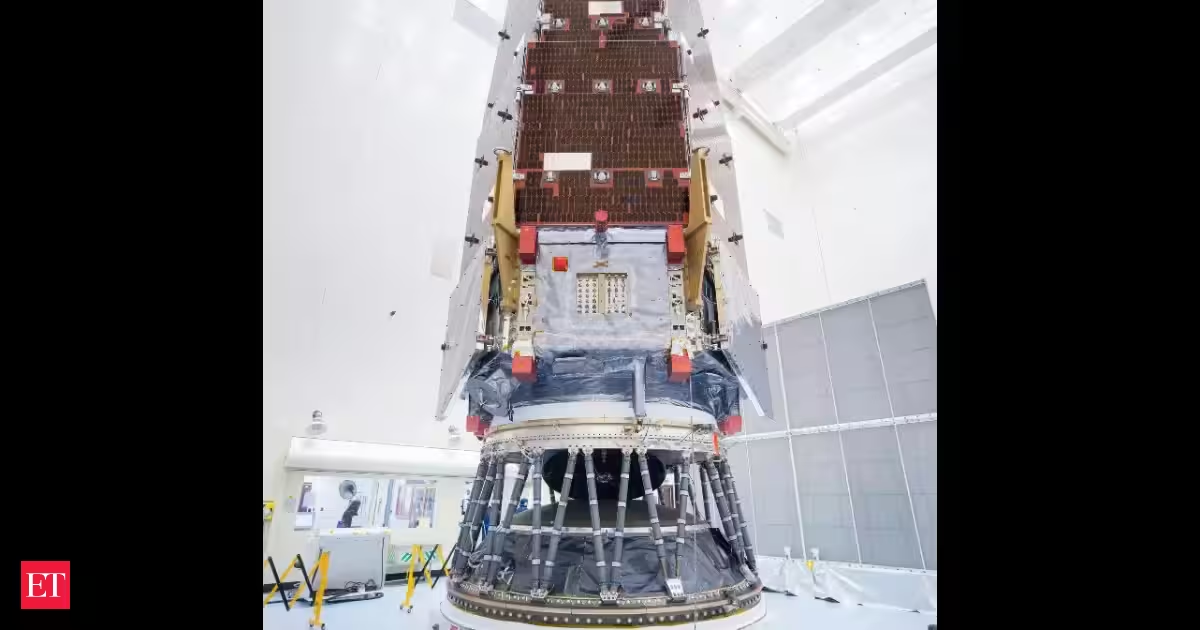
NASA is preparing to send a powerful new observatory into space that could reshape scientists’ understanding of the universe. The Nancy Grace Roman Space Telescope is scheduled to launch Sunday, August 30, aboard a SpaceX Falcon Heavy rocket from Launch Complex 39A at NASA’s Kennedy Space Center in Florida. Liftoff is targeted for 7:26 AM EDT, with NASA’s launch coverage beginning at 6:20 AM. The telescope is designed to tackle some of astronomy’s biggest questions, from the mysterious forces driving cosmic expansion to the nature of dark matter and the search for distant worlds. NASA expects Roman to complement, rather than replace, the Hubble and James Webb space telescopes.According to US space agency officials, the launch is now targeted eight months ahead of schedule. Roman builds on the legacy of the Hubble Space Telescope, launched in 1990, and the James Webb Space Telescope, launched in 2021. While both pioneering observatories remain operational, Roman will offer new capabilities that can expand and deepen scientists’ understanding of the universe. According to NASA, more than 1.3 million people submitted their names this summer to be included on a memory card attached to a plaque on the Roman spacecraft. Their names will travel aboard the telescope all the way to its destination at L2.WHEN WILL THE ROMAN SPACE TELESCOPE LAUNCH?NASA and SpaceX are targeting Roman’s liftoff for no earlier than 7:26 a.m. EDT Sunday. The launch will take place from Launch Complex 39A at Kennedy Space Center. For viewers, NASA’s coverage is scheduled to begin at 6:20 AM EDT. The launch time is a target, however, and could change because of weather, technical issues or other factors.WHAT WILL NASA’S ROMAN TELESCOPE STUDY?One of Roman’s central goals is to investigate dark energy, the mysterious phenomenon associated with the accelerating expansion of the universe. Scientists still do not know what dark energy actually is or whether our current understanding of gravity is complete. Roman will survey enormous portions of the sky and collect data on billions of galaxies. Its wide field of view will allow researchers to study cosmic structures on a scale that would be difficult for narrower-view telescopes. Reuters reports that the mission is expected to examine billions of galaxies, helping scientists investigate how the universe has expanded and evolved. The telescope will also help scientists map the distribution of dark matter, an invisible form of matter that does not emit or reflect light but influences galaxies and other cosmic structures through gravity.ROMAN WILL SEARCH FOR DISTANT PLANETSThe mission also has a major exoplanet component. Roman will use techniques including gravitational microlensing to search for planets beyond our solar system. This could reveal worlds that are difficult to detect with other methods, including some distant or free-floating planets. NASA also plans to demonstrate coronagraph technology designed to block a star’s overwhelming light and make it easier to study nearby exoplanets directly.AAfter launch, Roman will travel about 1 million miles to the Sun-Earth Lagrange Point 2, or L2, where it will orbit the Sun alongside the James Webb Space Telescope.The journey is expected to take about a month, followed by a period of testing and commissioning before full scientific operations begin. Roman's primary mission is designed for five years, with an additional five-year extended mission possible. NASA says fuel is expected to be the life-limiting resource, and the spacecraft is designed to be refuelable. The telescope's first science images are expected by early 2027.The Nancy Grace Roman Space Telescope represents a major new chapter in NASA’s effort to understand the cosmos. Its ability to survey huge areas of the sky quickly will give scientists a different perspective from the deep, focused observations associated with Hubble and Webb. By studying dark energy, dark matter, galaxy evolution and distant planets, Roman could help answer questions that have remained unresolved for decades.
NASA’s Nancy Grace Roman Space Telescope set to investigate the universe’s biggest mysteries - Check launch date, time, mission goals and what to expect
NASA's Roman Space Telescope is set for a Sunday launch to explore cosmic mysteries. This powerful observatory will investigate dark energy and map dark matter distribution. It will also search for distant planets using advanced gravitational microlensing techniques. After its journey, the telescope will orbit the Sun near the James Webb Space Telescope. Roman's mission aims to deepen our understanding of the universe's expansion and evolution.
634 words~3 min read