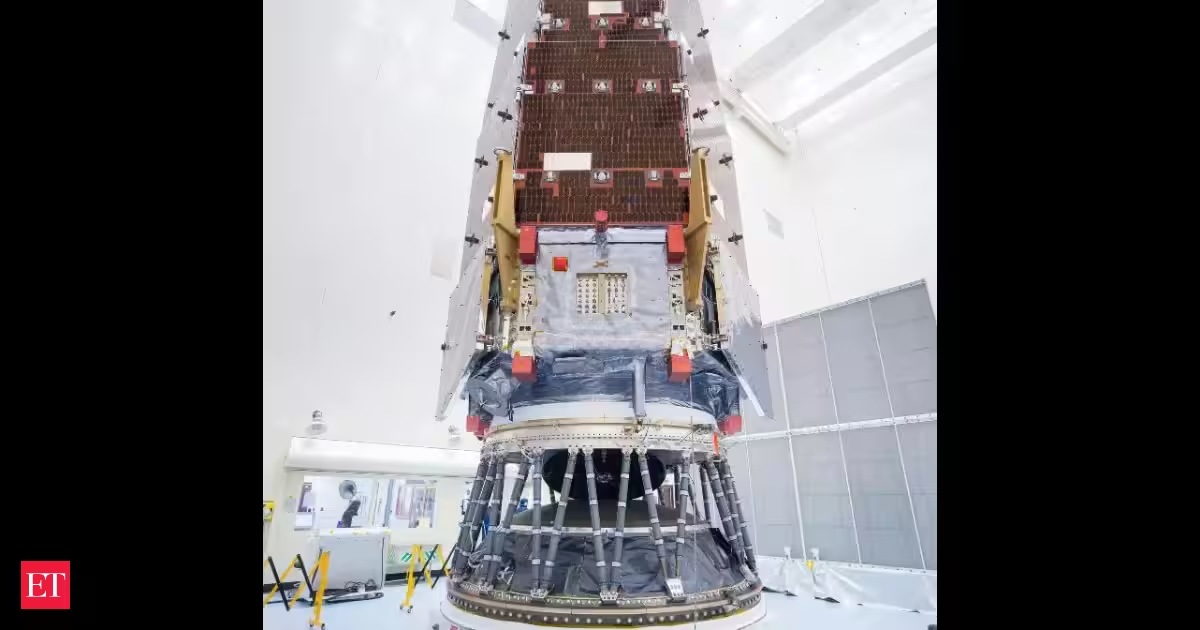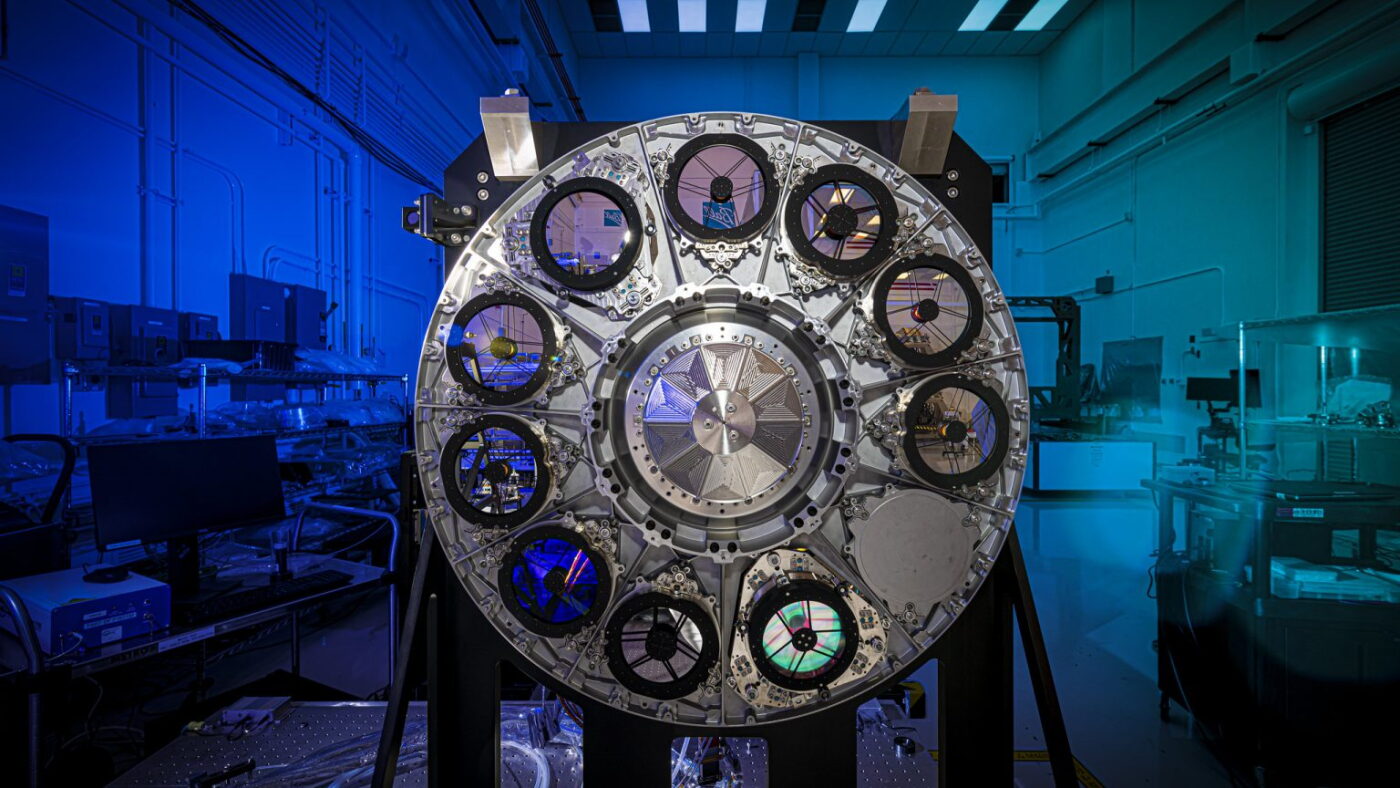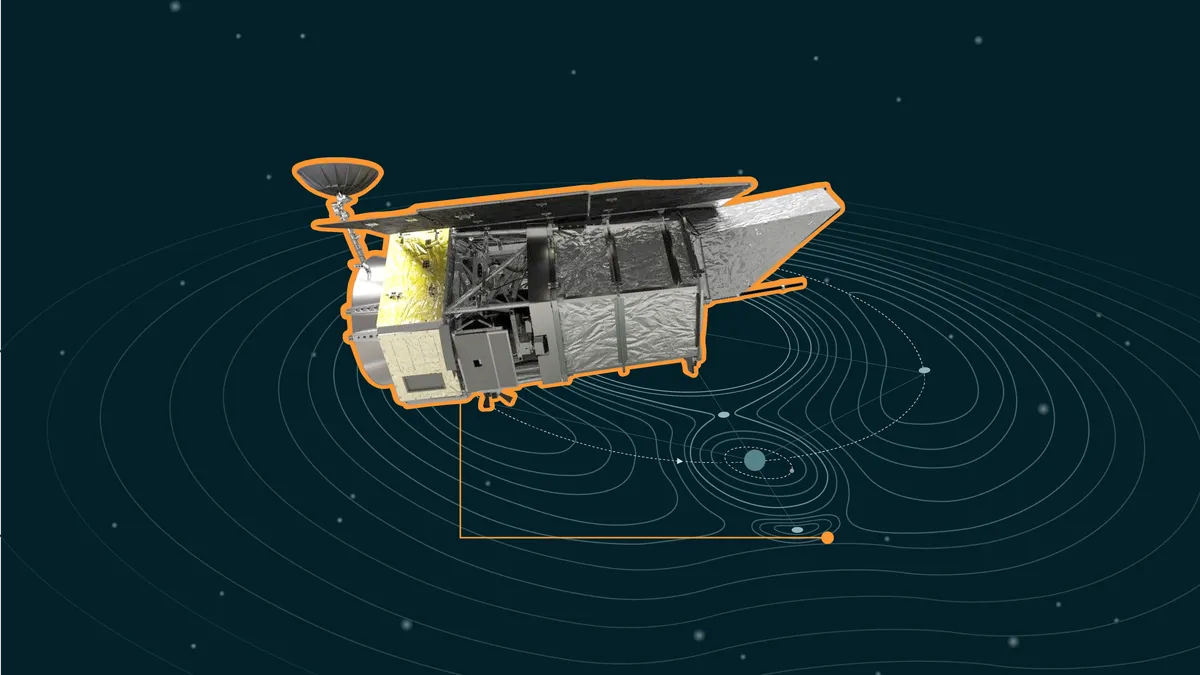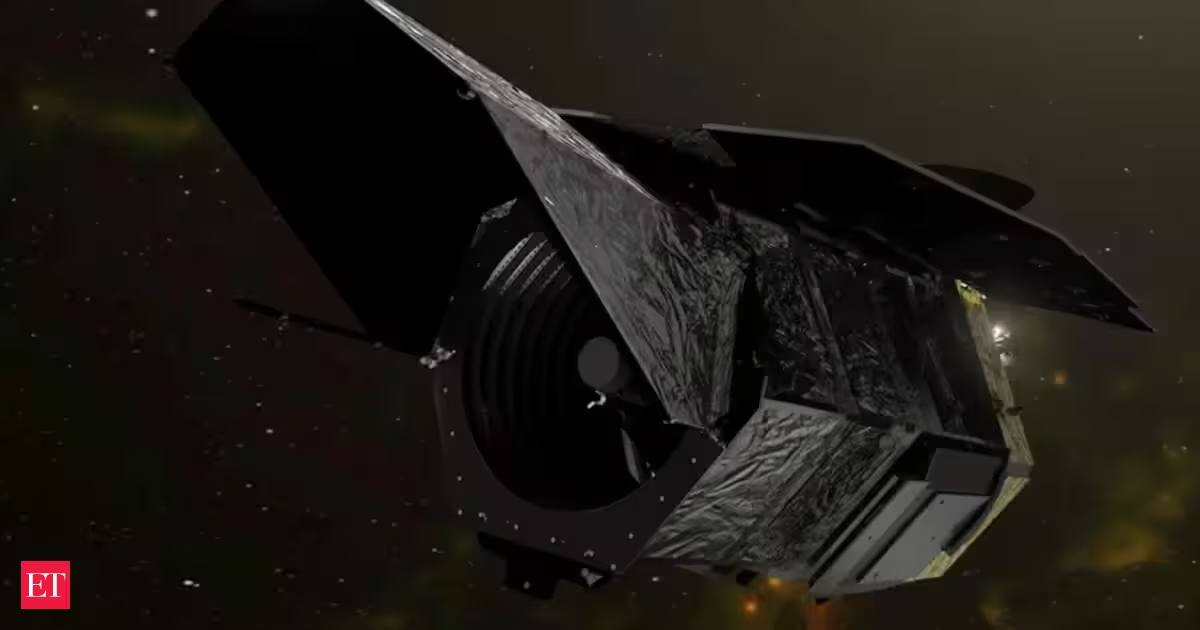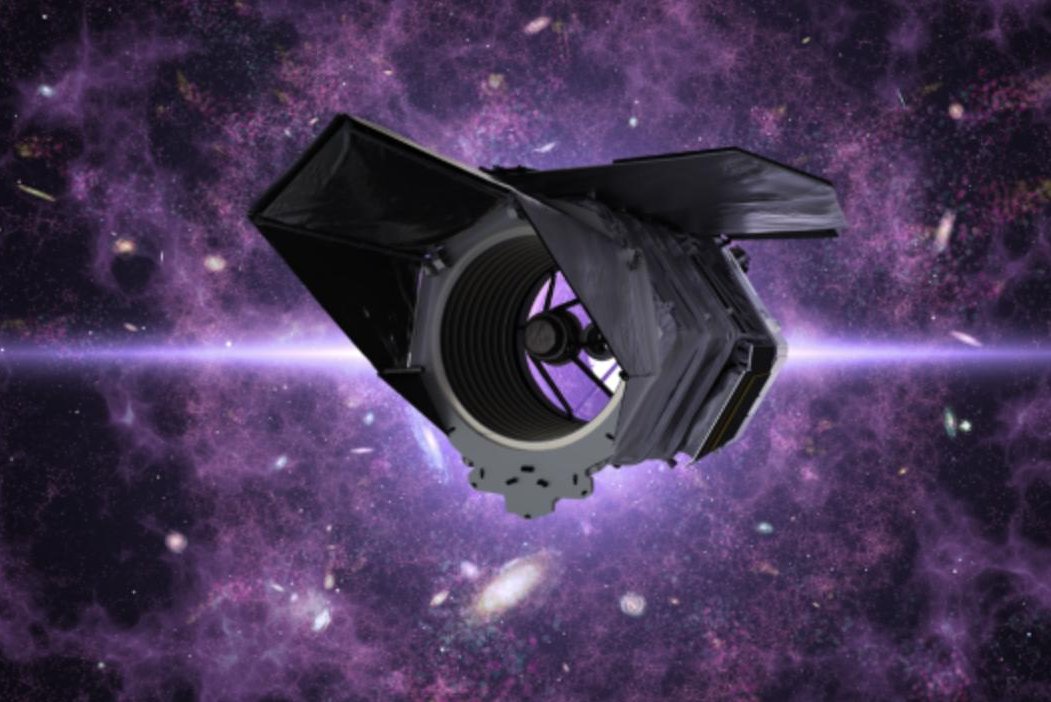
The Nancy Grace Roman Space Telescope is a NASA observatory designed to settle essential questions in the areas of dark energy, exoplanets and infrared astrophysics. Image courtesy NASA Goddard Space Flight Center Scientific Visualization Studio
NASA is gearing up to launch the Nancy Grace Roman Space Telescope this summer, sending the spacecraft 1 million miles from Earth to unlock the mysteries of the universe.
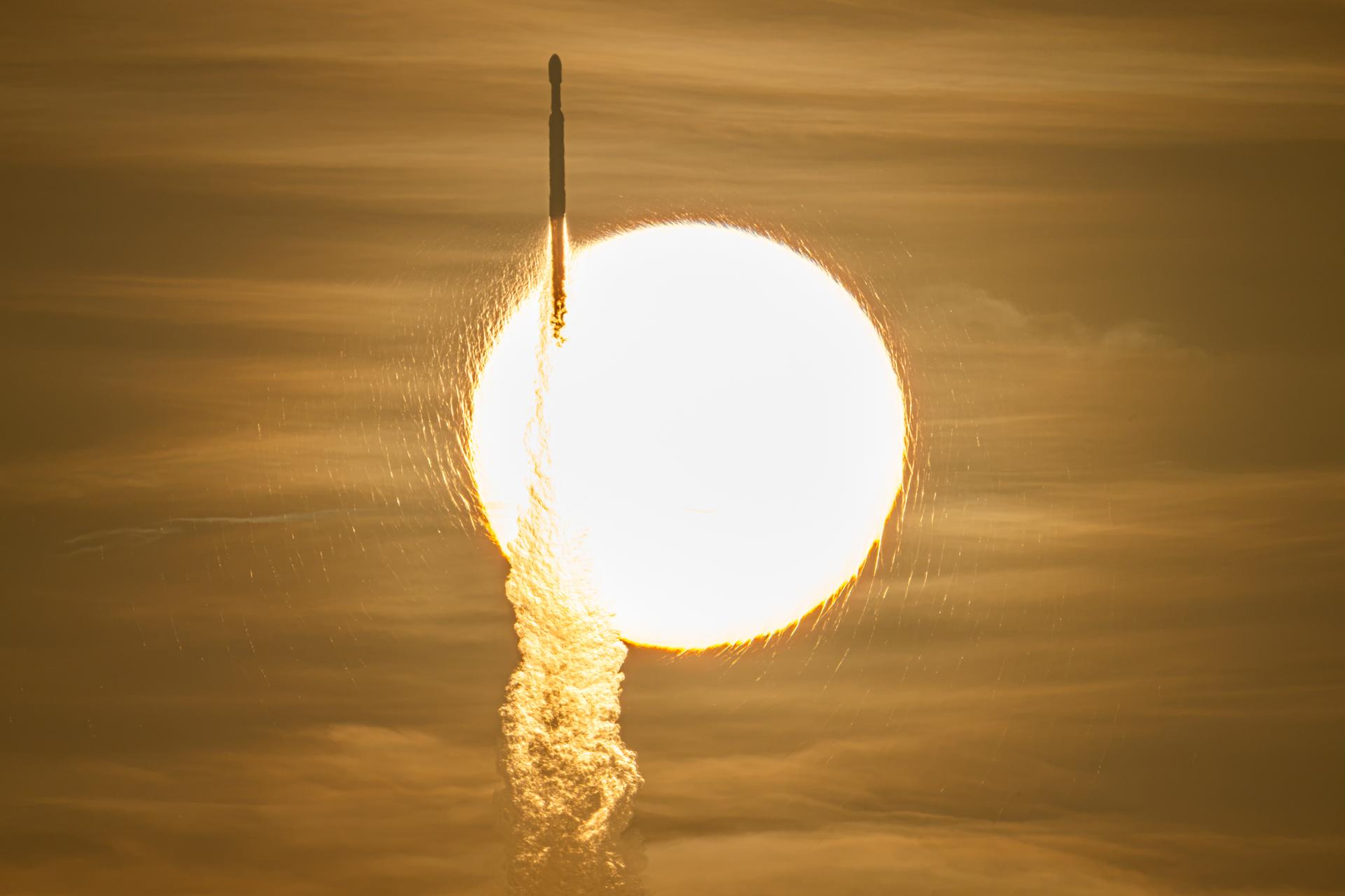
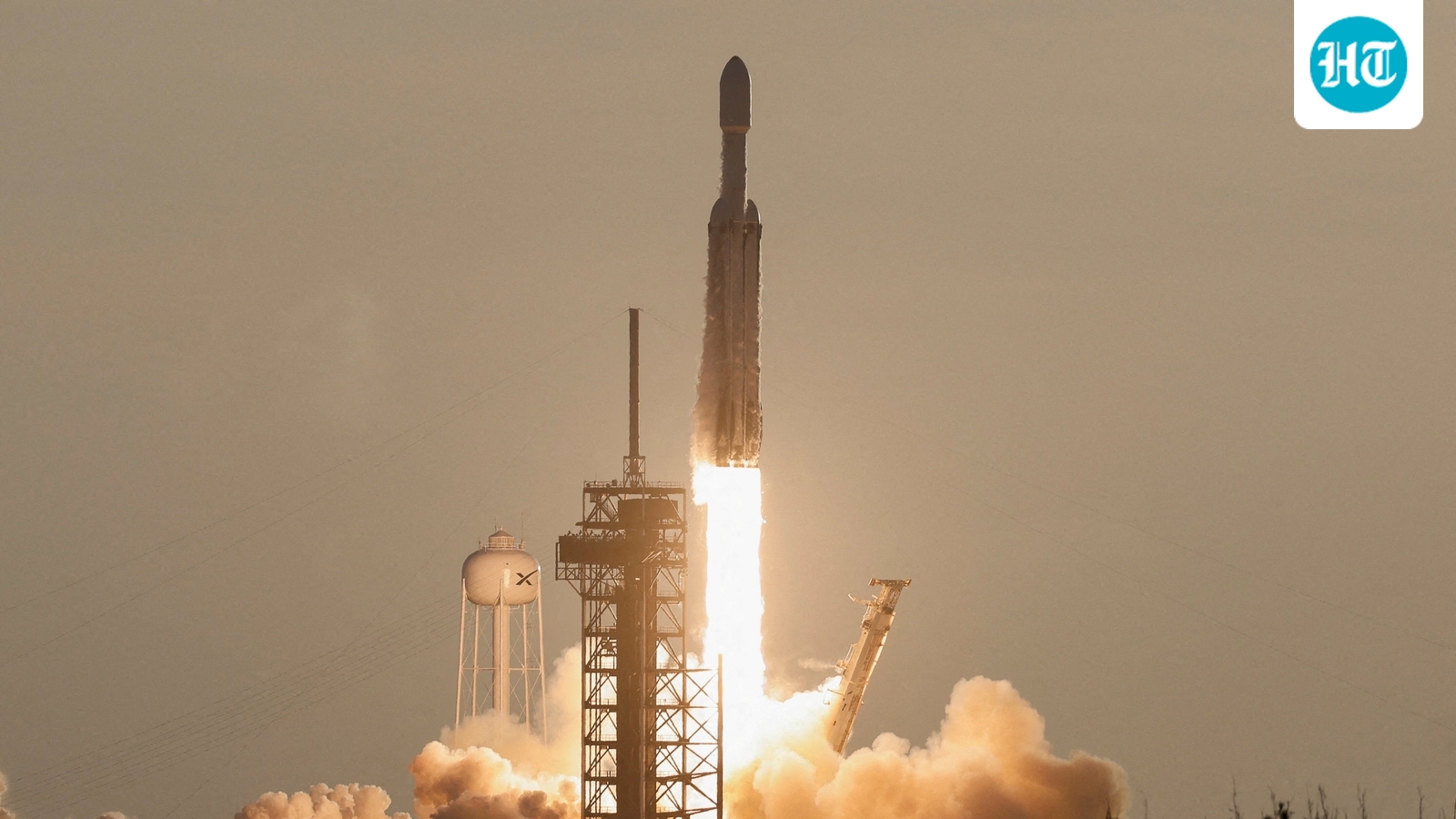
A SpaceX Falcon Heavy rocket is set to launch the telescope on Aug. 30 from NASA's Kennedy Space Center in Florida. The next-generation telescope will investigate and answer questions about dark matter, dark energy, exoplanets and astrophysics, according to NASA. It will capture panoramic images about 100 times larger than the Hubble Space Telescope, and it may measure light from a billion galaxies during its lifetime.
Dr. Kristen McQuinn, mission head for the Roman Science Operations Center at the Space Telescope Science Institute, explained to AccuWeather how Roman is using new technology to break barriers in space exploration.
"In about 10 months, Roman will be able to observe the equivalent of what Hubble sees in about 1,000 years," McQuinn said. "So that is changing the way astronomers and scientists will do their work."