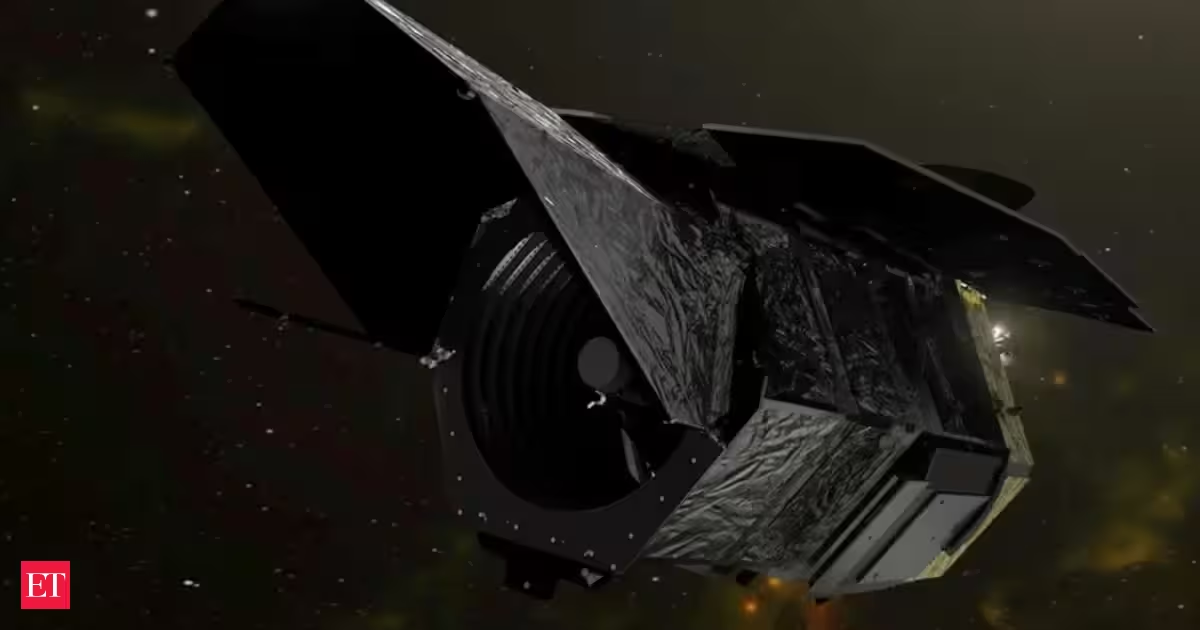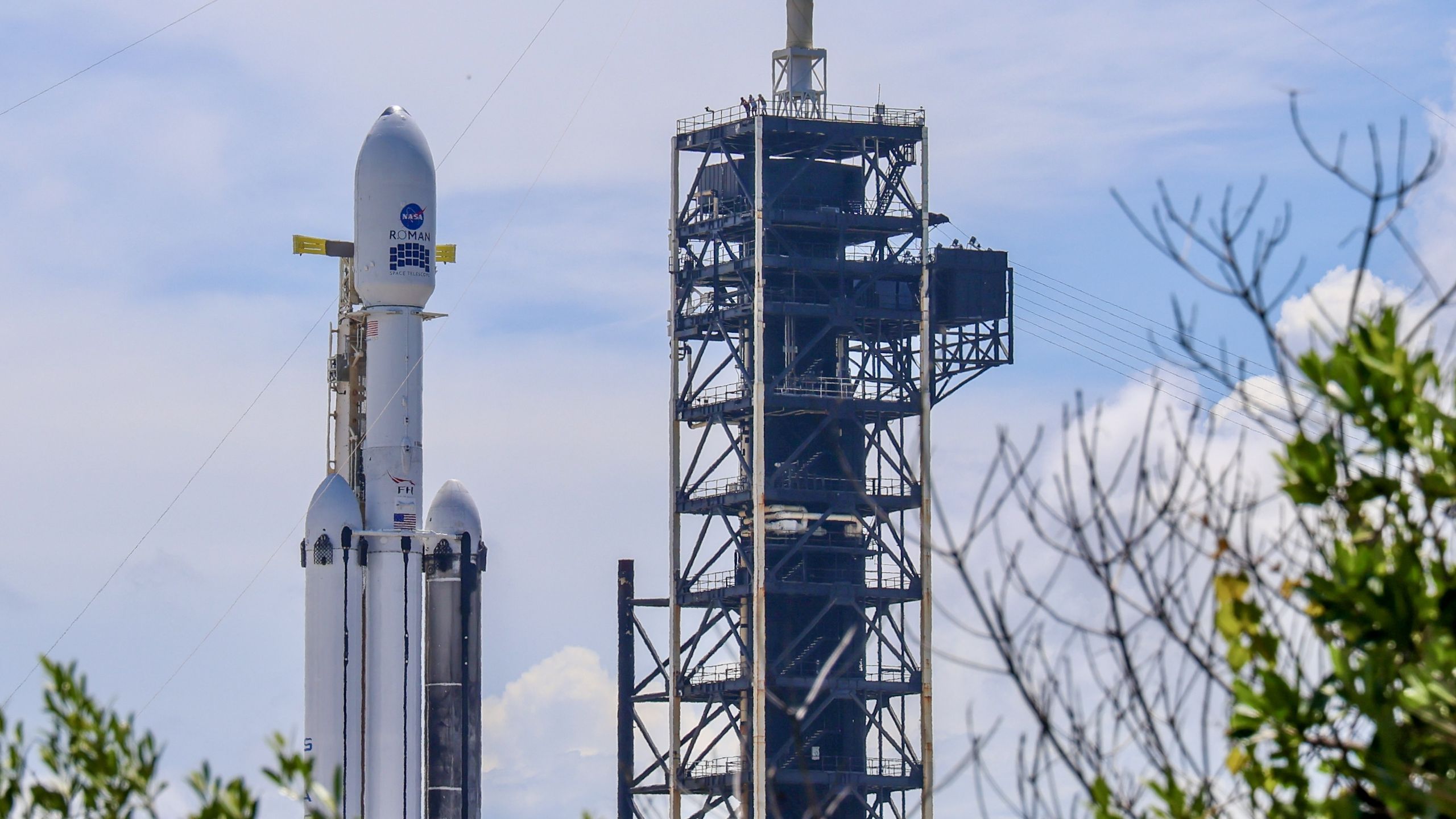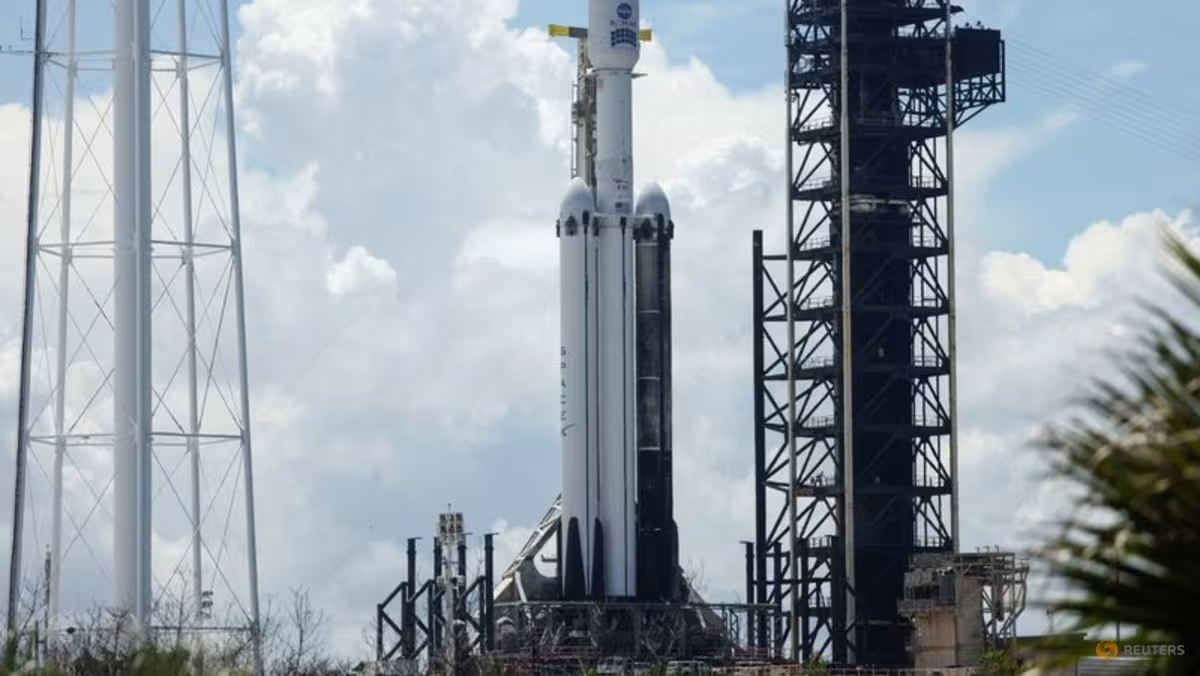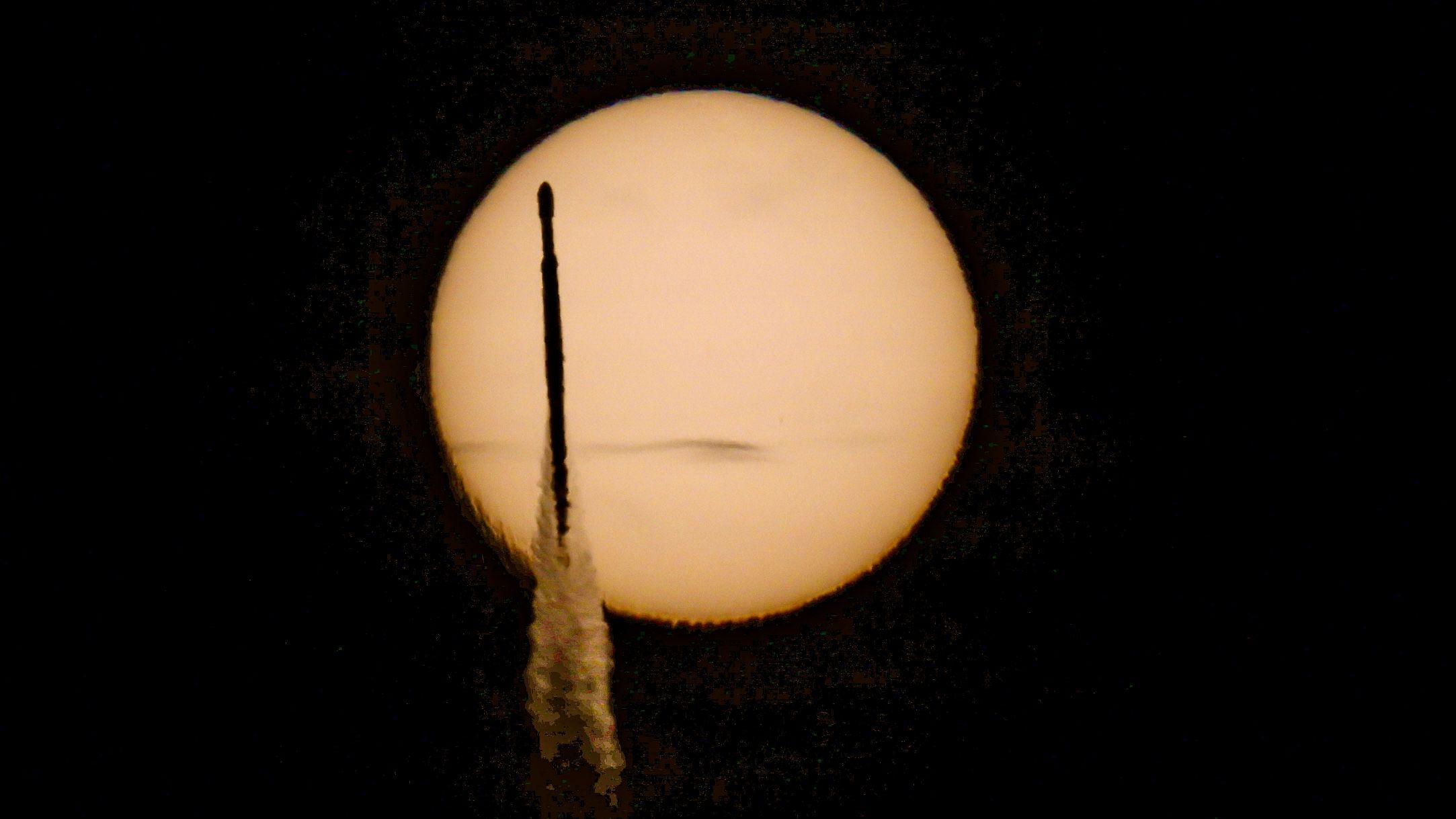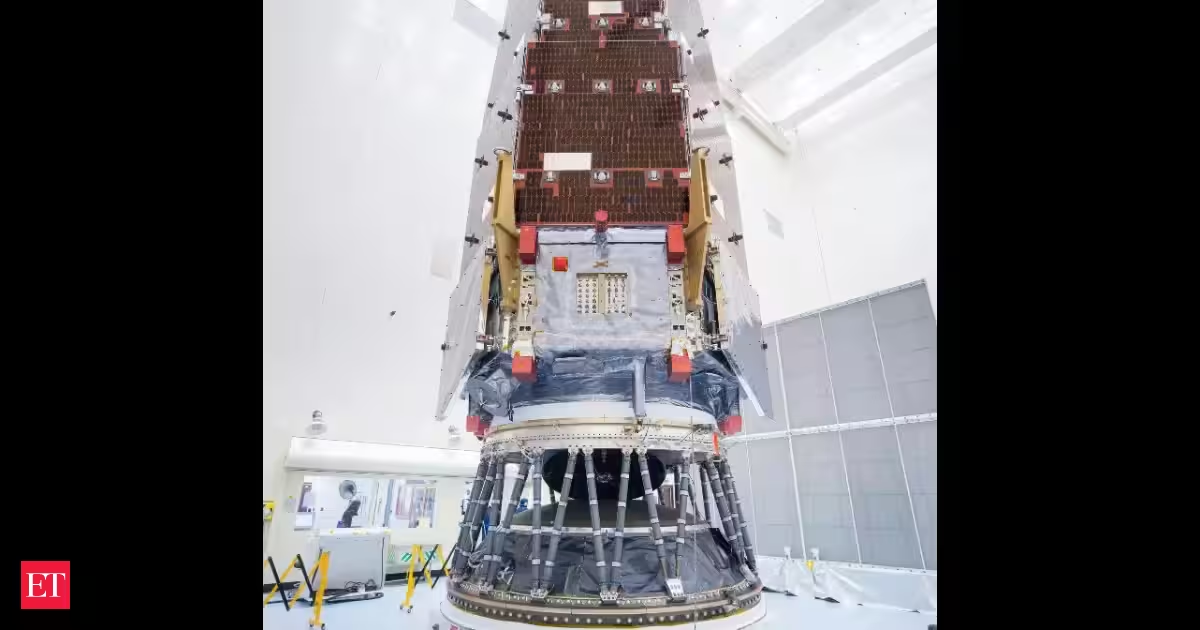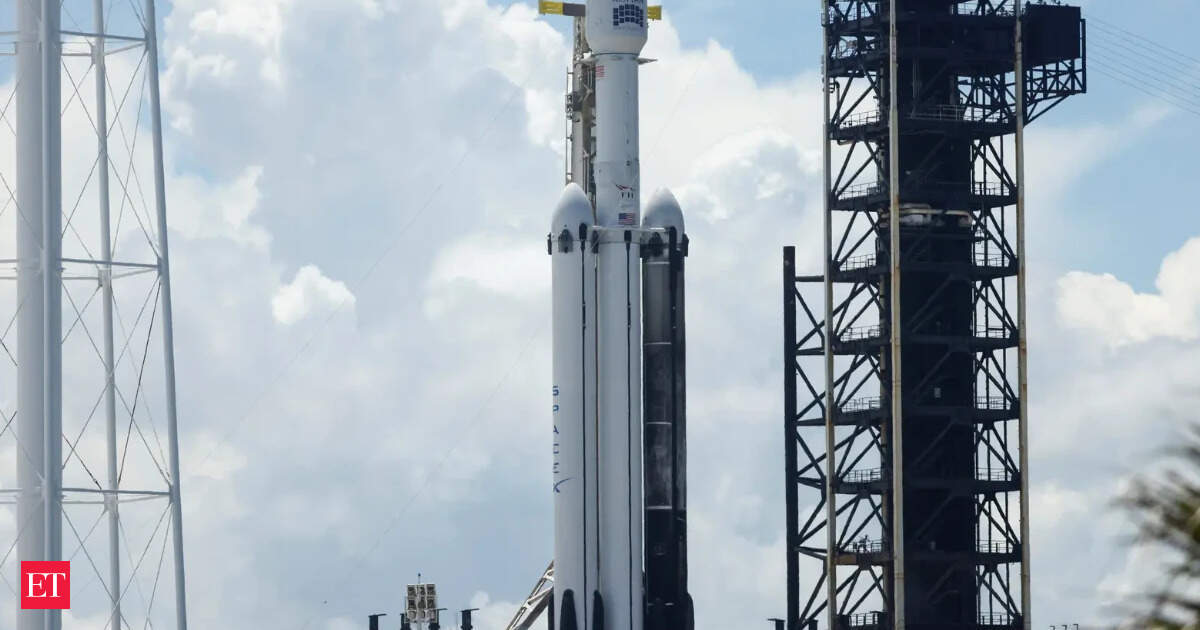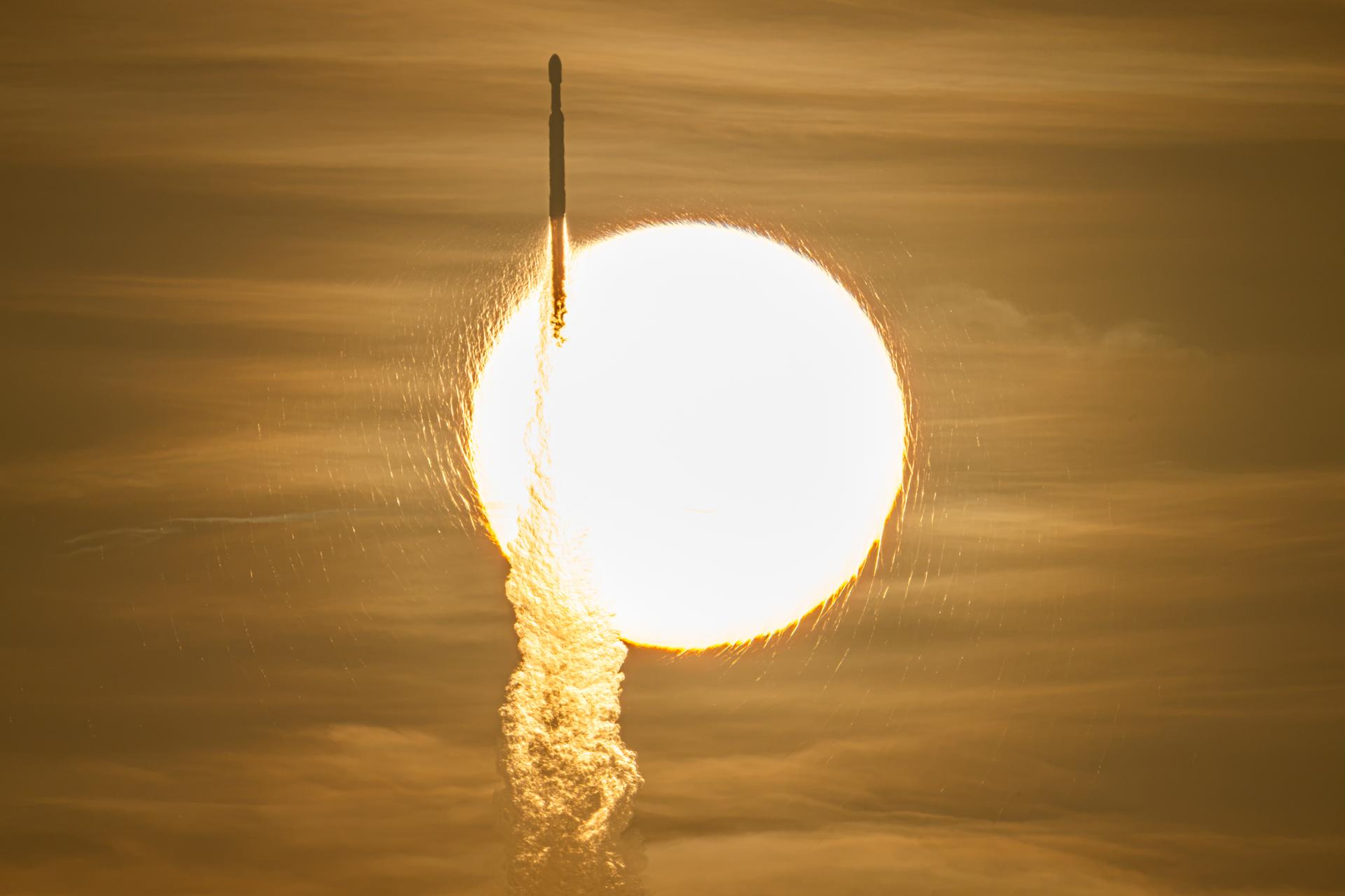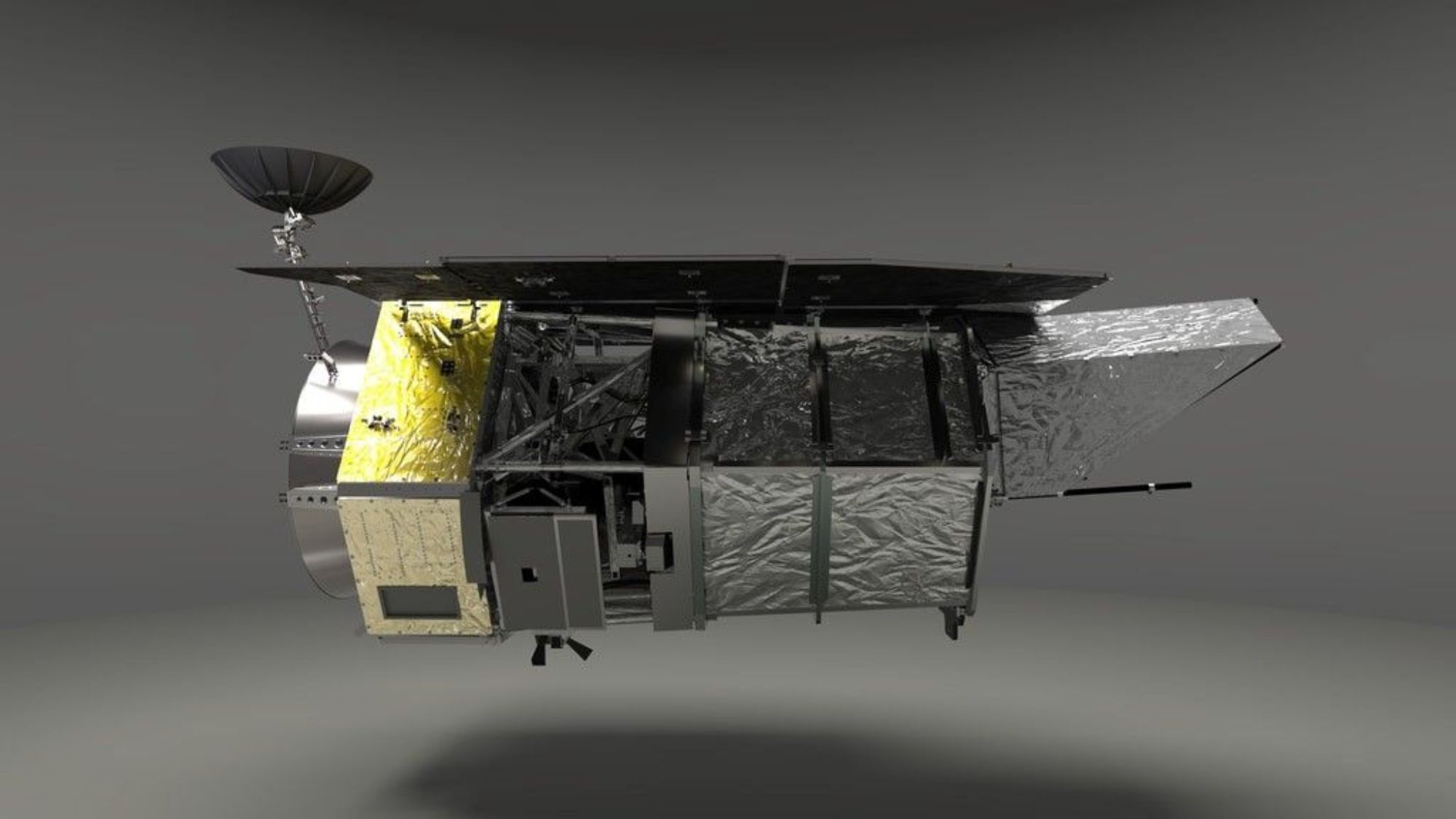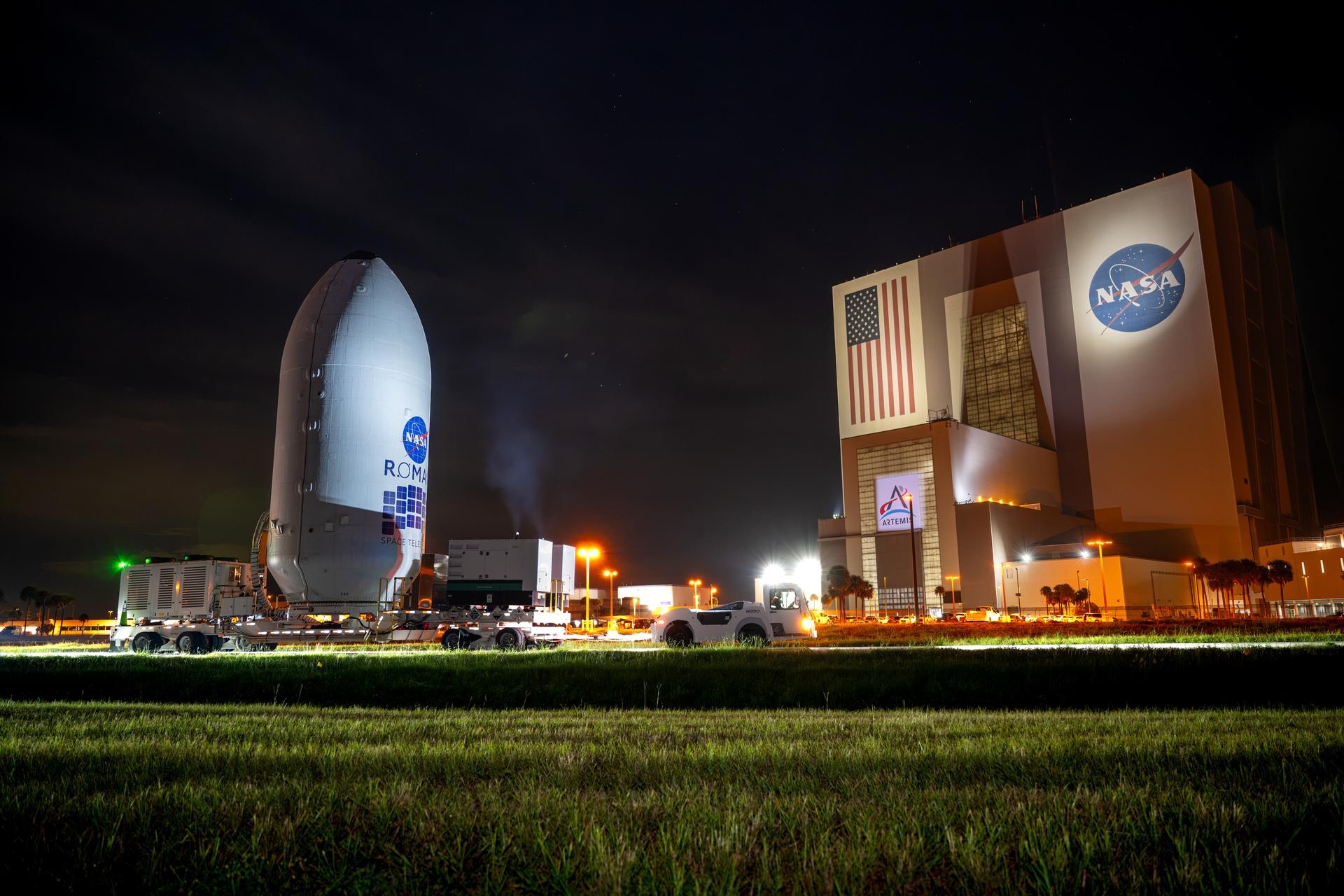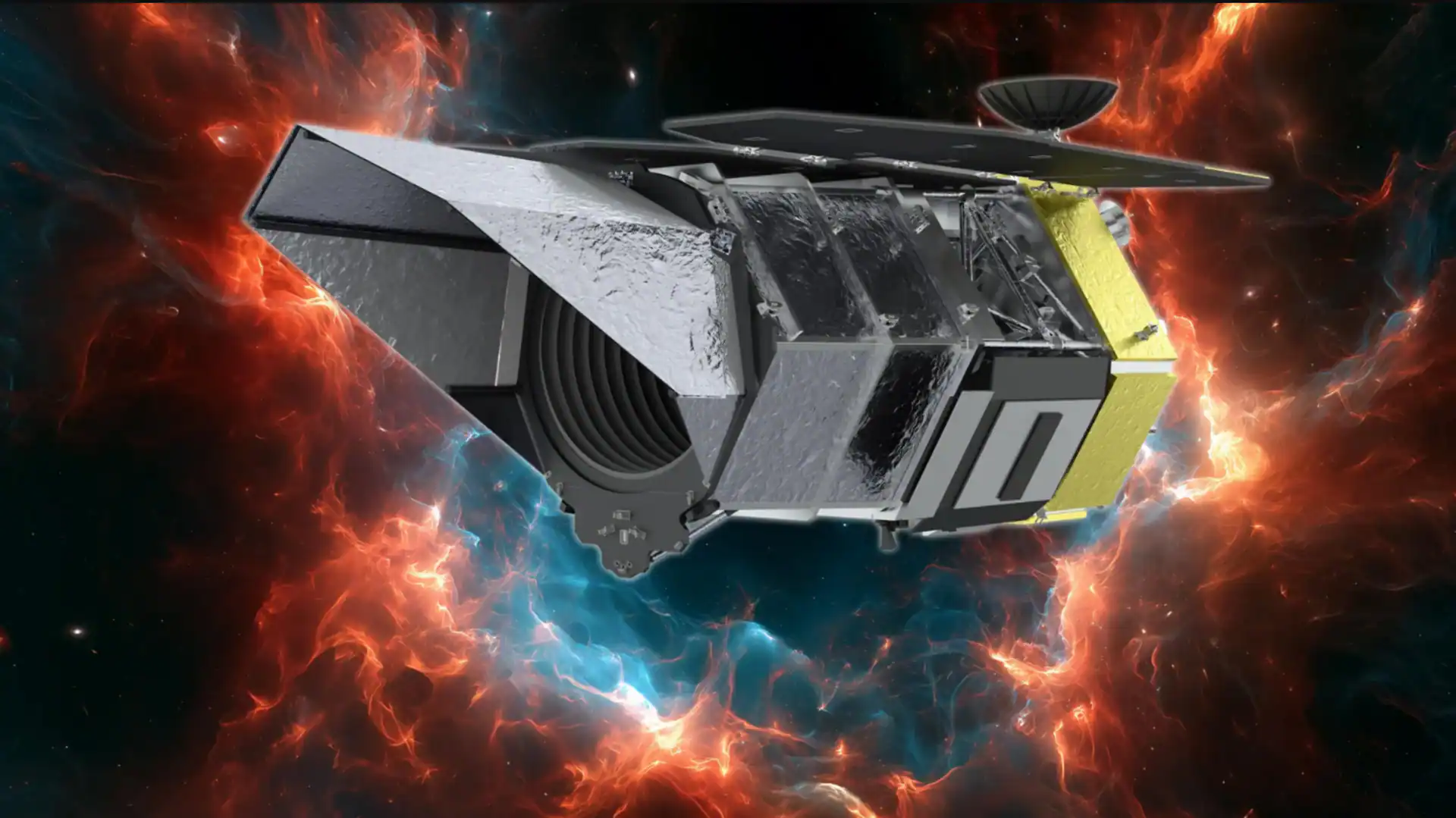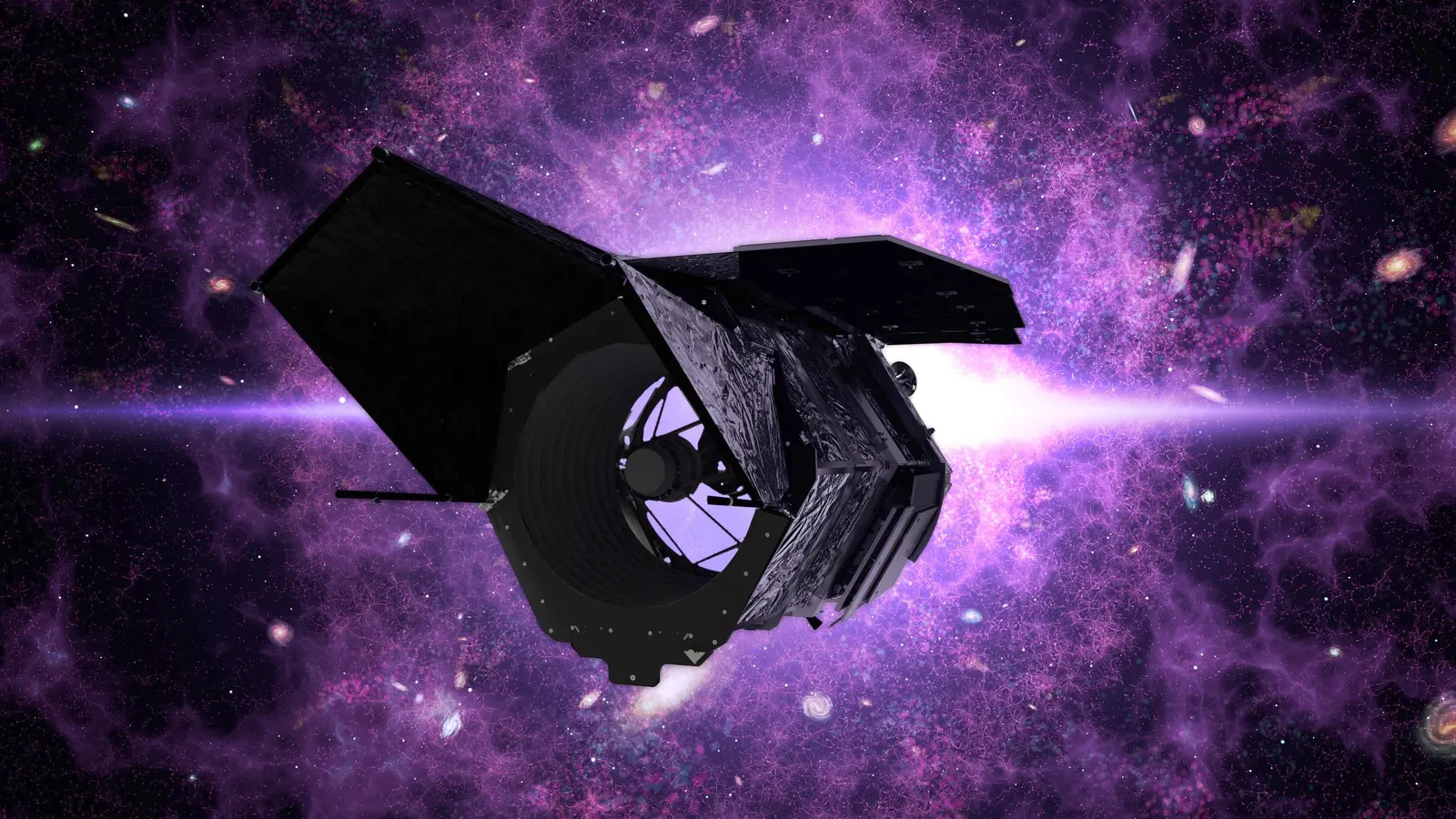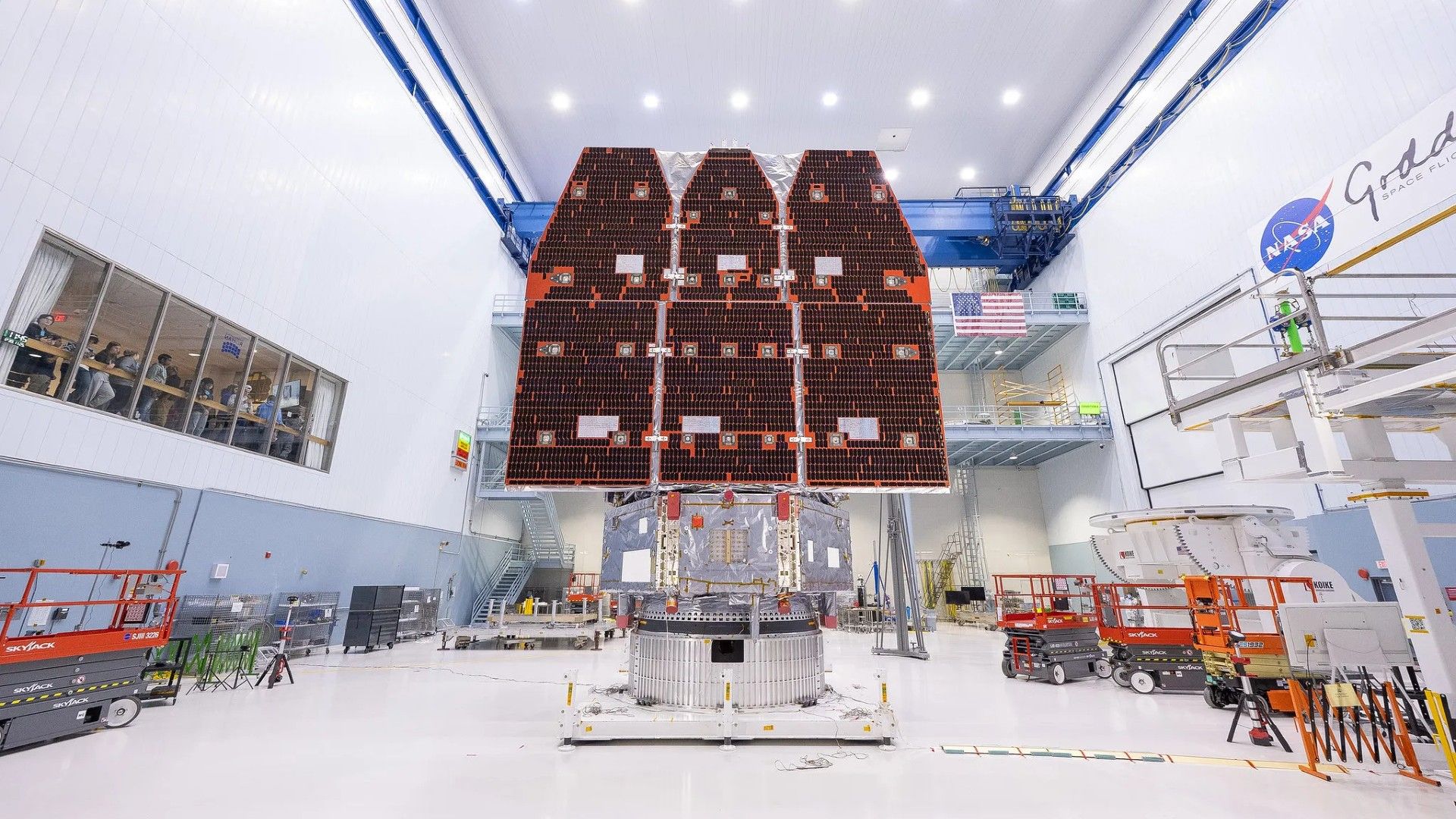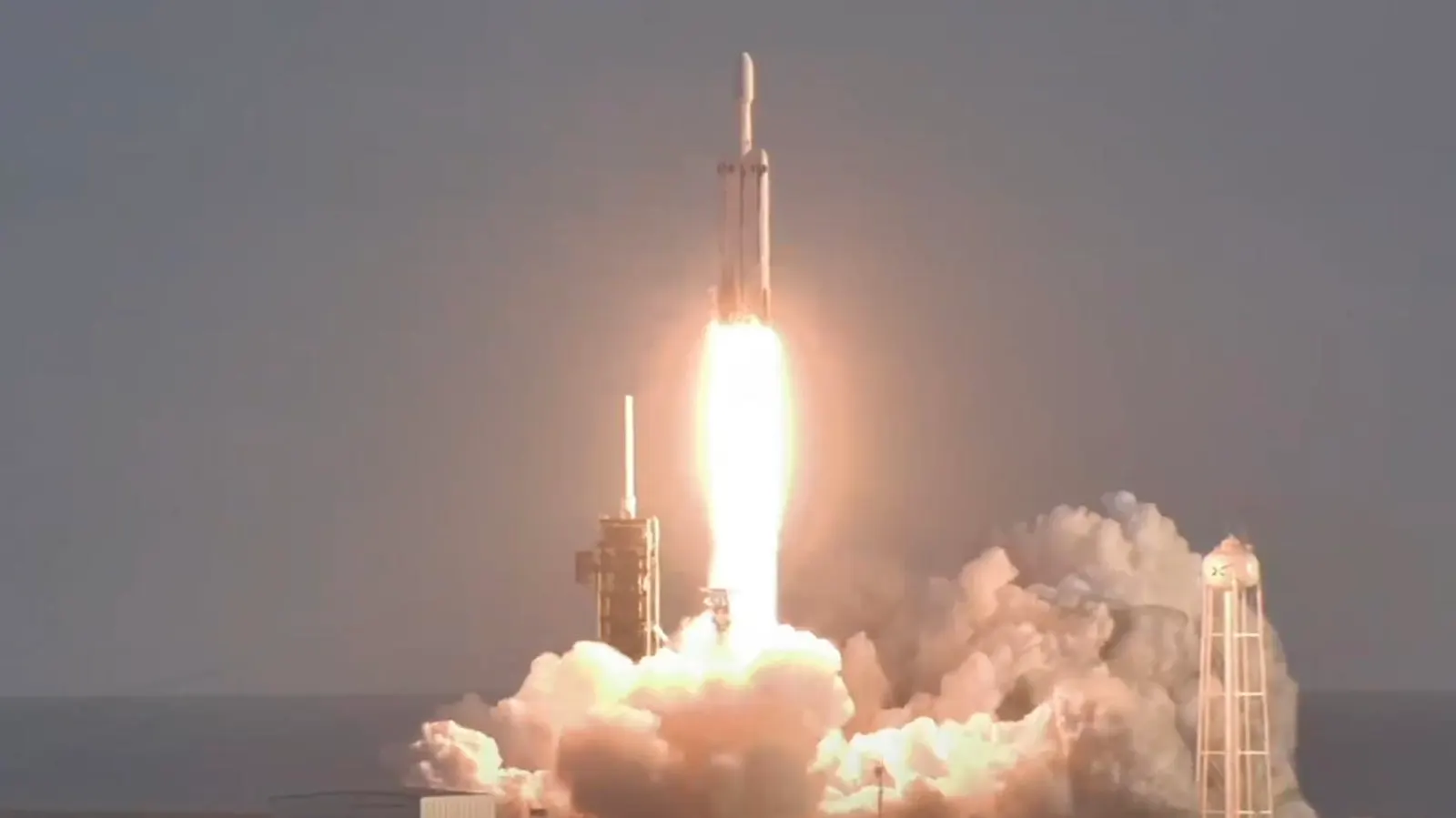
NASA’s Nancy Grace Roman Space Telescope has launched aboard a Falcon Heavy rocket, beginning a mission to map billions of galaxies and hunt for new worlds.NASA TVNASA’s newest flagship space observatory is finally on its way. The Nancy Grace Roman Space Telescope lifted off at 7:26am EDT on Sunday, Aug. 30, aboard a SpaceX Falcon Heavy rocket from Kennedy Space Center in Florida, beginning a mission astronomers hope will transform our understanding of the universe by mapping more than two billion galaxies, searching for around 100,000 exoplanets and investigating the mysterious dark energy accelerating the universe’s expansion.A Telescope Designed To Complete The PictureThe launch also marked an unusually rare achievement for a flagship NASA mission, with Roman reaching the launch pad roughly nine months ahead of the agency’s previous schedule.Named after Dr. Nancy Grace Roman, NASA’s first chief astronomer and a pioneer of space-based astronomy, the observatory has often been described as combining Hubble’s sharp vision with a panoramic view of the sky.Instead of replacing Hubble or Webb, Roman will work alongside them, surveying vast regions of the universe before its sister observatories investigate the most intriguing discoveries in greater detail.That capability comes from Roman’s Wide Field Instrument, which pairs the same 2.4-meter primary mirror as Hubble with a field of view more than 100 times larger. Over its planned five-year prime mission, the observatory is expected to collect around 20 petabytes of science data while surveying more sky than Hubble has observed in more than three decades.A Mission To Answer Astronomy’s Biggest QuestionsRoman’s scientific ambitions extend across almost every area of astrophysics. By measuring the positions of billions of galaxies, observing thousands of distant supernovae, and studying the subtle effects of gravitational lensing, astronomers hope to understand better both dark matter and dark energy, two of the greatest mysteries in modern cosmology. At the same time, Roman will monitor hundreds of millions of stars toward the center of the Milky Way in what is expected to become the largest census yet of planets beyond the solar system.“Roman is poised to conduct revolutionary surveys that will impact every area of astronomy,” said Julie McEnery, the mission’s senior project scientist at NASA Goddard, before the launch. She said the observatory could detect up to half the stars in the Milky Way after just one month of observations, while its largest survey would produce an image so large it would require more than half a million 4K televisions to display in full.Roman’s Journey Is Only BeginningAlthough Roman has now left Earth, routine science observations will not begin for about 100 days. During that commissioning period, engineers will deploy the spacecraft’s solar arrays and high-gain antenna, align its optics, calibrate its instruments and guide it toward the Sun-Earth L2 Lagrange point, about one million miles from Earth, where it will spend the rest of its mission working alongside the James Webb Space Telescope.“We’re really excited to see Roman launch,” integration and test scientist Jeremy Perkins said before liftoff, “but we’re even more excited to see the first light hit the telescope.” That moment will come later this year, when the observatory opens its aperture to the cosmos for the first time and begins sending back the enormous datasets that astronomers hope will reshape our understanding of the universe.Roman could become one of the most important space observatories ever built. Over the coming years, it won’t just map billions of galaxies, but may reveal entirely new classes of objects and answer questions scientists haven’t yet thought to ask.Wishing you clear skies and wide eyes.
In Photos: NASA’s New Roman Space Telescope Lifts Off To Map Billions Of Galaxies
NASA’s Nancy Grace Roman Space Telescope has launched aboard a Falcon Heavy rocket, beginning a mission to map billions of galaxies and hunt for new worlds.
590 words~3 min read