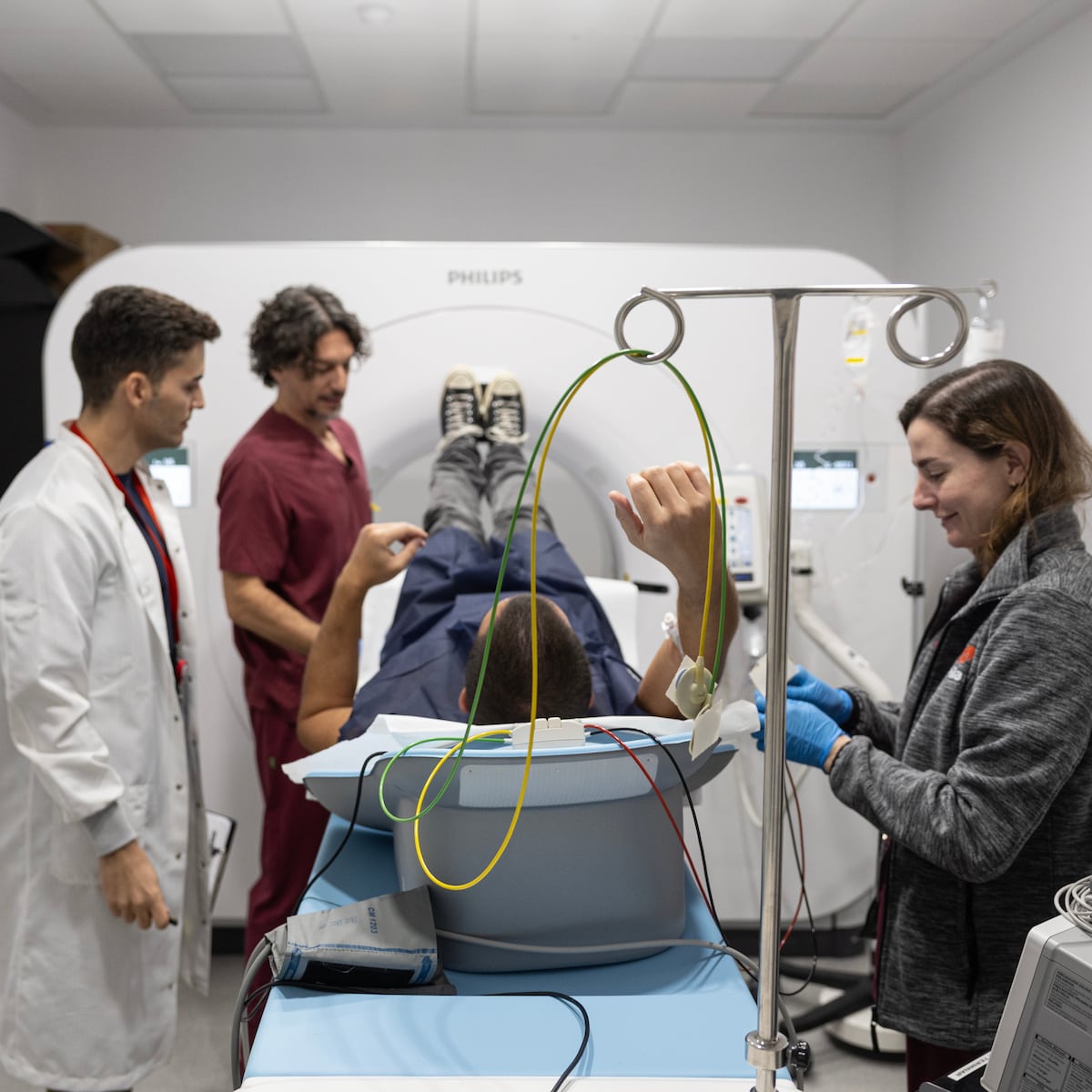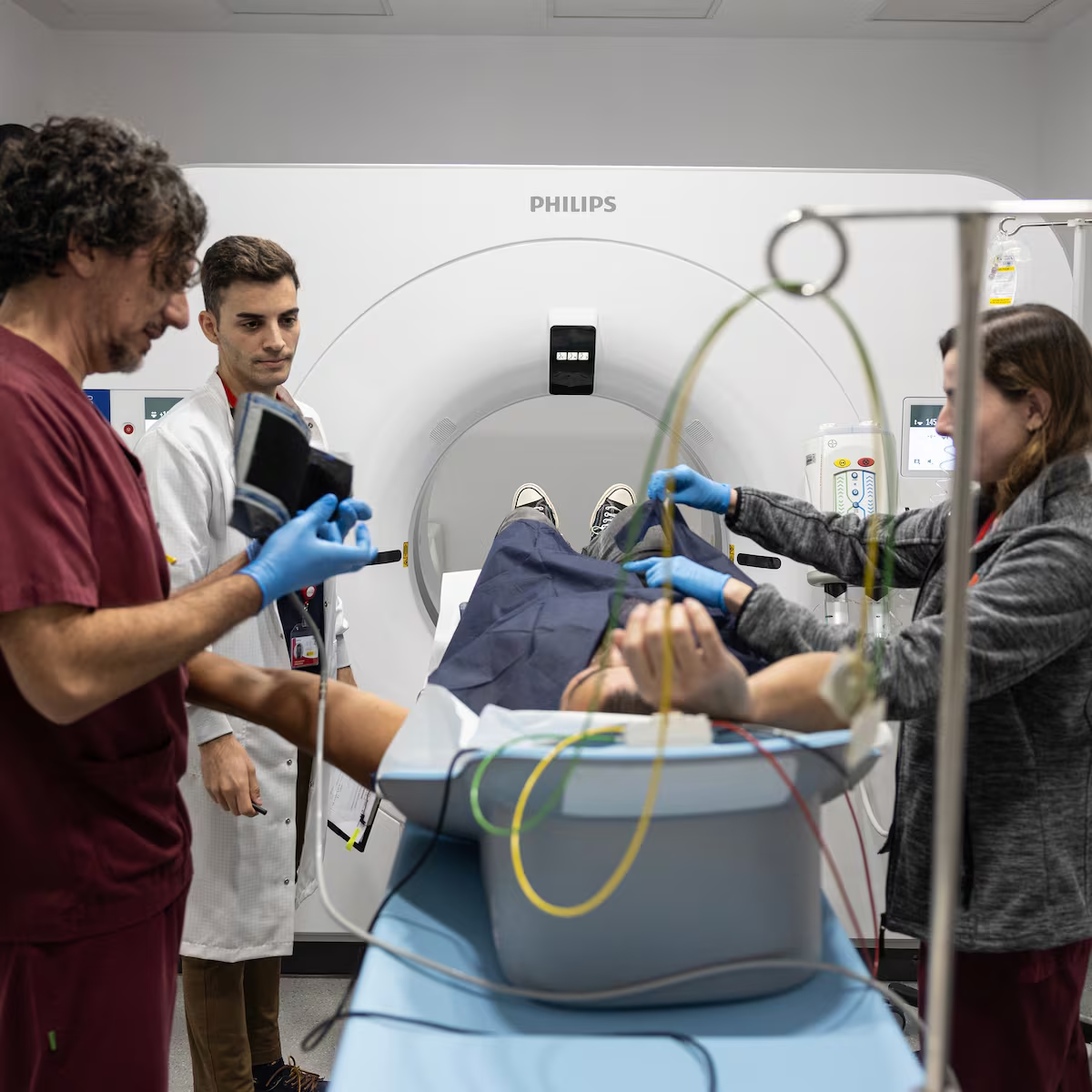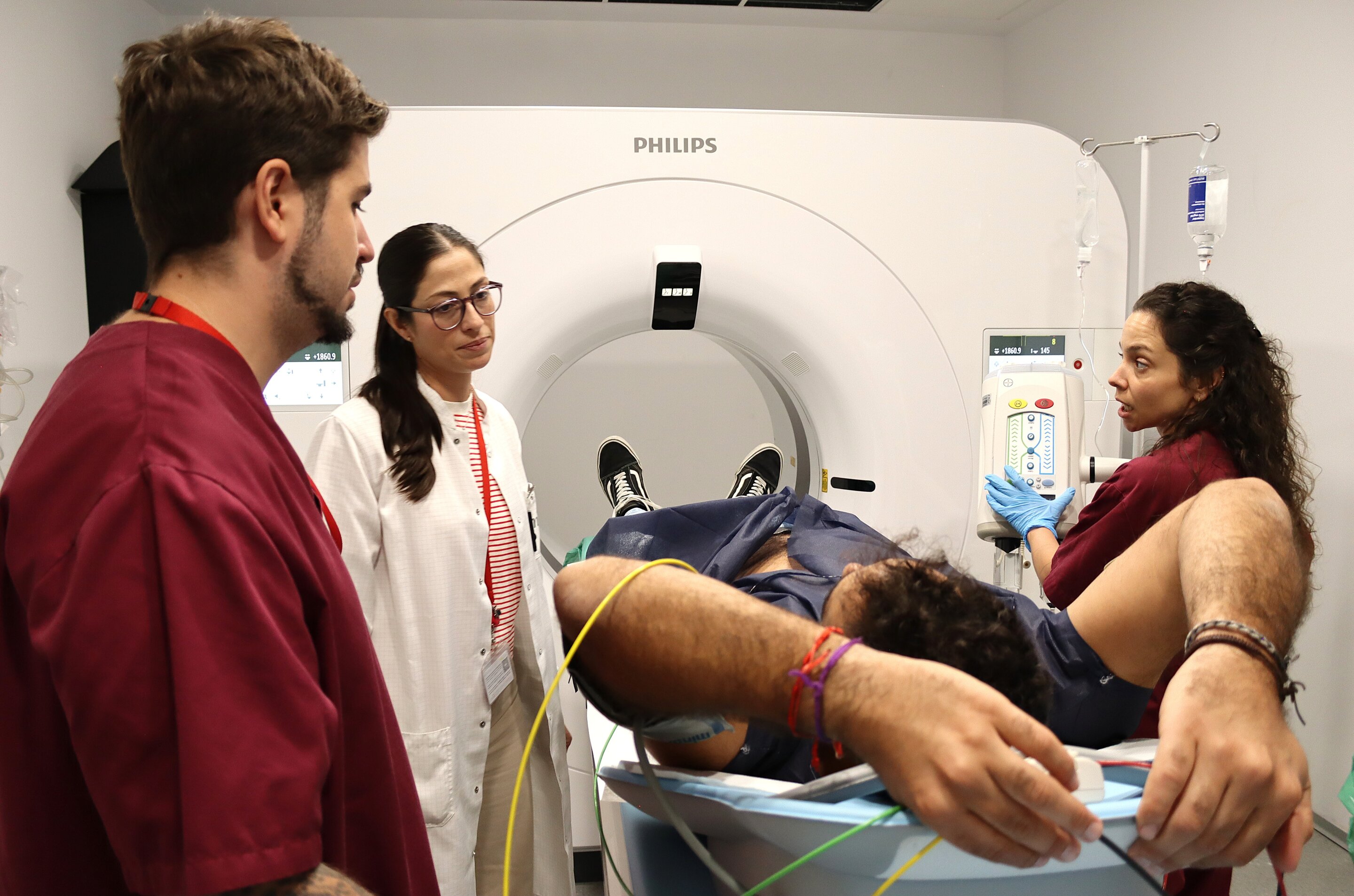
REACT study participant with members of the research team at the CNIC. Credit: CNIC
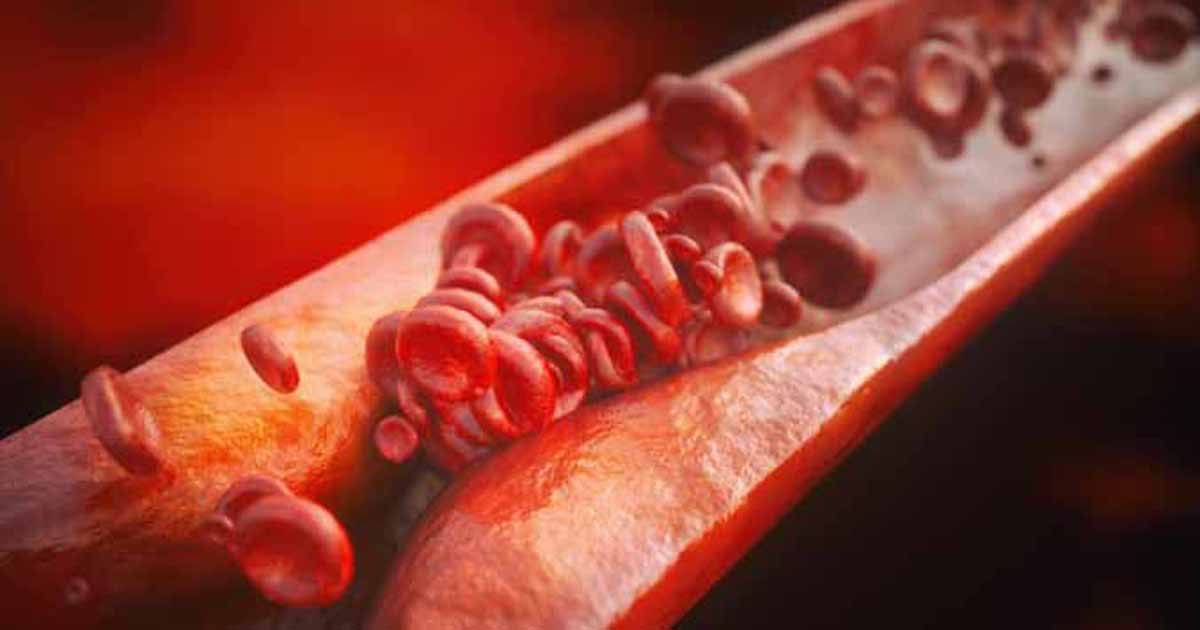
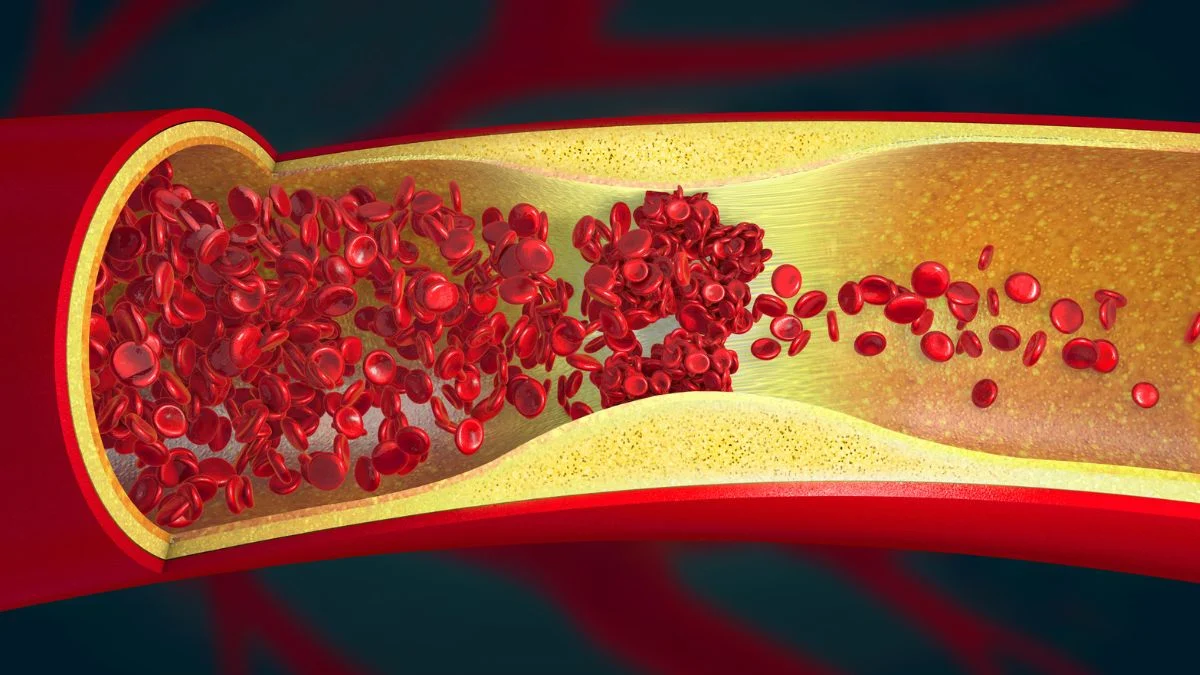
Atherosclerosis, the process underlying most cardiovascular diseases, begins long before the first symptoms appear. An international study shows that the disease can already be detected in apparently healthy young adults and is much more common than previously thought.
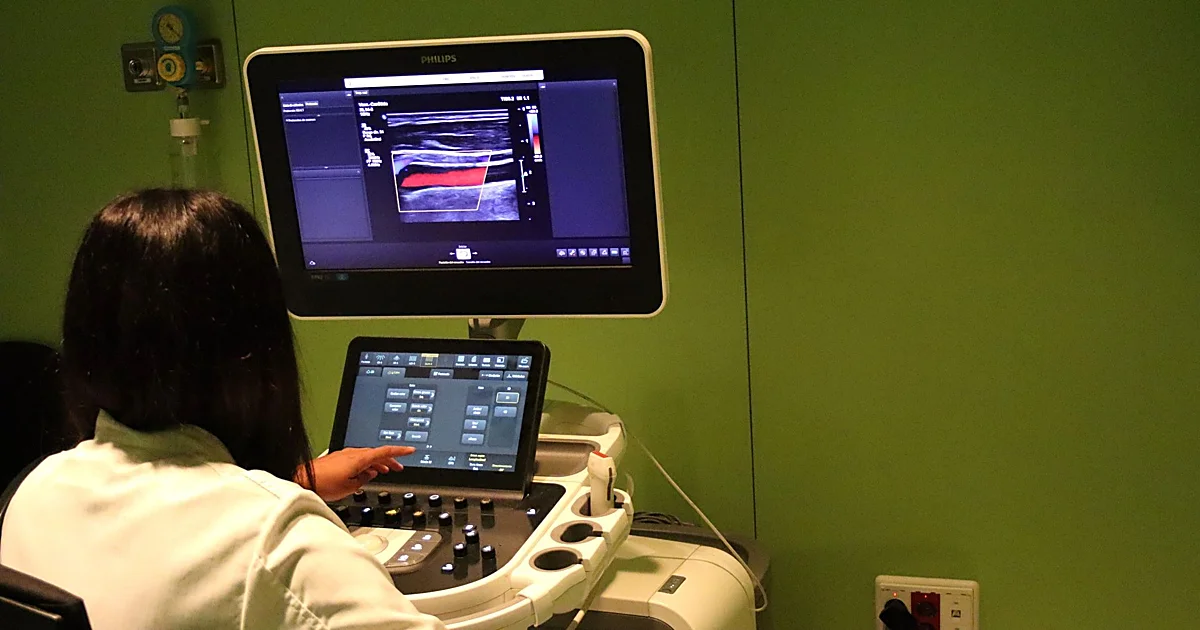
The results, presented today in a Hot Line session at ESC Congress 2026 and published simultaneously in the New England Journal of Medicine, show that 57.1% of the more than 16,000 participants included in the study had atherosclerotic plaques, despite having no symptoms or previous diagnosis of cardiovascular disease. The study was led by Professor Henning Bundgaard, professor of cardiology at Rigshospitalet in Copenhagen, Denmark, and Dr. Borja Ibáñez, scientific director of the Centro Nacional de Investigaciones Cardiovasculares Carlos III, CNIC, a cardiologist at Hospital Universitario Fundación Jiménez Díaz and a group leader at CIBERCV.
The data come from the first phase of REACT, one of the largest studies conducted to date to map the presence of silent atherosclerosis throughout adult life. REACT is an international initiative developed through collaboration between Rigshospitalet and other Danish hospitals and CNIC in Spain. Bundgaard explained that "the vision of REACT is to transform primary cardiovascular prevention through a precision medicine approach based on the early identification of atherosclerosis."