Automating resource management in Kubernetes has always required a high degree of trust. When you hand over CPU and memory sizing to the Vertical Pod Autoscaler (VPA), you expect it to rightsize containers efficiently without introducing unexpected restarts or performance regressions. Yet for many platform engineers, running VPA in production has felt like operating a black box.
Until recently, inspecting VPA decisions meant relying on standard Kubernetes events or running kubectl describe vpa. These events are transient, often expiring after an hour. If a Pod was evicted unexpectedly during an overnight batch job, or if an in-place resize failed silently due to node capacity limits, diagnosing the root cause the next morning was frustratingly difficult.
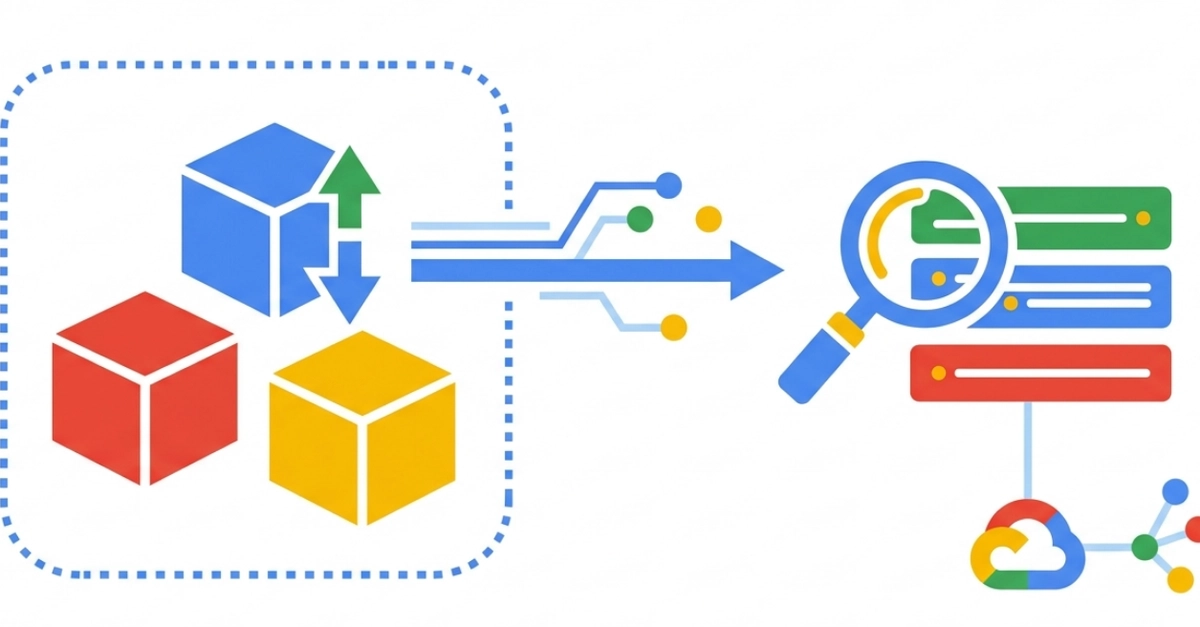
To solve this observability gap, the GKE team launched the Public Preview of VerticalPodAutoscaler (VPA) Logs. Available on GKE clusters running version 1.36.0-gke.1601000 or newer, this feature streams structured VPA decision events directly into Cloud Logging.
In this article, I will explain what VPA logs capture, how they demystify autoscaler decisions, and how you can use them to troubleshoot scaling actions and build reliable autonomous workload management.