As the FBS season starts on Saturday, judges across the country are making decisions that alter college football team rosters and playing time opportunities for both newcomers and former college stars who, despite some joining NFL teams, want back in.
It’s a strange world. And it’s not one that the NCAA, a power conference or even court—save for the U.S. Supreme Court—can resolve in time for the 2026 season.
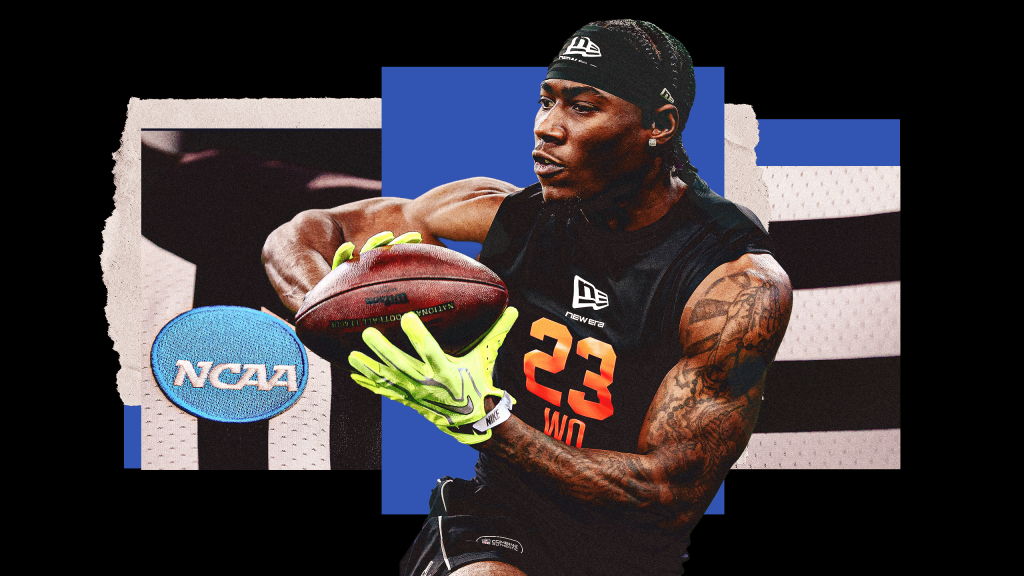
On Thursday, Dallas County district judge Martin Hoffman granted a 14-day temporary restraining order to Dallas Cowboys rookie wide receiver Jordan Hudson and more than three dozen other athletes across different sports who began college play in 2022–23, completed four years of NCAA eligibility, graduated or otherwise completed their college time and now seek to play an additional NCAA season. During that additional season they could earn potentially millions of dollars in NIL and revenue-share money, as well as further develop their skills in hopes of starting or resuming a pro sports career.
Hudson, 22, signed with the Cowboys as an undrafted free agent after playing four seasons, first at TCU and then SMU. He was named third-team All-ACC last year.
The player-plaintiffs object to the NCAA changing its eligibility rules in June to allow up to five years of eligibility but not retroactively extending the five-season benefit to athletes who graduated high school in 2022 and have already completed their college careers. Hudson and others are represented by attorney Ryan Downton, who has successfully litigated eligibility cases on behalf of former Vanderbilt star quarterback Diego Pavia and others and extended their careers past when the NCAA said their time was up.