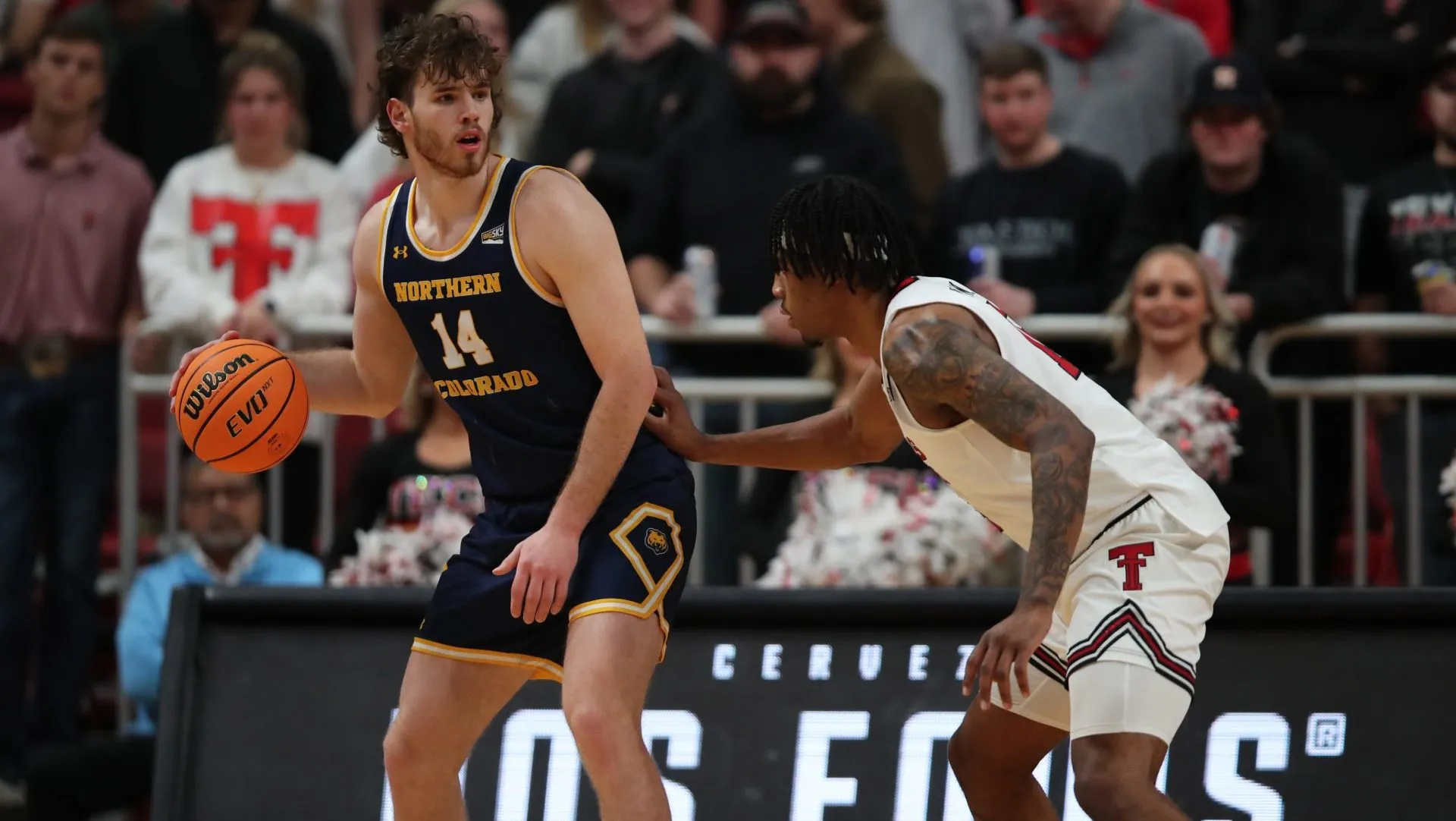
As a college sports coach, it’s almost always reasonable to assume a Friday night in late July will be an off-night. No one is in season since football training camps don’t start until August, rosters and revenue-sharing budgets are set, and there’s no transfer portal window to obsessively track.
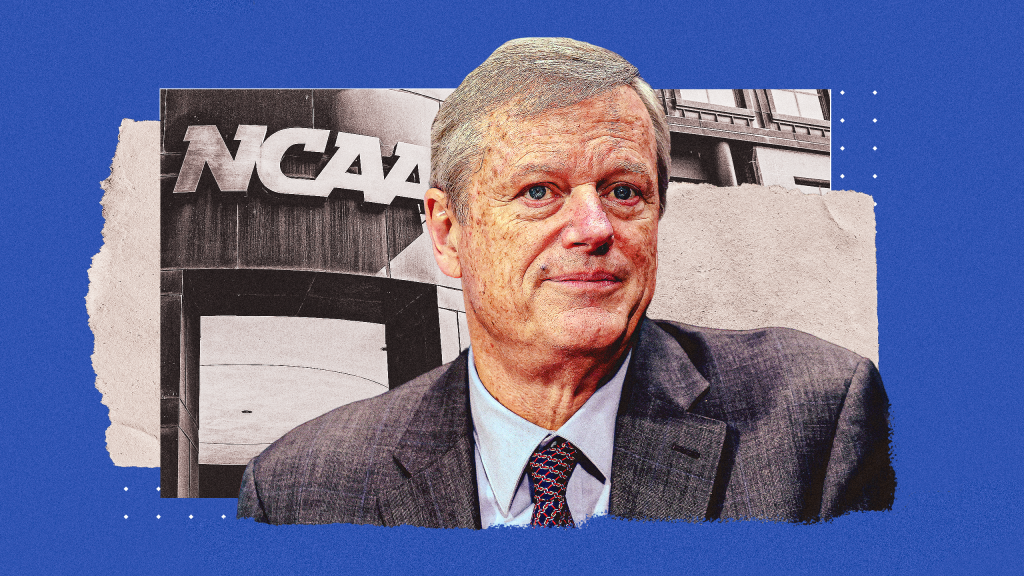
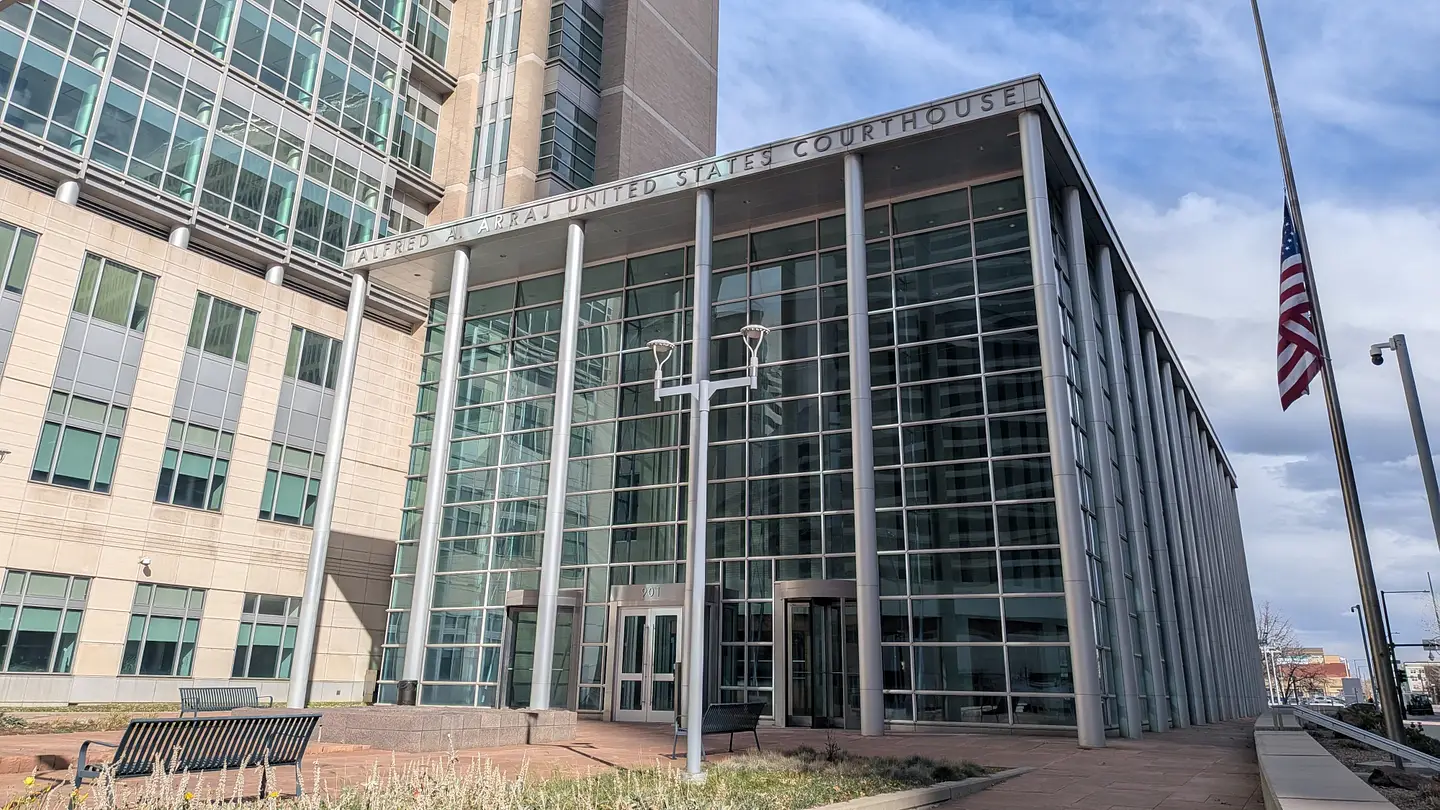
But on Friday, July 31 at about 7 p.m. ET, Colorado district court judge Charlotte Sweeney granted a preliminary injunction in the case Wisne v. NCAA, which upended college sports. The ruling essentially forced the NCAA to immediately allow all players who entered college in 2022, but who had exhausted four years of eligibility, a fifth year to compete.
Thousands of players immediately became eligible to join an NCAA team in every sport.
“I think I found out how everyone else found out—social media. Someone texting me a Twitter link,” one SEC football GM told Front Office Sports, who added that not only were they off duty, but their compliance directors were away on vacation. Another source in the athlete-compensation space told FOS they were “hanging out with coaches” Friday night when “things were afoot.”
Their once-quiet evenings now turned upside down, coaches in virtually every sport scrambled to determine how the late-night ruling could give them an unprecedented roster opportunity. Agents raced to market players they thought wouldn’t have another shot at NCAA sports. NIL operators sprang into action, brainstorming how to fund extra players.