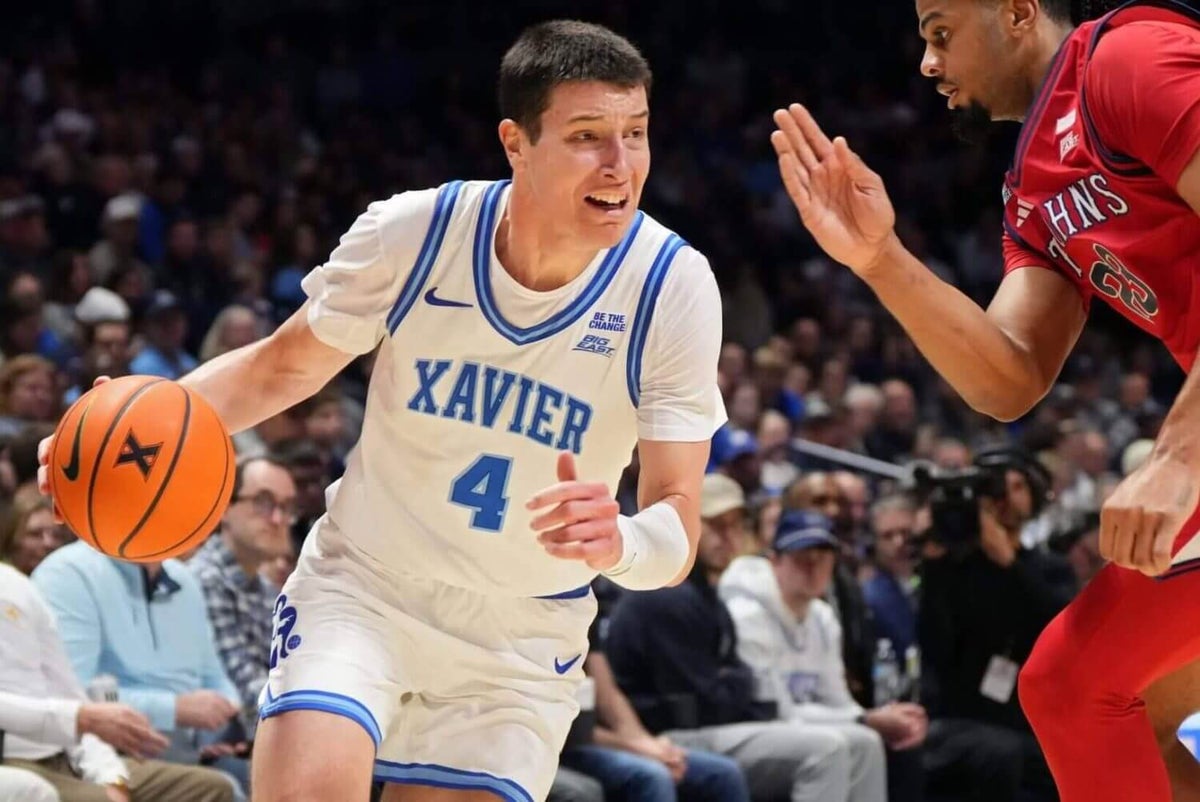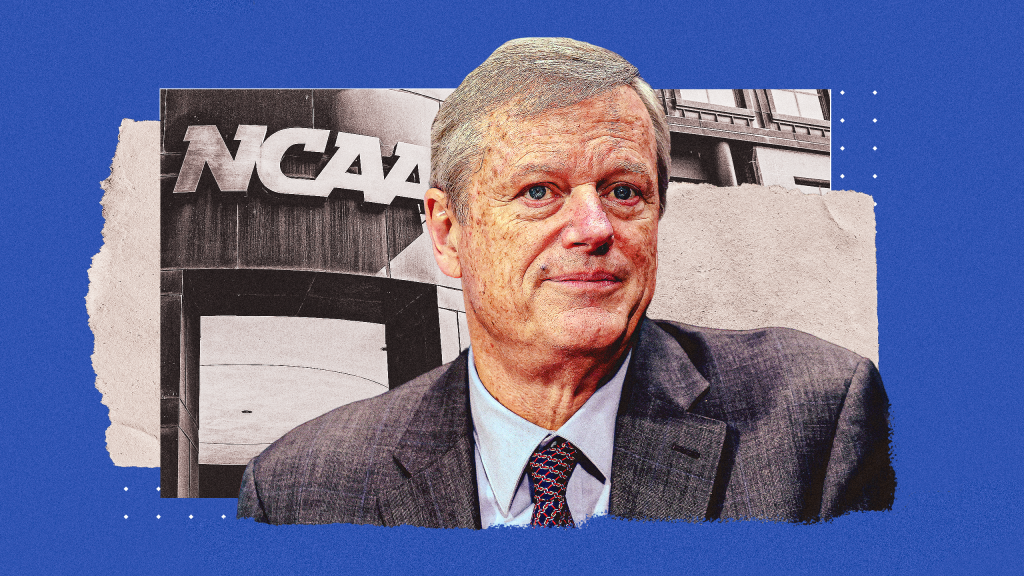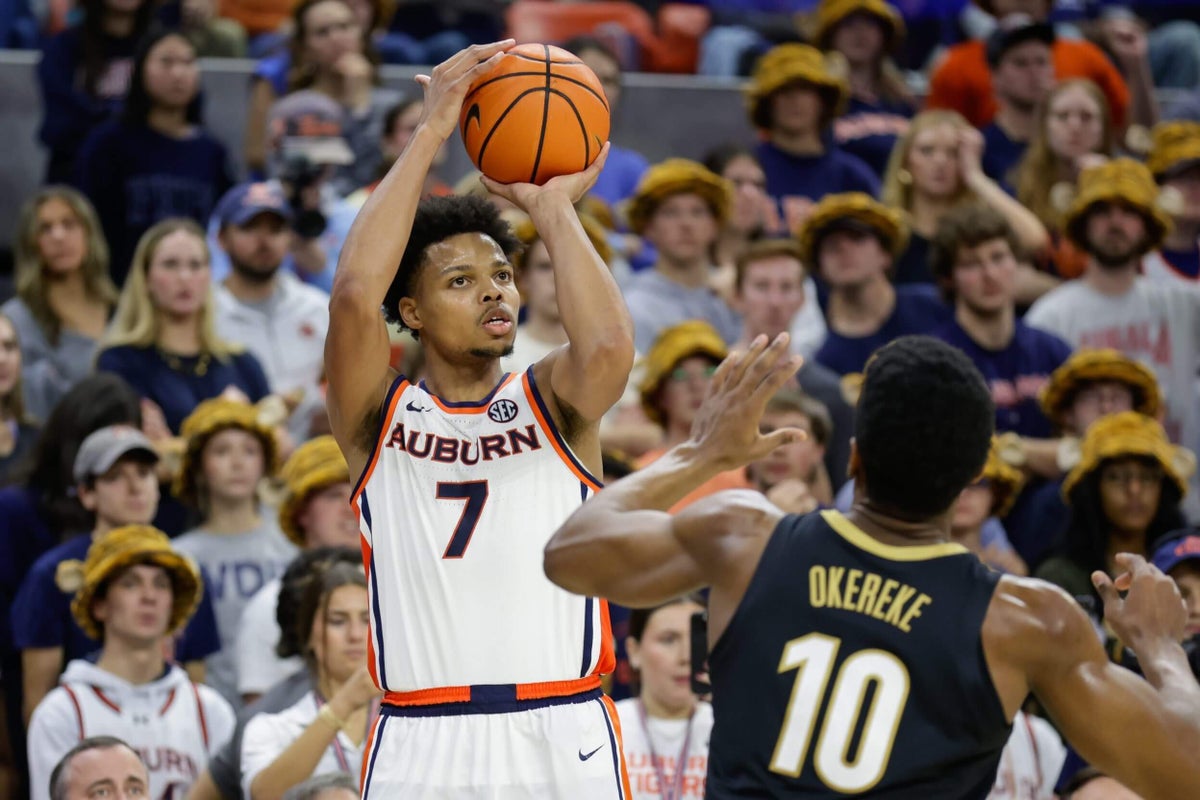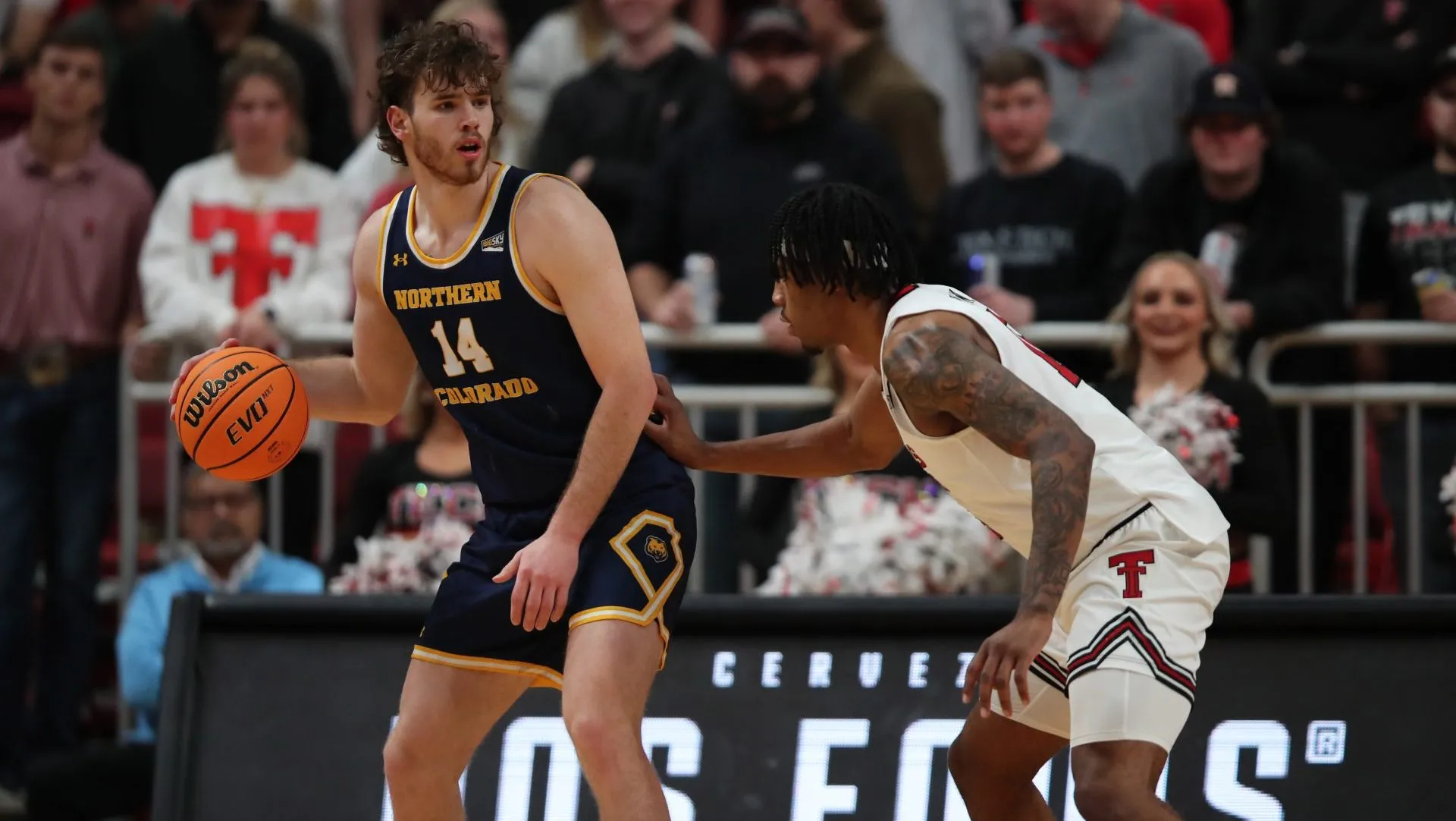
The first week of August is supposed to be the quietest week on the college basketball calendar. July high school recruiting is over. Summer practice is either done or wrapping up shortly at most schools. If there’s a time for a vacation, it’s often around this time. And yet, in very 2026 fashion, coaches across the country have spent the last 72 hours scrambling. A Friday evening injunction granted by a federal court in Colorado has (at least temporarily) given eligibility for the 2026–27 season to players caught in the middle of the NCAA’s shift to an age-based eligibility model. A few dozen players had already been successful suing the NCAA in state courts, but the Colorado ruling blew the doors wide open. As a class action lawsuit, the Colorado injunction applies to all players who fit the criteria rather than just the specific players named in the state-level lawsuits. Unsurprisingly, graduating players are eager to get back into the college game. Even in a market largely tapped financially compared to where it was in April, there’s still more money playing in college than these players would have access to anywhere else in the world if not making an NBA roster. And even if the money isn’t great, the quality of life in college is better than it would be playing overseas. It’s not out of the question that multiple players who were drafted into the NBA this June and were set to sign two-way contracts will come back to college, and certainly players below that want in as well. The NCAA is hell-bent on fighting these rulings. In a letter to membership sent out Saturday, the organization’s chief legal officer called the Colorado decision “egregiously wrong.” The association has appealed the Colorado ruling and pushed back on some of the initial losses suffered in state court. Some legal experts weighed in that the NCAA’s chances of getting the Colorado ruling overturned are actually fairly strong. Notorious college sports attorney Tom Mars tweeted Saturday that the court where the appeal will be heard has “a unique track record of disfavoring mandatory injunctions.” Even if the Colorado appeal is successful, the chances that the NCAA will successfully keep all 2022 high school graduates from playing college sports this season are slim. The state court rulings seem more durable, and more lawsuits with dozens of other players involved are in progress. There could be even more suits at the state level should that Colorado ruling no longer stand. All seniors might not be able to come back, but plenty will. If that’s the case, it’s time for the NCAA to stop fighting. Admit the rollout of the age-based model was flawed, and let all 2022 high school graduates play one more year. Such a move would reward the least-prepared programs in college basketball, providing them a lifeline to add talented players potentially at a discount and save their seasons. It’d change the season outlook for tons of players around the country, players who’ve spent the summer practicing with their teams and earning a role just to have it taken by a newly eligible ace in the hole. Frustrating as it may be though, it’s the only path forward for a fair and equitable season. The NCAA’s core job is to administer championships. It’s the only job the organization seems actually good at. The idea of having potentially hundreds of players spending a season in limbo, eligible under a wide patchwork of different state court rulings that could shift at different times, is a mess for crowning a fair champion. If some teams have access to fifth-year players, all teams should. And they should have access to them now, with a window (albeit brief) to get them into school ahead of fall semester beginning and integrated to their teams during preseason practice. The idea of conference title races or national championships being decided based on who has the ability to take certain fifth-year players and who doesn’t is no way to run a sports league. The idea of some of those players potentially losing eligibility midseason (and inevitable calls for forfeits of games those players played in afterward)? Also no way to run a sports league. This is a much different situation than the blanket waiver the NCAA seemingly regrets giving out to former juco athletes in the wake of the Diego Pavia lawsuit. It doesn’t set a precedent the NCAA seeks to later unwind; these are the rules the NCAA wants to operate under moving forward. Clearing all fifth-year players now shuts down the lawsuits and allows everyone to move forward under the same rules. It’s the cleanest way forward in a situation with no easy way out. Unless, of course, the chaos is the point. Ryan Downton, one of the lawyers who has most aggressively challenged the NCAA on this issue, suggests the organization wants to lose in court as ammunition to get its prized Protect College Sports Act through Congress. Consider me a strong skeptic of that theory, in spite of NCAA president Charlie Baker’s repeated pleas to get the bill passed in every statement after losses in court. I do think, however, that the NCAA is happy to make life as miserable as possible for the schools that recruit these fifth-year players. The NCAA can’t directly punish the schools for playing them. Most, if not all, of the rulings have also enjoined the NCAA’s rule of restitution, preventing retroactive punishment for a player competing under a court order. The NCAA’s greatest deterrent at its disposal is making life as annoying as possible, forcing the schools to live under fear that their player could be taken off the floor at any time.That may be slowing this market down some, but it has hardly stopped the action. Tennessee added center Jalen Washington (who is a candidate to earn a starting role) Monday. RJ Godfrey, who projects as Arizona’s starting power forward, signed with the Wildcats over the weekend. Oregon added a potential starter at center in Malique Ewin. Cincinnati and Xavier each added projected starters as part of a lawsuit in Ohio that first got the ball rolling in early July. And a flurry of further action is expected in the coming hours and days. Not every player who can come back to college will, but conservatively a few dozen impactful players for high-major teams will commit to schools this month. Having that critical mass of players existing in uncertainty for the next several months is untenable.What does it say about the current state of college athletics that so many schools are so willing to recruit players the NCAA insists are ineligible? Nothing good, but that’s a problem the NCAA should attempt to solve another day. The NCAA is doing itself no favors by causing headaches for schools over seemingly harmless violations, like the two-game suspension it dealt Tennessee linebacker Arion Carter over a $400 plane ticket or holding up eligibility cases for international players who’ll make five to 10 times their “professional” earnings in one year of college. The unwillingness to give up the fight over this wave of graduates attempting to play one more year is the latest example. The fight is no longer worth it, and the more the organization kicks and screams the more legal body blows it may take. Being at this point in early August is ideal for no one involved. Players assuredly wish they had been able to take advantage of the ripping portal spending of April and early May rather than getting the scraps. Coaches hate the idea of the tough conversations with boosters asking again for more money, or even tougher conversations with current players about scaled-back roles. The NCAA would love to have some rule-making authority that isn’t challenged in the courts every week. There was a good reason behind not grandfathering in this class of seniors: No one wanted this type of midsummer roster chaos, especially after players and teams made decisions in April accordingly.But the chaos is here, and at this point it’s unavoidable. So in the interest of having a season with a shred of competitive balance, it’s time for the NCAA to wave the white flag and let the fifth-years play.More College Basketball From Sports IllustratedListen to SI’s college sports podcast, Others Receiving Votes, below or on Apple and Spotify. Watch the show on SI’s College YouTube channel.Add us as a preferred source on GoogleFollow
The NCAA Should Admit Defeat on Fifth-Year Eligibility Rollout
As more players regain eligibility through the courts, a blanket waiver has become the only practical solution for the 2026–27 season.
1,408 words~6 min read