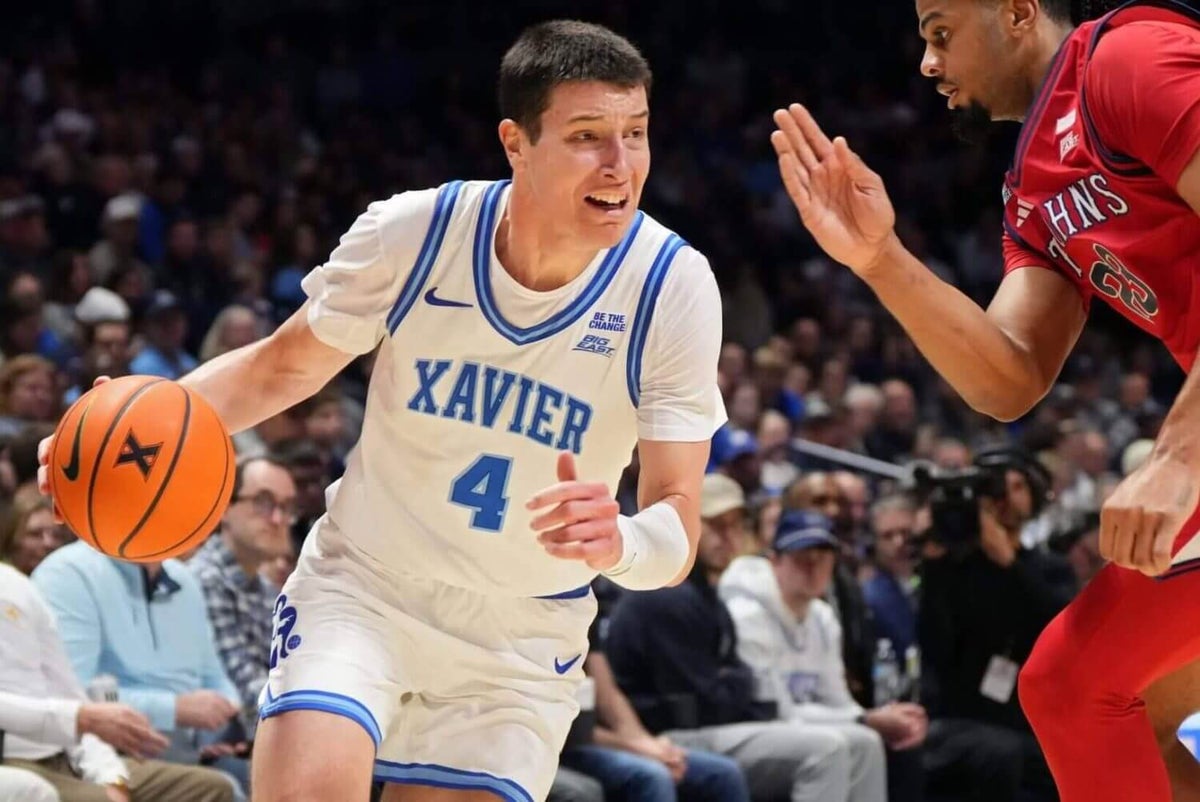
NORTH AUGUSTA, S.C. — College basketball coaches are preparing for a summer free-agency window they didn’t expect — and aren’t sure they agree with.Two weeks ago, an Ohio judge granted a temporary injunction to 15 Division I players from the class of 2022 whose eligibility expired after last season, cracking open the window for them to play another season of college basketball. Those players — including All-Mountain West guard MJ Collins, who has since transferred to Cincinnati, and Xavier forward Filip Borovicanin — are suing the NCAA over the governing body’s new age-based eligibility rules, colloquially known as “5-in-5.” Since the Ohio ruling, several more lawsuits have been filed in other states, most recently one in California involving 45 players, including former UCLA guard Donovan Dent and Michigan State big man Jaxon Kohler.Major questions remain: Will these players actually be eligible? Are coaches and teams willing to gamble on that? And which teams still have available scholarships and resources to commit to these suddenly available players?Should they win in court, a substantial number of players — all veterans with four years of experience — will reenter the college basketball pool at a time when most programs believed their rosters were already set.The Athletic surveyed 25 high-major coaches at Nike’s EYBL Peach Jam this weekend — all of whom spoke on the condition of anonymity so they could speak candidly without disclosing their recruiting strategies — about the new group of eligible players, and the only clarity we found is that there is none.Why there may not be a AJ Dybantsa-level player in the 2027 classBrendan MarksThe NCAA has said it will seek a reversal of the injunction in Ohio. An NCAA source, speaking on condition of anonymity because they were not authorized to speak publicly on the NCAA’s strategy, told The Athletic that the NCAA does not plan to offer a blanket waiver, even if court rulings continue to go in the players’ favor, but admitted the NCAA has only so much enforcement power if judges rule otherwise. The source added that the NCAA anticipates more lawsuits leading up to the 2026-27 season, timed so that the injunctions will clear in time for the start of the season and the wave of lawsuits will make it difficult for the NCAA to appeal them all.
College basketball eligibility lawsuits created a summer free agent class. Now what?
A wave of players just won another year of eligibility with more to come. We asked 25 coaches what they think, and their opinions vary.
1,098 words~5 min read