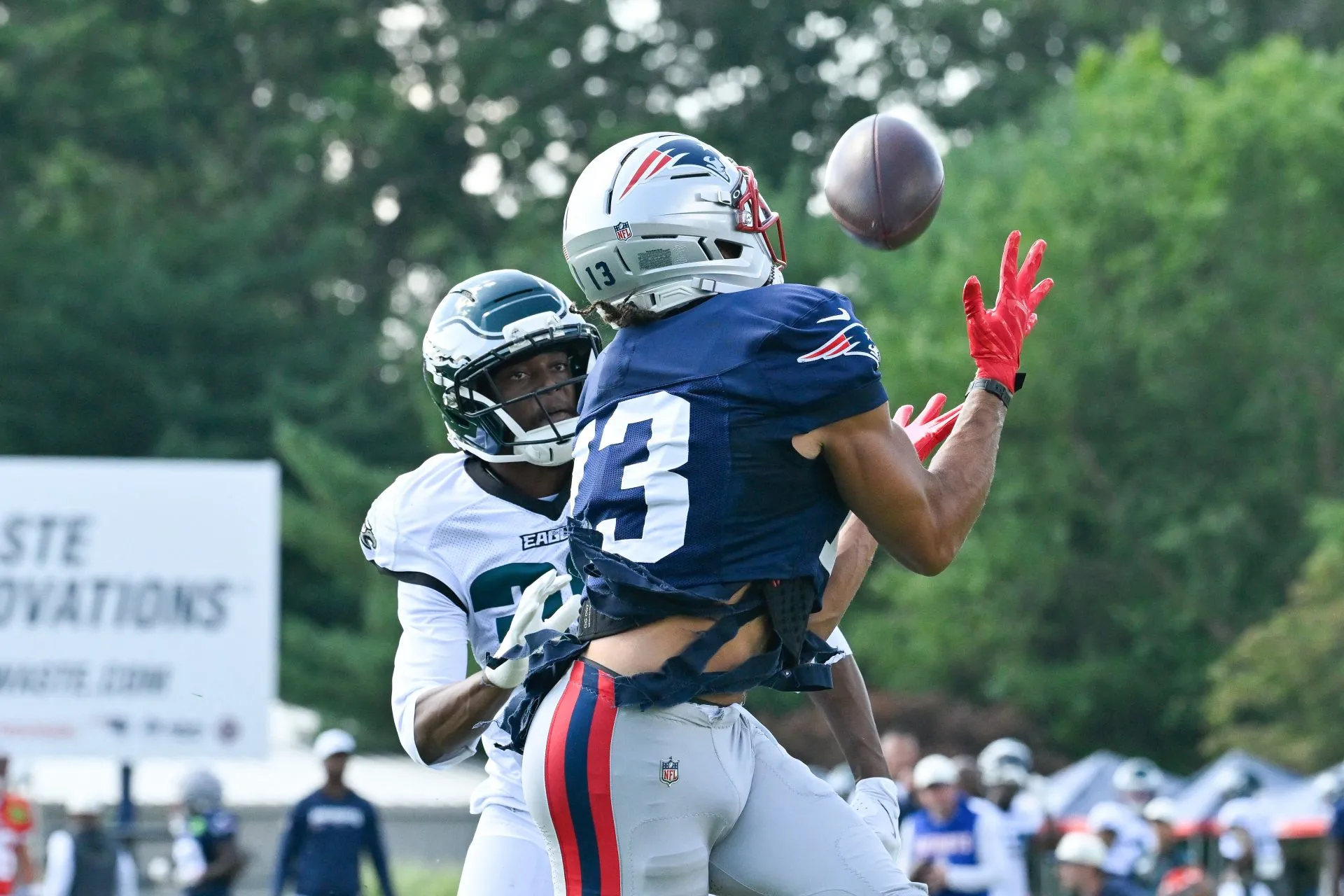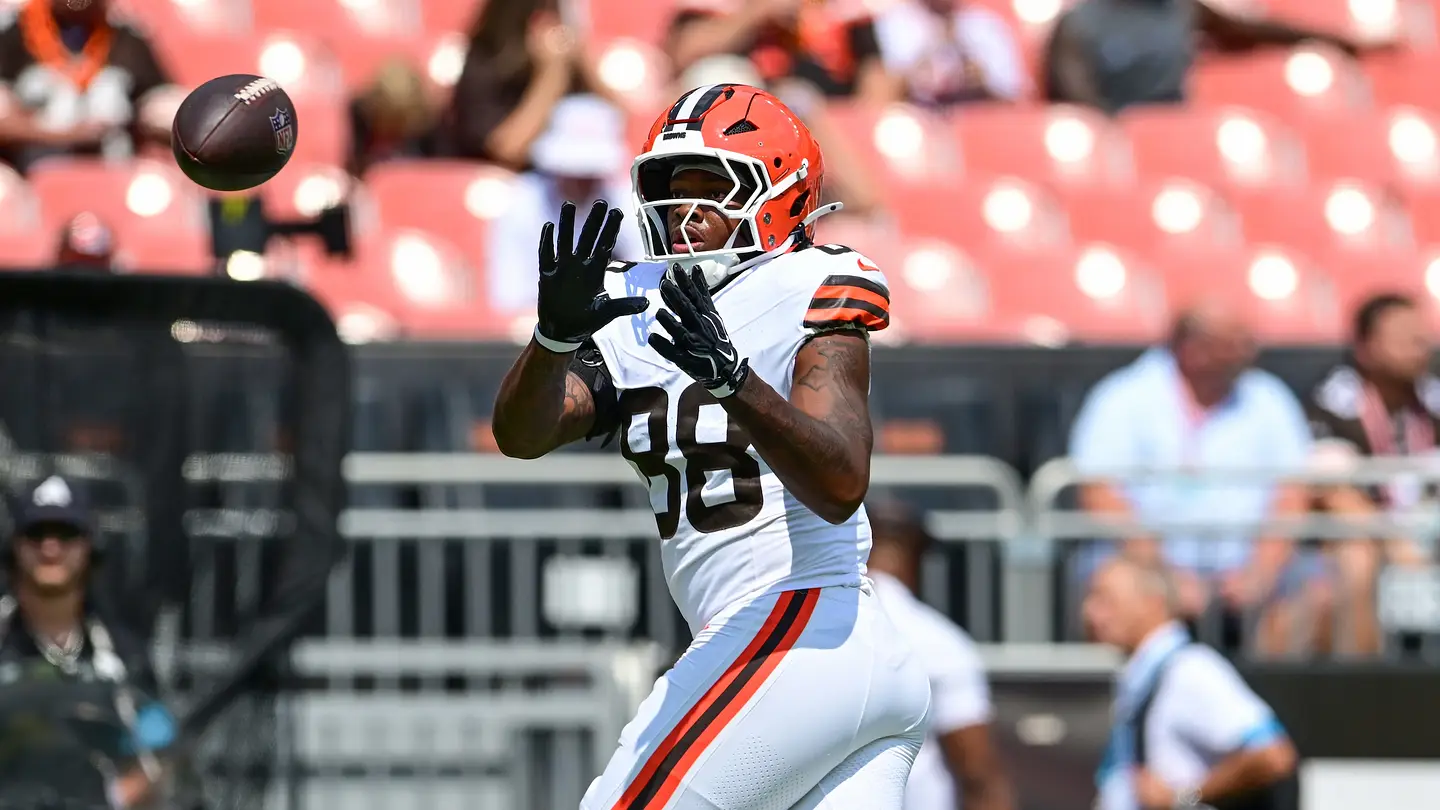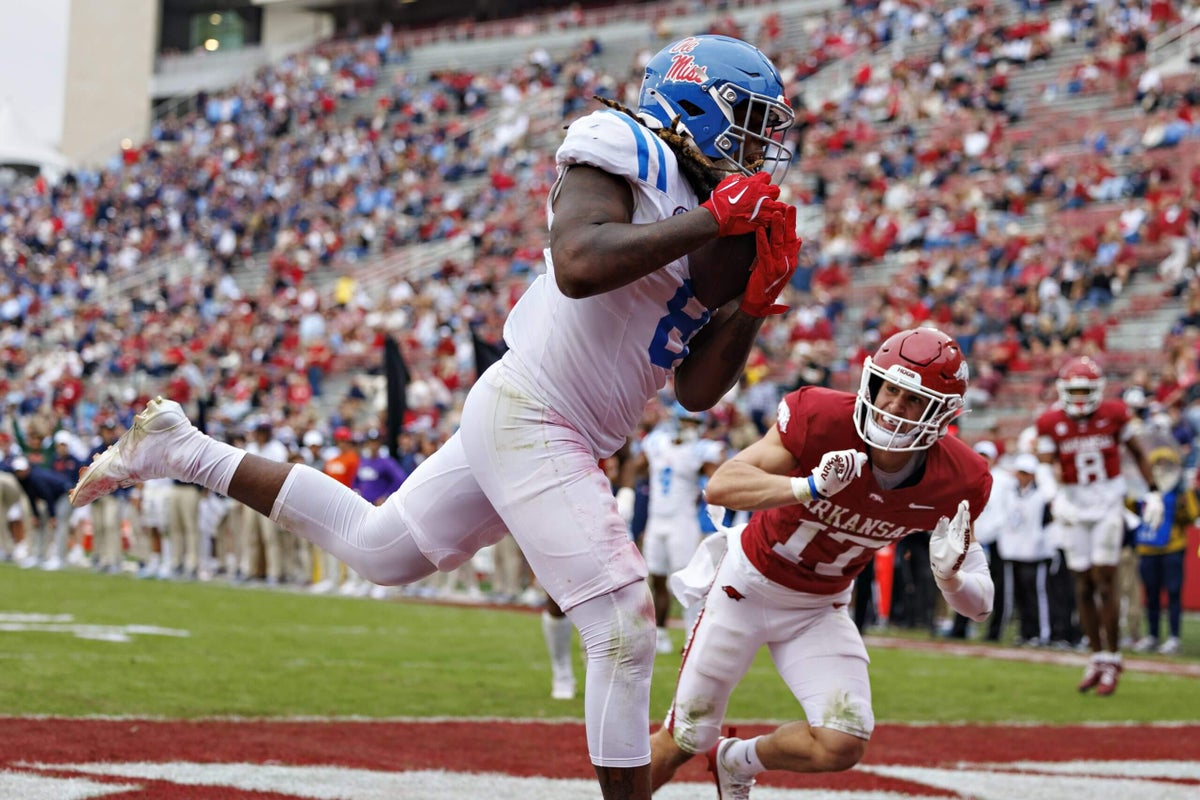
Just over a week ago, a local judge in Baton Rouge handed down a temporary ruling that sent shock waves across college football: A group of NFL players could return to college this season.
College sports has undergone plenty of change throughout the past six years, from unrestricted transfers to NIL and revenue-sharing rights. But the ruling opened up a previously unthinkable possibility that professional football players could somehow regain college eligibility.
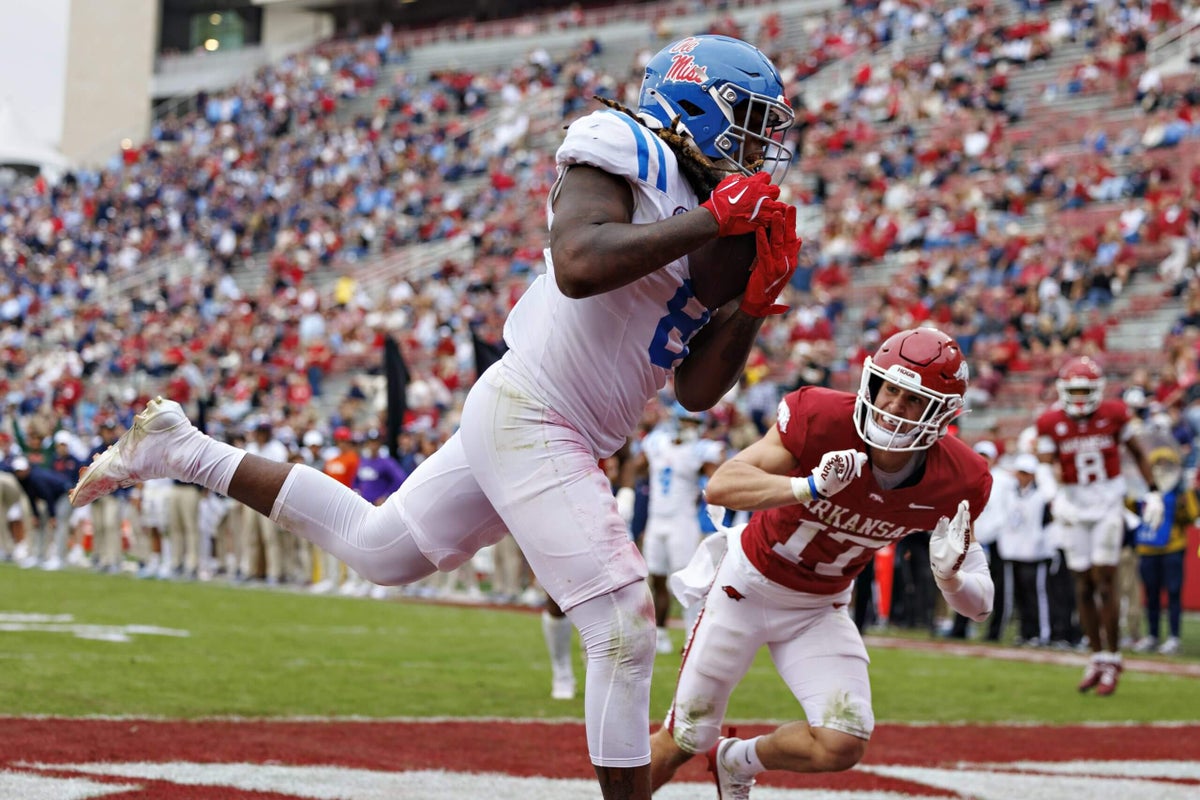
Two of the plaintiffs in that case, Dae’Quan Wright and Zxavian Harris, were scooped up by LSU. If another plaintiff, Jack Pyburn, gets cut from the Tampa Bay Buccaneers, he’ll also return to Baton Rouge, according to court documents.
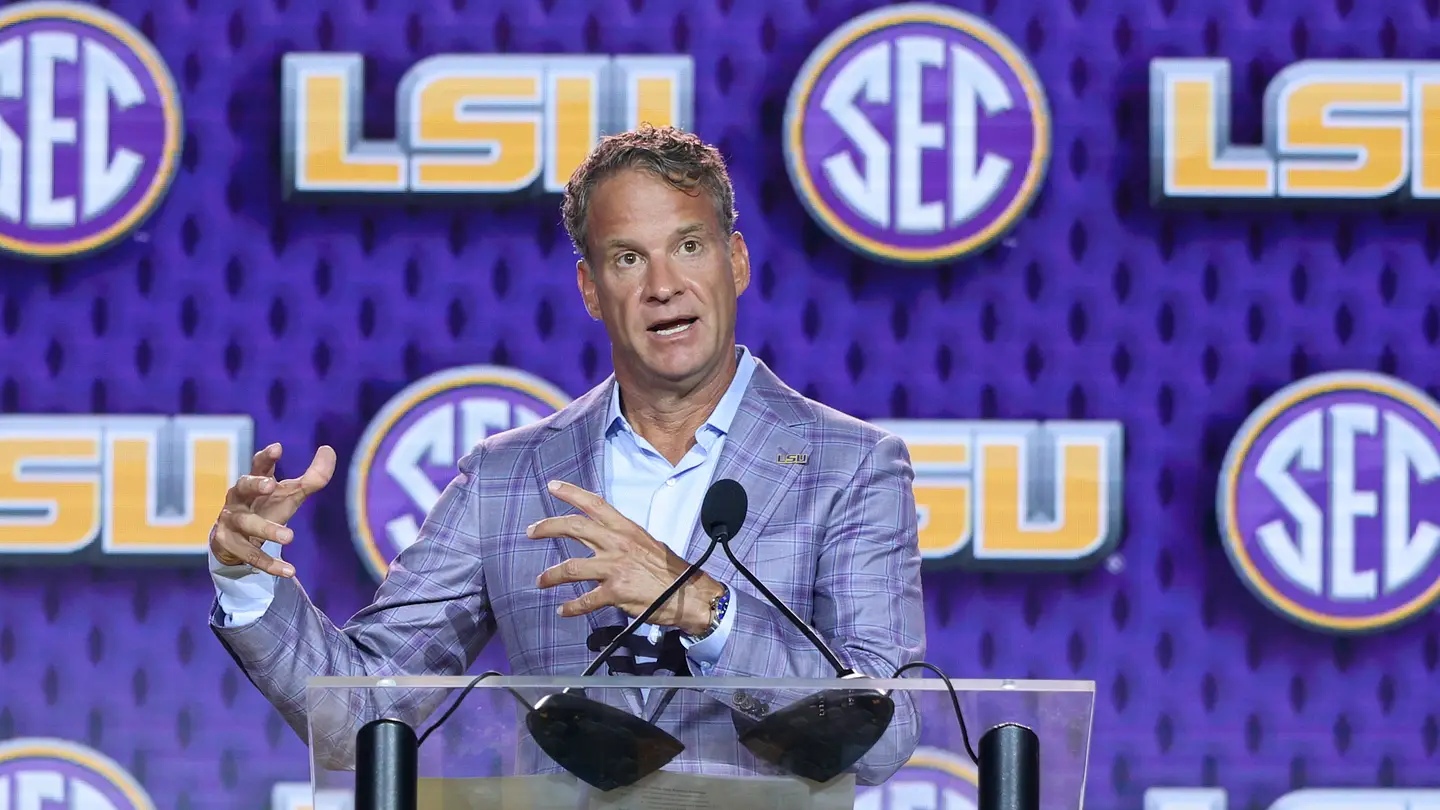
Since then, other NFL players have scrambled to determine whether they, too, could return to college—and some have since filed lawsuits. Meanwhile, conferences fought back, announcing a wave of policies aimed at preventing pros from coming back to college even if the NCAA couldn’t. Players initiated legal action to strike down the SEC’s new policy; LSU is expected to support them.
The situation has set up a seismic legal battle over whether conferences can enforce basic eligibility rules, like preventing professionals from returning—one that could have ripple effects across football and even the entire college sports landscape.