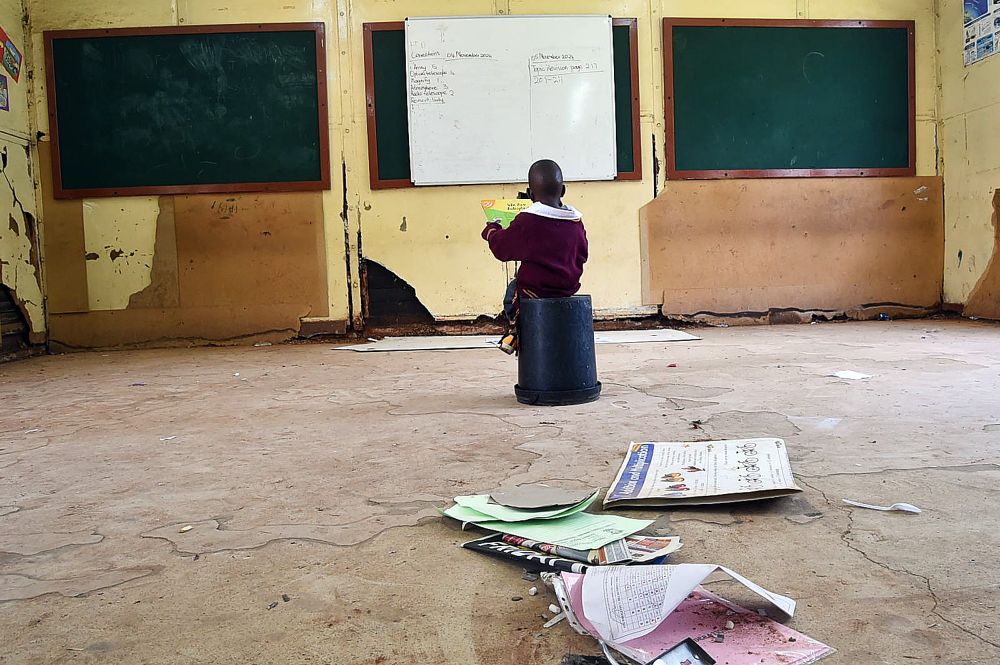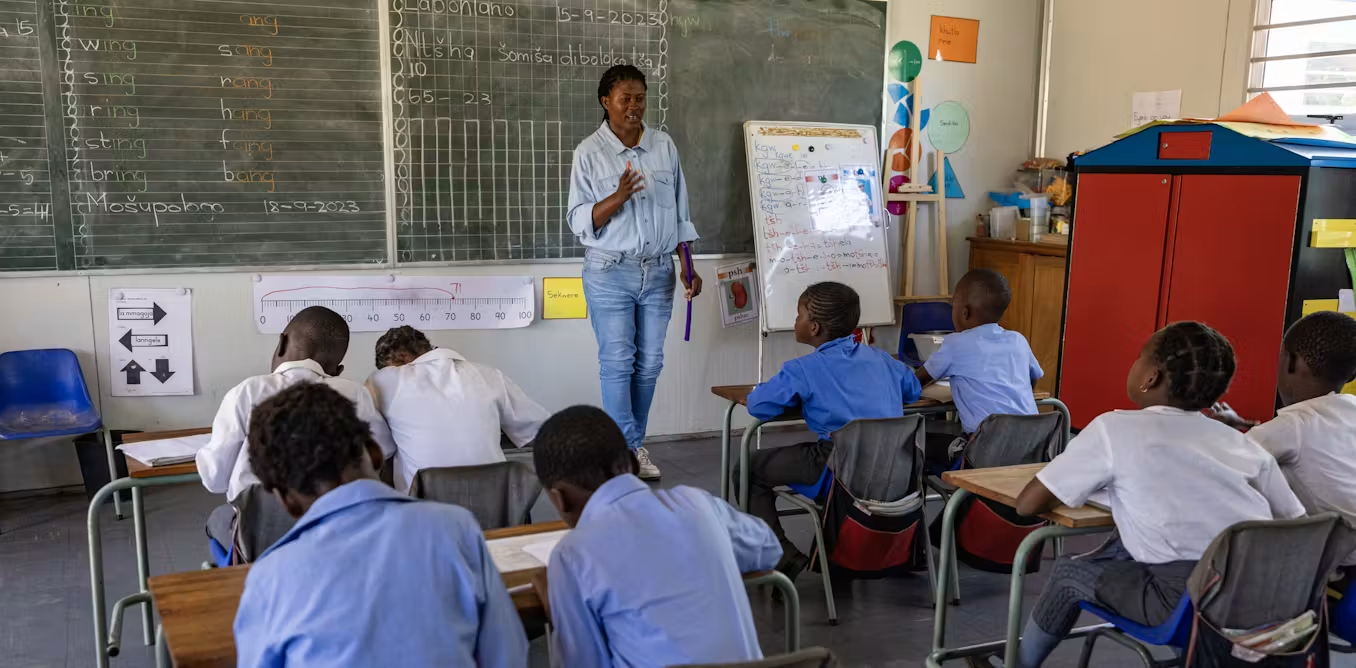
South Africa’s education system is often said to be outdated, failing to equip learners with an adequate amount of life skills for their post-matric endeavours, whether they go straight into the workforce or choose to further their education in tertiary institutions. In my opinion, multiple studies confirm what we as learners already see: students from schools with outdated curricula tend to struggle and are more likely not to succeed in the course or trade they choose to pursue.
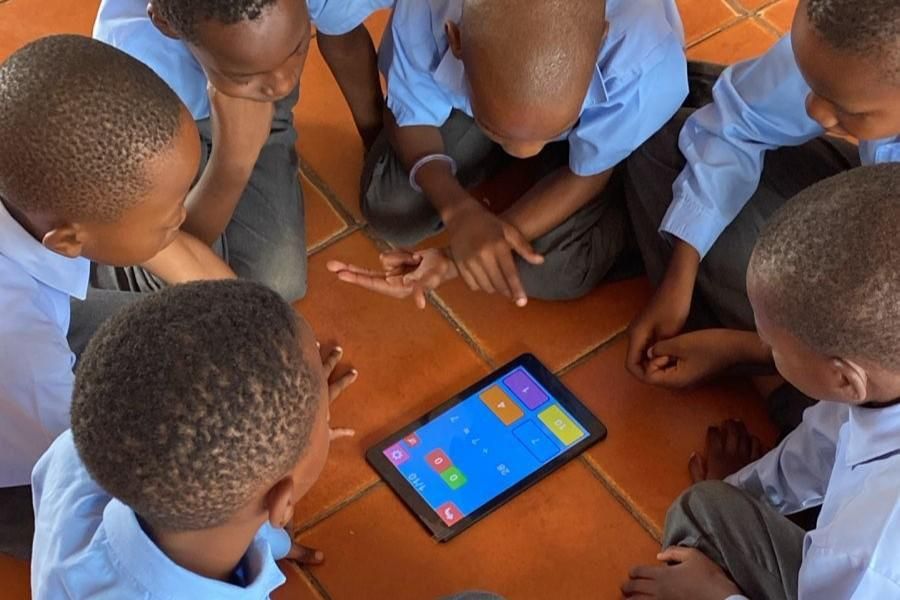
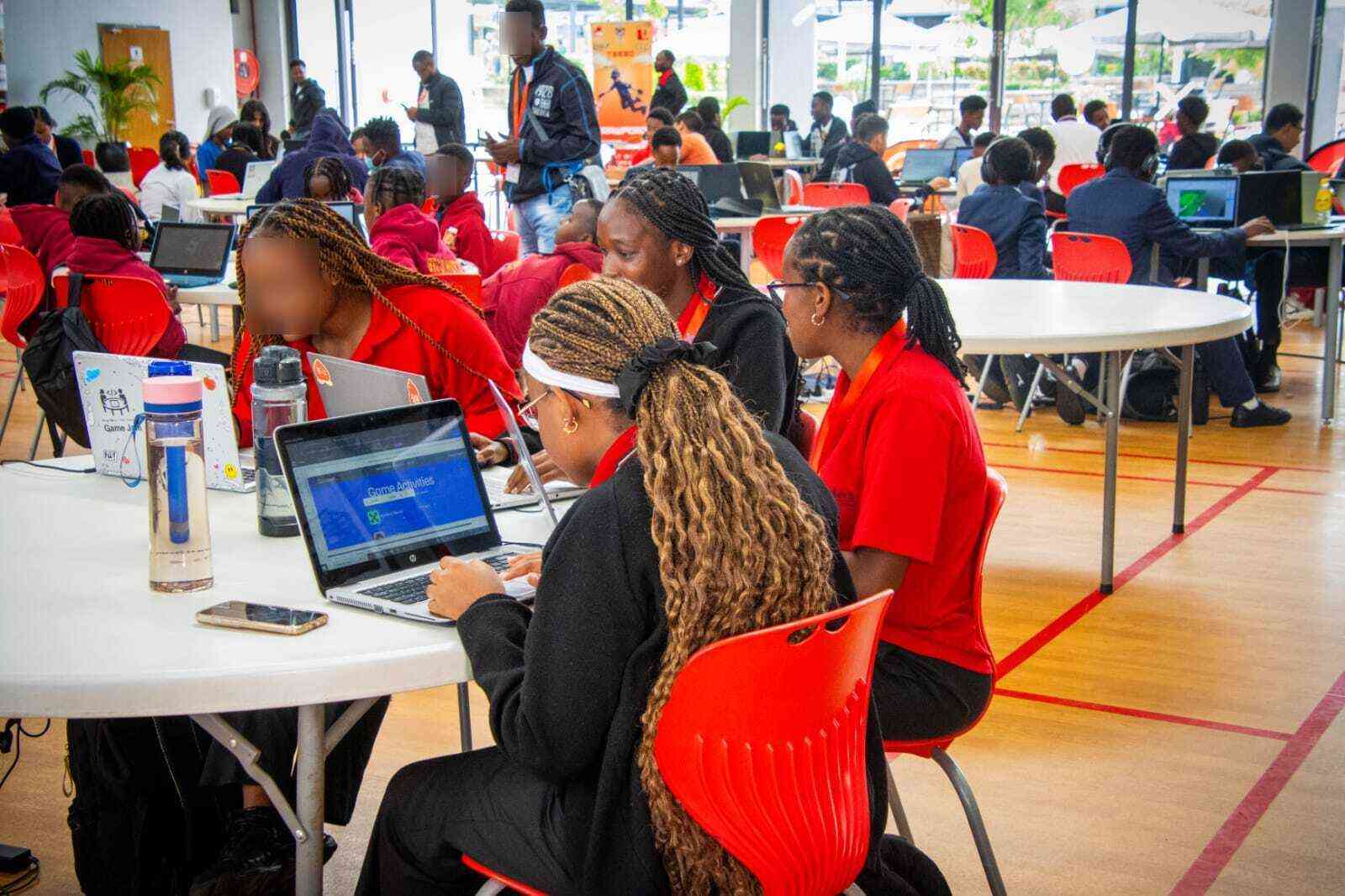
As students, we need not only to be taught the basic curriculum, but also to be given a chance to enhance the real-life problem-solving skills needed to prepare for the challenges of the twenty-first century. In my view, the future of education depends on our ability to use technology, not just as a tool, but as a driver of real change.
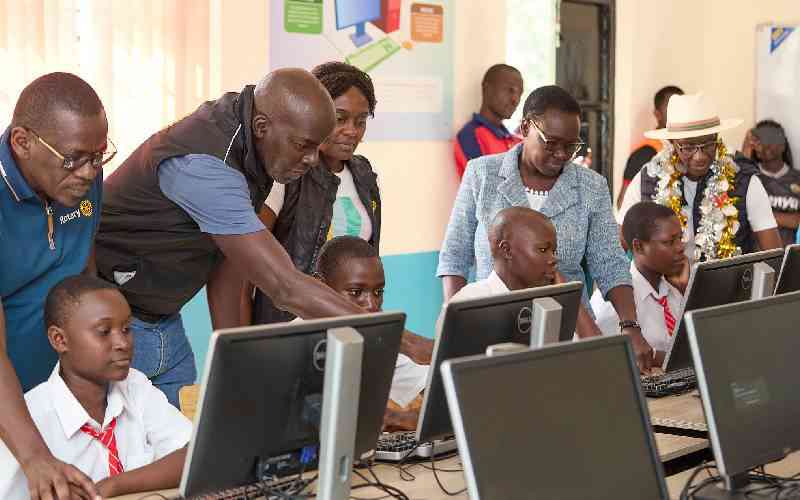
The use of technology in classrooms has the ability to broaden the educational landscape in South Africa’s education system. We also need to understand that while technology can be more than just a tool, it is not the sole solution to our current educational status; rather, it is a means of improving it. From my perspective, the use of technology in schools should benefit both educators and students without becoming a distraction from the main goal: South African schools reaching their peak of excellence.