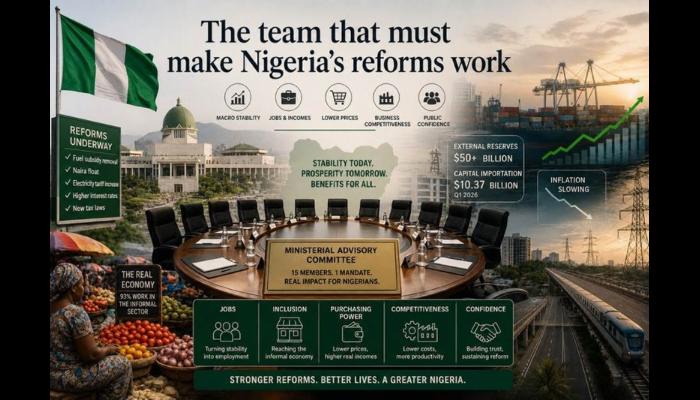
In this piece, James Emejo writes on the subtle but important shift in the economic conversation during the recent 7th Africa Emerging Markets Forum – about what happens after Nigeria’s current reforms have been concluded, and if the gains will outlive the present administration among other critical issues
The debate is no longer simply about whether Nigeria needed difficult reforms but increasingly about what happens after the reforms have been undertaken.
At the August forum with the theme, “Building Resilience Amidst Geoeconomic Uncertainties” held in Abuja, Governor of the Central Bank of Nigeria (CBN), Mr. Olayemi Cardoso, observed that the next phase of reforms may prove even more consequential than the decisions that brought the country to its current point of relative macroeconomic stability.
Calling for restraint, consistency and continuity, he said the country must preserve the gains of the reforms long enough for them to become the foundation for investment, production and jobs.
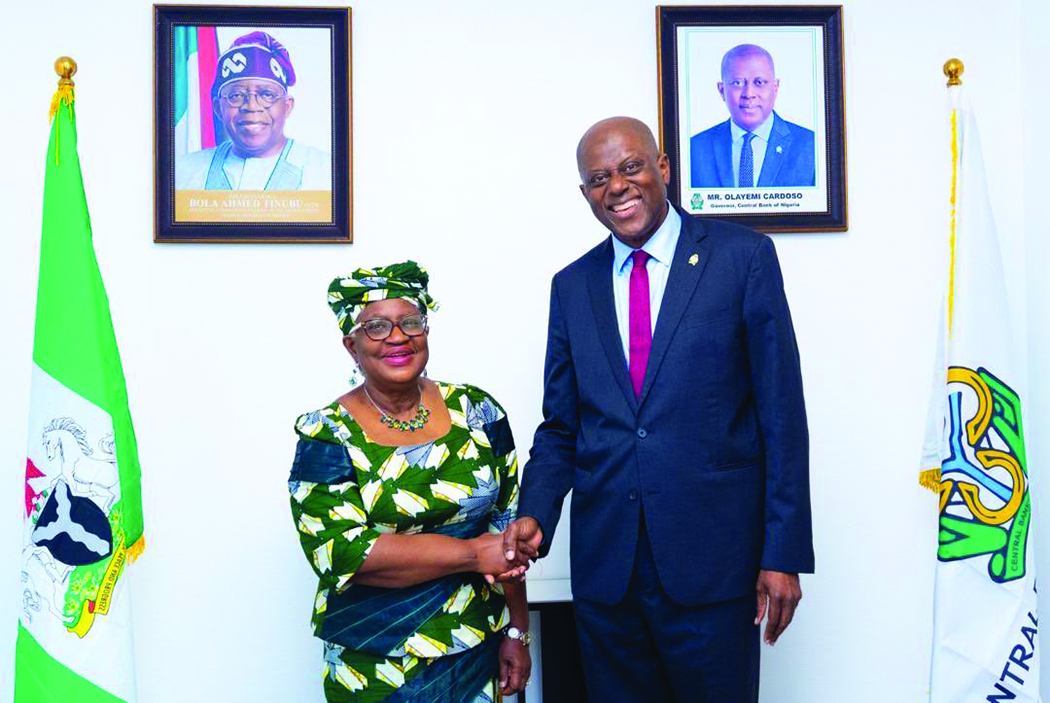
Cardoso’s interventions at the forum, particularly his fireside conversation with Director-General of the World Trade Organisation (WTO), Dr. Ngozi Okonjo-Iweala had a central proposition – that economic credibility was not an achievement that can be declared once but has to be continuously earned.