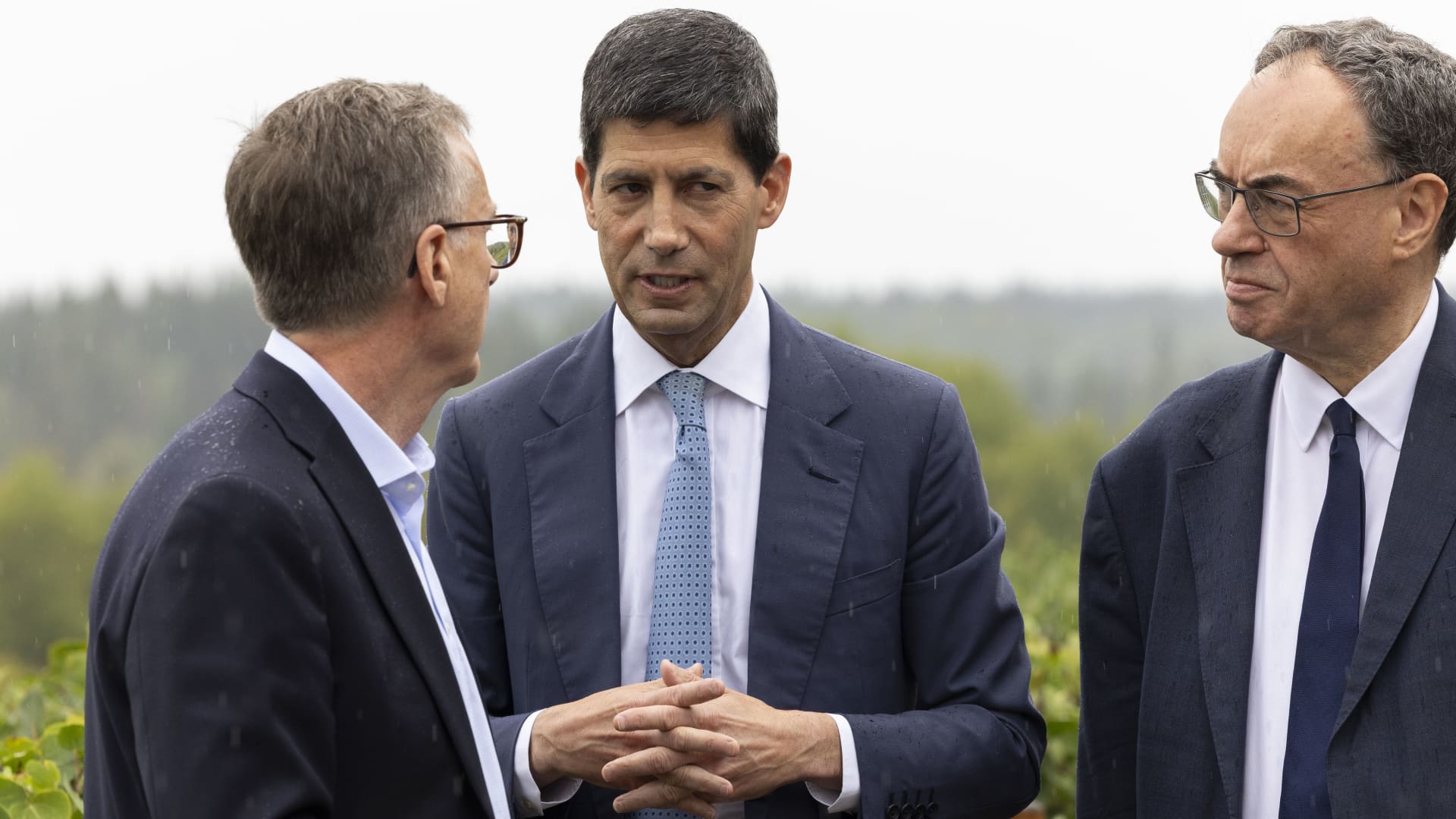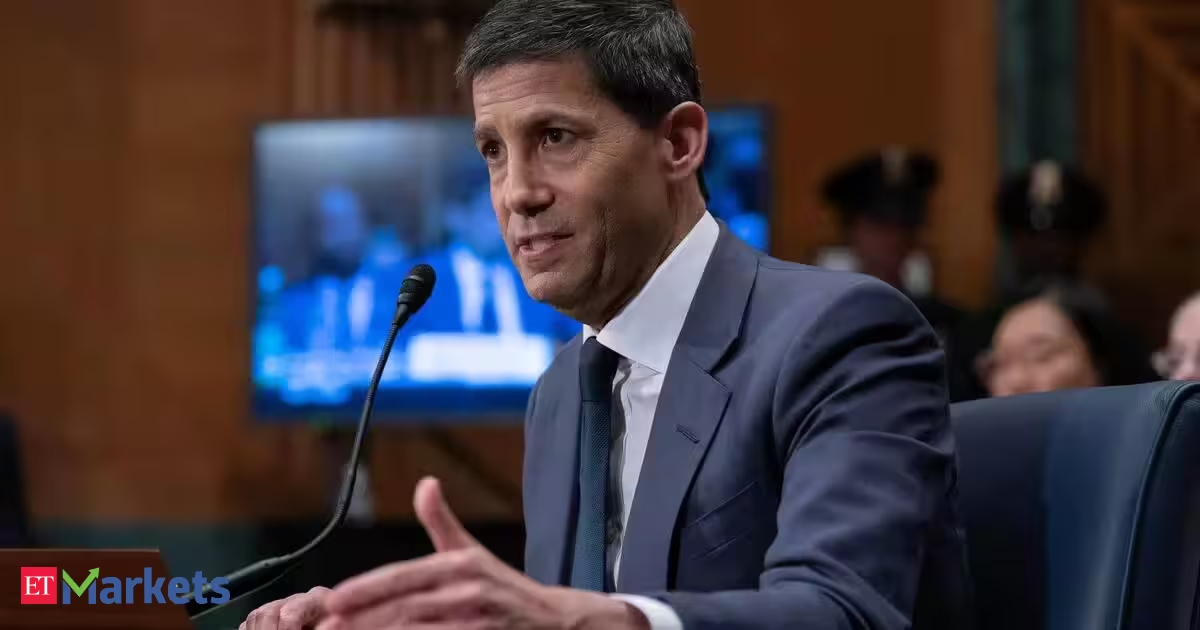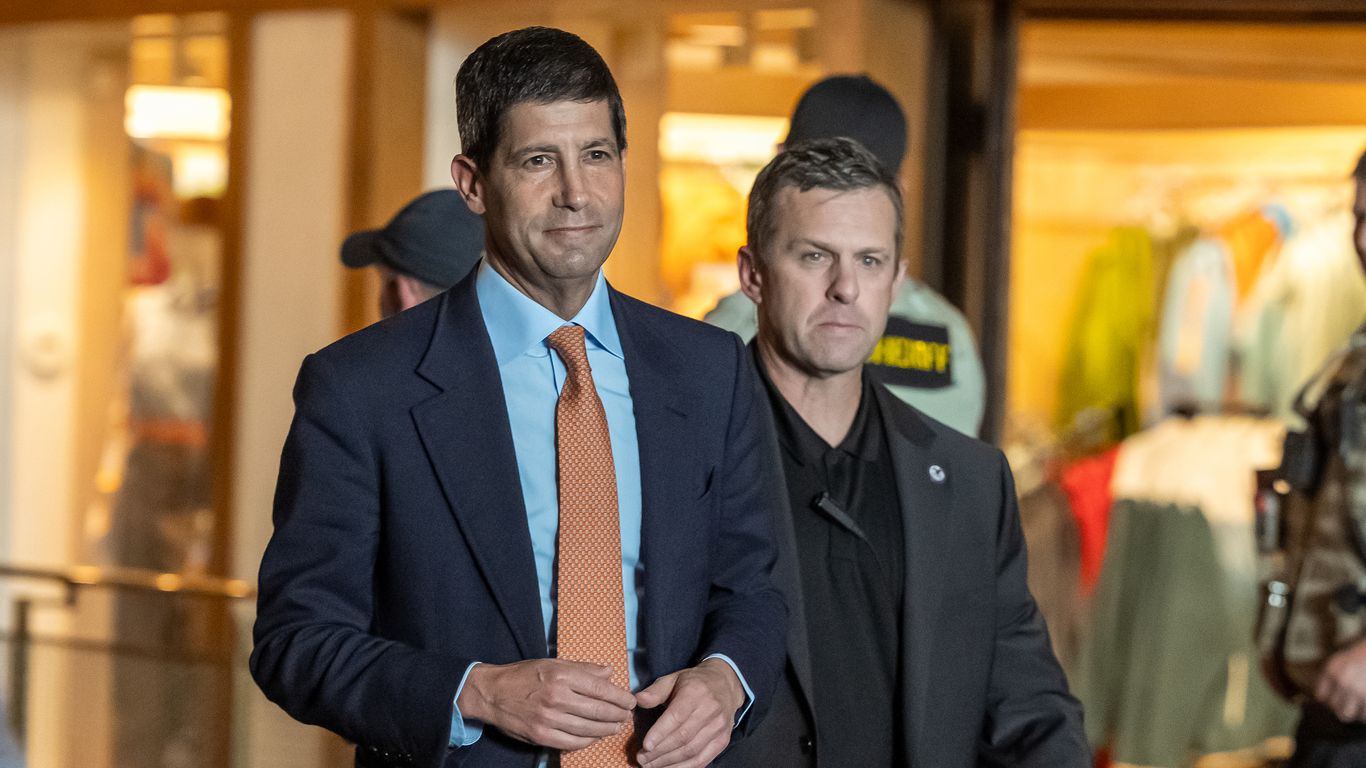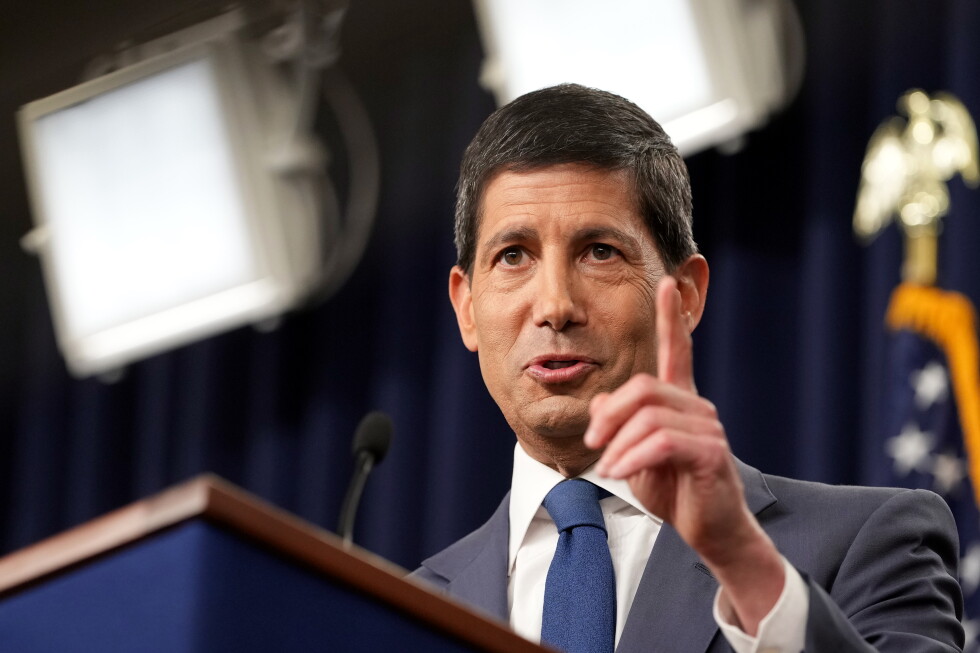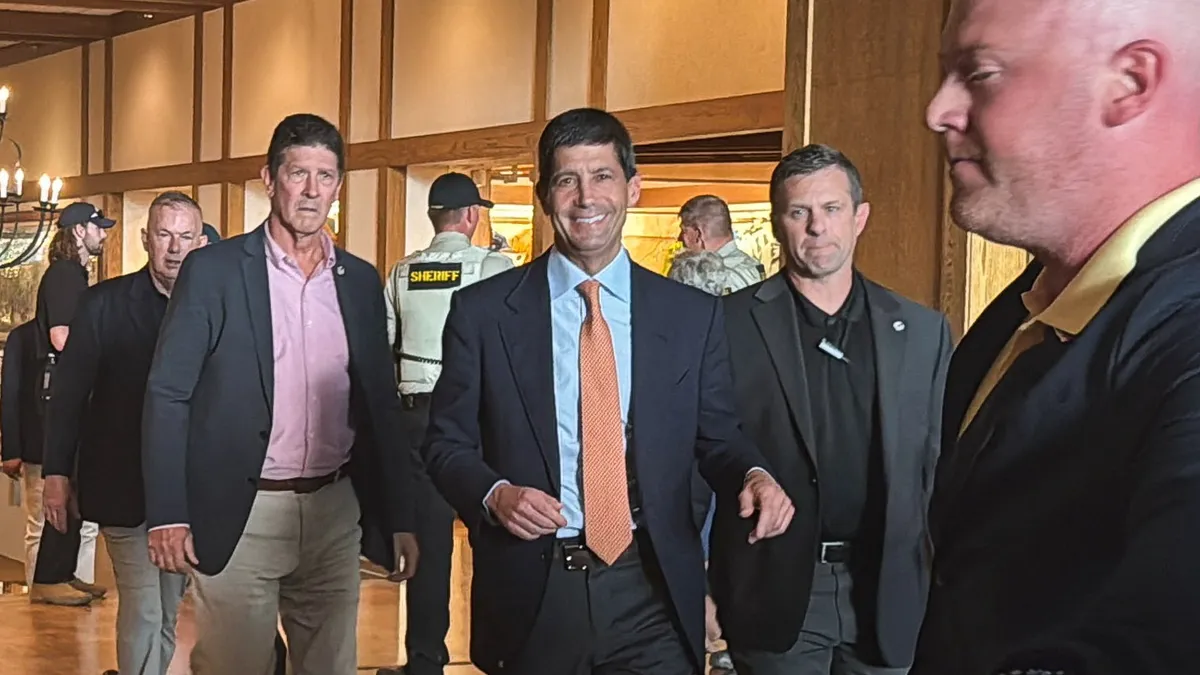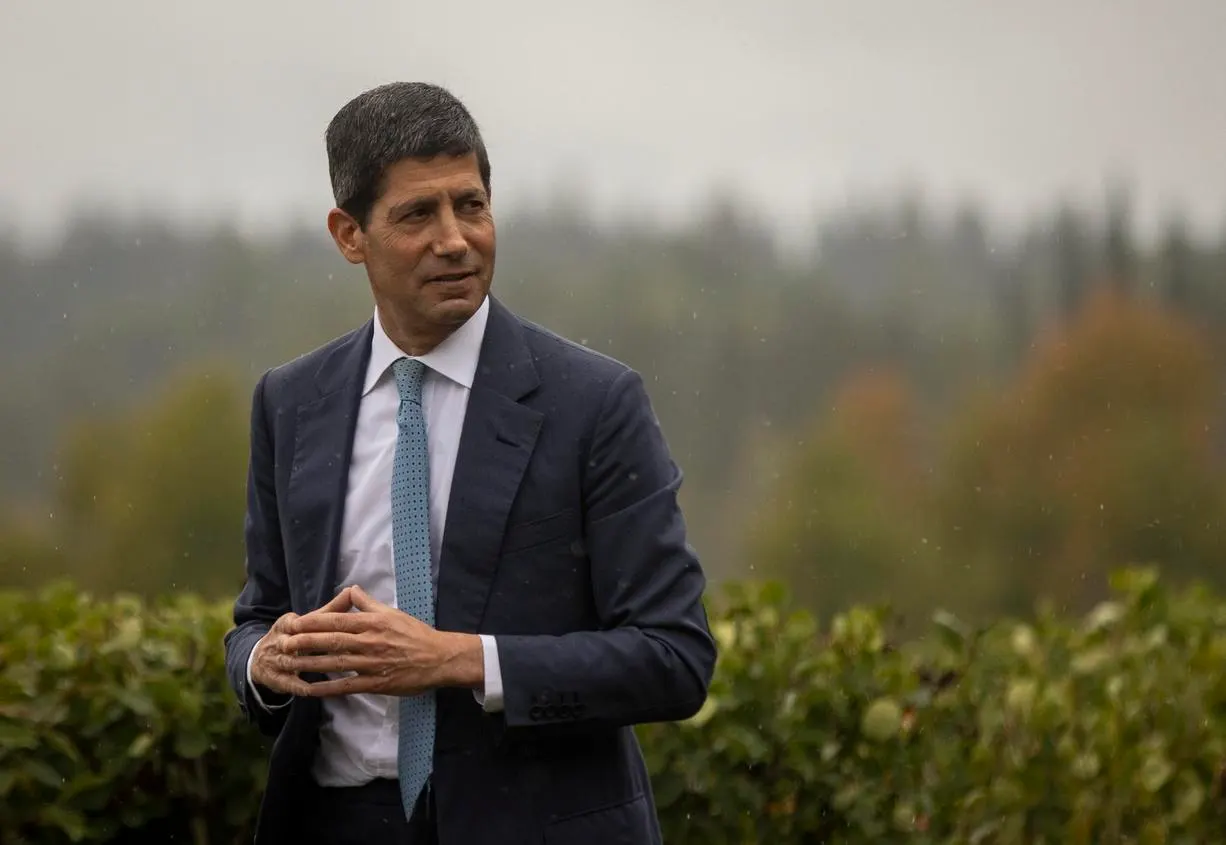
Kevin Warsh at the Jackson Hole Economic Symposium August 28, 2026 (Photo by Natalie Behring/Getty Images)Getty ImagesFed Chair Kevin Warsh would raise interest rates today, if today were decision day and he alone decided. He’ll probably urge the Fed’s policy committee to increase short-term interest rates at its meeting on September 15-16. His remarks at the annual Jackson Hole symposium describe his thinking in greater clarity than we previously had. Based on that speech, I anticipate a series of interest rate hikes in the coming months.We should keep in mind, however, that the Fed chair does not set rates. The Federal Open Market Committee has 19 members, of which 12 have votes on a rotating basis. None of the committee members reports to Warsh, so he has to win their support. But the three dissenting votes at their last meeting show that getting votes for a rate hike will be easy.In addition to describing his view of current and projected economic conditions, Warsh offered more details on his own view of how the Fed should conduct monetary policy in the future.Interest Rate Hikes In The ForecastWarsh described the current economy in terms that point to tighter monetary policy. First, he said that “I am impressed by the overall performance of the economy, which appears to have strengthened.” He also noted, “Business capital expenditures—the seed corn of future economic growth—are rising rapidly.” Expectations for business spending and earnings are both running strong, with financial markets sanguine about credit risk, he observed.Labor markets are “quite stable” in his opinion. My preferred measure is layoffs as a percentage of the workforce, which hit all-time lows this year.However, inflation continues to be excessive. Although it has dropped from 2022’s rapid pace, Warsh said, “But progress over the past two years has been modest.” As if that isn’t enough of a message, he added, “The responsibility for 65 months of sustained, elevated inflation sits squarely with the central bank.”The chair’s remarks do not clarify how much interest rates will rise. The Fed usually moves in quarter-point increments. In the era after the high inflation of the 1970s, there have been eight episodes of substantial increases or decreases in the Federal Funds rate, the interest rate that the Fed controls directly. They move rates by about three percentage points in a year, in either direction, when they really want to change policy. That’s probably extreme for the current excess of inflation above the two-percent target. My forecast is about one percentage point of increase over the next 12 months, with the Fed watching inflation as they move along.Warsh emphasized that the Fed should not have a fixed plan. They should adjust policy based on current data that points to the direction of future economic changes. As the inflation and employment data evolve, the Fed will adjust its policy.After the speech, financial markets increased their estimation of the likelihood of an interest rate increase, according to the CME Group.How Monetary Policy Will Be Made In The Warsh EraKevin Warsh spent much of his speech talking about how monetary policy should be made. Again, he may not convince the entire policy committee to go along with him, but he’ll certainly be able to at least nudge the group in his direction.In recent years the Fed has emphasized “forward guidance” about its future policy. The economy is partially driven by expectations for the future. The Fed can increase the impact of an interest rate change by promising that it will keep rates high (or low) for a long time to come. That enables it to get more bang for a rate move. But the promised path may turn out to be inappropriate. The Fed might then feel obligated to stand by its guidance, going down the wrong path. Or it might break from the guidance, giving up substantial credibility and upsetting markets.Warsh argues that in times of crisis, forward guidance is a useful tool, but its role “should be limited and circumscribed.” So we should not expect to get much of a hint about future Fed actions. Markets will certainly try to anticipate Fed actions, based on economic data and our guess about how the Fed will respond to new data.Humility about the Fed’s ability to manage the economy is a welcome part of Warsh’s message. He said that our understanding of the economy is not so precise that the Fed can simply implement a straightforward formula for policy-making, and that is certainly true. So not only must the Fed use judgment along the way, but we citizens must anticipate that they will make mistakes. They may tighten too much at times and ease too much at times. They will sometimes get policy right. But the public—as individuals and as businesses—should arrange its affairs to be resilient in the face of monetary policy errors.The Economy Under Kevin WarshThe economy will not be managed by anyone, neither the Fed chair nor the president. Entrepreneurs will develop new ideas, corporate employees will adjust their practices to fit the cost of inputs and what consumers will pay, and workers will choose where and how much they work. No single person will—or can—oversee the economy.But Warsh’s views, if implemented by his colleagues, should improve monetary policy, bringing inflation down in the next few years and reducing the likelihood of major deviations from the Fed’s mandate of low inflation and full employment.
Forecast: Fed To Hike Interest Rates After Warsh's Jackson Hole Talk
Warsh's Jackson Hole remarks signal Fed interest rate hikes ahead, aimed at inflation that has stayed above target for 65 straight months now
898 words~4 min read