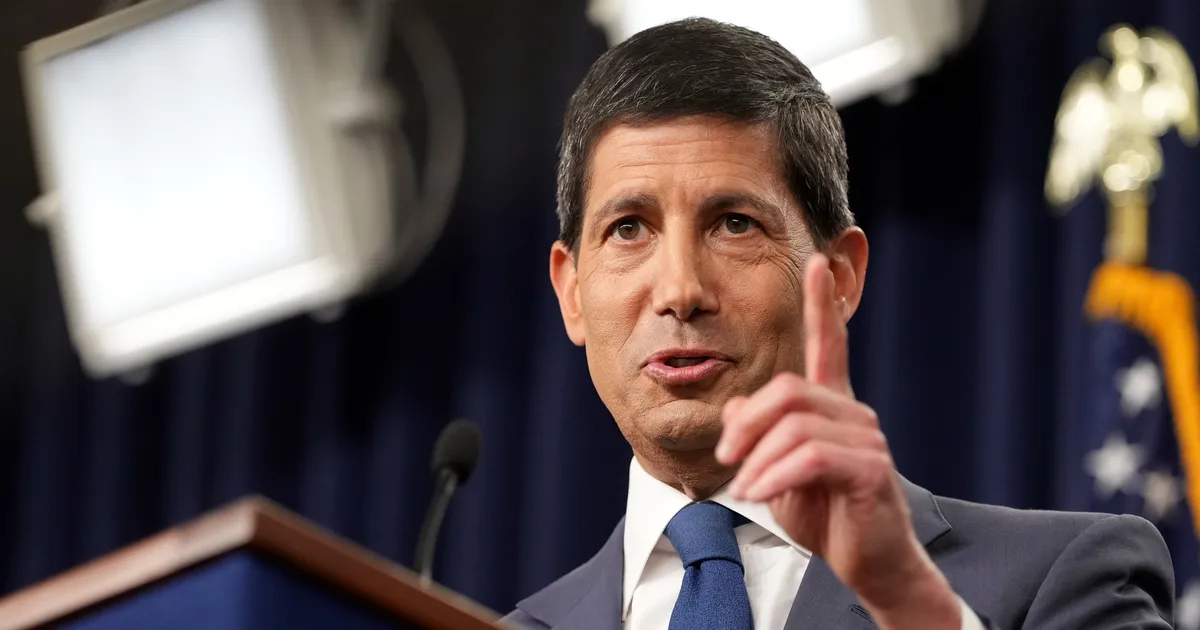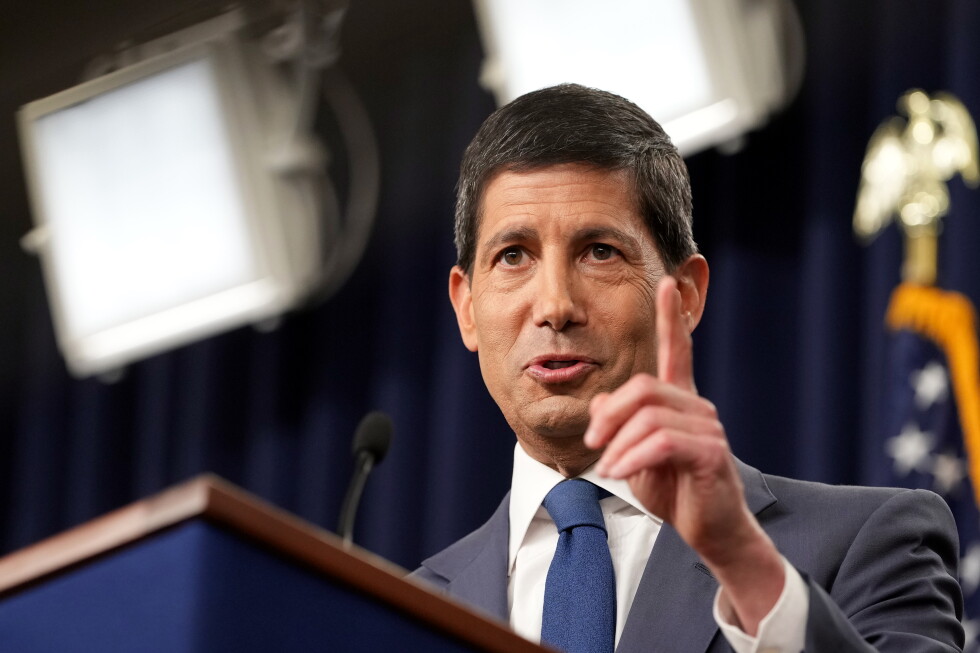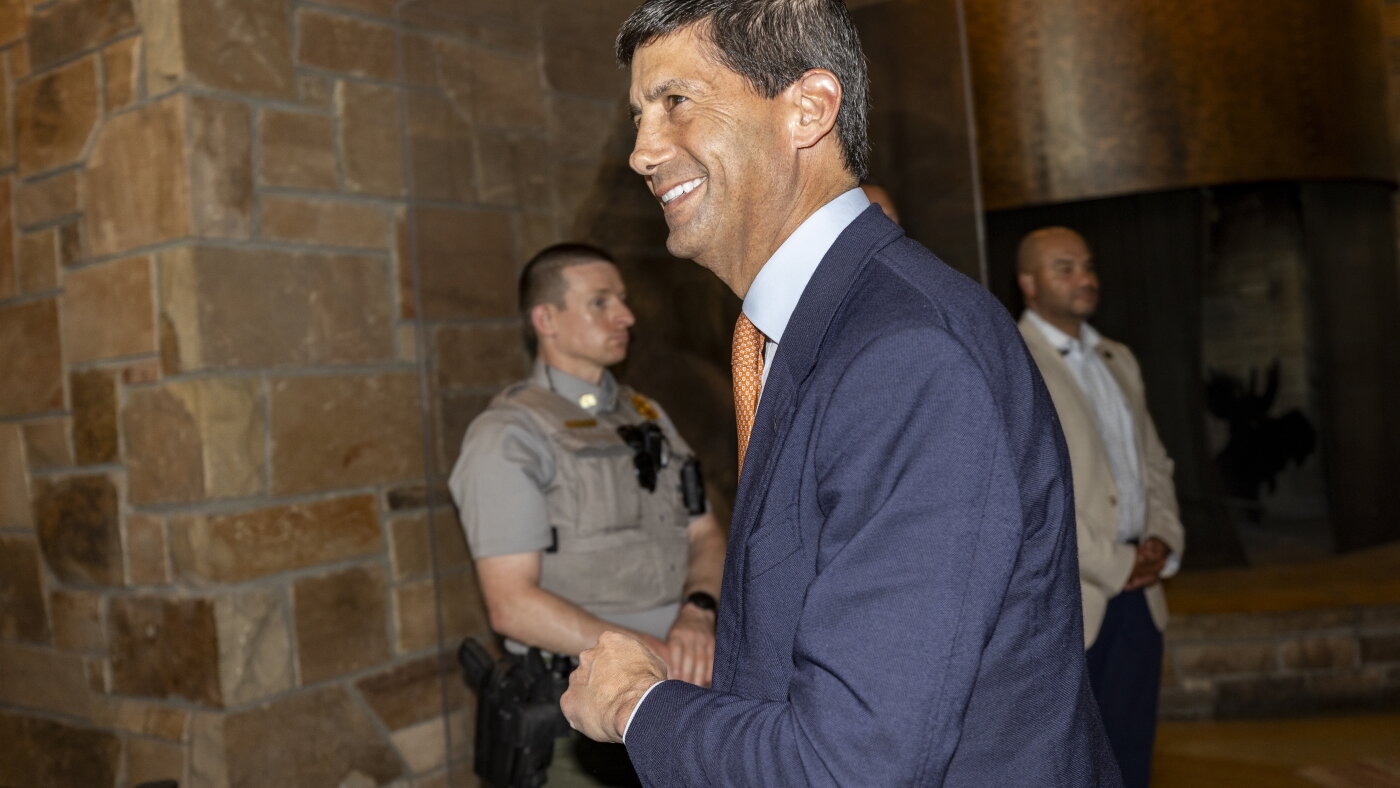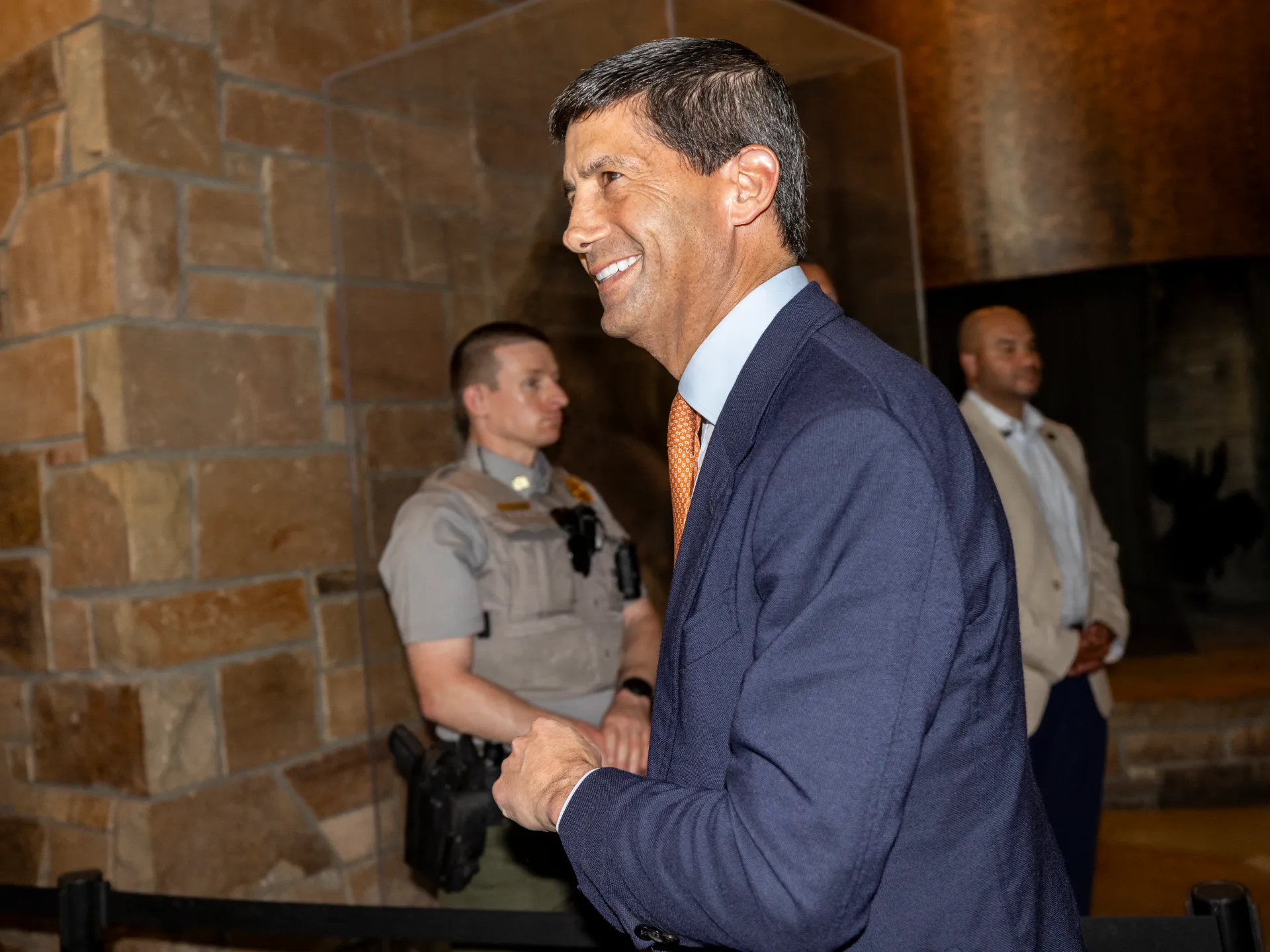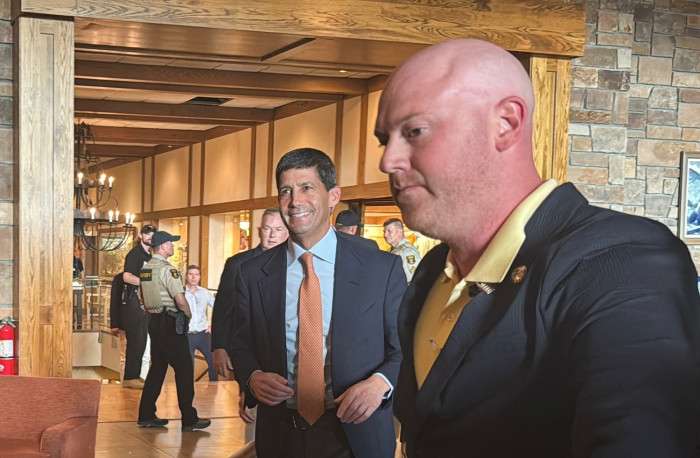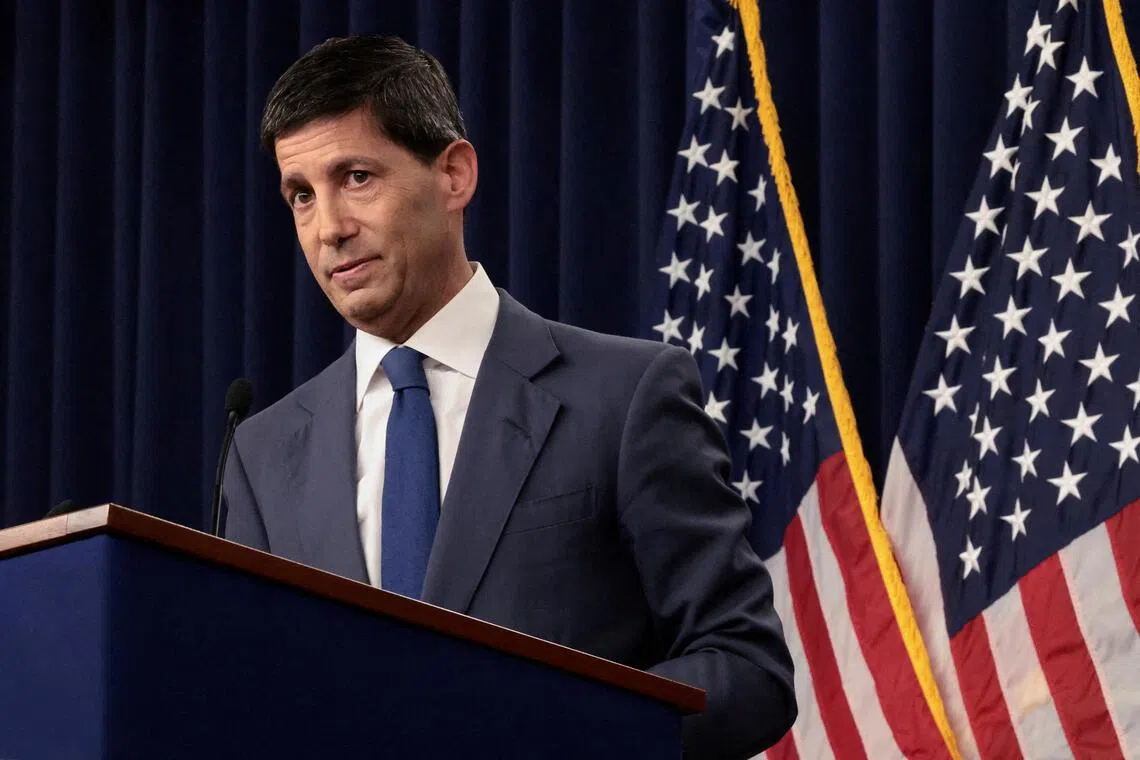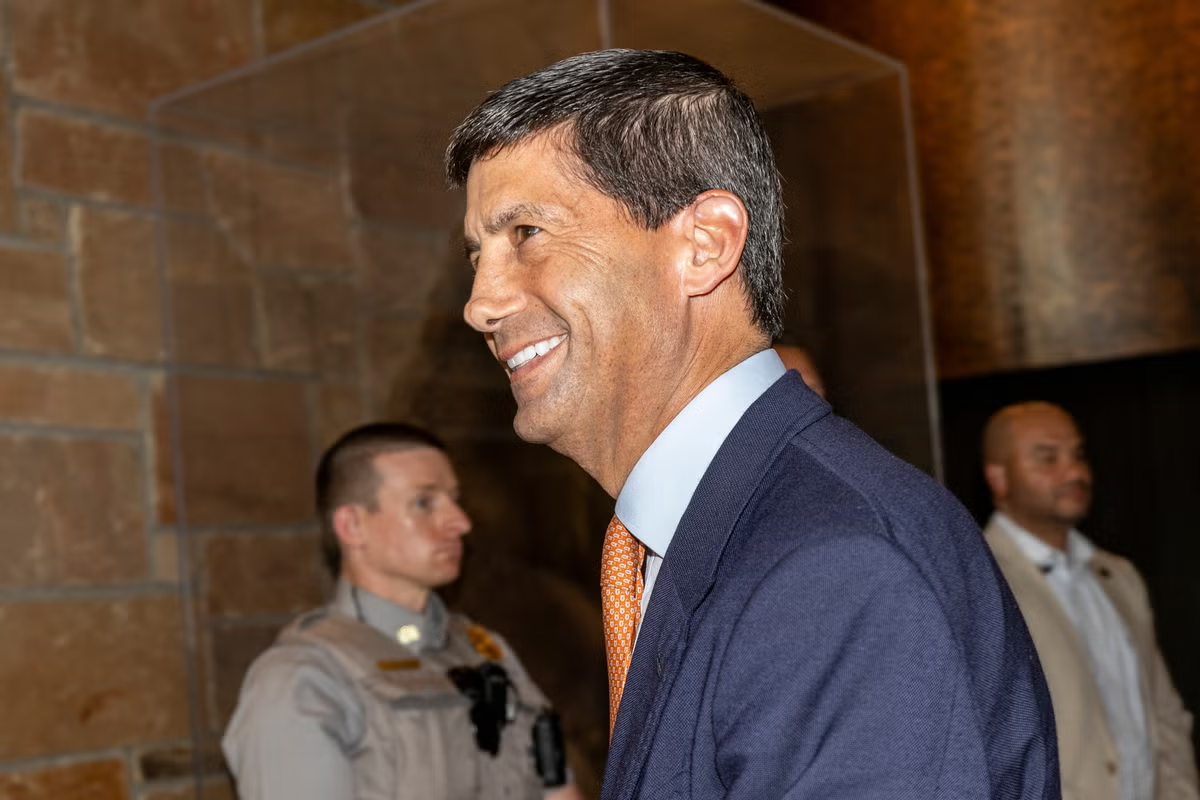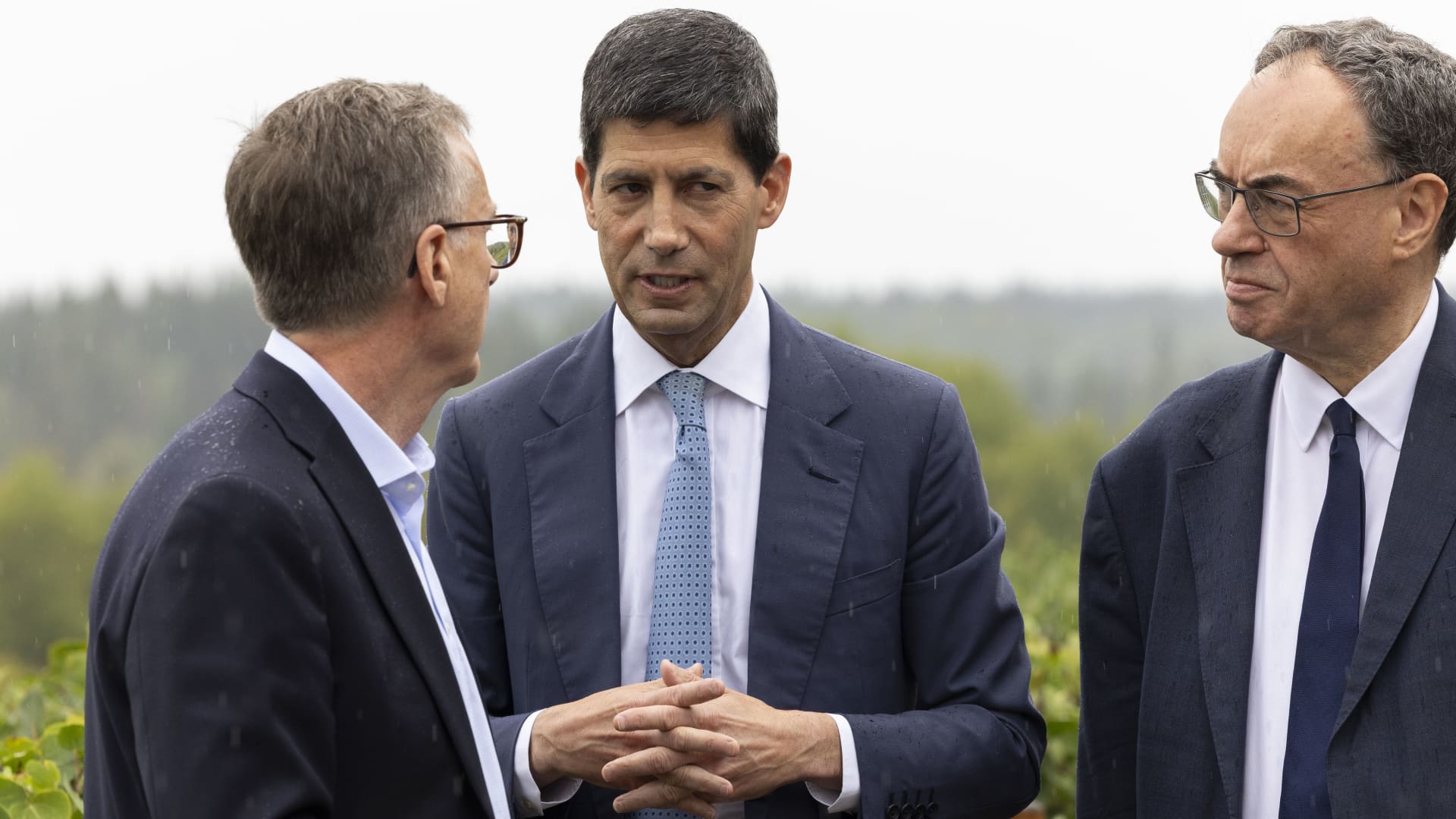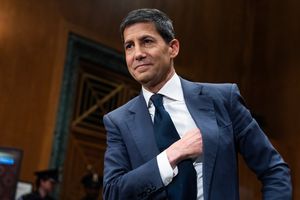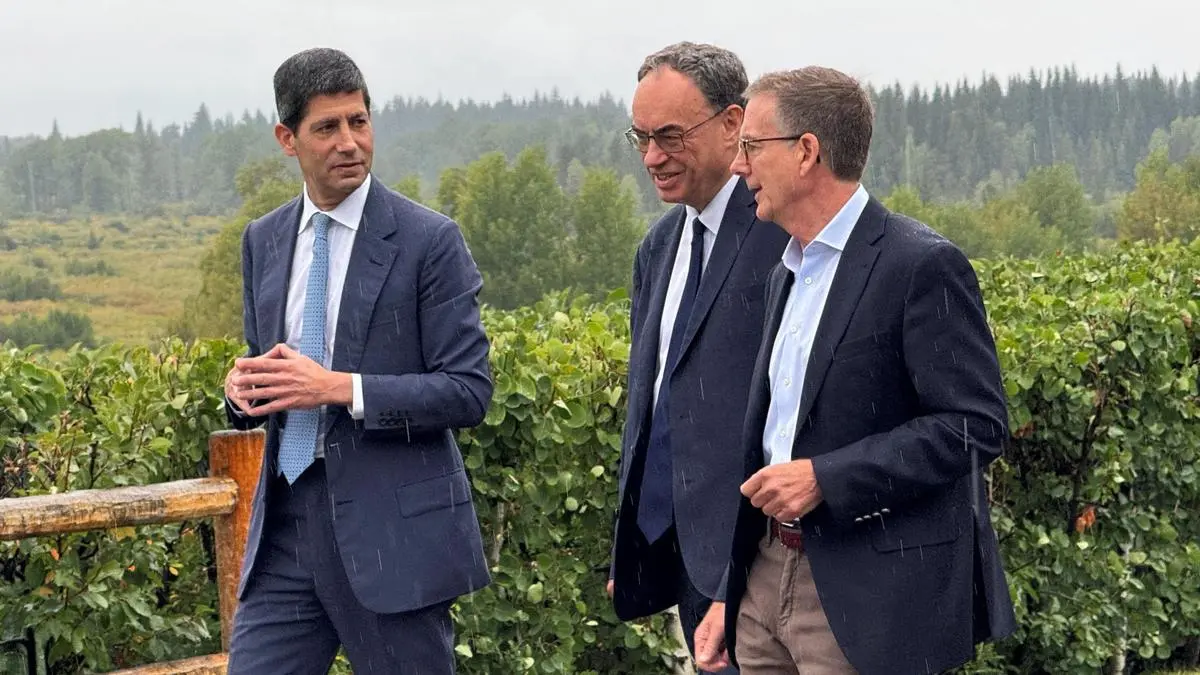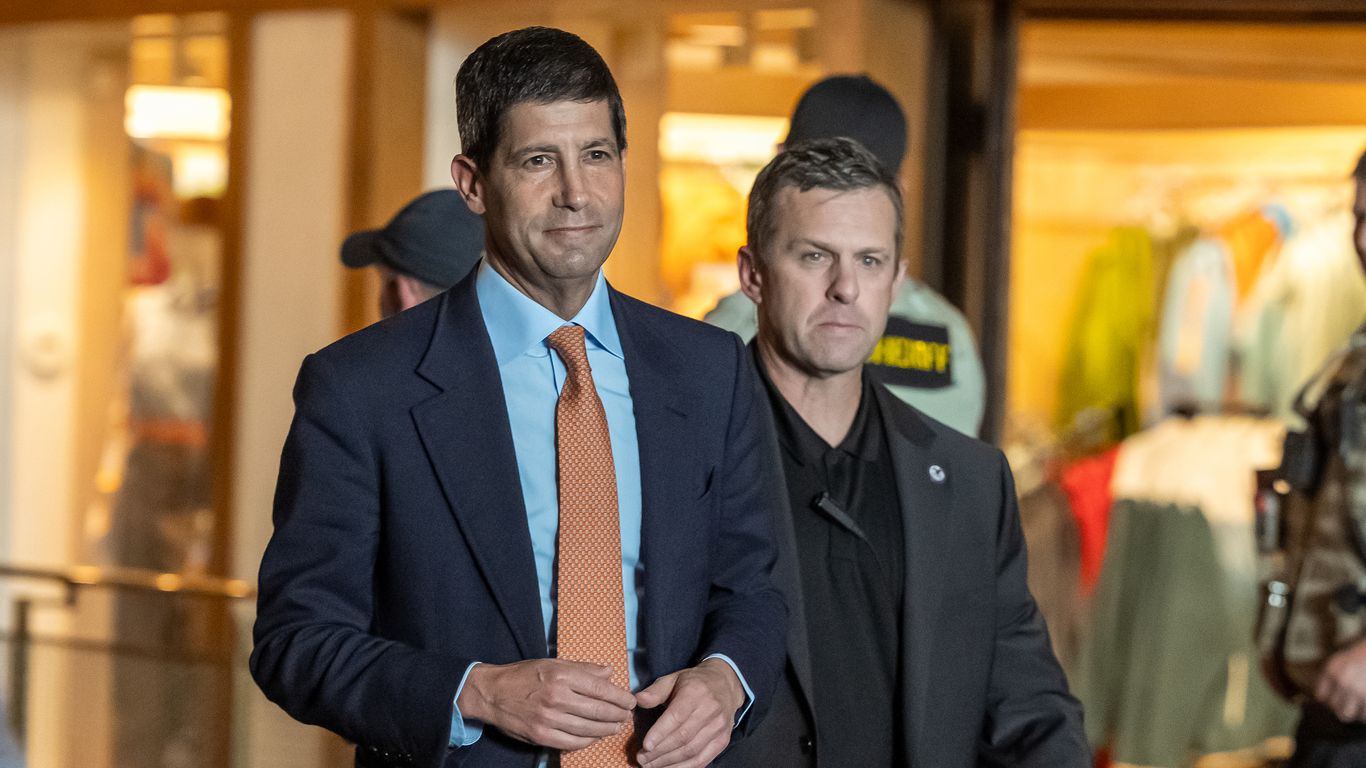
Federal Reserve chairman Kevin Warsh at the Jackson Hole Economic Policy Symposium in Wyoming. Photo: David Paul Morris/Bloomberg via Getty ImagesFederal Reserve chairman Kevin Warsh said Friday that the central bank's leaders have "work to do" if they are not confident that inflation is moving to 2% "clearly and at sufficient speed," implying that interest rate hikes are ahead in the absence of improvement in price pressures.The big picture: In a much-anticipated speech in Jackson Hole, Wyoming, Warsh made clear that he is committed to the Fed's longstanding policy playbook of using interest rate adjustments to try to manage inflation — even as he sees this as a "hinge point in history" with the advent of AI.It raises the strong possibility that the Fed's next move will be an interest rate increase, which could put him crosswise with President Trump, who has long sought rate cuts.State of play: It amounts to clearing up any ambiguity left by his refusal, at a late July press conference, to engage much with questions about whether an interest rate increase might be needed to combat inflation that has surged higher this year and has been above the Fed's target for more than five years.Bond markets sold off following his July 28 press conference as economists questioned the Warsh Fed's commitment to raising rates if necessary to achieve 2% inflation, as measured by its traditional gauge.At the same time, he was resolute in his determination not to give much in the way of "forward guidance" as to future Fed policy moves, or even expansive details about its "reaction function," or how it might respond to incoming data.What they're saying: "The responsibility for 65 months of sustained, elevated inflation sits squarely with the central bank," Warsh will tell the Jackson Hole audience, according to a prepared text."Here is my standard: We must be confident that underlying inflation is moving to our objective, clearly and at sufficient speed. Otherwise, we have work to do. That's our job, our mandate, and our charge to keep."Between the lines: In laying out principles for how he believes the central bank should operate — on his 100th day in office and in front of a room stuffed with Fed colleagues and counterparts from global central banks — Warsh will seek to provide much-awaited clarity. "There should be no misunderstanding," Warsh said in the text. "The Fed's price-stability objective of 2 percent, as measured by the personal consumption expenditures (PCE) price index, is a firm, fixed target." In July, he had mused about alternate measures of inflation."Let's be equally clear about another aspect of the objective: Price stability is not self-executing, nor is inflation necessarily mean-reverting. It is the Fed's job to deliver stable prices."Moreover, he said, "short-term interest rates are the predominant tool to achieve the dual mandate."Yes, but: Warsh resisted calls from economists and Fed watchers to deliver more detail about how the central bank may react to incoming data."So, if forward guidance is ill-suited to normal times, then how about the new Fed chief commits — at the very least — to an explicit reaction function?" he said."Surely, he should tell us his interest rate path — if, say, the data were to come in hot or cold. I wish our understanding of the economy were so precise as to provide a mechanical, tried-and-true answer.""But our knowledge just doesn't extend that far—at least not yet—and the factors most relevant to the proper conduct of monetary policy change over time. Providing forecasts to illustrate the Fed's reaction function works better in theory than in practice, better in the lab than in the field."Zoom out: In the 16-page speech, Warsh also explored the possible economic consequences of AI, though that section offered more questions about what the future may hold than definitive answers."The potential for substantially higher growth is on the rise. Ever-expanding pools of capital are pouring into AI-related infrastructure of all sorts," he said. "A kind of hyper–Moore's law seems to be playing out. Scaling laws, too, are changing both the method and speed of innovation.""The Fed watches all of this attentively. We recognize that AI is a new variable—potentially a new factor of production—that will have consequences for both the economy and the conduct of monetary policy."Of note: In light of booming markets, Warsh said that "on balance, I would be hard pressed to describe broad financial conditions as restrictive," which also points to the possibility interest rates are too low.The backdrop: Warsh has had a turbulent first three months at the Fed's helm, navigating a Middle East conflict-driven inflation surge and a bond-market sell-off that has pushed long-term borrowing costs higher.Warsh's push to provide less forward guidance reflects a broader philosophy that financial markets should focus more on economic fundamentals and less on what the Fed might do next. But the shift has contributed to uncertainty in the bond market and the Trump administration has been uneasy with the surge in borrowing costs. In a move to ease pressure on long-term interest rates, the Treasury Department announced plans this month to step up purchases of long-term debt.Editor's note: This story has been updated with additional details from Warsh's speech.
Fed's Warsh: Interest rate increases in play if inflation doesn't fall
The Federal Reserve chief seeks to clear up any ambiguity created by his late July press conference performance.
862 words~4 min read