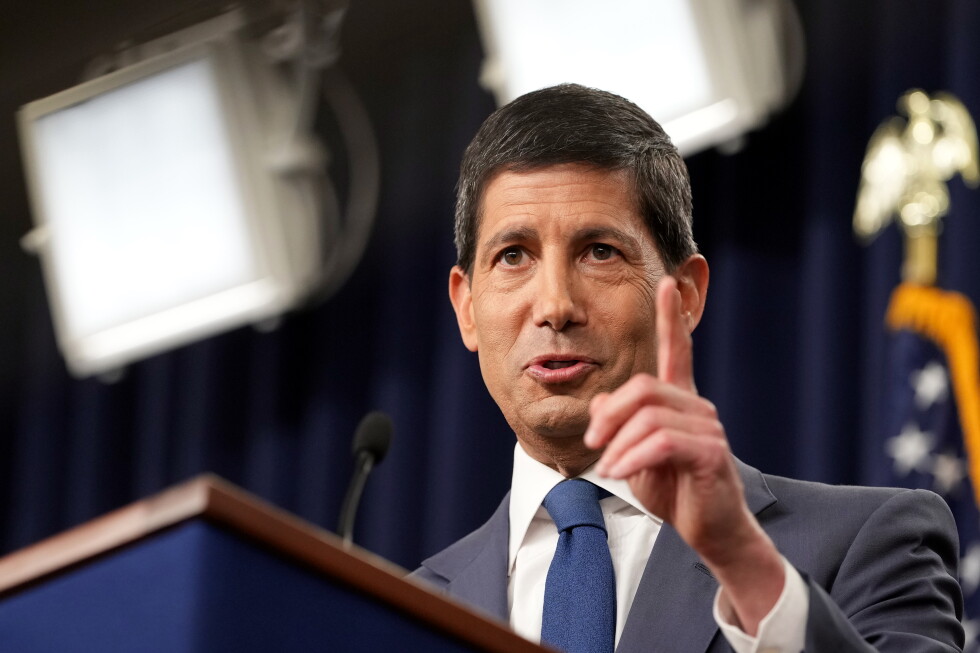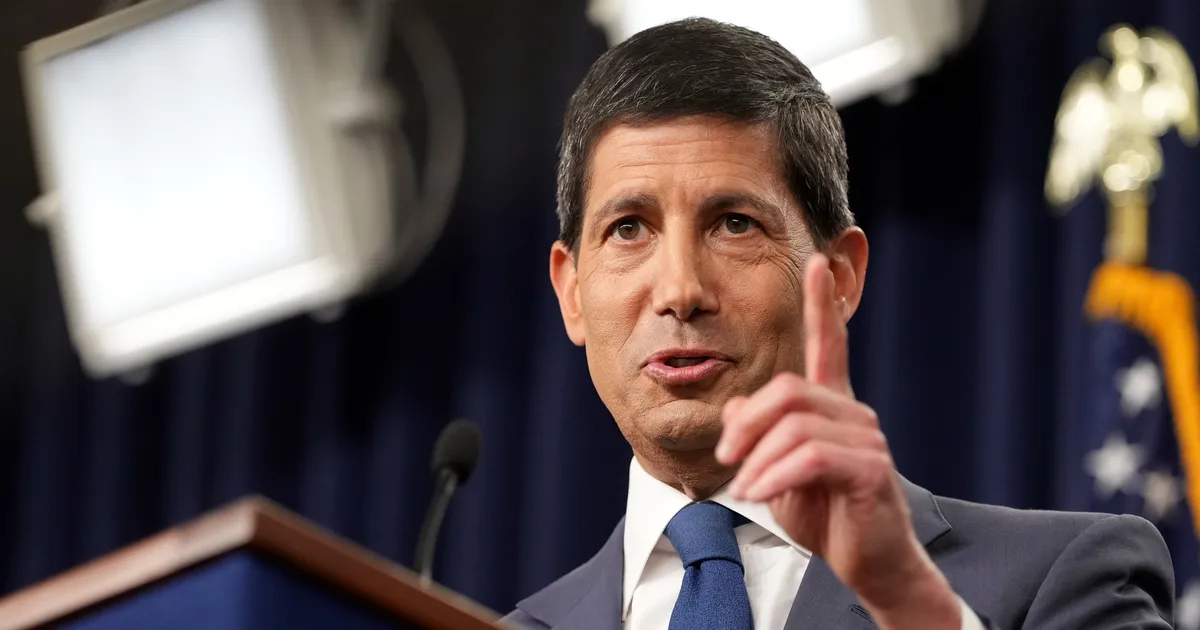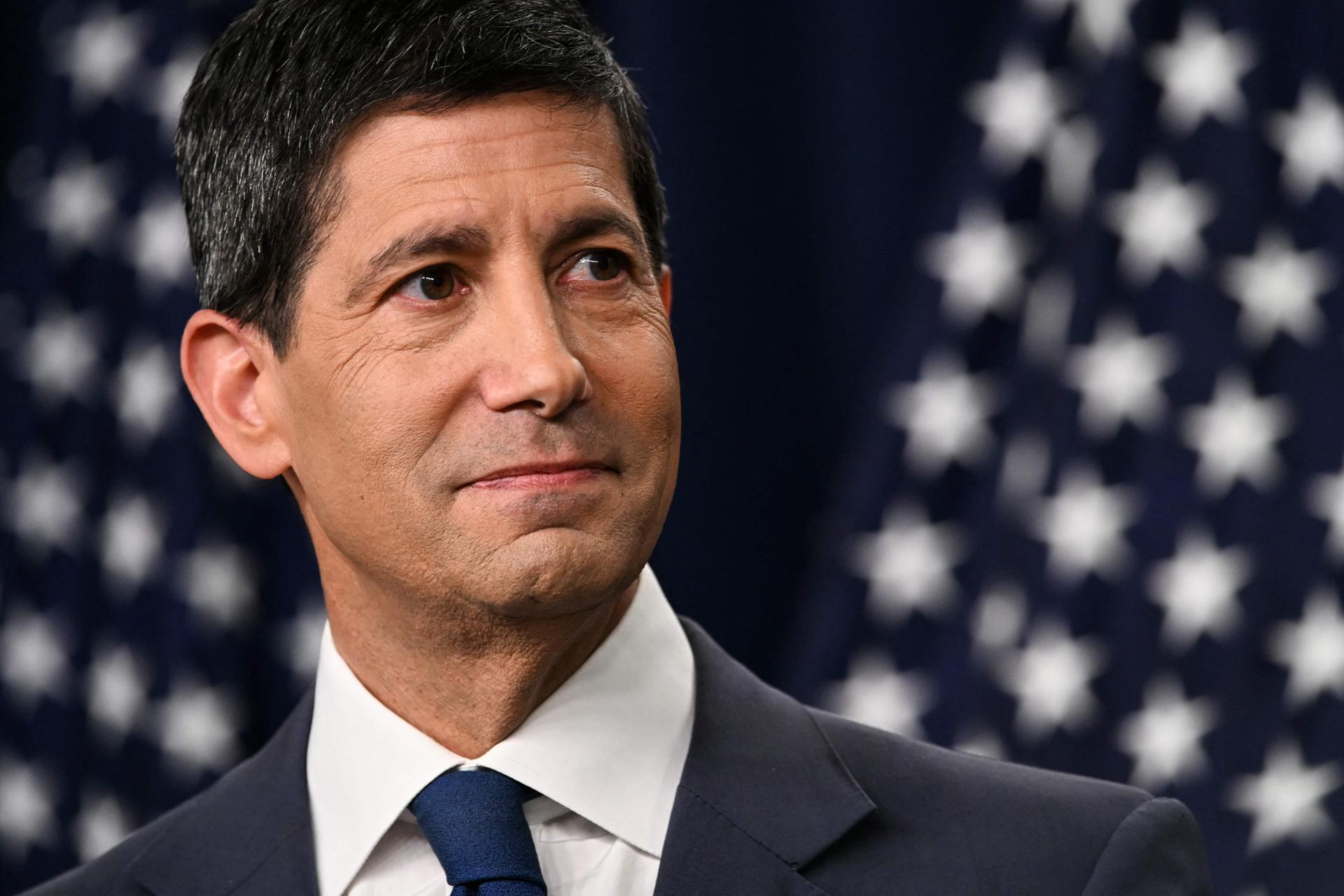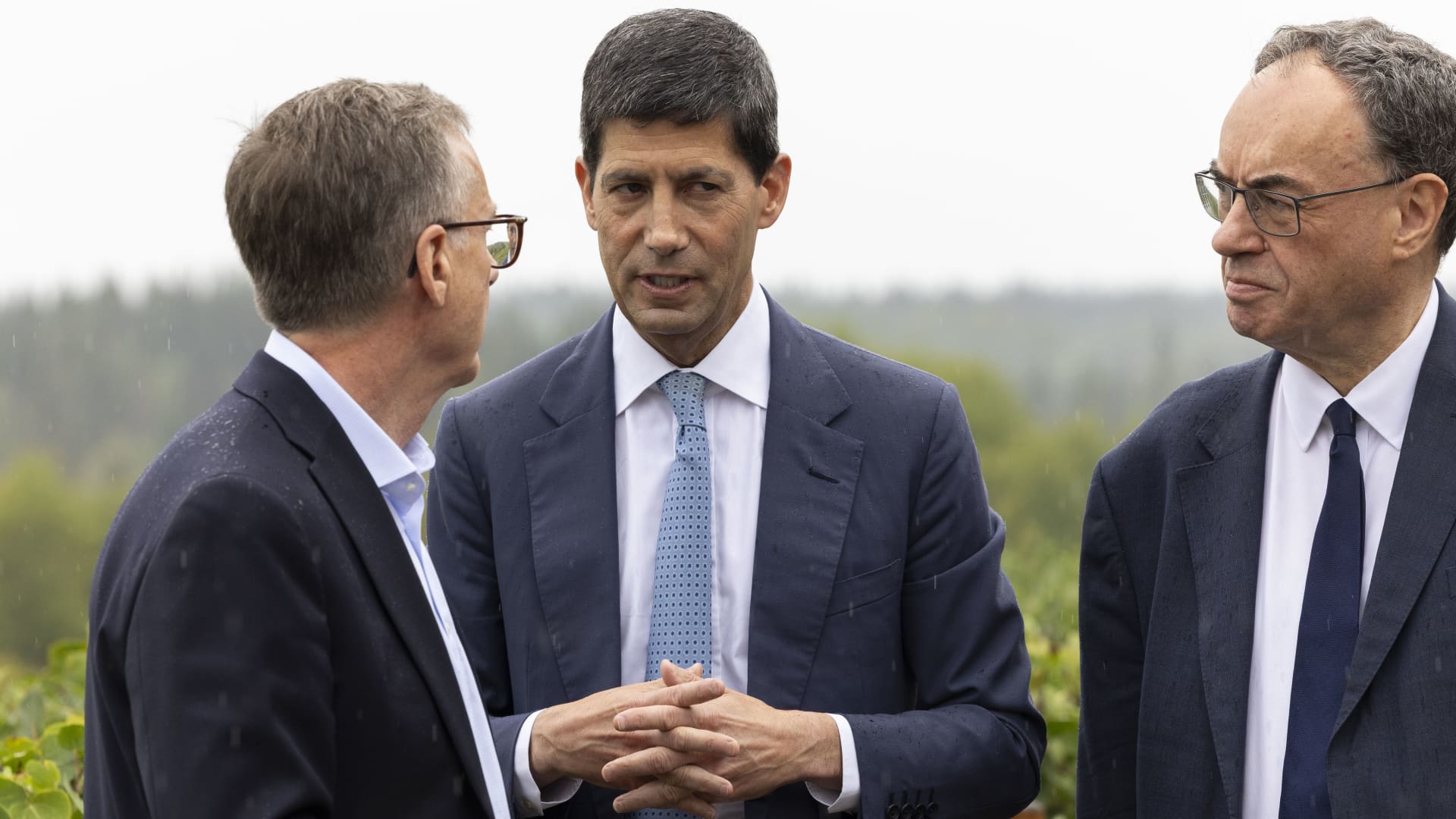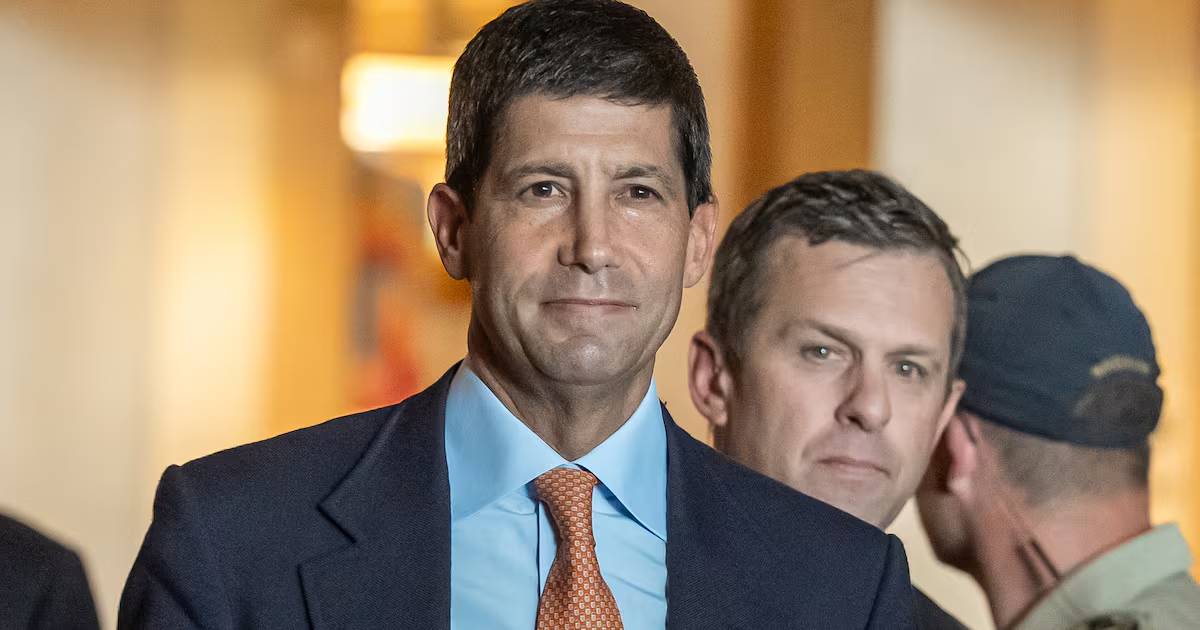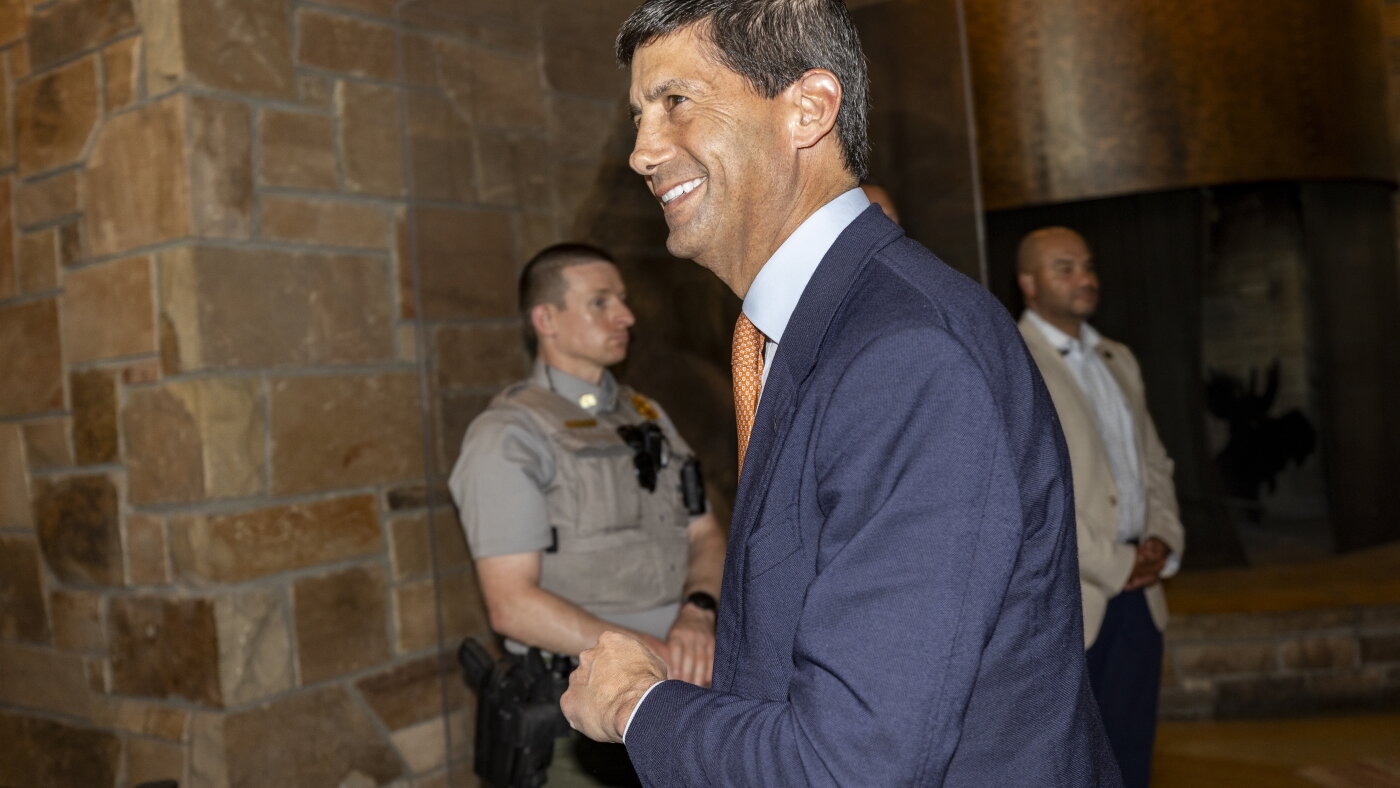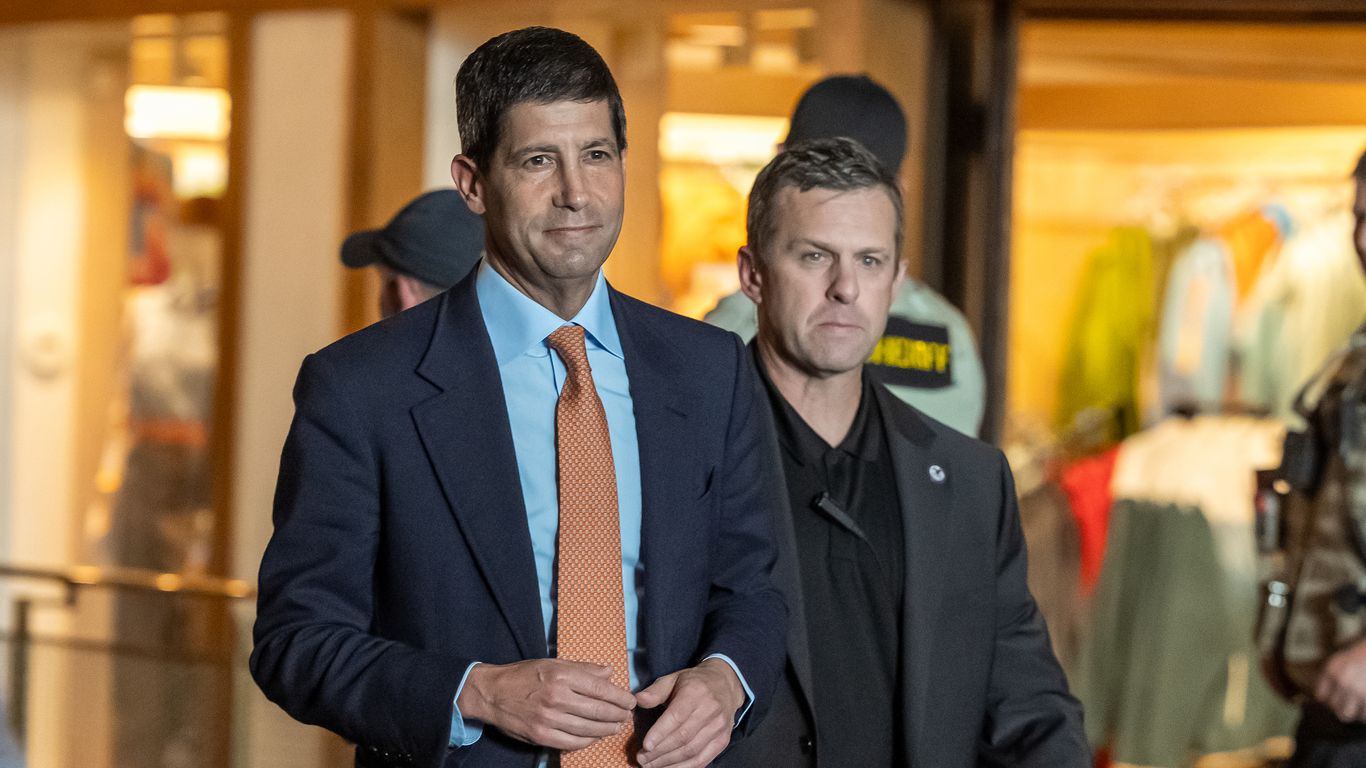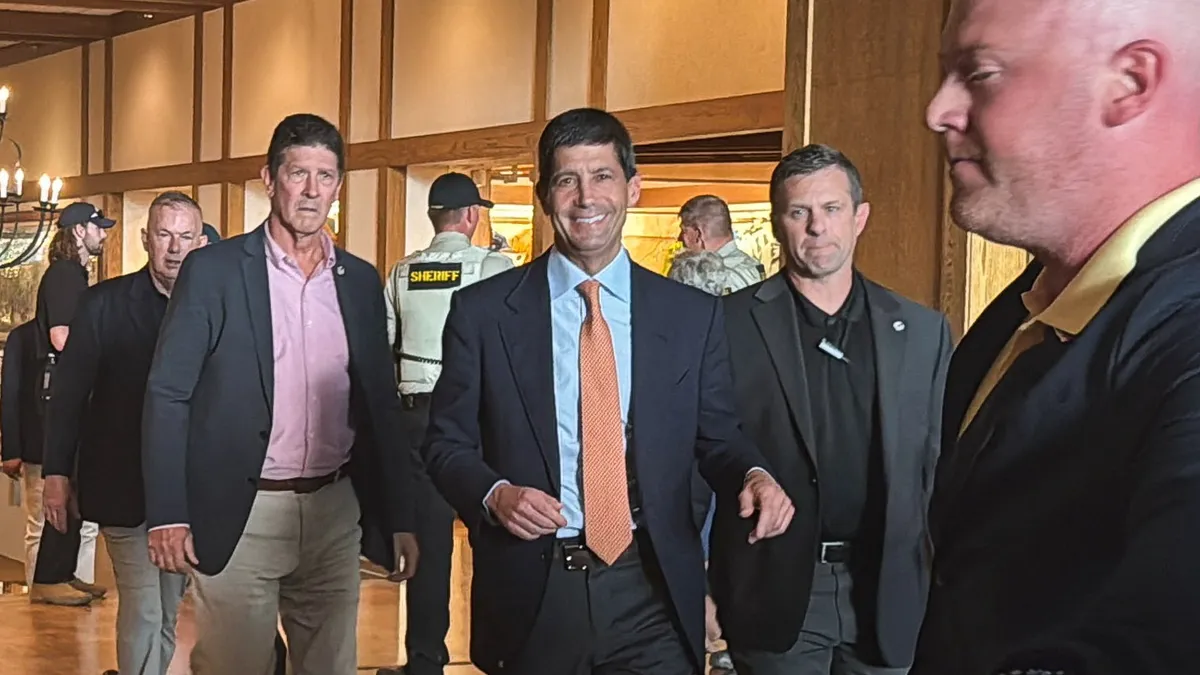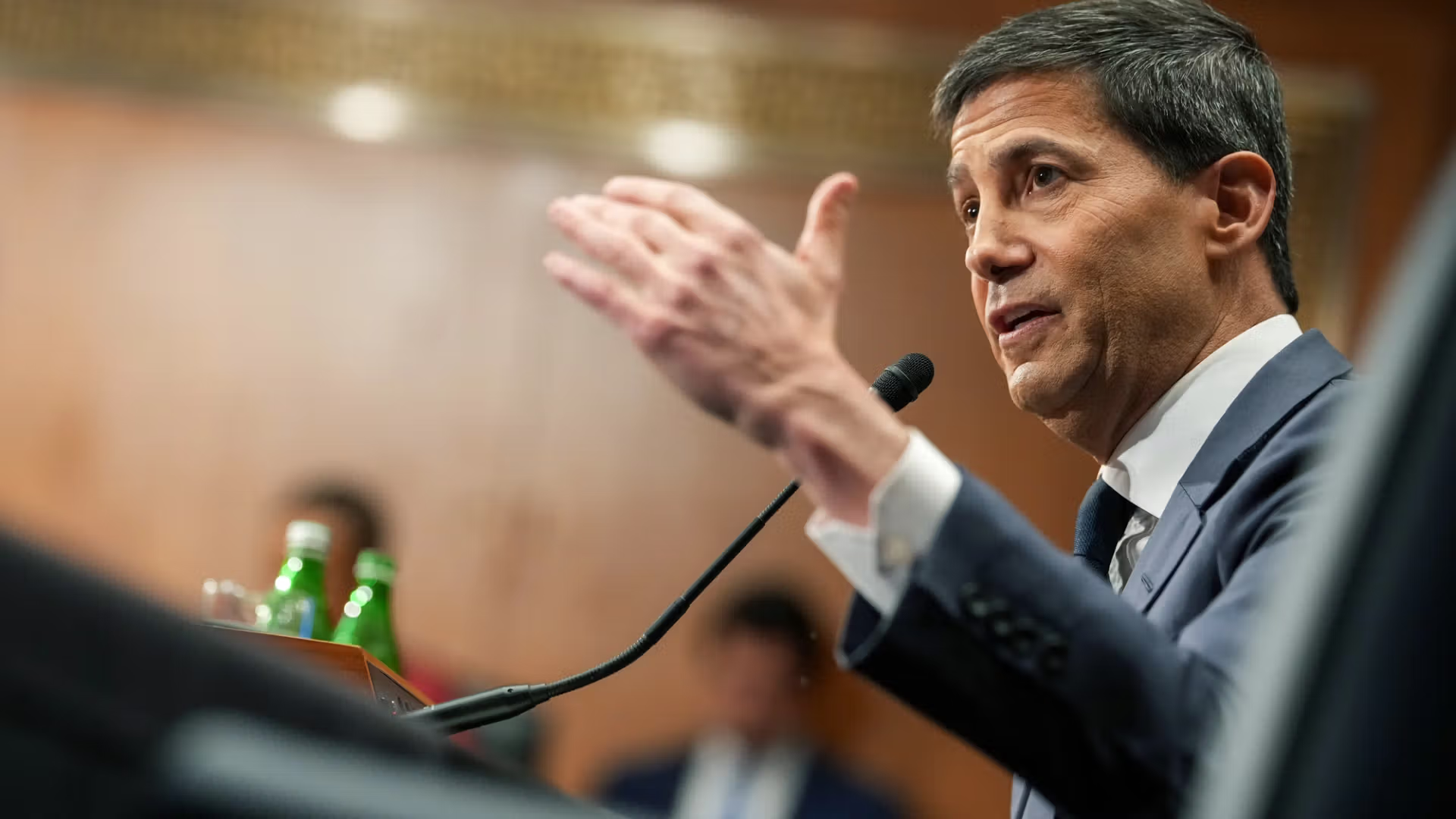
Federal Reserve Chair Kevin Warsh offered his most explicit assessment of the economy on Friday, warning that persistent inflation remains excessively high and suggesting that monetary policymakers may need to raise interest rates over the coming months to bring prices under control.Delivering his first major address at the central bank's annual monetary conference in Jackson Hole, Wyoming, Warsh acknowledged that recent American economic figures show price growth has moderated somewhat, but "they do not tell me that underlying trends have meaningfully improved.""We must be confident that underlying inflation is moving to our objective, clearly and at sufficient speed," Warsh said. "Otherwise, we have work to do."The Fed chair, who succeeded Jerome Powell on May 22, delivered his remarks amid heightened scrutiny from Wall Street investors regarding his commitment to curbing elevated inflation across the nation.Previous Fed chairs have often used speeches at Jackson Hole to address broad questions about interest-rate policy and the economy, or to signal upcoming changes in their approach (Getty)Market concerns have likely contributed to rising bond yields, which drive up borrowing costs for the government, businesses, and consumers alike. However, Warsh reiterated his opposition to offering what economists term "forward guidance" regarding whether central bankers will hike, reduce, or maintain interest rates at upcoming meetings, arguing that such commitments restrict the central bank's operational flexibility.Despite this stance, a number of financial analysts maintain that he could provide greater clarity regarding his general outlook on Fed policy without explicitly revealing future decisions.On Friday, Warsh reaffirmed his skepticism toward issuing public forecasts or detailing a broader framework for interest-rate policy.He nonetheless indicated that current borrowing costs may not be actively restraining economic expansion, pointing toward strong commercial investment in artificial intelligence technology and infrastructure alongside robust consumer expenditures. As a general economic rule, interest rates must remain high enough to curtail spending and borrowing to tame inflation.The Federal Open Market Committee is scheduled to meet on September 15-16, and while Warsh's speech does not guarantee an immediate rate increase, it strongly signaled that borrowing costs may not yet be restrictive enough to push inflation back down to the Fed’s 2% target.Warsh stated that recent inflation readings "are more concerning" than developments across the labor market, where unemployment remains low, while emphasizing that price growth is unlikely to subside back to target without deliberate policy action.Warsh pointed out that over the past year, 54% of goods and services monitored by federal agencies registered price increases of 3% or higher. Although that figure represents an improvement from peak pandemic levels, it remains "well above" the 32% average recorded during the two decades preceding the pandemic.Inflation slowed through June and July following a sharp spike in May caused by surging gasoline costs, yet price measures remain above central bank targets. The Fed’s favored gauge recorded an annual rate of 3.7% in July.Warsh also addressed lingering questions arising from his July 29 press conference, clarifying that adjustments to short-term interest rates remain the "predominant tool" available to the central bank for bringing down persistent price inflation.Fed leaders have traditionally utilized the high-profile Jackson Hole conference to articulate monetary strategy or signal significant changes in policy direction. In 2022, after pandemic-era inflation reached a peak of 9.1%, former chair Powell used the forum to signal that the central bank would rapidly increase interest rates to combat soaring prices, explicitly acknowledging that the policy path would cause economic "pain" for households and businesses.While most market forecasters anticipate the Fed will hold interest rates steady during its mid-September gathering, Wall Street investors are currently pricing in a potential rate increase by December, according to financial futures tracked by CME FedWatch.Uncertainty surrounding Warsh’s policy trajectory comes as President Donald Trump repeatedly calls for lower borrowing costs. While Trump has continued to defend Warsh, whom he appointed to the post, the president has frequently criticized other central bank officials for supporting elevated borrowing costs.Trump has also renewed attempts to dismiss Fed governor Lisa Cook, who was appointed by former President Joe Biden. Removing Cook would allow Trump to secure a majority on the seven-member board of governors. Trump previously sought to fire her last year but was temporarily blocked by the Supreme Court.If Warsh succeeds in easing investor concerns, long-term borrowing costs could experience a modest decline. Long-term rates have trended upward in recent weeks, driven by expanding federal budget deficits and substantial debt issuance by technology companies financing artificial intelligence infrastructure.Yields on the 30-year Treasury bond climbed to a 19-year high last week, prompting an extraordinary intervention by Treasury Secretary Scott Bessent to buy back government bonds in an effort to push yields down.
Fed Chair Kevin Warsh signals rate hikes may be needed in Jackson Hole speech
Questions about Warsh’s approach have intensified amid President Donald Trump’s continued calls for lower interest rates
768 words~3 min read